On This Page
Description
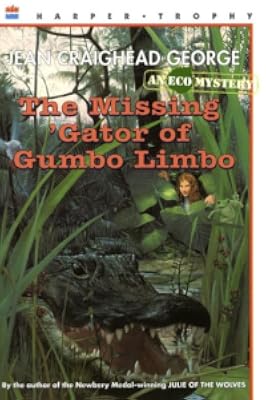
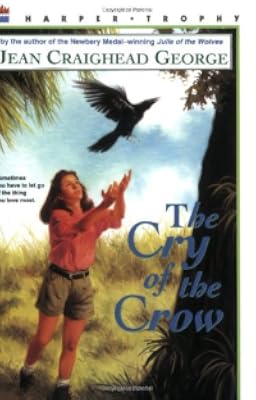
Sixth-grader Liza K., one of five homeless people living in an unspoiled forest in southern Florida, searches for a missing alligator destined for official extermination and studies the delicate ecological balance keeping her outdoor home beautiful.Tags
Recommendations









Member Recommendations

Member Reviews
Liza Poole and her mother live in a hidden treasure, a hammock deep inside the Florida Everglades. Her mother moved them there to escape an abusive father and husband, and they discovered a small community of homeless people who gently welcomed them. While her mother works full time and attends business school, Liza goes to the public school and embraces her nature wonderland.
She studies butterflies, knows about the wide variety of plant life, and loves the protector of her environment, which is a huge alligator the woods people named Dajun. Dajun cleans the Gumbo Limbo hole and scares away curious townspeople who might turn in the denizens of the hammock. So when a hunter shows up in her territory, looking to kill Dajun because show more residents of the nearby condos have complained and he is just too big, she is determined to protect the gator and her home. She has one problem: Dajun has disappeared. Now Liza has to find their alligator, protect her fellow woods people, and keep the hunter Travis away from everything. She has a helper in her friend James James, who is the unofficial leader of the woods people. Before the war, before he became a woodsman, James James studied wildlife biology and geology in college, and he taught Liza much of her outdoor knowledge. Together, they try to solve their ecological mystery of the missing gator, and protect their special home from outside invaders.
The story teaches readers so much scientific information about the special flora and fauna connected to this specific regions of the Everglades. Although the book proclaims itself a mystery, that genre merely serves as a vehicle for its agenda of teaching children to learn about and care for their environment. Nonetheless, the characters are complex, with believable and interesting back stories, which helps overcome the pedantic nature of the book. Most of the people in this book have suffered tragedies in their past, and they come together to find healing in their hammock. The author lovingly creates a setting that is almost another character, full of life and importance. Liza does do some sleuthing to find Dajun, which adds a little suspense to the story, but even more intriguing was watching her discover truths about her friends, the woods people, and watching the upward progression for her and her mother. The book ends with happy solutions for all of the major characters, including Dajun. A great story for budding naturalists, or to introduce children to ideas of conservation. Just be aware that the story is more science discovery than mystery. show less
She studies butterflies, knows about the wide variety of plant life, and loves the protector of her environment, which is a huge alligator the woods people named Dajun. Dajun cleans the Gumbo Limbo hole and scares away curious townspeople who might turn in the denizens of the hammock. So when a hunter shows up in her territory, looking to kill Dajun because show more residents of the nearby condos have complained and he is just too big, she is determined to protect the gator and her home. She has one problem: Dajun has disappeared. Now Liza has to find their alligator, protect her fellow woods people, and keep the hunter Travis away from everything. She has a helper in her friend James James, who is the unofficial leader of the woods people. Before the war, before he became a woodsman, James James studied wildlife biology and geology in college, and he taught Liza much of her outdoor knowledge. Together, they try to solve their ecological mystery of the missing gator, and protect their special home from outside invaders.
The story teaches readers so much scientific information about the special flora and fauna connected to this specific regions of the Everglades. Although the book proclaims itself a mystery, that genre merely serves as a vehicle for its agenda of teaching children to learn about and care for their environment. Nonetheless, the characters are complex, with believable and interesting back stories, which helps overcome the pedantic nature of the book. Most of the people in this book have suffered tragedies in their past, and they come together to find healing in their hammock. The author lovingly creates a setting that is almost another character, full of life and importance. Liza does do some sleuthing to find Dajun, which adds a little suspense to the story, but even more intriguing was watching her discover truths about her friends, the woods people, and watching the upward progression for her and her mother. The book ends with happy solutions for all of the major characters, including Dajun. A great story for budding naturalists, or to introduce children to ideas of conservation. Just be aware that the story is more science discovery than mystery. show less
This book has some really good themes including taking good care of God's creation and the environment illustrating how we can disrupt ecosystems, reasons people may be homeless, empathy for those who are homeless.
of note: once mentions rain falling 10,000 years ago, mentions briefly twice or so her memory of her father beating her, use of "heck" once.
-Mrs. Brenda
of note: once mentions rain falling 10,000 years ago, mentions briefly twice or so her memory of her father beating her, use of "heck" once.
-Mrs. Brenda
Griffin- good mystery but not quite or me.
From School Library Journal
Grade 5-7-- The brilliant beginning of this novel will put readers in eager anticipation. In a secluded part of the Florida Everglades live a homeless, abused mother who has escaped her husband's violence; her daughter, Liza; and a 12-foot alligator. A few other down-on-their-luck individuals also share this lovely, undisturbed ecological habitat--until the big, harmless gator named Dajun begins giving shivers to new condominium dwellers nearby. Thus, a government agent is sent to dispatch Dajun pronto; Liza and her wooded band hope to find him first to provide a hidden sanctuary. In the end, new beginnings emerge for all. Despite the knockout first chapters, the book's pace slows a bit in the middle. The show more find-the-alligator premise provides no actual sightings or near-misses until the end. The quiet clues that Liza uses to locate Dajun, however, will win over nature-loving readers as well as those whose fascination with the animal world is just beginning. As in Who Really Killed Cock Robin? (HarperCollins, 1991), George brings great authenticity and knowledge to her mystery settings. Although the story is not as strong as in The Talking Earth (HarperCollins, 1983), many readers will want to enter this Everglades adventure. --Amy Nunley, Toledo-Lucas County Public Library, OH
Copyright 1992 Reed Business Information, Inc. --This text refers to an out of print or unavailable edition of this title.
From Kirkus Reviews
The naturalist-novelist returns to the genre she invented in Who Really Killed Cock Robin? (1971) with a mystery incorporating a wealth of details about a threatened Florida habitat. Here, Liza K. and her mom--escaping abusive dad--live in a tent on an island- like hammock (a raised area with a unique habitat) in the Everglades. Nearby are other homeless, including ``James James,'' Vietnam vet and expert naturalist, as well as an oversized alligator, Dajun, endangered by a Pest Control official who's out to shoot him. Though nearby condos spew pollutants, Dajun's natural behavior keeps his pool clean. Aware of the hunter, Dajun hides; Liza K. and friends try to find him to lure him to safety. The natural history steals the show here, as George intended. Liza K.'s expertise on the functions of almost every bush, bird, and bug stretch credulity; still, a kid who is both gifted and dedicated can learn a lot, and she has a fine resource in James James. Few readers will absorb even a fraction of the information here, but the sense of an overall pattern is conveyed with enthusiasm, and they'll catch enough to understand how Liza K. finally figures out where Dajun is. The happy ending all around is pretty unrealistic (the hammock becomes a nature preserve, the vet its curator; the indigent are kindly taken care of; and Mom gets a better job), but it does make for an entertaining finish. George is a fine writer; and though the message is heavy-handed, it's one about which many young people are deeply concerned. (Fiction. 8-12) -- Copyright ©1992, Kirkus Associates, LP. All rights reserved. --This text refers to an out of print or unavailable edition of this title. show less
Grade 5-7-- The brilliant beginning of this novel will put readers in eager anticipation. In a secluded part of the Florida Everglades live a homeless, abused mother who has escaped her husband's violence; her daughter, Liza; and a 12-foot alligator. A few other down-on-their-luck individuals also share this lovely, undisturbed ecological habitat--until the big, harmless gator named Dajun begins giving shivers to new condominium dwellers nearby. Thus, a government agent is sent to dispatch Dajun pronto; Liza and her wooded band hope to find him first to provide a hidden sanctuary. In the end, new beginnings emerge for all. Despite the knockout first chapters, the book's pace slows a bit in the middle. The show more find-the-alligator premise provides no actual sightings or near-misses until the end. The quiet clues that Liza uses to locate Dajun, however, will win over nature-loving readers as well as those whose fascination with the animal world is just beginning. As in Who Really Killed Cock Robin? (HarperCollins, 1991), George brings great authenticity and knowledge to her mystery settings. Although the story is not as strong as in The Talking Earth (HarperCollins, 1983), many readers will want to enter this Everglades adventure. --Amy Nunley, Toledo-Lucas County Public Library, OH
Copyright 1992 Reed Business Information, Inc. --This text refers to an out of print or unavailable edition of this title.
From Kirkus Reviews
The naturalist-novelist returns to the genre she invented in Who Really Killed Cock Robin? (1971) with a mystery incorporating a wealth of details about a threatened Florida habitat. Here, Liza K. and her mom--escaping abusive dad--live in a tent on an island- like hammock (a raised area with a unique habitat) in the Everglades. Nearby are other homeless, including ``James James,'' Vietnam vet and expert naturalist, as well as an oversized alligator, Dajun, endangered by a Pest Control official who's out to shoot him. Though nearby condos spew pollutants, Dajun's natural behavior keeps his pool clean. Aware of the hunter, Dajun hides; Liza K. and friends try to find him to lure him to safety. The natural history steals the show here, as George intended. Liza K.'s expertise on the functions of almost every bush, bird, and bug stretch credulity; still, a kid who is both gifted and dedicated can learn a lot, and she has a fine resource in James James. Few readers will absorb even a fraction of the information here, but the sense of an overall pattern is conveyed with enthusiasm, and they'll catch enough to understand how Liza K. finally figures out where Dajun is. The happy ending all around is pretty unrealistic (the hammock becomes a nature preserve, the vet its curator; the indigent are kindly taken care of; and Mom gets a better job), but it does make for an entertaining finish. George is a fine writer; and though the message is heavy-handed, it's one about which many young people are deeply concerned. (Fiction. 8-12) -- Copyright ©1992, Kirkus Associates, LP. All rights reserved. --This text refers to an out of print or unavailable edition of this title. show less
Ratings
Members
- Recently Added By
Author Information

167+ Works 56,714 Members
Jean Craighead George was born on July 2, 1919 in Washington, D.C. She received degrees in English and science from Pennsylvania State University. She began her career as a reporter for the International News Service. In the 1940s she was a member of the White House press corps for The Washington Post. During her lifetime, she wrote over 100 show more novels including My Side of the Mountain, which was a 1960 Newbery Honor Book, On the Far Side of the Mountain, Julie of the Wolves, which won the Newbery Medal, Julie, and Julie's Wolf Pack. She also wrote two guides to cooking with wild foods and an autobiography entitled Journey Inward. In 1991, she became the first winner of the School Library Media Section of the New York Library Association's Knickerbocker Award for Juvenile Literature. She died on May 15, 2012 at the age of 92. (Bowker Author Biography) show less
Awards and Honors
Series

Common Knowledge
- Original publication date
- 1992
- Dedication
- To the memory of my father, Frank C. Craighead, Sr., who studied the role of the alligator in the Everglades ecology, and to my mother, Carolyn J. Craighead who, lively, alert, and busy at 101 years of age, takes her daily wa... (show all)lk past the wood's people's hammock to the great horned owl's nest.
- First words
- On a warm sun-spangled day, a reedy man in a tan cap walked into the woods.
- Last words
- (Click to show. Warning: May contain spoilers.)Mom would be coming for me soon.
Classifications
Statistics
- Members
- 465
- Popularity
- 65,702
- Reviews
- 4
- Rating
- (3.56)
- Languages
- English
- Media
- Paper
- ISBNs
- 10
- ASINs
- 3