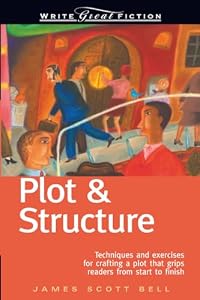
Plot & Structure
by James Scott Bell
On This Page
Description
Craft an Engaging PlotHow does plot influence story structure? What's the difference between plotting for commercial and literary fiction? How do you revise a plot or structure that's gone off course?
With Write Great Fiction: Plot & Structure, you'll discover the answers to these questions and more. Award-winning author James Scott Bell offers clear, concise information that will help you create a believable and memorable plot, including:
• Techniques for crafting strong show more beginnings, middles, and ends
• Easy-to-understand plotting diagrams and charts
• Brainstorming techniques for original plot ideas
• Thought-provoking exercises at the end of each chapter
• Story structure models and methods for all genres
• Tips and tools for correcting common plot problems
Filled with plot examples from popular novels, comprehensive checklists, and practical hands-on guidance, Write Great Fiction: Plot & Structure gives you the skills you need to approach plot and structure like an experienced pro. show less
Tags
Recommendations
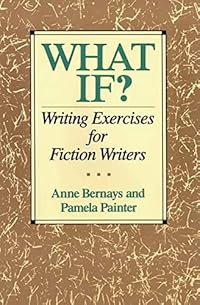
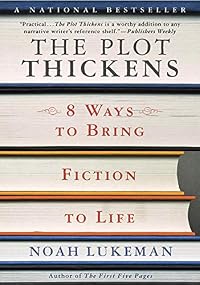
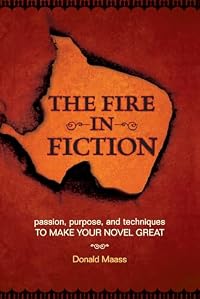
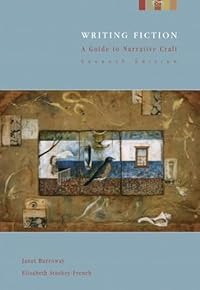
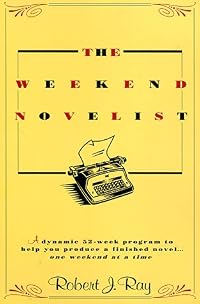
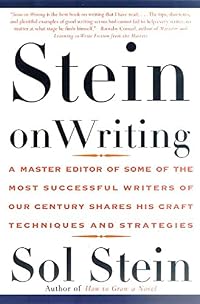
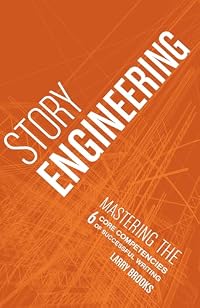
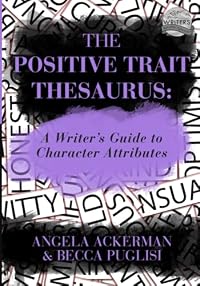
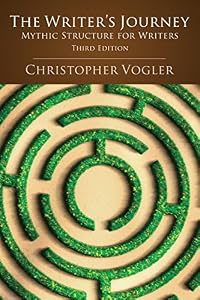

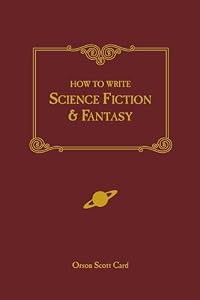
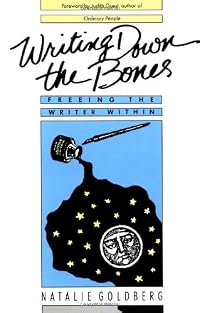
Member Recommendations
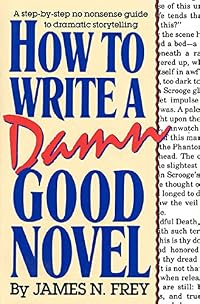
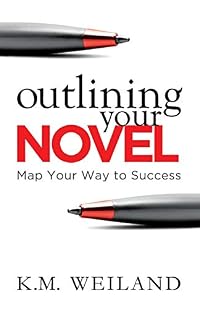
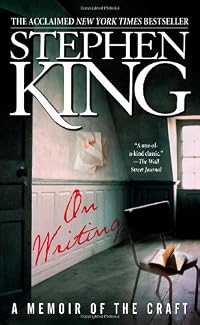
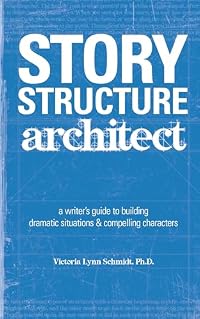
CKmtl While these two works touch on the same material, I find Bell's treatment slightly better.
Member Reviews
Bell’s book isn’t a mere taxonomy of various plots. No, Plot and Structure lays bare the mechanics of plot. This is a tinkerer’s book. Bell shows the distinction between inciting incident and plot point. He also explains, in a way that I now understand, the differences and connections between the acts in a three-act structure: I, II, and III. Lastly, Bell has some genuinely useful exercises for developing ideas about plots and characters. I’m being vague here because I have to be: Bell, a lawyer by trade, makes the reader sign, at the end of the book, an unusual Confidentiality and Non-Compete Agreement: one consents to the agreement, and is bound by it, simply by virtue of having only read it. The less said, the better.
Sometimes I hate myself and my need to finish reading anything I start, no matter how boring or how terrible it is. This book is the absolute worst example of this.
My experience with this book was akin to being told some mildly useful advice by someone you can’t stand, find painfully boring, and have trouble taking seriously. There is a lot of good, if basic, information here, but it’s a boring and sterile read that makes writing seem soulless and mechanical; and I find it hard to look past James Scott Bell’s taste in literature. Most of his examples are from James Patterson and Dean Koontz, both of whom Bell seems to have a huge thing for.
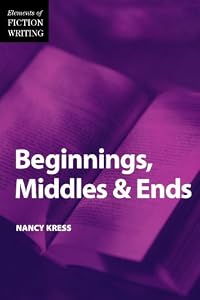
Perhaps there’s an argument to be made for the fact that both of them are best sellers, show more but you know who else is a best seller? Stephenie Meyer. Best seller does not a good writer make, and while I haven’t read enough of either author to say that what they write is garbage (even though it totally is), I think I can say that using them as examples of great writing, in a book about writing, was a questionable move at best. Anyone planning on reading this would be much better served by picking up Begnnings, Middles, & Ends by Nancy Kress. It essentially covers the same territory but, unlike this piece of trash, is one of the best books on writing that has ever been written.
So long James Scott Bell. I won’t be reading any more books by you. Especially since I did a little research and found out that, besides books about writing, literally all you write is crime thrillers full of Christian propaganda and I threw up in my mouth a little bit. I wish I could say it was fun while it lasted, but it was hell. show less
My experience with this book was akin to being told some mildly useful advice by someone you can’t stand, find painfully boring, and have trouble taking seriously. There is a lot of good, if basic, information here, but it’s a boring and sterile read that makes writing seem soulless and mechanical; and I find it hard to look past James Scott Bell’s taste in literature. Most of his examples are from James Patterson and Dean Koontz, both of whom Bell seems to have a huge thing for.
Perhaps there’s an argument to be made for the fact that both of them are best sellers, show more but you know who else is a best seller? Stephenie Meyer. Best seller does not a good writer make, and while I haven’t read enough of either author to say that what they write is garbage (even though it totally is), I think I can say that using them as examples of great writing, in a book about writing, was a questionable move at best. Anyone planning on reading this would be much better served by picking up Begnnings, Middles, & Ends by Nancy Kress. It essentially covers the same territory but, unlike this piece of trash, is one of the best books on writing that has ever been written.
So long James Scott Bell. I won’t be reading any more books by you. Especially since I did a little research and found out that, besides books about writing, literally all you write is crime thrillers full of Christian propaganda and I threw up in my mouth a little bit. I wish I could say it was fun while it lasted, but it was hell. show less
Excellent book to help you organize your narrative. Especially helpful in explaining why formulas work and how using a formula frees you to create something better.
Highly recommend to writers who struggle with how to structure their story for the best impact on readers. Best read after trying to write on your own for a while so you can see how to make your story better.
Highly recommend to writers who struggle with how to structure their story for the best impact on readers. Best read after trying to write on your own for a while so you can see how to make your story better.
Actual rating: 3.5 stars.
Bell has a warm, friendly tone and presents an organized collection of many helpful tools for analyzing, building, and revising plots. As someone who struggles with plot, I was grateful to have all the broad strokes outlined in a non-intimidating way in one place. There are many exercises (some which I don't imagine using, but many which I think I'll be glad to adopt), and I also love that Bell has an Appendix that lists all the bare bones out clearly.
If I didn't consider this book a rollicking good ride (which was not its purpose), it's certainly useful and I can imagine myself coming back to this again... especially because I do want to try more extensive outlining for one of my future novels. :)
Bell has a warm, friendly tone and presents an organized collection of many helpful tools for analyzing, building, and revising plots. As someone who struggles with plot, I was grateful to have all the broad strokes outlined in a non-intimidating way in one place. There are many exercises (some which I don't imagine using, but many which I think I'll be glad to adopt), and I also love that Bell has an Appendix that lists all the bare bones out clearly.
If I didn't consider this book a rollicking good ride (which was not its purpose), it's certainly useful and I can imagine myself coming back to this again... especially because I do want to try more extensive outlining for one of my future novels. :)
Highly recommended. Despite the fact I have three novels in print, I will never stop devouring how-to books. This is one of the best I've read on the subject of plotting a gripping novel, giving plenty of detail and examples.
Easy to get through with some exercises, charts, and tips I definitely plan on using. The info isn't really new, but it's always helpful to hear. I enjoyed it and took a few notes besides.
Beware any judgments the author makes on genres outside of mysteries and thrillers--they're not necessarily wrong, but very frequently a shallow understanding.
Beware any judgments the author makes on genres outside of mysteries and thrillers--they're not necessarily wrong, but very frequently a shallow understanding.
This book gave me the confidence to write. I studied it though, made notes and reread it. If you're serious about your writing do the same. It's written in a light-hearted, chatty manner that makes it easy to actually want to go back and read it. It's encouraging and not intimidating at all. The exercises are probably useful although I didn't do them so cannot comment. I preferred to apply the theory directly to my writings. A big thumbs up!
Members
- Recently Added By
Lists

The Great Courses: How to Write Best-Selling Fiction
36 works; 2 members
Author Information

113+ Works 7,221 Members
Series
Belongs to Publisher Series
Work Relationships
Common Knowledge
- Canonical title
- Plot & Structure
Classifications
- DDC/MDS
- 808.394 — Literature & rhetoric Literature, rhetoric & criticism Rhetoric and collections of literary texts from more than two literatures Rhetoric of fiction Fiction with specific elements Plot & structure in fiction
- LCC
- PN3378 .B45 — Language and Literature Literature (General) Literature (General) Prose. Prose fiction Technique. Authorship
- BISAC
Statistics
- Members
- 1,275
- Popularity
- 19,005
- Reviews
- 24
- Rating
- (3.92)
- Languages
- English, German
- Media
- Paper, Ebook
- ISBNs
- 3
- UPCs
- 1
- ASINs
- 5