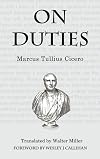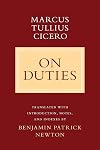
On Duties [in translation]
by Marcus Tullius Cicero
On This Page
Description
Benjamin Patrick Newton's translation of Cicero's On Duties is the most complete edition of a text that has been considered a source of moral authority throughout classical, medieval, and modern times. Marcus Tullius Cicero was a preeminent Roman statesman, orator, and philosopher who introduced philosophy into Rome, and through Rome, into Christendom and the modern world. On Duties was championed by important thinkers including Thomas Aquinas, Montesquieu, and Voltaire, and it was one of show more the earliest books printed on the Gutenberg press.The true significance of On Duties lies in its examination of several fundamental problems of political philosophy, the most important being the possible conflict between the honorable and the useful. The honorable encompasses the virtues of human beings, which include justice and concern for the common good. The useful refers to the needs of living beings, which includes certain necessities and concern for private good. Only by understanding the possible conflict between these two sides of human nature, Cicero declares, may we understand our duties to our community and to ourselves. This new edition of On Duties aims to provide readers who cannot read Latin but wish to study the book with a literal yet elegant translation. It features an introduction, outline, footnotes, interpretative essay, glossary, and indexes, making Cicero's thought accessible to a general audience. show lessTags
Recommendations













Member Reviews
It's interesting that I followed up the previous collection of Cicero's orations with this book. This work of Cicero's (originally titled De Officiis), really makes plain a lot of the sensibilities which I simply intuited from his orations. I mentioned in my last review that Cicero was very suspicious of people who sought to manipulate a populace in order to create a factious mob. This work illustrates his ideals with a lot of poignant quotes. I would like to share some of those because they are quite astute. First, a quote regarding the ambitions of tyrannical leaders:
“Now it is hard, when you covet pre-eminence, to maintain the equity which is the most essential property of justice. Hence it is that such men suffer themselves to be show more overcome neither in debate nor by any legal or constitutional hindrance, and in the state they, for the most part, employ bribery and intrigue that they may acquire the greatest influence possible, and may rise by force, rather than maintain equality with their fellow-citizens by justice.”
Later on the same page, he follows the previous idea up with this:
“A soul truly and wisely great regards the right to which the nature of man aspires as consisting in deeds, not in fame; it chooses to be chief rather than seem so. On the other hand, he who depends on the waywardness of the undiscerning multitude does not deserve to be reckoned among great men.”
It seems likely that Cicero saw these kinds of leaders as especially pernicious because of their ability to sway a population, and, seemingly, to weaponize them as a mob.
We have a tendency to think that Socialism/Communism is a relatively new philosophical/political movement that went as far back as the 19th century and no further, but, as Cicero proves, it is not a new idea at all. Even in his day, devious politicians gained power by promising people the property of those who were more well-to-do. Once again, this makes plain how suspicious Cicero was of leaders that sought to manipulate a gullible population. There are some really great quotes regarding this. Keep in mind that agrarianism was the ancient version of Socialism:
“He who administers the affairs of the state must take special care that every man be defended in the possession of what rightfully belongs to him, and that there be no encroachment on private property by public authority. Philippus, during his tribunate, when he proposed the agrarian law (which he readily suffered to be rejected, behaving in the matter with great moderation), while in defending the measure he said many things adapted to cajole the people, did mischief by the ill-meant statement that there were not in the city two thousand men that had any property. It was a criminal utterance, tending to an equal division of property, than which what more ruinous policy can there be?”
Following this up on another page, he says this:
“Those, therefore, who desire to be popular, and with that view either attempt agrarian measures, that the occupants of the public domains may be driven from their homes, or advocate the remission of debts, are undermining the foundations of the state, - in the first place, harmony, which cannot exist when money is taken from some and debts are canceled for others; in the next place, equity, which is utterly destroyed, if hindrances are laid in the way of men's keeping their property. For, as I said above, this belongs to the very idea of state and a city, that the protection of every man's property should be certain and not a subject of solicitude. Moreover, by measures thus ruinous to the state men do not gain the favor they anticipate. He from whom property is taken becomes their enemy.”
A good summation of Cicero's position is shown with this quote:
“From this kind of generosity, then, - the giving to some what is taken from others, - those who mean to be guardians of the state will refrain, and will especially bestow their efforts, that through the equity of the laws and of their administration every man may have his own property made secure, and that neither the poorer may be defrauded on account of their lowly condition, nor any odium may stand in the way of the rich in holding or recovering what belongs to them...”
Cicero also deals with what we today would often call pluralism (i.e. where everyone looks out for their own interests and those of their group):
“...this is the consummate reason and wisdom of a good citizen, not to create separate interests among those of the same state, but to hold all together by the same principles of equity.”
Clearly, Cicero understood that a society cannot function with divisive special interest groups. There must be cohesiveness in any functioning society. Equity is the cohesiveness that he specifically names. No such cohesiveness can be had when people are given special rights at the cost of others and when people look to gain the property belonging to others.
Nearer the end of the book, Cicero tackles the subject of expediency and whether it is different than what is right. There were philosophers prior to Cicero that had sought to make a distinction between the two, but Cicero was adamant that what is right is also expedient and what is expedient must be right. One can modernize the subject a little by noting that it is basically the same as the subject regarding the relationship between means and ends. There have been utilitarians that argued that the end justifies the means, but others have forcefully argued the reverse, that the means cannot be divorced from the ends - both must be equally blameless. Certainly, Cicero would be on the side of the latter position (so would I, btw).
I would say this is definitely an essential work of Cicero's. Along with the Republic, De Finibus, De Legibus and the Tusculan Disputations, this work provides the most detail regarding Cicero's ethical and political philosophy. Highly recommended. show less
“Now it is hard, when you covet pre-eminence, to maintain the equity which is the most essential property of justice. Hence it is that such men suffer themselves to be show more overcome neither in debate nor by any legal or constitutional hindrance, and in the state they, for the most part, employ bribery and intrigue that they may acquire the greatest influence possible, and may rise by force, rather than maintain equality with their fellow-citizens by justice.”
Later on the same page, he follows the previous idea up with this:
“A soul truly and wisely great regards the right to which the nature of man aspires as consisting in deeds, not in fame; it chooses to be chief rather than seem so. On the other hand, he who depends on the waywardness of the undiscerning multitude does not deserve to be reckoned among great men.”
It seems likely that Cicero saw these kinds of leaders as especially pernicious because of their ability to sway a population, and, seemingly, to weaponize them as a mob.
We have a tendency to think that Socialism/Communism is a relatively new philosophical/political movement that went as far back as the 19th century and no further, but, as Cicero proves, it is not a new idea at all. Even in his day, devious politicians gained power by promising people the property of those who were more well-to-do. Once again, this makes plain how suspicious Cicero was of leaders that sought to manipulate a gullible population. There are some really great quotes regarding this. Keep in mind that agrarianism was the ancient version of Socialism:
“He who administers the affairs of the state must take special care that every man be defended in the possession of what rightfully belongs to him, and that there be no encroachment on private property by public authority. Philippus, during his tribunate, when he proposed the agrarian law (which he readily suffered to be rejected, behaving in the matter with great moderation), while in defending the measure he said many things adapted to cajole the people, did mischief by the ill-meant statement that there were not in the city two thousand men that had any property. It was a criminal utterance, tending to an equal division of property, than which what more ruinous policy can there be?”
Following this up on another page, he says this:
“Those, therefore, who desire to be popular, and with that view either attempt agrarian measures, that the occupants of the public domains may be driven from their homes, or advocate the remission of debts, are undermining the foundations of the state, - in the first place, harmony, which cannot exist when money is taken from some and debts are canceled for others; in the next place, equity, which is utterly destroyed, if hindrances are laid in the way of men's keeping their property. For, as I said above, this belongs to the very idea of state and a city, that the protection of every man's property should be certain and not a subject of solicitude. Moreover, by measures thus ruinous to the state men do not gain the favor they anticipate. He from whom property is taken becomes their enemy.”
A good summation of Cicero's position is shown with this quote:
“From this kind of generosity, then, - the giving to some what is taken from others, - those who mean to be guardians of the state will refrain, and will especially bestow their efforts, that through the equity of the laws and of their administration every man may have his own property made secure, and that neither the poorer may be defrauded on account of their lowly condition, nor any odium may stand in the way of the rich in holding or recovering what belongs to them...”
Cicero also deals with what we today would often call pluralism (i.e. where everyone looks out for their own interests and those of their group):
“...this is the consummate reason and wisdom of a good citizen, not to create separate interests among those of the same state, but to hold all together by the same principles of equity.”
Clearly, Cicero understood that a society cannot function with divisive special interest groups. There must be cohesiveness in any functioning society. Equity is the cohesiveness that he specifically names. No such cohesiveness can be had when people are given special rights at the cost of others and when people look to gain the property belonging to others.
Nearer the end of the book, Cicero tackles the subject of expediency and whether it is different than what is right. There were philosophers prior to Cicero that had sought to make a distinction between the two, but Cicero was adamant that what is right is also expedient and what is expedient must be right. One can modernize the subject a little by noting that it is basically the same as the subject regarding the relationship between means and ends. There have been utilitarians that argued that the end justifies the means, but others have forcefully argued the reverse, that the means cannot be divorced from the ends - both must be equally blameless. Certainly, Cicero would be on the side of the latter position (so would I, btw).
I would say this is definitely an essential work of Cicero's. Along with the Republic, De Finibus, De Legibus and the Tusculan Disputations, this work provides the most detail regarding Cicero's ethical and political philosophy. Highly recommended. show less
Cicero's book is intelligent and charming, though his usual--how can I put this?--hatred of poor people does dull through the brilliance. But you shouldn't really need a goodreads review to convince you to read this book, which is tremendously important for the history of ideas Europe.
You might need a review to suggest a particular edition, and I heartily recommend this one. It's an ideal of its kind. Walsh's notes are full, relevant, and broad (they cover biography, history, and philosophy); his introduction is, too (they cover those three, as well as the book's later influence). The text reads well. Highly recommended.
You might need a review to suggest a particular edition, and I heartily recommend this one. It's an ideal of its kind. Walsh's notes are full, relevant, and broad (they cover biography, history, and philosophy); his introduction is, too (they cover those three, as well as the book's later influence). The text reads well. Highly recommended.
Having read other translations of Cicero, I have to say this one is incredibly wooden, too literal. Cicero is anything but boring, but an unimaginative translation has rendered him a corpse.
One of the earliest works on morality and many guiding principles of life. What immediately struck me as a reader was the fact that many of the things we think of today were on the minds of people thoudands of years in our past. The information will shock the advid liberal and purveyor of weak ethical principles. Must read!
SOBRE LOS DEBERES/ON THE DUTIES
“El que cortésmente enseña el camino a quien se ha extraviado,hace como el que enciende con su luz la de otro; después de habérsela encendido, no por eso la suya alumbrará menos”
(Ennio citado por Cicerón en “De Officiis”,Libro I, Cap. XVI)
1. Vida y personalidad
Se llamaba Marco Tulio Cicerón, y gracias a sus dotes innatas y a una esmerada educación, se convirtió en un hombre de estado. Como figura de prestigio, destacaba por mostrar cierta arrogancia y por una voz extensa de timbre agradable. Su ingenio singular, su talento y elocuencia, unido a un patriotismo sin igual, le convierten en un personaje destacado de la Roma clásica, pues no en vano, fue contemporáneo de Julio cesar y Marco show more Antonio.
Apasionado del estudio, en general, y de la Ciencia, en particular, destacaba por llevar una vida ordenada y sobria. Era amable en el trato, y fiel a sus amigos. Sus únicos defectos: una vanidad y anhelos de gloria que rebasaban lo correcto.
Como buen intelectual estaba convencido de que se podía dirigir a los hombres con la razón y la palabra.
Destacan en Cicerón, tres facetas: como orador (la fama se la debe a sus discursos), como político, y como escritor académico – filosófico ( aunque consideraba sus obras filosóficas, un fruto del ocio, en realidad, este fue su único consuelo). Escritos sobre retórica, filosófia, académicos, y morales. Dentro de éstos últimos, se encuentra su obra “De Officiis” (“los Deberes”), en la que se centra este trabajo.
2. “De officiis” (los deberes)
(A) La razón y la palabra
Cicerón explica que el hombre es superior a las bestias pues está iluminado por la razón, por eso, puede conocer las causas y efectos de los acontecimientos, investiga las diferencias y similitudes, enlaza presente pasado y futuro… todo aquello que los seres no pueden hacer sólo con el instinto. Esta razón le da al hombre un sentimiento de unidad hacía los otros hombres, pues comparte con ellos la capacidad de pensar. Sobre esto, dice Cicerón:
“El primer principio común a todo el género humano es la razón y el uso de la palabra o lenguaje. Estas dos facultades nos sirven para aprender, para enseñar, para dar a conocer nuestros pensamientos, para discurrir y para juzgar; ellas unen a los hombres entre sí en una sociedad, por decirlo así, natural.” (Libro I, Cap.XVI)
Es cierto que compartimos la razón. pero también tenemos algo peculiar, de cada uno: diferentes cualidades físicas y psíquicas, e infinidad de temperamentos y costumbres. Cada cual debe elegir el personaje que quiere representar. Hay que reflexionar detenidamente para ver que es lo que nos conviene más, para saber qué queremos ser.
Dice Cicerón:
“Conozca, pues, cada cual su propia manera de ser, y sopese con severa imparcialidad sus buenas y sus malas cualidades, a fin de que no se diga que los actores cómicos tienen más discernimiento que nosotros, pues ellos no se encargan de los papeles de mayor lucimiento, sino de aquellos que saben que se adpta mejor a sus aptitudes.” ( Libro I, Cap. XXXI show less
“El que cortésmente enseña el camino a quien se ha extraviado,hace como el que enciende con su luz la de otro; después de habérsela encendido, no por eso la suya alumbrará menos”
(Ennio citado por Cicerón en “De Officiis”,Libro I, Cap. XVI)
1. Vida y personalidad
Se llamaba Marco Tulio Cicerón, y gracias a sus dotes innatas y a una esmerada educación, se convirtió en un hombre de estado. Como figura de prestigio, destacaba por mostrar cierta arrogancia y por una voz extensa de timbre agradable. Su ingenio singular, su talento y elocuencia, unido a un patriotismo sin igual, le convierten en un personaje destacado de la Roma clásica, pues no en vano, fue contemporáneo de Julio cesar y Marco show more Antonio.
Apasionado del estudio, en general, y de la Ciencia, en particular, destacaba por llevar una vida ordenada y sobria. Era amable en el trato, y fiel a sus amigos. Sus únicos defectos: una vanidad y anhelos de gloria que rebasaban lo correcto.
Como buen intelectual estaba convencido de que se podía dirigir a los hombres con la razón y la palabra.
Destacan en Cicerón, tres facetas: como orador (la fama se la debe a sus discursos), como político, y como escritor académico – filosófico ( aunque consideraba sus obras filosóficas, un fruto del ocio, en realidad, este fue su único consuelo). Escritos sobre retórica, filosófia, académicos, y morales. Dentro de éstos últimos, se encuentra su obra “De Officiis” (“los Deberes”), en la que se centra este trabajo.
2. “De officiis” (los deberes)
(A) La razón y la palabra
Cicerón explica que el hombre es superior a las bestias pues está iluminado por la razón, por eso, puede conocer las causas y efectos de los acontecimientos, investiga las diferencias y similitudes, enlaza presente pasado y futuro… todo aquello que los seres no pueden hacer sólo con el instinto. Esta razón le da al hombre un sentimiento de unidad hacía los otros hombres, pues comparte con ellos la capacidad de pensar. Sobre esto, dice Cicerón:
“El primer principio común a todo el género humano es la razón y el uso de la palabra o lenguaje. Estas dos facultades nos sirven para aprender, para enseñar, para dar a conocer nuestros pensamientos, para discurrir y para juzgar; ellas unen a los hombres entre sí en una sociedad, por decirlo así, natural.” (Libro I, Cap.XVI)
Es cierto que compartimos la razón. pero también tenemos algo peculiar, de cada uno: diferentes cualidades físicas y psíquicas, e infinidad de temperamentos y costumbres. Cada cual debe elegir el personaje que quiere representar. Hay que reflexionar detenidamente para ver que es lo que nos conviene más, para saber qué queremos ser.
Dice Cicerón:
“Conozca, pues, cada cual su propia manera de ser, y sopese con severa imparcialidad sus buenas y sus malas cualidades, a fin de que no se diga que los actores cómicos tienen más discernimiento que nosotros, pues ellos no se encargan de los papeles de mayor lucimiento, sino de aquellos que saben que se adpta mejor a sus aptitudes.” ( Libro I, Cap. XXXI show less
Jan 20, 2018 (Edited)Spanish
Ratings
Members
- Recently Added By
Lists

Filosofía - Clásicos
217 works; 1 member

In Our Time books
4,934 works; 2 members
Author Information

2,148+ Works 26,707 Members
Born in Arpinum on January 3, 106 B.C., Marcus Tullius Cicero was a Roman orator, writer, and politician. In Rome, Cicero studied law, oratory, philosophy, and literature, before embarking on a political career. Banished from Rome in 59 B.C. for the execution of some members of the Catiline group, Cicero devoted himself to literature. Cicero was show more pardoned by Julius Caesar in 47 B.C., and returned to Rome to deliver his famous speeches, known as the "Philippics," urging the senate to declare war on Marc Antony. Cicero's chief works, written between 46 and 44 B.C., can be classified in the categories of philosophical works, letters, and speeches. The letters, edited by his secretary Tiro, showcase a unique writing style and charm. The most popular work of the period was De Officiis, a manual of ethics, in which Cicero espoused fundamental Christian values half a century before Christ. Cicero was murdered in Formiae, Italy, on December 4, 43 B.C., by Antony's soldiers after the triumvirate of Antony, Lepidus, and Octavius was formed. (Bowker Author Biography) show less
Some Editions
Awards and Honors
Notable Lists
Series
Belongs to Publisher Series
Work Relationships
Common Knowledge
- Canonical title
- On Duties [in translation]
- Original title
- De Officiis
- Disambiguation notice
- This contains Cicero's On the Offices/On Duty/On Obligations (De officiis libri tres) in translation. Do not combine with editions that contain a Latin text.
Classifications
- Genres
- Philosophy, Nonfiction, General Nonfiction, History
- DDC/MDS
- 171.2 — Philosophy & psychology Ethics Ethical systems Intuition - Moral sentiment
- LCC
- PA6296 .D5 — Language and Literature Greek language and literature. Latin language and literature Roman literature Individual authors Cicero, Marcus Tullius
- BISAC
Statistics
- Members
- 842
- Popularity
- 32,586
- Reviews
- 6
- Rating
- (3.58)
- Languages
- 14 — Catalan, Dutch, English, Estonian, Finnish, French, German, Italian, Latin, Norwegian (Bokmål), Portuguese, Russian, Spanish, Turkish
- Media
- Paper, Ebook
- ISBNs
- 44
- ASINs
- 9