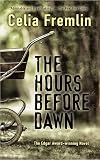
The Hours Before Dawn
by Celia Fremlin
On This Page
Description
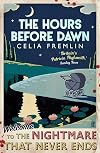
Edgar Award Winner for Best Novel "Highly intelligent entertainment, beautifully written with wit and humor." — Frances Fyfield "It grips like grim death." — The Spectator "Fremlin is a major mistress of insight and suspense." — The New York Times In this Edgar Award–winning thriller, a young housewife with two lively daughters and an endlessly crying baby battles domestic chaos as well as growing suspicions of the household's new lodger. Are Louise's fears the product of sleep show more deprivation, as her unsympathetic husband suggests, or is there really something sinister about the respectable-seeming schoolmistress? During the hours before dawn, Louise suspects, people with a precarious grip on sanity are likeliest to slip over the edge into madness — especially if there's someone ready to give them a push. Without spilling a drop of blood, this psychological thriller transforms everyday events and settings into the extraordinary, evoking an atmosphere of sheer terror. Crime novelist Andrew Taylor hailed author Celia Fremlin as "Britain's equivalent to Patricia Highsmith … her novels are domestic, subtle, penetrating — and quite horribly chilling.". show lessTags
Recommendations


























Member Reviews
My third Fremlin and what an interesting evolution to her usual domestic thriller. We are once again only privy to the protagonist's very limited perspective, exaggerated with great effect through the extreme haziness of a fatigued mother of a newborn. My two favourite scenes were the park stroll at dawn and the diary in the attic.
Yes, there's an intended villain embued with all the creepy and supernatural qualities one comes to expect from a Fremlin villain. However, it made me laugh that Fremlin felt the need to clarify this before the story (first published in '59) as even the audience of '88 can clearly see how terrible the husband is! Turns out even if she denies it, we all agree that the true villain is weaponised incompetence and show more not postpartum depression.
I rarely find resolutions in thrillers satisfying, but when the atmosphere as good as here, I'll be continuing my Fremlin streak. show less
Yes, there's an intended villain embued with all the creepy and supernatural qualities one comes to expect from a Fremlin villain. However, it made me laugh that Fremlin felt the need to clarify this before the story (first published in '59) as even the audience of '88 can clearly see how terrible the husband is! Turns out even if she denies it, we all agree that the true villain is weaponised incompetence and show more not postpartum depression.
I rarely find resolutions in thrillers satisfying, but when the atmosphere as good as here, I'll be continuing my Fremlin streak. show less
Louise is a midcentury British housewife struggling to deal with the sleepless nights caused by her baby's nighttime crying sessions. Needing additional income, she and her husband Mark decide to rent out the spare room to a teacher from the local girls' school. But Louise is worried by the new boarder's mysterious comings and goings, her apparent flirtation with Mark, and her excessive interest in their baby. Is Louise right to be suspicious, or is she merely losing her grip on reality from lack of sleep?
This book is a predecessor of the domestic thrillers with unreliable female narrators that are so popular today. It's very well-written and the suspense is handled adroitly and kept me turning the pages. Louise is a sympathetic show more character whose unreliability comes not from ulterior motives but simply from the amount of stress she is under. Because of the book's age, however, the thrills will probably seem pretty tame to thriller readers of today.
The reason to read this book today is not so much the plot but the harrowing description of Louise's life as a housewife and mother before the days of labor-saving machines like dishwashers and dryers and before the concept of shared parenting duties. Louise's husband screams at her to "Shut that baby up!" when their son's crying wakes him at night, and he thinks nothing of coming home unannounced in the middle of the day and demanding an appetizing cooked hot lunch that his wife is expected to provide, in addition to the lunch she gives their two daughters when they come home from school. Laundry is a task that takes days; the children are considered to be exclusively the wife's responsibility -- so much so that at one point on an outing, the husband gets annoyed and goes home, leaving his wife with the three children. And how does Louise react to this treatment? She feels sorry for him for having to put up with her subpar housewife skills. If you have ever wondered why a book like The Feminine Mystique was a necessary revelation for so many women in the 1960s, read this book and you'll get it. show less
This book is a predecessor of the domestic thrillers with unreliable female narrators that are so popular today. It's very well-written and the suspense is handled adroitly and kept me turning the pages. Louise is a sympathetic show more character whose unreliability comes not from ulterior motives but simply from the amount of stress she is under. Because of the book's age, however, the thrills will probably seem pretty tame to thriller readers of today.
The reason to read this book today is not so much the plot but the harrowing description of Louise's life as a housewife and mother before the days of labor-saving machines like dishwashers and dryers and before the concept of shared parenting duties. Louise's husband screams at her to "Shut that baby up!" when their son's crying wakes him at night, and he thinks nothing of coming home unannounced in the middle of the day and demanding an appetizing cooked hot lunch that his wife is expected to provide, in addition to the lunch she gives their two daughters when they come home from school. Laundry is a task that takes days; the children are considered to be exclusively the wife's responsibility -- so much so that at one point on an outing, the husband gets annoyed and goes home, leaving his wife with the three children. And how does Louise react to this treatment? She feels sorry for him for having to put up with her subpar housewife skills. If you have ever wondered why a book like The Feminine Mystique was a necessary revelation for so many women in the 1960s, read this book and you'll get it. show less
In The Hours Before Dawn, author Celia Fremlin uses the clever idea of a mother’s sleep deprivation to built her story upon. Louise Henderson has a very full plate indeed. Caring for three children, one a baby that cries incessantly every night between 2:00 am and dawn, dealing with a husband that expects a quiet nights sleep and a well run house, and now taking on a lodger to help stretch the budget. Is this lack of sleep causing Louise to be psychotic, or is there something seriously wrong here. Why does she have such apprehension toward the lodger, who appears to be a respectable schoolteacher?
Originally published in 1959, this Edgar Award winning novel is a real page turner. The author builds her suspense slowly, a slight show more movement out of the corner of the eye, the sound of footsteps in the hall, an intercepted malicious gaze. Is there really something wrong here or is the mother driving herself crazy. As the dazed Louise struggles to understand what is happening to her family, the chills and overall creepiness builds to a exciting conclusion.
The Hours Before Dawn was a tidy thriller that also gives great insight in what it was like to be a homemaker in the 1950’s.. Although an older book I thought this was a very fresh idea. The author did a great job of plotting out a storyline that many parents can identify with. show less
Originally published in 1959, this Edgar Award winning novel is a real page turner. The author builds her suspense slowly, a slight show more movement out of the corner of the eye, the sound of footsteps in the hall, an intercepted malicious gaze. Is there really something wrong here or is the mother driving herself crazy. As the dazed Louise struggles to understand what is happening to her family, the chills and overall creepiness builds to a exciting conclusion.
The Hours Before Dawn was a tidy thriller that also gives great insight in what it was like to be a homemaker in the 1950’s.. Although an older book I thought this was a very fresh idea. The author did a great job of plotting out a storyline that many parents can identify with. show less
The back cover of Celia Fremlin's The Hours Before Dawn identifies it as a 1975 Edgar-winning thriller. I would put it more in the horror category. There were times I was so horrified I wanted to throw the book across the room. And I would bet that Fremlin would have appreciated the gesture.
Louise Henderson is a young woman with three children living in the 1950's. She has absolutely no support system and is almost literally dead on her feet. (There is a scene where her husband calls her a half-wit because she's falling asleep as she is leaning against the fireplace and not paying attention to what he is saying.) I found her life to be so appalling that I would have applauded if she walked out the door and never returned.
The power of show more this novel comes, not from the outside threat which seemed far-fetched and even silly to me , but from Fremlin's relentless depiction of Louise's life. Louisa's husband is the type whose responsibility ends with supporting his family. When he walks in the door he expects to be served, entertained, or left alone. Not once in the novel does he pay attention any of his children and it doesn't seem to register that, for once, he could get up and try to quiet a screaming infant so his wife might get some sleep. He chids her for not getting his suit to the cleaners; for not cooking interesting meals; for pressing his shirts badly and not being quick enough to replace buttons. She doesn't keep the house clean to his satisfaction (or hers, actually) and she is not a scintillating conversationalist. In one incident, at a fair, he deliberately separates himself from his family because the children are such an annoyance. He just goes home, leaving his wife to cope.
Every adult in Louise's life either uses her or ridicules her. The progressive mom who believes in allowing children free expression, takes advantage of Louise's inability to say "no" by dumping her kids at Louise's house for hours, but finds excuses not to babysit when Louise has an emergency. Louise's best friend pities her and gossips about her to old school chums. Her mother-in-law refuses to have anything to do with her grandchildren because she has raised her family and has no intention of going through that again. The neighbor next door is ready to call the police because the little girls make so much noise during the day and the baby screams half the night. Even the nurse says that her screaming child senses her anxiety and if she would just relax the kid will sleep through the night.
I found her children unappealing. The girls are six and eight and have difficulty dressing themselves, use the kitchen floor as their closet and don't seem to grasp the concept of putting anything away. Louise has told them, to no avail, that they shouldn't have a picnic right in front of the kitchen door where someone could step into their food . The baby has his days and nights mixed up and screams from 10PM to midnight and from 2AM to dawn if Louise doesn't pick him up and rock him for hours.
One forgets how hard housework was in the 1950's. Louise has to boil the laundry, wring it dry, hang it outside and keep a watchful eye on the sky to make sure it doesn't rain. Often, she ends up watching her sheets blow in a rainstorm. She has to structure her day around cooking three full meals.; a hot breakfast; a lunch for the children and a hot meal if her husband decides to come home; and many times two dinners, one for the children and one later for Mark. She can't keep up with the overflowing ash trays (wouldn't dawn on Mark to empty them), dirty floors, stacks of ironing, paper art projects underfoot, food-stained sheets etc.etc.etc.
Yet the wonder is that Louise loves all these individuals. Her husband who is just being a man of the 50's; her little girls who cuddle her even as they exasperate her; her baby who looks like an angel when he is sleeping. She even likes her mother-in-law, the silly school friend, and the assorted neighbors. If she could only get some rest, she believes she would be worthy of all of them.
The end of the novel, with the threat that makes this novel a thriller resolved, Louise and her family are safe. But is she? Nothing will have changed in her life. She will still be a drudge, unable to find time to read a book or get her hair done; her husband will still think he is a good family man if he is a good provider; her children will continue to walk lovingly all over her.
Maybe she'll check Germaine Greer out of the library in thirteen years..... show less
Louise Henderson is a young woman with three children living in the 1950's. She has absolutely no support system and is almost literally dead on her feet. (There is a scene where her husband calls her a half-wit because she's falling asleep as she is leaning against the fireplace and not paying attention to what he is saying.) I found her life to be so appalling that I would have applauded if she walked out the door and never returned.
The power of show more this novel comes, not from the outside threat which seemed far-fetched and even silly to me , but from Fremlin's relentless depiction of Louise's life. Louisa's husband is the type whose responsibility ends with supporting his family. When he walks in the door he expects to be served, entertained, or left alone. Not once in the novel does he pay attention any of his children and it doesn't seem to register that, for once, he could get up and try to quiet a screaming infant so his wife might get some sleep. He chids her for not getting his suit to the cleaners; for not cooking interesting meals; for pressing his shirts badly and not being quick enough to replace buttons. She doesn't keep the house clean to his satisfaction (or hers, actually) and she is not a scintillating conversationalist. In one incident, at a fair, he deliberately separates himself from his family because the children are such an annoyance. He just goes home, leaving his wife to cope.
Every adult in Louise's life either uses her or ridicules her. The progressive mom who believes in allowing children free expression, takes advantage of Louise's inability to say "no" by dumping her kids at Louise's house for hours, but finds excuses not to babysit when Louise has an emergency. Louise's best friend pities her and gossips about her to old school chums. Her mother-in-law refuses to have anything to do with her grandchildren because she has raised her family and has no intention of going through that again. The neighbor next door is ready to call the police because the little girls make so much noise during the day and the baby screams half the night. Even the nurse says that her screaming child senses her anxiety and if she would just relax the kid will sleep through the night.
I found her children unappealing. The girls are six and eight and have difficulty dressing themselves, use the kitchen floor as their closet and don't seem to grasp the concept of putting anything away. Louise has told them, to no avail, that they shouldn't have a picnic right in front of the kitchen door where someone could step into their food . The baby has his days and nights mixed up and screams from 10PM to midnight and from 2AM to dawn if Louise doesn't pick him up and rock him for hours.
One forgets how hard housework was in the 1950's. Louise has to boil the laundry, wring it dry, hang it outside and keep a watchful eye on the sky to make sure it doesn't rain. Often, she ends up watching her sheets blow in a rainstorm. She has to structure her day around cooking three full meals.; a hot breakfast; a lunch for the children and a hot meal if her husband decides to come home; and many times two dinners, one for the children and one later for Mark. She can't keep up with the overflowing ash trays (wouldn't dawn on Mark to empty them), dirty floors, stacks of ironing, paper art projects underfoot, food-stained sheets etc.etc.etc.
Yet the wonder is that Louise loves all these individuals. Her husband who is just being a man of the 50's; her little girls who cuddle her even as they exasperate her; her baby who looks like an angel when he is sleeping. She even likes her mother-in-law, the silly school friend, and the assorted neighbors. If she could only get some rest, she believes she would be worthy of all of them.
The end of the novel, with the threat that makes this novel a thriller resolved, Louise and her family are safe. But is she? Nothing will have changed in her life. She will still be a drudge, unable to find time to read a book or get her hair done; her husband will still think he is a good family man if he is a good provider; her children will continue to walk lovingly all over her.
Maybe she'll check Germaine Greer out of the library in thirteen years..... show less
An early relative of Gone Girl and The Girl on the Train, a domestic drama with an unreliable narrator (well, she's reliable, but she's so sleep-deprived that she gets confused), and a wonderful sense of lurking danger without being sure what might be coming and who might be the cause.
The author does a wonderful job of capturing the sensation of just-barely-coping with a baby who won't sleep--I'll never forget that--and is worth reading for that alone. It's beautifully written, she's a marvelous writer.
If you're expecting an action-packed thrill ride, this is not the book. Aside from a few moments of high drama, not that much happens. But it's still a page-turner!
(Note: 5 stars = amazing, wonderful, 4 = very good book, 3 = decent read, show more 2 = disappointing, 1 = awful, just awful. I'm fairly good at picking for myself so end up with a lot of 4s). show less
The author does a wonderful job of capturing the sensation of just-barely-coping with a baby who won't sleep--I'll never forget that--and is worth reading for that alone. It's beautifully written, she's a marvelous writer.
If you're expecting an action-packed thrill ride, this is not the book. Aside from a few moments of high drama, not that much happens. But it's still a page-turner!
(Note: 5 stars = amazing, wonderful, 4 = very good book, 3 = decent read, show more 2 = disappointing, 1 = awful, just awful. I'm fairly good at picking for myself so end up with a lot of 4s). show less
Louise a put upon housewife with 3 siblings lives in middle class splendour with a husband unable or unwilling to help by taking joint responsibility for the day to day management of a busy household. This is a novel of its time set in late 1950's England when it was supposedly expected for the man of the house to be the bread winner and his wife to attend not only to a busy daily routine but also a demanding sibling schedule and a lazy needy husband.
Into this chaos steps Miss Brandon her role as housekeeper to alleviate the stress that colours every waking moment. It soon becomes apparent that Miss Brandon has a hidden agenda and may not be quite as charming or helpful as she appears on first blush. This is an enjoyable, forgotten show more (until recently) suburban tale that it could be argued paves the way for the deluge of psychological thrillers that now confronts a sometimes confused reader on a daily basis. Will Miss Brandon reveal her true self? Will the husband finally accept his parental responsibility and by so doing allow Louise to embrace the only thing that she really wants.....a good nights sleep! show less
Into this chaos steps Miss Brandon her role as housekeeper to alleviate the stress that colours every waking moment. It soon becomes apparent that Miss Brandon has a hidden agenda and may not be quite as charming or helpful as she appears on first blush. This is an enjoyable, forgotten show more (until recently) suburban tale that it could be argued paves the way for the deluge of psychological thrillers that now confronts a sometimes confused reader on a daily basis. Will Miss Brandon reveal her true self? Will the husband finally accept his parental responsibility and by so doing allow Louise to embrace the only thing that she really wants.....a good nights sleep! show less
My mother had this book in her collection in the 1960s. I read it then and thought it so very good I have looked for it ever since. Last week I found it at Uncle Edgar's Bookshop in south Minneapolis. It really is as thrilling a read as I remembered! Today it is a bit dated because Louise, the main character, is the traditional 1950s housewife, but you can still identify with her and with the buildup of tension and then fear in the novel.
Members
- Recently Added By
Lists

Anthony Boucher's Best Crime Fiction of the Year
115 works; 5 members

Favourite Virago Modern Classics
183 works; 38 members

Edgar Award
418 works; 15 members

Books Read in 2018
4,360 works; 110 members
Talk Discussions
Past Discussions
Scary novel or story ('70's era) about a nanny in Name that Book (February 2017)
Author Information

31+ Works 1,189 Members
Some Editions
Awards and Honors
Awards
Distinctions
Notable Lists
Series
Belongs to Publisher Series
Common Knowledge
- Canonical title*
- Die Stunden vor Morgengrauen
- Original title
- The Hours Before Dawn
- Original publication date
- 1958
- People/Characters
- Louise Henderson
- Related movies
- The US Steel Hour: The Hours Before Dawn (1959 | TV episode | IMDb); Alfred Hitchcock Hour: The Lonely Hours (1963 | TV episode | IMDb); Die Stunden vor dem Morgengrauen (1997 | IMDb)
- First words
- 'I'd give anything--anything--for a night's sleep.'
- Last words
- (Click to show. Warning: May contain spoilers.)It was for a man's Fairisle pullover, with a wonderful, intricate pattern, in the finest of fine wool.
- Original language
- English
- Canonical DDC/MDS
- 823.914
- Canonical LCC
- PR6056.R45
- Disambiguation notice*
- 'De geheimzinnige huurster' and 'Het raadsel van de blauwe koffer' are both Dutch titles for 'The hours before dawn'.
*Some information comes from Common Knowledge in other languages. Click "Edit" for more information.
Classifications
Statistics
- Members
- 314
- Popularity
- 101,373
- Reviews
- 11
- Rating
- (3.64)
- Languages
- 7 — Dutch, English, Finnish, French, German, Spanish, Swedish
- Media
- Paper, Audiobook, Ebook
- ISBNs
- 22
- UPCs
- 1
- ASINs
- 10