On This Page
Description
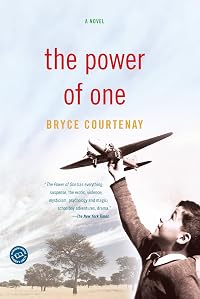
First with your head and then with your heart ...So says Hoppie Groenewald, boxing champion, to a seven-year-old boy who dreams of being the welterweight champion of the world. For the young Peekay, its a piece of advice he will carry with him throughout his life. Born in a South Africa divided by racism and hatred, this one small boy will come to lead all the tribes of Africa. Through enduring friendships with Hymie and Gideon, Peekay gains the strength he needs to win out. And in a final show more conflict with his childhood enemy, the Judge, Peekay will fight to the death for justice. show lessTags
Recommendations


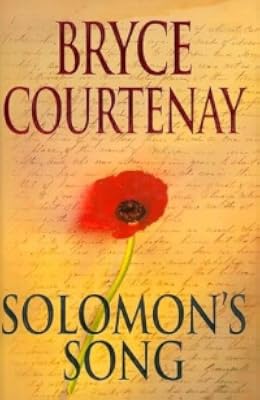
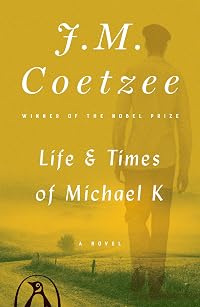

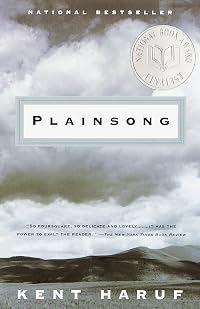
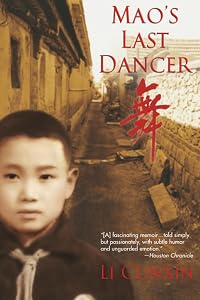
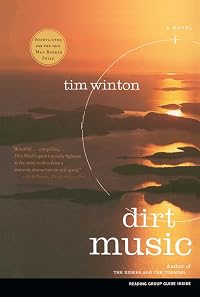
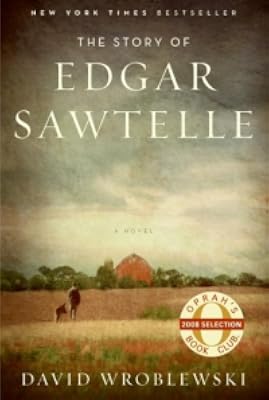
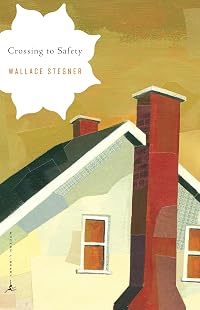
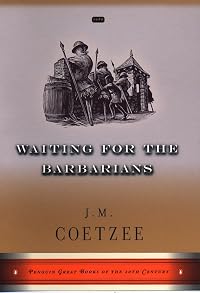
Member Recommendations
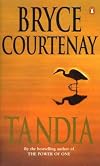
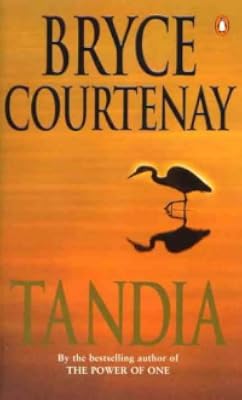
daniellekrista This is the sequel to The Power of One. While P of O is my favorite book(I have read/listened to it nearly 10 times), Tandia is deeper and darker. This book follows Peekay on his boxing journey and shows the real hate of apartheid in South Africa.
21

mcenroeucsb Semi-comic coming of age story
Member Reviews
I first picked up this book by chance really. One of my older brother's teachers had assigned it for summer reading, and I happened to pick it up one day and started reading. And while I was young at the time (12 or 13sh), I immediately fell in love with this book.
For those unfamiliar with the book, it tells the tale of Peekay, a young English boy in a Boer South Africa. While suffering a brutal childhood at the hands of his classmates, he soon encounters the sport of boxing and becomes hooked for life. As he strives towards the goal of becoming boxing champion of the world, he encounters a multitude of teachers, from a German Pianist, to a Black Boxing coach to a Russian miner.
To be quite honest, this book is simply beautiful. The show more images of Africa are simply stunning and the lessons that Peekay learns are universal. 'First with the heart, and then with the head' becomes the mantra of our young hero. He learns lessons on racism, endurance and perhaps most importantly, self-respect. Though he is tortured by his fellow classmates and mercilessly picked on, he endures none the less, and in the end, turns out better for it.
While this book definitely deals with some more adult themes, I recommend this book to all ages, including those making the awkward transition into the teen years. It deals with the issues that will become more predominate as life goes on, including dealing with your fears and of never, ever giving up on your dream, no matter how hard life seems.
The fact of the matter is, this is without a doubt a modern classic. Its imagery stunning, its themes eternally relevant. This is much more than a boxing book, it is a masterpiece. show less
For those unfamiliar with the book, it tells the tale of Peekay, a young English boy in a Boer South Africa. While suffering a brutal childhood at the hands of his classmates, he soon encounters the sport of boxing and becomes hooked for life. As he strives towards the goal of becoming boxing champion of the world, he encounters a multitude of teachers, from a German Pianist, to a Black Boxing coach to a Russian miner.
To be quite honest, this book is simply beautiful. The show more images of Africa are simply stunning and the lessons that Peekay learns are universal. 'First with the heart, and then with the head' becomes the mantra of our young hero. He learns lessons on racism, endurance and perhaps most importantly, self-respect. Though he is tortured by his fellow classmates and mercilessly picked on, he endures none the less, and in the end, turns out better for it.
While this book definitely deals with some more adult themes, I recommend this book to all ages, including those making the awkward transition into the teen years. It deals with the issues that will become more predominate as life goes on, including dealing with your fears and of never, ever giving up on your dream, no matter how hard life seems.
The fact of the matter is, this is without a doubt a modern classic. Its imagery stunning, its themes eternally relevant. This is much more than a boxing book, it is a masterpiece. show less
Audible audiobook performed by Humphrey Bower
How had I never heard of this book before? A challenge to travel the world combined with a challenge to read a book that “made-me-cry” brought this one to my attention, and am I ever glad it did!
Courtenay’s autobiographical novel tells the story of a small boy sent to boarding school because his mother has had a nervous breakdown. He’s bullied and terrorized, but learns how to get along with the help of a pet chicken and a native medicine man. Peekay (a nicer version of the nickname the bullies christen him with) is an intelligent, bookish kid and his reading ability helps him advance in school far beyond his chronological age. Just when he figures he’s gotten the hang of this show more boarding school, he’s advised that he’s leaving for a new home.
A six-year-old on a several-days-long train journey is pretty vulnerable, but the porter, conductor and other railway employees take Peekay under their wing. This is where he learns about boxing and sets a goal for himself that he pursues relentlessly.
I’m not the writer Courtenay is, so can’t really do justice to the plot of this coming-of-age story. But the writing grabbed me from page one and I was sorry to see it end. Peekay has more than his share of difficulties and tragedies befall many of the people he comes to love and rely on. He’s a great kid and I was cheering for Peekay throughout. And while I’m no fan of boxing, I even enjoyed the lessons on strategy and technique.
Humphrey Bower does a great job of performing the audiobook. He really brings the characters to life, though I did have some difficulties understanding the accent at times. show less
How had I never heard of this book before? A challenge to travel the world combined with a challenge to read a book that “made-me-cry” brought this one to my attention, and am I ever glad it did!
Courtenay’s autobiographical novel tells the story of a small boy sent to boarding school because his mother has had a nervous breakdown. He’s bullied and terrorized, but learns how to get along with the help of a pet chicken and a native medicine man. Peekay (a nicer version of the nickname the bullies christen him with) is an intelligent, bookish kid and his reading ability helps him advance in school far beyond his chronological age. Just when he figures he’s gotten the hang of this show more boarding school, he’s advised that he’s leaving for a new home.
A six-year-old on a several-days-long train journey is pretty vulnerable, but the porter, conductor and other railway employees take Peekay under their wing. This is where he learns about boxing and sets a goal for himself that he pursues relentlessly.
I’m not the writer Courtenay is, so can’t really do justice to the plot of this coming-of-age story. But the writing grabbed me from page one and I was sorry to see it end. Peekay has more than his share of difficulties and tragedies befall many of the people he comes to love and rely on. He’s a great kid and I was cheering for Peekay throughout. And while I’m no fan of boxing, I even enjoyed the lessons on strategy and technique.
Humphrey Bower does a great job of performing the audiobook. He really brings the characters to life, though I did have some difficulties understanding the accent at times. show less
A virtually ignored, friendless English child suffers abuse at the hands of bullying Boers yet inspires a nation of African slaves to unite as one. Peekay's battles with adversity only strengthen him as do his friendhsips with 2 men- one black, one white- and lead to his success as a championship boxer. Heartbreaking lonliness, devestating loss, unlikely bonds and sheer spirit drive this truly inspiring tale that ends with an act of satisfying revenge for those of us seeking justice. Perhaps one of the only novels that has moved me to tears, I daresay "The Power of One" leaves some better people than they were before reading it. It is riveting, powerful, and Courtenay writes with a simple profundity that hits you where it counts...the show more heart. show less
The power of one was based on the courage to remain separate, to think through to the truth, and not to be beguiled by convention or the plausible arguments of those who expect to maintain power.
I love when I fall in love with a book that appears to be about a subject I don’t generally feel any enthusiasm for. In this case, that would be boxing. I watched a man named Kid Paret beaten senseless in a televised fight in 1962. He died a few days later. My father loved watching the fights, and we watched them frequently, but that is the only one I can remember in any detail. I remember my daddy saying “The ref needs to call this, he is killing him” and then the strange feeling that told me that was true. All of which is a roundabout show more way of saying I had reservations when I realized boxing was about to play a major part in this book’s plot.
Like so many books in which sports figure, this book isn’t about the sport at all. It is about the shaping of a boy. If you only view boxing as a “fight”, this book will give you some insight into why boxers are willing to take that beating or give it.
In teaching me independence of thought, they had given me the greatest gift an adult can give to a child besides love, and they had given me that also.
Peekay is an English South African, a child in the days just before World War II, and part of a country divided into the English, the Boers, and the black Africans. Peekay, because of circumstances, finds himself intimately involved with each of these groups, and with a marvelous German professor, known as Doc. And, because of this, the book becomes a story about racial injustice, overcoming adversity when the deck is stacked against you, finding your own place in the world, and having the power of one.
As Doc had pointed out, mystery, not logic, is what gives us hope and keeps us believing in a force greater than our own insignificance.
A reference that brought to mind perhaps my favorite book of all time, made me smile, when Peekay says, “Look, Doc, it’s like Merlin’s altar in the crystal cave!” I laughed and said to myself, this is really a book written for me.
There are moments of brilliance in this novel. It is a timely read, for much of it is about the bridges that can be built between races and the importance of recognizing individuals for who they are and for the wonder each of them brings to our lives.
Is this a good book? In the words of Doc, “Absoloodle!”
A huge thank you to Bob, who has once again opened a new world for me in the pages of a great book. show less
I love when I fall in love with a book that appears to be about a subject I don’t generally feel any enthusiasm for. In this case, that would be boxing. I watched a man named Kid Paret beaten senseless in a televised fight in 1962. He died a few days later. My father loved watching the fights, and we watched them frequently, but that is the only one I can remember in any detail. I remember my daddy saying “The ref needs to call this, he is killing him” and then the strange feeling that told me that was true. All of which is a roundabout show more way of saying I had reservations when I realized boxing was about to play a major part in this book’s plot.
Like so many books in which sports figure, this book isn’t about the sport at all. It is about the shaping of a boy. If you only view boxing as a “fight”, this book will give you some insight into why boxers are willing to take that beating or give it.
In teaching me independence of thought, they had given me the greatest gift an adult can give to a child besides love, and they had given me that also.
Peekay is an English South African, a child in the days just before World War II, and part of a country divided into the English, the Boers, and the black Africans. Peekay, because of circumstances, finds himself intimately involved with each of these groups, and with a marvelous German professor, known as Doc. And, because of this, the book becomes a story about racial injustice, overcoming adversity when the deck is stacked against you, finding your own place in the world, and having the power of one.
As Doc had pointed out, mystery, not logic, is what gives us hope and keeps us believing in a force greater than our own insignificance.
A reference that brought to mind perhaps my favorite book of all time, made me smile, when Peekay says, “Look, Doc, it’s like Merlin’s altar in the crystal cave!” I laughed and said to myself, this is really a book written for me.
There are moments of brilliance in this novel. It is a timely read, for much of it is about the bridges that can be built between races and the importance of recognizing individuals for who they are and for the wonder each of them brings to our lives.
Is this a good book? In the words of Doc, “Absoloodle!”
A huge thank you to Bob, who has once again opened a new world for me in the pages of a great book. show less
*4.5 Stars*
// 100 pages to still read
I don't know when I'll have time to finish the last hundred pages, but for now, it's a strong 4.5. I loved Peekay as the main character and the emotional range Mr. Courtney gave him; I don't think we see enough male characters with such a knack for caring and loving. I also really enjoyed how school-boy adventure it felt, and how it all almost seemed to have a happy ending– we just don't get a lot of those in everyday life and I'm a sucker for it. The multitude of parental figures Peekay has as well was really cool to see instead of the typical trope of adults constantly letting down kids we seem to see so much in teen literature, and I just liked how positive the book's message was in all show more accounts. Having had my own tough childhood I like to think my past experiences have helped me grow for the better instead of hurting me in the long run. It's only shy of 5 stars because I found it a bit long winded at times (3 pages dedicated to describing the land where cacti grow), and I'm not a particularly fast reader so the hours just seemed to pile up. Still good and I still recommend; I learned a lot about the South African cultural climate as well as the power of one ;;;) show less
// 100 pages to still read
I don't know when I'll have time to finish the last hundred pages, but for now, it's a strong 4.5. I loved Peekay as the main character and the emotional range Mr. Courtney gave him; I don't think we see enough male characters with such a knack for caring and loving. I also really enjoyed how school-boy adventure it felt, and how it all almost seemed to have a happy ending– we just don't get a lot of those in everyday life and I'm a sucker for it. The multitude of parental figures Peekay has as well was really cool to see instead of the typical trope of adults constantly letting down kids we seem to see so much in teen literature, and I just liked how positive the book's message was in all show more accounts. Having had my own tough childhood I like to think my past experiences have helped me grow for the better instead of hurting me in the long run. It's only shy of 5 stars because I found it a bit long winded at times (3 pages dedicated to describing the land where cacti grow), and I'm not a particularly fast reader so the hours just seemed to pile up. Still good and I still recommend; I learned a lot about the South African cultural climate as well as the power of one ;;;) show less
Normally I refrain from writing long reviews, but this wonderful book offers so much to readers, that I must indulge. It is a broad sweeping book about rural South Africa, set in the late 1930s and 1940s prior to apartheid. It imparts a real sense of this exotic country and the friction between its diverse peoples: Dutch Afrikaners, native Boers, a host of black tribes, and the English.
The protagonist Peekay is an only child, sent to boarding school at age 5 when his mother is institutionalized. He is picked on mercilessly because he is youngest and English, and misses his black nanny. His nickname is Pisskop (pisshead) as he wets his bed. Peekay's only friend is a rebellious chicken. Things take a change for the better, when he is show more sent by train to his grandfather's distant home. He is adopted by conductor, Hoppie Groenewald, who cares for him and teaches one of this book's life lessons: "first with the head, and then with the heart." Hoppie is an amateur boxer, and uses his prodigious skills to beat a much larger opponent at the end of the first leg of Peekay's train journey. Peekay immediately develops a deep passion for boxing and decides he wants to become the welterweight champ of the world. Arriving at his grandfather’s home, Peekay is devastated by the disappearance of his nanny and subjected to his mother's religious fervor. Once again, Peekay is rescued by a mentor, Professor Karl von Vollensteen (a/k/a Doc),whom he meets on a distant mountaintop. Doc too, adopts Peekay, and teaches him about botany, especially cacti, piano, Africa, and of course, life. As a German, Doc becomes jailed as a possible spy, but becomes a popular figure in the local prison, with inmates, guards, and the Commandant. Meanwhile, Peekay visits Doc regularly, and eventually convinces the staff to allow him to train as a boxer. The downtrodden criminal, Geel Piet, teaches Peekay how to box and they develop a symbiotic relationship, as Peekay smuggles tobacco into the prison. Peekay and the local town librarian also start a postal service for the mostly black inmates. Peekay's open-minded acceptance of others, accords him a mythical status with the African people in the prison and community, and he becomes revered as the "Tadpole Angel", creating a large following as his boxing career advances.
Eventually, Peekay earns a scholarship and it sent to an exclusive prep school, where he meets his next good friend and mentor, a wealthy Jew named Morrie. Equally brilliant, the two develop businesses together, which allow them to afford getting Peekay trained at an elite boxing school. Peekay continues his unblemished record in the ring, eventually agreeing to fight a rising black champion, who has just turned professional, even though this is not legal and theoretically, a mismatch. And yet, there is great drama as this fighter's name is familiar to Peekay, he is a descendent of a tribal chief, and the legend of the Tadpole Angel is placed at risk. Peekay is a highly popular student and athlete, joining the elite leadership of the prep school, but he continues to work for the people, opening a school to teach local blacks to read and write, drawing the ire of the local white police. Morrie is accepted to Oxford, and Peekay does not win the coveted Rhodes Scholarship that would allow them to stay together. Instead, Peekay decides to take a grueling, dangerous job in the mines to build his strength and body mass. Once again, Peekay befriends a loner, in this case a huge Russian, who barely speaks English. Peekay's productivity makes him the envy of all, but he stays too long in this job, leading to disaster. My only complaint is that despite the final physical confrontation in the mine bar, with a lifelong foe, we don't know if Peekay achieves his life-long ambition so now I need to read the 900-page sequel. Given author Courtenay's gift for storytelling, I do not expect this will be too much of a chore. show less
The protagonist Peekay is an only child, sent to boarding school at age 5 when his mother is institutionalized. He is picked on mercilessly because he is youngest and English, and misses his black nanny. His nickname is Pisskop (pisshead) as he wets his bed. Peekay's only friend is a rebellious chicken. Things take a change for the better, when he is show more sent by train to his grandfather's distant home. He is adopted by conductor, Hoppie Groenewald, who cares for him and teaches one of this book's life lessons: "first with the head, and then with the heart." Hoppie is an amateur boxer, and uses his prodigious skills to beat a much larger opponent at the end of the first leg of Peekay's train journey. Peekay immediately develops a deep passion for boxing and decides he wants to become the welterweight champ of the world. Arriving at his grandfather’s home, Peekay is devastated by the disappearance of his nanny and subjected to his mother's religious fervor. Once again, Peekay is rescued by a mentor, Professor Karl von Vollensteen (a/k/a Doc),whom he meets on a distant mountaintop. Doc too, adopts Peekay, and teaches him about botany, especially cacti, piano, Africa, and of course, life. As a German, Doc becomes jailed as a possible spy, but becomes a popular figure in the local prison, with inmates, guards, and the Commandant. Meanwhile, Peekay visits Doc regularly, and eventually convinces the staff to allow him to train as a boxer. The downtrodden criminal, Geel Piet, teaches Peekay how to box and they develop a symbiotic relationship, as Peekay smuggles tobacco into the prison. Peekay and the local town librarian also start a postal service for the mostly black inmates. Peekay's open-minded acceptance of others, accords him a mythical status with the African people in the prison and community, and he becomes revered as the "Tadpole Angel", creating a large following as his boxing career advances.
Eventually, Peekay earns a scholarship and it sent to an exclusive prep school, where he meets his next good friend and mentor, a wealthy Jew named Morrie. Equally brilliant, the two develop businesses together, which allow them to afford getting Peekay trained at an elite boxing school. Peekay continues his unblemished record in the ring, eventually agreeing to fight a rising black champion, who has just turned professional, even though this is not legal and theoretically, a mismatch. And yet, there is great drama as this fighter's name is familiar to Peekay, he is a descendent of a tribal chief, and the legend of the Tadpole Angel is placed at risk. Peekay is a highly popular student and athlete, joining the elite leadership of the prep school, but he continues to work for the people, opening a school to teach local blacks to read and write, drawing the ire of the local white police. Morrie is accepted to Oxford, and Peekay does not win the coveted Rhodes Scholarship that would allow them to stay together. Instead, Peekay decides to take a grueling, dangerous job in the mines to build his strength and body mass. Once again, Peekay befriends a loner, in this case a huge Russian, who barely speaks English. Peekay's productivity makes him the envy of all, but he stays too long in this job, leading to disaster. My only complaint is that despite the final physical confrontation in the mine bar, with a lifelong foe, we don't know if Peekay achieves his life-long ambition so now I need to read the 900-page sequel. Given author Courtenay's gift for storytelling, I do not expect this will be too much of a chore. show less
"First with the head, then with the heart, you'll be ahead from the start."
Set in South Africa between 1939 to 1951 this novel traces the adventures of Peekay, an English-speaking South African boy, from age five to age seventeen. After his mother suffers from a nervous breakdown, the five-year-old Peekay is sent to an Afrikaans boarding school, where he is brutally tortured by the other boys with constant stream of verbal and physical abuse. In particular they call him "rooinek" (redneck), a term used for Englishmen during the Boer War. Peekay gets very little protection either from the school administrators, in fact Mevrou, the Afrikaans woman who runs the boarding school, is just as brutal, prefers to hand out canings with her show more "sjambok" rather sympathy.
Despite the constant beatings and humiliations Peekay excels at school, but has learnt that surviving the system means that he must hide his brilliance, to take on a camouflage so as not to stand out from the crowd. However, after a while Peekay realises that the Judge is struggling with his own homework and offers to help him with it. This allows the Judge to pass his exams but doesn't diminish his hatred for Peekay.
At the end of the school year Mevrou informs Peekay that his family has moved to the town of Barberton and that he must take the train alone to join them. On the train to there, Peekay meets Hoppie Groenewald, boxing champion of the railways. Hoppie invites the boy to watch him box a man called Jackhammer Smit at a stop along the way. Despite Hoppie being much smaller than his opponent he wins the fight, making Peekay realise that it is possible to can stand up to bigger foes whilst also instilling in him the dream of becoming welterweight champion of the world along with the mantra-"First with the head, then with the heart".
Once at Barberton, Peekay meets an old German music professor, Karl von Vollensteen, who introduces himself as Doc. Because of his nationality Doc is imprisoned in the town's prison but Peekay is still allowed to visits him for music lessons. Whilst there Peekay joins the prison boxing squad where Peekay is coached by a Cape colored man, Geel Piet. Peekay quickly develops into an outstanding boxer and becomes a legend amongst black South Africans. One night Geel Piet is murdered by a warder.
At the end of WWII ends Doc is released from prison and Peekay wins a scholarship to the prestigious Prince of Wales school in Johannesburg.
Book Two of the novel describes Peekay's experiences at the Prince of Wales school where he becomes a stranger to failure, excelling at boxing and academics, until he fails to win a scholarship to attend Oxford University. After this failure Peekay to move to Northern Rhodesia (present-day Zimbabwe) to work in one of the copper mines there to earn enough money to pay his way through three years at Oxford.
Book Three features his time in the dangerous mines where he forms a close friendship with a Russian miner, Rasputin, who eventually saves Peekay during a mining catastrophe. But, before leaving the mines, he discovers that he has been working for his old nemesis, Jaapie Botha (the Judge). Peekay fights and knocks out Botha carving the letters "PK" into the latter's arm.
Given the time span of this novel apartheid is obviously a major factor in this story but despite it's abhorrent nature it is never tackled directly. Rather like the rise in National Socialism in pre-war Germany it just seems to slowly seep into the national psyche. Apartheid itself was never an official Government term but rather politician's in South Africa disguised it within what appeared outwardly benign legislation and many of the people didn't really realise what was happening until it was far too late. This sort of thing can even be seen today in countries across the world. Slowly curtail free speech, free press and protest is curtailed under the guise of protecting national security, in the creep in popularity of populist parties and politicians, so the public must be mindful of their own civil liberties. Equally we must also remember that Peekay is still only seventeen at the end of this novel so despite his precocious intelligence is not yet worldly wise.
As such I think that there is a certainly naivety in the author's writing style which I'm unsure was intended or not, it is after all the author's first novel. However, it is also touching and humorous at times whilst the action rolls along at a good pace. As such I found this a thoroughly enjoyable read and am now off to tackle it's sequel Tandia. show less
Set in South Africa between 1939 to 1951 this novel traces the adventures of Peekay, an English-speaking South African boy, from age five to age seventeen. After his mother suffers from a nervous breakdown, the five-year-old Peekay is sent to an Afrikaans boarding school, where he is brutally tortured by the other boys with constant stream of verbal and physical abuse. In particular they call him "rooinek" (redneck), a term used for Englishmen during the Boer War. Peekay gets very little protection either from the school administrators, in fact Mevrou, the Afrikaans woman who runs the boarding school, is just as brutal, prefers to hand out canings with her show more "sjambok" rather sympathy.
Despite the constant beatings and humiliations Peekay excels at school, but has learnt that surviving the system means that he must hide his brilliance, to take on a camouflage so as not to stand out from the crowd. However, after a while Peekay realises that the Judge is struggling with his own homework and offers to help him with it. This allows the Judge to pass his exams but doesn't diminish his hatred for Peekay.
At the end of the school year Mevrou informs Peekay that his family has moved to the town of Barberton and that he must take the train alone to join them. On the train to there, Peekay meets Hoppie Groenewald, boxing champion of the railways. Hoppie invites the boy to watch him box a man called Jackhammer Smit at a stop along the way. Despite Hoppie being much smaller than his opponent he wins the fight, making Peekay realise that it is possible to can stand up to bigger foes whilst also instilling in him the dream of becoming welterweight champion of the world along with the mantra-"First with the head, then with the heart".
Once at Barberton, Peekay meets an old German music professor, Karl von Vollensteen, who introduces himself as Doc. Because of his nationality Doc is imprisoned in the town's prison but Peekay is still allowed to visits him for music lessons. Whilst there Peekay joins the prison boxing squad where Peekay is coached by a Cape colored man, Geel Piet. Peekay quickly develops into an outstanding boxer and becomes a legend amongst black South Africans. One night Geel Piet is murdered by a warder.
At the end of WWII ends Doc is released from prison and Peekay wins a scholarship to the prestigious Prince of Wales school in Johannesburg.
Book Two of the novel describes Peekay's experiences at the Prince of Wales school where he becomes a stranger to failure, excelling at boxing and academics, until he fails to win a scholarship to attend Oxford University. After this failure Peekay to move to Northern Rhodesia (present-day Zimbabwe) to work in one of the copper mines there to earn enough money to pay his way through three years at Oxford.
Book Three features his time in the dangerous mines where he forms a close friendship with a Russian miner, Rasputin, who eventually saves Peekay during a mining catastrophe. But, before leaving the mines, he discovers that he has been working for his old nemesis, Jaapie Botha (the Judge). Peekay fights and knocks out Botha carving the letters "PK" into the latter's arm.
Given the time span of this novel apartheid is obviously a major factor in this story but despite it's abhorrent nature it is never tackled directly. Rather like the rise in National Socialism in pre-war Germany it just seems to slowly seep into the national psyche. Apartheid itself was never an official Government term but rather politician's in South Africa disguised it within what appeared outwardly benign legislation and many of the people didn't really realise what was happening until it was far too late. This sort of thing can even be seen today in countries across the world. Slowly curtail free speech, free press and protest is curtailed under the guise of protecting national security, in the creep in popularity of populist parties and politicians, so the public must be mindful of their own civil liberties. Equally we must also remember that Peekay is still only seventeen at the end of this novel so despite his precocious intelligence is not yet worldly wise.
As such I think that there is a certainly naivety in the author's writing style which I'm unsure was intended or not, it is after all the author's first novel. However, it is also touching and humorous at times whilst the action rolls along at a good pace. As such I found this a thoroughly enjoyable read and am now off to tackle it's sequel Tandia. show less
Members
- Recently Added By
Lists

Favorite Coming of Age Novels.
164 works; 51 members

BBC Big Read
191 works; 46 members
Historical Fiction
889 works; 91 members

Blue Pyramid 1,276 Best Books of All Time
1,248 works; 32 members

Booktopia's 50 Must Read Australian Novels
50 works; 5 members

Africa
109 works; 8 members

Books With Numbers in the Title
308 works; 13 members

SantaThing 2014 Gifts
299 works; 17 members

Books Read in 2021
5,361 works; 113 members

AP Lit
363 works; 6 members

Our Favorite Comfort Reads
334 works; 200 members
Author Information

46+ Works 14,382 Members
Bryce Courtenay was born in Johannesburg, South Africa on August 14, 1933. He studied journalism in London and then settled in Australia in 1958. Instead of becoming a journalist, he went into advertising and became a successful creative director. He won most of the local and international advertising awards and a gold medal for Best Documentary show more at the 1984 New York Film Festival. He started writing after he turned 50. His first novel, The Power of One, was adapted into a 1992 film starring Morgan Freeman and Stephen Dorff. His other novels include Jessica, The Potato Factory, Tommo and Hawk, Solomon's Song, Tandia, and Jack of Diamonds. In 1993, he wrote the non-fiction book April Fool's Day, which is a personal account of the death of his son Damon after he contracted AIDs from a routine blood transfusion. Courtenay died of stomach cancer on November 22, 2012 at the age of 79. (Bowker Author Biography) show less
Awards and Honors
Awards
Notable Lists
Series

Work Relationships
Is contained in
Has the adaptation
Is abridged in
Has as a student's study guide
Common Knowledge
- Canonical title
- The Power of One
- Original title
- The Power of One
- Original publication date
- 1989
- People/Characters
- Peekay; Adolf Hitler; Hymie; Professor Karl von Vollensteen "Doc"; Geel Piet; Hoppie Groenewald
- Important places
- South Africa
- Related movies
- The Power of One (1992 | IMDb)
- First words
- This is what happened.
- Quotations
- Man is a romantic at heart and will always put aside dull, plodding reason for the excitement of an enigma. As Doc had pointed out, mystery not logic, is what gives us hope and keeps us believing in a force greater than our... (show all) own insignificance.
- Last words
- (Click to show. Warning: May contain spoilers.)Cool, clear water bubbled over them, streams in the desert.
Classifications
Statistics
- Members
- 5,154
- Popularity
- 2,672
- Reviews
- 117
- Rating
- (4.26)
- Languages
- 12 — Chinese, Czech, Danish, Dutch, English, Finnish, French, German, Italian, Slovak, Spanish, Swedish
- Media
- Paper, Audiobook, Ebook
- ISBNs
- 100
- UPCs
- 4
- ASINs
- 13