When Things of the Spirit Come First
by Simone de Beauvoir
On This Page
Description
The stories in this wonderful book are all tied together through their characters and makes this collection an interesting and enjoyable read. Many thoughts of the woman protagonists mirror some of my own as they struggle with men, faith, education, family and their own insecurities. --Steph Peters at Amazon.com.Tags
Recommendations






























Member Reviews
Such well-written selfish, pretentious, immature characters, their youthful naivety and faith so cringingly well-captured.
Having read Memoirs of a Dutiful Daughter and knowing this was written earlier in Beauvoir's life, I was afraid that the exuberant youthful romanticising was being held up as a worthy pursuit. Instead, I was rewarded with five interlinking tales about the social mores and standards that society imposes on young women while it allows young men to frame all their inconsiderate behaviours as some philosophical exercise,Pascal is an arsehole . And it turns out that the immaturity and self-deceiving snobbishness of the protagonists, even Chantal, were actually quite touching and charming in their idealism.
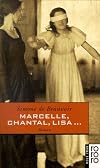
Aside: I love show more that dress on the cover, a painting by Gwen John. Highish neck, long sleeves, waist tie, loose skirt, I bet it has pockets too, mmm. show less
Having read Memoirs of a Dutiful Daughter and knowing this was written earlier in Beauvoir's life, I was afraid that the exuberant youthful romanticising was being held up as a worthy pursuit. Instead, I was rewarded with five interlinking tales about the social mores and standards that society imposes on young women while it allows young men to frame all their inconsiderate behaviours as some philosophical exercise,
Aside: I love show more that dress on the cover, a painting by Gwen John. Highish neck, long sleeves, waist tie, loose skirt, I bet it has pockets too, mmm. show less
"Anne, ou quand prime le spirituel", voilà, het is de titel die Simone de Beauvoir gaf aan haar eersteling, een compilatie van vijf relatief korte novelles. Het geschrevene dateert van 1937-1938, maar werd pas in 1979 gepubliceerd. Ze ontpopt zich in deze novelles meteen tot een existentialiste "avant-la-lettre", die de lezer aanmoedigt om de "éthique d'urgence" van het hartsverstand te omhelzen in de diverse vrouwenportretten die ze hem voorlegt. De portretten getuigen van een scherp psychologisch inzicht en een bijwijlen meesterlijke sfeerschepping.
Voor de Beauvoir was het vooral een afrekening met het bekrompen vooroorlogse Franse katholicisme. In de vijf novelles legt ze evenzoveel problematische aspecten bloot van het enge dat show more een verkeerd begrepen godsdienstigheid doet veranderen in een samenraapsel van waanideeën en illusies. Fijntjes en zeker niet bruusk schetst ze ons bepaalde burgerlijke milieus die nog dwepen met een zekere zelfpijniging, een verkeerd begrepen spiritualiteit. Het zweemt een beetje naar wat de ziekelijke Theresia van Lisieux zocht in haar queeste naar het hogere. In onze eeuw is deze kijk op het dolorisme gelukkig bijna helemaal gedateerd.
Simone de Beauvoir schrijft goed. Vier van de vijf novelles vond ik zelfs bijzonder knap om lezen. Ik vermoed sterk dat ze dit boek schreef in een hunkering naar een betere wereld, een wereld wars van burgerlijke hypocrisie, seksuele krampachtigheid en het maatschappelijke 'normen- en waarden - debat'. In die tijd was dat beslist méér dan een statement, misschien was het zelfs wel een sprong in de diepte. show less
Voor de Beauvoir was het vooral een afrekening met het bekrompen vooroorlogse Franse katholicisme. In de vijf novelles legt ze evenzoveel problematische aspecten bloot van het enge dat show more een verkeerd begrepen godsdienstigheid doet veranderen in een samenraapsel van waanideeën en illusies. Fijntjes en zeker niet bruusk schetst ze ons bepaalde burgerlijke milieus die nog dwepen met een zekere zelfpijniging, een verkeerd begrepen spiritualiteit. Het zweemt een beetje naar wat de ziekelijke Theresia van Lisieux zocht in haar queeste naar het hogere. In onze eeuw is deze kijk op het dolorisme gelukkig bijna helemaal gedateerd.
Simone de Beauvoir schrijft goed. Vier van de vijf novelles vond ik zelfs bijzonder knap om lezen. Ik vermoed sterk dat ze dit boek schreef in een hunkering naar een betere wereld, een wereld wars van burgerlijke hypocrisie, seksuele krampachtigheid en het maatschappelijke 'normen- en waarden - debat'. In die tijd was dat beslist méér dan een statement, misschien was het zelfs wel een sprong in de diepte. show less
Feb 4, 2008 (Edited)Dutch
Met kramp in de ziel is het romandebuut van Simone de
Beauvoir. Het is geen roman in de strikte zin. Het boek
bestaat uit een aantal korte verhalen, schetsen en
dagboekbladen, elk met een andere vrouw als hoofd-figuur.Maar de hoofdfiguur uit het ene verhaal, speelt een bijrol in de andere, zodat er toch een bepaalde samenhang ontstaat. Belangrijker dan de vorm evenwel is de inhoud. In Met kramp in de ziel analyseert de dertigjarige Simone de Beauvoir de rampzalige invloed die de, door kerk en burgerlijk milieu eensgezind uitdragen nadruk op alleen het geestelijk leven, juist op meisjes en vrouwen heeft. Angst voor het eigen lichaam, schuldgevoelens die genot en genoegens blokkeren, frustraties tot zelfmoord toe, zijn het resultaat van show more een opvoeding die de belangrijkste instincten en drijfveren van de mens gladweg ontkent. Veel van de belangrijke thema’s uit het latere werk van De Beauvoir zijn in dit debuut reeds als kiemcel aanwezig. Juist daarom completeert deze late publicatie van dit vroege werk het oeuvre van Simone de Beauvoir op een unieke wijze. show less
Beauvoir. Het is geen roman in de strikte zin. Het boek
bestaat uit een aantal korte verhalen, schetsen en
dagboekbladen, elk met een andere vrouw als hoofd-figuur.Maar de hoofdfiguur uit het ene verhaal, speelt een bijrol in de andere, zodat er toch een bepaalde samenhang ontstaat. Belangrijker dan de vorm evenwel is de inhoud. In Met kramp in de ziel analyseert de dertigjarige Simone de Beauvoir de rampzalige invloed die de, door kerk en burgerlijk milieu eensgezind uitdragen nadruk op alleen het geestelijk leven, juist op meisjes en vrouwen heeft. Angst voor het eigen lichaam, schuldgevoelens die genot en genoegens blokkeren, frustraties tot zelfmoord toe, zijn het resultaat van show more een opvoeding die de belangrijkste instincten en drijfveren van de mens gladweg ontkent. Veel van de belangrijke thema’s uit het latere werk van De Beauvoir zijn in dit debuut reeds als kiemcel aanwezig. Juist daarom completeert deze late publicatie van dit vroege werk het oeuvre van Simone de Beauvoir op een unieke wijze. show less
Dec 10, 2007Dutch
Ratings
Members
- Recently Added By
Author Information

247+ Works 29,016 Members
Simone de Beauvoir, 1908 - 1986 Simone de Beauvoir was born January 9, 1908 in Paris, France to a respected bourgeois family. Her father was a lawyer, her mother a housewife, and together they raised two daughters to be intelligent, inquisitive individuals. de Beauvoir attended the elementary school Cours Desir in 1913, then L'Institute Sainte show more Nary under the tutelage of Robert Garric, followed by the Institute Catholique in Paris, before finally attending the Sorbonne, where she graduated from in 1929. It was there that she met the man who would become her life long friend and companion, John Paul Sartre, who contributed to her philosophy of life. She is perhaps best know for her novel entitled "The Second Sex", which describes the ideal that women are an indescribable "other", something "made, not born", and a declaration of feminine independence. After graduating from the Sorbonne, de Beauvoir went on to teach Latin at Lycee Victor Duruy, philosophy at a school in Marseilles, and a few other teaching positions before coming to teach at the Sorbonne. During the course of her twelve years of teaching, from 1931 to 1943, de Beauvoir developed the basis for her philosophical thought. She used her formal philosophy background to also comment on feminism and existentialism. Her personal philosophy was that freedom of choice is man's utmost gift of value. Acts of goodness make one more free, acts of evil decrease that selfsame freedom. In 1945, de Beauvoir and Sartre founded and edited Le Temps Modernes, a monthly review of philosophical thought and trends. In 1943, with the money she had earned from teaching, de Beauvoir turned her full attention to writing, producing first "L'Envitee", then "Pyrrhus et Cineas" in 1944. In 1948, she wrote perhaps her most famous philosophical work, "The Ethics of Ambiguity". "The Second Sex", regarded by many as the seminal work in the field of feminism, is her most famous work. Other works include "The Coming of Age", which addresses society's condemnation of old age, the award winning novel "The Mandarins", "A Very Easy Death", about the death of her mother and a four part biography. In "The Woman Destroyed", a collection of two long stories and one short novel, de Beauvoir discusses middle age. One of her last novels was in the form of a diary recording; it told of the slow death of her life-long compatriot, Jean Paul Sartre. On April 14, 1986, Simone de Beauvoir, one of the mothers of feminism, passed away in her home in Paris. (Bowker Author Biography) show less
Some Editions
Series
Belongs to Publisher Series
Common Knowledge
- Canonical title*
- Quand prime le spirituel
- Original title
- Quand prime le spirituel
- Original publication date
- 1979
*Some information comes from Common Knowledge in other languages. Click "Edit" for more information.
Classifications
Statistics
- Members
- 402
- Popularity
- 77,537
- Reviews
- 3
- Rating
- (3.61)
- Languages
- 9 — Dutch, English, Finnish, French, German, Greek, Italian, Portuguese, Spanish
- Media
- Paper
- ISBNs
- 19
- ASINs
- 6