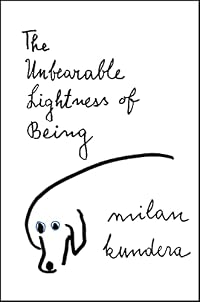
The Unbearable Lightness of Being
by Milan Kundera
On This Page
Description
When The Unbearable Lightness of Being was first published in English, it was named one of the best books of 1984 by the New York Times Book Review. It went on to win the Los Angeles Times Book Prize for Fiction and quickly became an international bestseller. Twenty years later, the novel has established itself as a modern classic. To commemorate the anniversary of its first English-language publication, HarperCollins is proud to offer a special hardcover edition. A young woman in love with show more a man torn between his love for her and his incorrigible womanizing; one of his mistresses and her humbly faithful lover -- these are the two couples whose story is told in this masterful novel. Controlled by day, Tereza's jealousy awakens by night, transformed into ineffably sad death-dreams, while Tomas, a successful surgeon, alternates loving devotion to the dependent Tereza with the ardent pursuit of other women. Sabina, an independent, free-spirited artist, lives her life as a series of betrayals -- of parents, husband, country, love itself -- whereas her lover, the intellectual Franz, loses all because of his earnest goodness and fidelity. In a world in which lives are shaped by irrevocable choices and by fortuitous events, a world in which everything occurs but once, existence seems to lose its substance, its weight. Hence we feel, says the novelist, "the unbearable lightness of being" -- not only as the consequence of our private acts but also in the public sphere, and the two inevitably intertwine. This magnificent novel encompasses the extremes of comedy and tragedy, and embraces, it seems, all aspects of human existence. It juxtaposes geographically distant places (Prague, Geneva, Paris, Thailand, the United States, a forlorn Bohemian village); brilliant and playful reflections (on "eternal return," on kitsch, on man and animals -- Tomas and Tereza have a beloved doe named Karenin); and a variety of styles (from the farcical to the elegiac) to take its place as perhaps the major achievement of one of the world's truly great writers. show lessTags
Recommendations













Member Recommendations
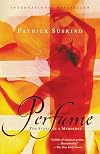


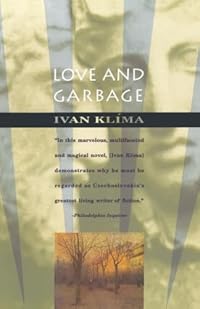
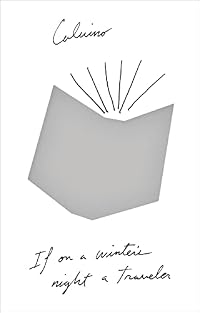
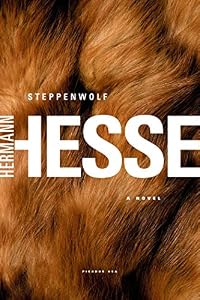
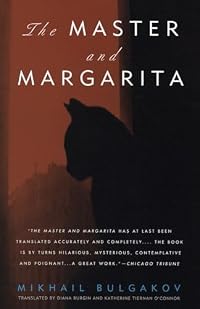
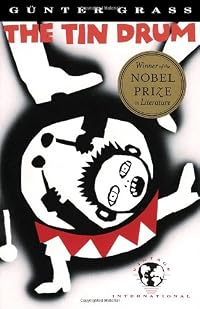
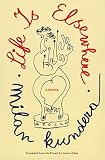
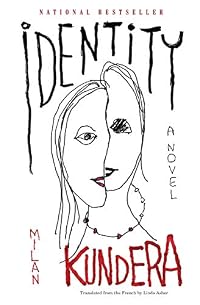
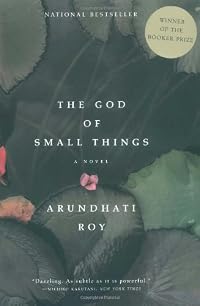
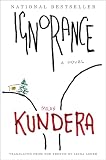
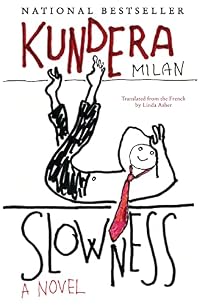
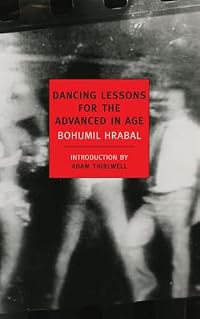
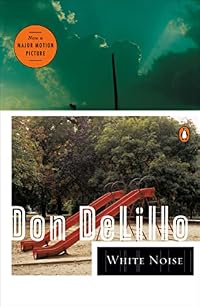
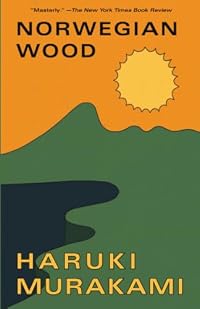
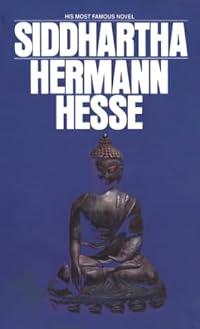
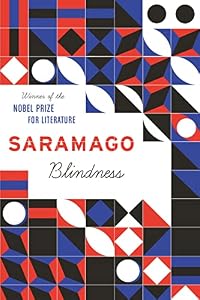
Ludi_Ling Both treatments on the intricacies of love and romantic/sexual relationships. Kundera's is the more readable of the two, but the themes running through them are very similar.
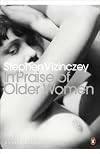
soylentgreen23 The perfect companion piece, since it deals with a lot of sex, women, affairs, and surviving in Communist Eastern Europe.
11
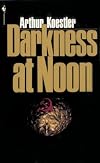
charlie68 Similar themes
Member Reviews
Appropriately described on its jacket as "a novel of ideas," The Unbearable Lightness of Being is the story of three people simultaneously caught up in the messes of their own lives and those of the world around them. Told by an intrusive narrator primarily interested in using the characters in his self-acknowledged novel to demonstrate the arbitrary nature of life, the story alternates between the surgeon Tomas, his wife Tereza, and his mistress Sabina as they live through the fallout of the Russian invasion of Czechoslovakia after the Prague Spring.
The novel's central character is Tomas; however, its seven parts tell and retell a few central events from different character's perspectives, with each retelling providing key details that show more changes the reader's understanding of the event's significance. Tomas is the epicenter of two ménages à trois, the one between himself, Tereza and Sabina; the other with Sabina and her married lover, Franz. In addition, his libido is insatiable, as evidenced by the myriad other women he sleeps with throughout the novel while attempting to prove love and sex are distinct. His pursuit subsumes his marriage, leading Tereza to return to the country they fled, with disastrous consequences for all.
Although Tomas finds happiness in the end, it comes only after he has lost his career and become a non-entity. In keeping with the narrator's worldview, this happiness is short-lived and does not extend to the woman he supposedly loves. show less
The novel's central character is Tomas; however, its seven parts tell and retell a few central events from different character's perspectives, with each retelling providing key details that show more changes the reader's understanding of the event's significance. Tomas is the epicenter of two ménages à trois, the one between himself, Tereza and Sabina; the other with Sabina and her married lover, Franz. In addition, his libido is insatiable, as evidenced by the myriad other women he sleeps with throughout the novel while attempting to prove love and sex are distinct. His pursuit subsumes his marriage, leading Tereza to return to the country they fled, with disastrous consequences for all.
Although Tomas finds happiness in the end, it comes only after he has lost his career and become a non-entity. In keeping with the narrator's worldview, this happiness is short-lived and does not extend to the woman he supposedly loves. show less
Before reading Kundera, I didn't know if its possible to write about shit and God in the same sentence; or for that matter, draw connections among entities, ideas, and conscious and subconscious indulgences which don't seem to exist unless some really intelligent people make us aware of them.
In my view, it is probably impossible to grasp the existentialist overtones scattered all along the narrative in one simple reading. I consider this a classic case of problem of locating authorial intention through the text. In this sense, its an open text where all the characters can be interpreted in numerous ways, with all these interpretation equally valid textually. Overall, its an amazingly refreshing exposure to the boundless possibilities show more of the fictional medium. show less
In my view, it is probably impossible to grasp the existentialist overtones scattered all along the narrative in one simple reading. I consider this a classic case of problem of locating authorial intention through the text. In this sense, its an open text where all the characters can be interpreted in numerous ways, with all these interpretation equally valid textually. Overall, its an amazingly refreshing exposure to the boundless possibilities show more of the fictional medium. show less
Ho finito questo libro alle 02:02 di domenica 29 agosto 2021.
Gli occhi sono umidi, probabilmente arrossati per il pianto.
Le guance sono bagnate e rigate dalle lacrime che ho versato.
Il piede destro non smette di muoversi agitato così come si è mosso mentre piangevo e così come continuerà a muoversi ogniqualvolta ripenserò al motivo del mio pianto breve, ma rovente.
Sì, mi ha fatto male. L’ultima parte, la settima, “Il sorriso di Karenin”, mi ha fatto un male terribile. La mia intenzione era quella di chiudere il libro, di finirlo quando mi fossi risvegliata a notte terminata, ma come poter chiuderlo? Come chiuderlo nel bel mezzo del pianto? Sottolineavo con le mani tremanti e le lacrime agli occhi; interrompevo la lettura per show more la vista accecata da quelle stesse lacrime non ancora versate che mi impedivano di leggere le parole. Ma andiamo in ordine, partiamo dal principio.
Ho cominciato questo romanzo per cambiare aria, per partire, prendere un aereo per andare in un posto a me completamente sconosciuto: la Boemia. Ho cominciato senza sapere cosa aspettarmi, senza comprendere il significato del suo titolo famoso. Ora l’ho capito il significato. Ma non è questo il momento per parlarne.
Ho cominciato la lettura e lette le prime righe non avrei immaginato che avrebbe potuto raccontare la storia che invece ha raccontato. Ringrazio Dio per avermi fatto iniziare ignara di tutto e per avermi fatto continuare solo per curiosità.
Al centro di tutto ci sono loro, Tereza e Tomàs. Si sono conosciuti al bar in cui lavorava Tereza e si sono guardati solo per una serie di coincidenze. Tereza, d’altronde, per Tomàs rimarrà sempre la donna nata dalle sei coincidenze. È lei, la barista che gira per le strade di Praga sempre con un libro sottobraccio per sentirsi e mostrarsi diversa da quelli che le camminano accanto. Ed è lui, un rinomato chirurgo destinato a diventare primario di chirurgia del suo ospedale, cosa che però non avverrà mai. Tra loro nasce una storia di passione e tradimenti continui, una storia tormentata e malata che l’autore, attraverso Tereza, paragona più volte a quella di Anna e Vronskj; una storia fondata esclusivamente sulla certezza e sulla costanza della fedeltà e dell’onestà di lei, giacché lui è il più libero dei libertini, con amanti sparse per tutta Praga e con circa duecento donne all’anno. Tra esse ce n’è però una in particolare, Sabina, pittrice intollerante al comunismo i cui quadri sono sempre gli stessi: una tela squarciata da cui s’intravede un paesaggio diverso da quello rappresentato sulla tela. Per Tomàs è impossibile rinunciare alle donne, al piacere e al tradimento, ma gli è anche impossibile rinunciare all’amore per Tereza, con la quale si sposa e rimarrà sposato fino alla morte di entrambi loro. Lei, cosciente dei suoi tradimenti, li sopporta, ci convive e cerca di neutralizzarli senza successo.
Ad accompagnare la coppia per dieci anni è un cane, una cagnolina femmina regalata a Tereza da Tomàs per tentare di riempirle il vuoto lasciato dal tradimento onnipresente. La cagnolina è Karenin - così chiamata dal momento che, quando si sono conosciuti, Tereza aveva sottobraccio Anna Karenina - ed è lei e solo lei il motivo delle mie lacrime.
Parallelamente alla loro, seppur per una durata minore, vi è la storia tra Sabina e Franz, un giovane professore universitario che, come Tomàs, tradisce la moglie. Pare, come l’ha definita Calvino, la stessa situazione che si crea nelle Affinità Elettive di Goethe, seppure con esiti diversi e ruoli differenti.
È il 1968 e Praga viene occupata dai carri armati russi. Su questo sfondo storico i protagonisti vivono e cambiano, sopportano la pesantezza in cerca della leggerezza dell’essere, senza riuscire però a trovarla. Uno sfondo tragico dannatamente reale che si ritorce contro gli stessi protagonisti, obbligati ad emigrare a Zurigo. Tomàs non può più svolgere la professione di chirurgo, diventa un lavavetri e trova dunque amanti nuove ogni giorno, e la storia con Tereza sembra precipitare. I due, però, non si lasceranno mai, vanno a vivere in campagna e invecchiano insieme ed è qui che il mio pianto ha avuto inizio. Karenin ha un tumore, è vecchia e condannata.
“L’amore tra uomo e cane è idilliaco perché il cane non è stato cacciato dal Paradiso.”
E come fare a non piangere dopo pagine e pagine di questo? Come fare a non piangere dopo pagine in cui viene mostrato l’amore più puro e sincero, quello del cane per l’uomo? Io non ce l’ho fatta. Io ho pianto mentre Karenin poggiava il muso sulle ginocchia di Tereza, mentre smetteva di giocare con Tomàs, di tenere il proprio panino in bocca; ho pianto mentre la sopprimevano, mentre le preparavano la tomba, mentre Tereza le sussurrava che sarebbe andato tutto bene, che non avrebbe sofferto più; ho pianto sentendomi lo sguardo addosso colmo di fiducia incondizionata di Karenin, mentre smetteva di respirare e ci lasciava per sempre. Io non ce l’ho fatta. Io ho pianto, mi sono lasciata andare. E anche adesso, scrivendo e rivivendo quelle scene per me fatali, mi salgono le lacrime agli occhi minacciando di lasciarseli alle spalle un’altra volta e di scendere giù veloci sulle ripide colline che sono le mie guance.
L’essere umano ha fallito, è vero.
“L’uomo ha fallito quando costringe gli animali a diventare macchine animate” dice l’autore. Dio, mai c’è stata frase più vera.
Quindi? Quindi questo non è niente in confronto a tutto quello che ho provato, è solo un assaggio, ma credo sia sufficiente.
Mentre leggevo i primi capitoli mi dicevo: “Bello, sì, ma non eccezionale.”
Oggi, finita la lettura, dico: “Non bello, ma eccezionale.” show less
Gli occhi sono umidi, probabilmente arrossati per il pianto.
Le guance sono bagnate e rigate dalle lacrime che ho versato.
Il piede destro non smette di muoversi agitato così come si è mosso mentre piangevo e così come continuerà a muoversi ogniqualvolta ripenserò al motivo del mio pianto breve, ma rovente.
Sì, mi ha fatto male. L’ultima parte, la settima, “Il sorriso di Karenin”, mi ha fatto un male terribile. La mia intenzione era quella di chiudere il libro, di finirlo quando mi fossi risvegliata a notte terminata, ma come poter chiuderlo? Come chiuderlo nel bel mezzo del pianto? Sottolineavo con le mani tremanti e le lacrime agli occhi; interrompevo la lettura per show more la vista accecata da quelle stesse lacrime non ancora versate che mi impedivano di leggere le parole. Ma andiamo in ordine, partiamo dal principio.
Ho cominciato questo romanzo per cambiare aria, per partire, prendere un aereo per andare in un posto a me completamente sconosciuto: la Boemia. Ho cominciato senza sapere cosa aspettarmi, senza comprendere il significato del suo titolo famoso. Ora l’ho capito il significato. Ma non è questo il momento per parlarne.
Ho cominciato la lettura e lette le prime righe non avrei immaginato che avrebbe potuto raccontare la storia che invece ha raccontato. Ringrazio Dio per avermi fatto iniziare ignara di tutto e per avermi fatto continuare solo per curiosità.
Al centro di tutto ci sono loro, Tereza e Tomàs. Si sono conosciuti al bar in cui lavorava Tereza e si sono guardati solo per una serie di coincidenze. Tereza, d’altronde, per Tomàs rimarrà sempre la donna nata dalle sei coincidenze. È lei, la barista che gira per le strade di Praga sempre con un libro sottobraccio per sentirsi e mostrarsi diversa da quelli che le camminano accanto. Ed è lui, un rinomato chirurgo destinato a diventare primario di chirurgia del suo ospedale, cosa che però non avverrà mai. Tra loro nasce una storia di passione e tradimenti continui, una storia tormentata e malata che l’autore, attraverso Tereza, paragona più volte a quella di Anna e Vronskj; una storia fondata esclusivamente sulla certezza e sulla costanza della fedeltà e dell’onestà di lei, giacché lui è il più libero dei libertini, con amanti sparse per tutta Praga e con circa duecento donne all’anno. Tra esse ce n’è però una in particolare, Sabina, pittrice intollerante al comunismo i cui quadri sono sempre gli stessi: una tela squarciata da cui s’intravede un paesaggio diverso da quello rappresentato sulla tela. Per Tomàs è impossibile rinunciare alle donne, al piacere e al tradimento, ma gli è anche impossibile rinunciare all’amore per Tereza, con la quale si sposa e rimarrà sposato fino alla morte di entrambi loro. Lei, cosciente dei suoi tradimenti, li sopporta, ci convive e cerca di neutralizzarli senza successo.
Ad accompagnare la coppia per dieci anni è un cane, una cagnolina femmina regalata a Tereza da Tomàs per tentare di riempirle il vuoto lasciato dal tradimento onnipresente. La cagnolina è Karenin - così chiamata dal momento che, quando si sono conosciuti, Tereza aveva sottobraccio Anna Karenina - ed è lei e solo lei il motivo delle mie lacrime.
Parallelamente alla loro, seppur per una durata minore, vi è la storia tra Sabina e Franz, un giovane professore universitario che, come Tomàs, tradisce la moglie. Pare, come l’ha definita Calvino, la stessa situazione che si crea nelle Affinità Elettive di Goethe, seppure con esiti diversi e ruoli differenti.
È il 1968 e Praga viene occupata dai carri armati russi. Su questo sfondo storico i protagonisti vivono e cambiano, sopportano la pesantezza in cerca della leggerezza dell’essere, senza riuscire però a trovarla. Uno sfondo tragico dannatamente reale che si ritorce contro gli stessi protagonisti, obbligati ad emigrare a Zurigo. Tomàs non può più svolgere la professione di chirurgo, diventa un lavavetri e trova dunque amanti nuove ogni giorno, e la storia con Tereza sembra precipitare. I due, però, non si lasceranno mai, vanno a vivere in campagna e invecchiano insieme ed è qui che il mio pianto ha avuto inizio. Karenin ha un tumore, è vecchia e condannata.
“L’amore tra uomo e cane è idilliaco perché il cane non è stato cacciato dal Paradiso.”
E come fare a non piangere dopo pagine e pagine di questo? Come fare a non piangere dopo pagine in cui viene mostrato l’amore più puro e sincero, quello del cane per l’uomo? Io non ce l’ho fatta. Io ho pianto mentre Karenin poggiava il muso sulle ginocchia di Tereza, mentre smetteva di giocare con Tomàs, di tenere il proprio panino in bocca; ho pianto mentre la sopprimevano, mentre le preparavano la tomba, mentre Tereza le sussurrava che sarebbe andato tutto bene, che non avrebbe sofferto più; ho pianto sentendomi lo sguardo addosso colmo di fiducia incondizionata di Karenin, mentre smetteva di respirare e ci lasciava per sempre. Io non ce l’ho fatta. Io ho pianto, mi sono lasciata andare. E anche adesso, scrivendo e rivivendo quelle scene per me fatali, mi salgono le lacrime agli occhi minacciando di lasciarseli alle spalle un’altra volta e di scendere giù veloci sulle ripide colline che sono le mie guance.
L’essere umano ha fallito, è vero.
“L’uomo ha fallito quando costringe gli animali a diventare macchine animate” dice l’autore. Dio, mai c’è stata frase più vera.
Quindi? Quindi questo non è niente in confronto a tutto quello che ho provato, è solo un assaggio, ma credo sia sufficiente.
Mentre leggevo i primi capitoli mi dicevo: “Bello, sì, ma non eccezionale.”
Oggi, finita la lettura, dico: “Non bello, ma eccezionale.” show less
Years ago when this was THE book to read, I tried to plow through it. I recently found another copy and read it over the past two days.
It’s insufferable.
Interesting because of the time it describes, awful because of the people- the men, inveterate womanizers who feel entitled to their mistresses and mistresses between their mistresses. The women- one-dimensional, given to frequently staring at their breasts in the mirror (do women DO this? Honestly, don’t they have a hobby?), hopelessly bendable to their men’s wishes- save Sabine, who actually has a bit of spleen. And a sexual fantasy involving s**tting, but hey, the author is all about sh*t, filling a chapter about how God couldn’t possibly empty his bowels so our paintings of show more him with a mouth must be wrong (really? Who’d have thunk it?)and how they came up with the whole Jesus eating and drinking but never excreting bit which I imagine must have become uncomfortable at times (I am reminded of the angels in the movie Dogma who are given to chewing and then spitting out popcorn). Nothing was made of this at the last supper. Did Jesus spit?
Argh. Such philosophical meanderings fill much of the book and they seem sophomoric and crude and really so self-obsessed. And in between, the male characters are only interested in sex. And mistresses of the younger and younger sort. And sh*t. Meanwhile the world is falling to communism around them.
The author obviously hates women, for most of their lives are painted repulsively, from their periods to their jobs to their orgasms (which they dare to deny despite dampening the rug with oozings- silly man doesn’t know that that response does not indicate orgasm...)
Argh.
I think I must give up reading male authors for a while. If I see one other novel where the women are obsessing about their breasts in mirrors, I shall pull a Dorothy Parker and throw it off my balcony, perhaps taking out an eternally-seeking-sex pigeon at the same time.
This book has quite put me off any thought of intimacy. show less
It’s insufferable.
Interesting because of the time it describes, awful because of the people- the men, inveterate womanizers who feel entitled to their mistresses and mistresses between their mistresses. The women- one-dimensional, given to frequently staring at their breasts in the mirror (do women DO this? Honestly, don’t they have a hobby?), hopelessly bendable to their men’s wishes- save Sabine, who actually has a bit of spleen. And a sexual fantasy involving s**tting, but hey, the author is all about sh*t, filling a chapter about how God couldn’t possibly empty his bowels so our paintings of show more him with a mouth must be wrong (really? Who’d have thunk it?)and how they came up with the whole Jesus eating and drinking but never excreting bit which I imagine must have become uncomfortable at times (I am reminded of the angels in the movie Dogma who are given to chewing and then spitting out popcorn). Nothing was made of this at the last supper. Did Jesus spit?
Argh. Such philosophical meanderings fill much of the book and they seem sophomoric and crude and really so self-obsessed. And in between, the male characters are only interested in sex. And mistresses of the younger and younger sort. And sh*t. Meanwhile the world is falling to communism around them.
The author obviously hates women, for most of their lives are painted repulsively, from their periods to their jobs to their orgasms (which they dare to deny despite dampening the rug with oozings- silly man doesn’t know that that response does not indicate orgasm...)
Argh.
I think I must give up reading male authors for a while. If I see one other novel where the women are obsessing about their breasts in mirrors, I shall pull a Dorothy Parker and throw it off my balcony, perhaps taking out an eternally-seeking-sex pigeon at the same time.
This book has quite put me off any thought of intimacy. show less
I loved this book, though it's not perfect, and it's not extremely memorable. I'll remember it for being an incredible book, though. It was a quick read, but I felt like I rushed through the last half when I shouldn't have.
The way Kundera bridges the gap between literature and philosophy is so skillful and effortless. It's truly a writing style I'd want to own one day--to be able to speak so thoughtfully and lyrically about characters in fiction in a way that also comments on the universals of life and existence.
That death lurks in my future remains one of the most frightening prospects of my life. Even more than the simple fear I have of the unknown, infinite, forever blackness of it, it's frightening to think that every action I take show more in this life, every thought I have, will only occur once at the point in time in which it took place. In essence, death demands of me to think through every action, or else my life could turn out to be a long, painful string of regrets. Death gives everything we do meaning. That is the main theme of this book, and one that Kundera articulated--and, at times, refuted--in a beautiful way. show less
The way Kundera bridges the gap between literature and philosophy is so skillful and effortless. It's truly a writing style I'd want to own one day--to be able to speak so thoughtfully and lyrically about characters in fiction in a way that also comments on the universals of life and existence.
That death lurks in my future remains one of the most frightening prospects of my life. Even more than the simple fear I have of the unknown, infinite, forever blackness of it, it's frightening to think that every action I take show more in this life, every thought I have, will only occur once at the point in time in which it took place. In essence, death demands of me to think through every action, or else my life could turn out to be a long, painful string of regrets. Death gives everything we do meaning. That is the main theme of this book, and one that Kundera articulated--and, at times, refuted--in a beautiful way. show less
I came very close to giving up on this book. Despite having read Kundera before and loved him, despite this book being on the bookslut 100, and fitting at least two categories on my book bingo challenge. This book shifts between the point of view of the author and four of the main characters. The first character, Tomas, I found nearly unbearable. Burned by divorce, Tomas develops a set of rules for "erotic friendships," a system that works for him until he falls in love with Tereza. His self-pitying attitude about his inability to give up these affairs despite their effects on Tereza, who he supposedly loves, made me want to hold his face under water. But then the point of view shifts to Tereza (who is also not perfect, but at least show more sympathetic), and it kept me from giving up.
The unbearable jerkness of Tomas aside, there was so much to this book that was wonderful. In particular, the way our personal metaphors shape our lives -- can make two people incompatible, or can make someone fall in love. If you want to just read a story, this book is not for you. If you want to think about the hows and whys of stories, how we are shaped by our past, our loves, the political situation of our surroundings in both predictable and unexpected ways, of both the importance and the triviality of these stories, then I don't know how you could not fall under the spell of this book.
I also was intrigued by the collisions between leftist-anarchism and the communist police-state, the way people were betrayed by a system they expected to make real their ideals, and how they made sense of that betrayal.
In short, Tomas bothered me enough that I couldn't give this book the full 5 stars most of my friends have, but I still found it profoundly interesting. show less
The unbearable jerkness of Tomas aside, there was so much to this book that was wonderful. In particular, the way our personal metaphors shape our lives -- can make two people incompatible, or can make someone fall in love. If you want to just read a story, this book is not for you. If you want to think about the hows and whys of stories, how we are shaped by our past, our loves, the political situation of our surroundings in both predictable and unexpected ways, of both the importance and the triviality of these stories, then I don't know how you could not fall under the spell of this book.
I also was intrigued by the collisions between leftist-anarchism and the communist police-state, the way people were betrayed by a system they expected to make real their ideals, and how they made sense of that betrayal.
In short, Tomas bothered me enough that I couldn't give this book the full 5 stars most of my friends have, but I still found it profoundly interesting. show less
Or rather, a 3.5 star read.
I will be honest. There were times when the tale took on a very meta quality that I appreciated it to a full 5-star rating and times where the sex and philandering, mistress and the smell of another woman's juices on his face just got to be too much. The repetition of sex in the tale did not seem to be so much pornography but a literary technique to make us feel like Milan Kundera was trying to f*** the reader.
I did say meta, did I not? Well, sometimes it worked and sometimes I just wanted to put the novel aside forever.
Good thing is: I enjoyed it a lot more after the midpoint where these seemingly delightfully *real* characters were reduced to the author's fancy... the matter-of-fact way they got crushed show more under a truck just struck me as unbearably funny.
But this was not a humorous book. Not at all. It was heavy, man, and as light as ashes in America where everything is so foreign. And let's be clear about this. This is political, Soviet-era occupation literary sex-pomp. With a very touching scene with the death of a dog while the rest of the country expressed their hatred of all dogs as a substitute for hating their fellow men.
Yes, this had a lot of hidden depths and flighty fancy. The prose is pretty wonderful and the moments where it is good, it's very engaging and philosophical. But it's also about the unbearable lightness of being f***ed by Milan Kundera. I suppose that takes some getting used to.
Me, I'm a little sore. show less
I will be honest. There were times when the tale took on a very meta quality that I appreciated it to a full 5-star rating and times where the sex and philandering, mistress and the smell of another woman's juices on his face just got to be too much. The repetition of sex in the tale did not seem to be so much pornography but a literary technique to make us feel like Milan Kundera was trying to f*** the reader.
I did say meta, did I not? Well, sometimes it worked and sometimes I just wanted to put the novel aside forever.
Good thing is: I enjoyed it a lot more after the midpoint where these seemingly delightfully *real* characters were reduced to the author's fancy... the matter-of-fact way they got crushed show more under a truck just struck me as unbearably funny.
But this was not a humorous book. Not at all. It was heavy, man, and as light as ashes in America where everything is so foreign. And let's be clear about this. This is political, Soviet-era occupation literary sex-pomp. With a very touching scene with the death of a dog while the rest of the country expressed their hatred of all dogs as a substitute for hating their fellow men.
Yes, this had a lot of hidden depths and flighty fancy. The prose is pretty wonderful and the moments where it is good, it's very engaging and philosophical. But it's also about the unbearable lightness of being f***ed by Milan Kundera. I suppose that takes some getting used to.
Me, I'm a little sore. show less
Members
- Recently Added By
Published Reviews
ThingScore 81
35 livres cultes à lire au moins une fois dans sa vie
Quels sont les romans qu'il faut avoir lu absolument ? Un livre culte qui transcende, fait réfléchir, frissonner, rire ou pleurer… La littérature est indéniablement créatrice d’émotions. Si vous êtes adeptes des classiques, ces titres devraient vous plaire.
De temps en temps, il n'y a vraiment rien de mieux que de se poser devant show more un bon bouquin, et d'oublier un instant le monde réel. Mais si vous êtes une grosse lectrice ou un gros lecteur, et que vous avez épuisé le stock de votre bibliothèque personnelle, laissez-vous tenter par ces quelques classiques de la littérature. show less
Quels sont les romans qu'il faut avoir lu absolument ? Un livre culte qui transcende, fait réfléchir, frissonner, rire ou pleurer… La littérature est indéniablement créatrice d’émotions. Si vous êtes adeptes des classiques, ces titres devraient vous plaire.
De temps en temps, il n'y a vraiment rien de mieux que de se poser devant show more un bon bouquin, et d'oublier un instant le monde réel. Mais si vous êtes une grosse lectrice ou un gros lecteur, et que vous avez épuisé le stock de votre bibliothèque personnelle, laissez-vous tenter par ces quelques classiques de la littérature. show less
added by Joop-le-philosophe
1984
Milan Kundera
L'insoutenable légèreté de l'être
traduit du tchèque par F. Kérel, Gallimard
«Cette sinueuse chute vers la mort, cette lente destruction mutuelle de deux êtres qui s'aiment sera aussi pour chacun d'eux [...] la récupération d'une certaine paix intérieure.» (Lire, février 1984)
Milan Kundera
L'insoutenable légèreté de l'être
traduit du tchèque par F. Kérel, Gallimard
«Cette sinueuse chute vers la mort, cette lente destruction mutuelle de deux êtres qui s'aiment sera aussi pour chacun d'eux [...] la récupération d'une certaine paix intérieure.» (Lire, février 1984)
added by Joop-le-philosophe
The world, and particularly that part of the world we used to call, with fine carelessness, eastern Europe, has changed profoundly since 1984, but Kundera's novel seems as relevant now as it did when it was first published. Relevance, however, is nothing compared with that sense of felt life which the truly great novelists communicate.
added by Ludi_Ling
Lists

The Guardian's 1000 Novels Everyone Must Read
1,005 works; 546 members

1001 Books You Must Read Before You Die
1,448 works; 1,132 members

Classics you know you should have read but probably haven't
421 works; 407 members

Best Contemporary Literary Fiction (Around the Last 30 Years)
388 works; 122 members
501 Must-Read Books
508 works; 72 members
BBC Big Read
191 works; 45 members

Best of World Literature
431 works; 51 members

Unread books
1,063 works; 83 members

Magic Realism
371 works; 51 members

Philosophical Fiction
97 works; 27 members

Read the book and saw the movie
1,170 works; 192 members
20th Century Literature
1,161 works; 55 members

Favourite Books
1,817 works; 308 members

Oprah's Book Club (original and 2.0)
91 works; 21 members

Books That Made Me Cry
199 works; 104 members
1980s
356 works; 23 members

Canon de la narrativa universal del siglo XX
254 works; 6 members

Harold Bloom - The Western Canon: D. The Chaotic Age
833 works; 24 members

Best Books About Journeys and Quests
117 works; 30 members

Love and Marriage
93 works; 10 members
LibraryThingers' 1001 Books You Must Read Before You Die
442 works; 29 members

A Novel Cure
742 works; 23 members

Blue Pyramid 1,276 Best Books of All Time
1,248 works; 32 members
1,001 BYMRBYD Concensus
723 works; 27 members

Best Antiheroes and Antiheroines
119 works; 7 members

College Reads (Lit Edition)
75 works; 5 members
Existentialism
90 works; 11 members

Most Disturbing Books
124 works; 27 members
Love Triangles in Literature
108 works; 15 members

Authors from the Czech Republic
3 works; 1 member

Recommended Philosophic Novels
26 works; 1 member
Elegant Prose
80 works; 4 members

2016 Book Club Choices
52 works; 7 members

Authors from France
23 works; 2 members

indicações da lays
10 works; 1 member

Books set in Prague
40 works; 1 member

A's favorite novels
100 works; 3 members
Overdue Podcast
803 works; 9 members

Books Read in 2016
4,666 works; 197 members

Reading Globally
136 works; 16 members
Literature About Adultery
69 works; 10 members

NPRs audience picks: 100 best beach reads
105 works; 12 members
Canon de la narrativa universal del s. XX (cicutadry)
499 works; 3 members
.
396 works; 1 member

Hilos Invisibles: Sincronicidad y el Azar en la Literatura
12 works; 1 member
Widely acclaimed, one book per year
105 works; 3 members
The Complete Rory Gilmore Reading List
506 works; 5 members

Retrospective of 20th- and 21st-century literature
154 works; 1 member

Gen X Library
245 works; 4 members

Recommended Reading : 600 Classics Reviewed, Editors of Salem Press, 2015
634 works; 6 members

to get
244 works; 2 members

Books That Made Us Cry
278 works; 145 members
Books With the Most Memorable Titles
478 works; 158 members

Books and authors mentioned by Le Clézio in his Nobel Prize speech
87 works; 3 members

Libertarian Books
102 works; 19 members

Books Read in 2021
5,361 works; 113 members

Books Read in 2013
1,630 works; 51 members

Biggest Disappointments
606 works; 168 members

Europe
205 works; 6 members

100 knjiga
100 works; 1 member
Talk Discussions
Past Discussions
Group Read, February 2015: The Unbearable Lightness of Being in 1001 Books to read before you die (March 2015)
September 2013: "Die unerträgliche Leichtigkeit des Seins" von Milan Kundera in Online-Lesekreis (October 2013)
unbearable lightness of being in 1001 Books to read before you die (November 2007)
Author Information

65+ Works 61,120 Members
One of the foremost contemporary Czech writers, Kundera is a novelist, poet, and playwright. His play The Keeper of the Keys, produced in Czechoslovakia in 1962, has long been performed in a dozen countries. His first novel, The Joke (1967), is a biting satire on the political atmosphere in Czechoslovakia in the 1950s. It tells the story of a show more young Communist whose life is ruined because of a minor indiscretion: writing a postcard to his girlfriend in which he mocks her political fervor.The Joke has been translated into a dozen languages and was made into a film, which Kundera wrote and directed. His novel Life Is Elsewhere won the 1973 Prix de Medicis for the best foreign novel. Kundera has been living in France since 1975. His books, for a long time suppressed in his native country, are once again published.The Unbearable Lightness of Being (1984), won him international fame and was a successful English-language film. In this work Kundera moves toward more universal and philosophically tinged themes, thus transforming himself from a political dissident into a writer of international significance. (Bowker Author Biography) show less
Some Editions
Awards and Honors
Series
Belongs to Publisher Series
Fabula [Adelphi] (1)
池澤夏樹個人編集 世界文学全集 (1-3)
Harper Perennial Olive Editions (2008 Olive)
Quinze grans èxits (12)
Bibliotheca stylorum (2004)
Fischer Taschenbuch (5992)
Gallimard, Folio (2077)
Work Relationships
Is contained in
Has the adaptation
Has as a student's study guide
Common Knowledge
- Canonical title*
- Die unerträgliche Leichtigkeit des Seins
- Original title
- Nesnesitelná lehkost bytí
- Original publication date
- 1984
- People/Characters
- Tomás; Hay una; Sabina; Franz; Karenín; Simón (show all 14); Ana Karenina; Alejandro Dubecek; María Claude; Parménides; Sófocles; Edipo; Adolf Hitler; Maximilien de Robespierre
- Important places
- Prague, Czech Republic (as Czechoslovakia); Czech Republic (as Czechoslovakia); Czechoslovakia; Paris, France; France; Zürich, Zürich, Switzerland (show all 8); Switzerland; Thailand
- Important events
- Prague Spring (1968); Soviet Invasion of Czechoslovakia (1968)
- Related movies
- The Unbearable Lightness of Being (1988 | IMDb)
- First words
- The idea of eternal return is a mysterious one, and Nietzsche has often perplexed other philosophers with it: to think that everything recurs as we once experienced it, and that the recurrence itself recurs ad infinitum! What... (show all) does this mad myth signify?
- Quotations
- When the heart speaks, the mind finds it indecent to object.
Tomas did not realize at the time that metaphors are dangerous. Metaphors are not to be trifled with. A single metaphor can give birth to love.
...vertigo is something other than the fear of falling. It is the voice of the emptiness below us which tempts us and lures us, it is the desire to fall, against which, terrified, we defend ourselves. - Last words
- (Click to show. Warning: May contain spoilers.)The strains of the piano and violin rose up weakly from below.
- Blurbers
- Bradbury, Malcolm; McEwan, Ian; Glendinning, Victoria
- Original language
- Czech
- Canonical DDC/MDS
- 891.8635
*Some information comes from Common Knowledge in other languages. Click "Edit" for more information.
Classifications
- Genres
- Fiction and Literature, General Fiction
- DDC/MDS
- 891.8635 — Literature & rhetoric Asian Literature East Indo-European and Celtic literatures West and South Slavic languages (Bulgarian, Slovene, Polish, Czech, Slovak, Serbo-Croatian, and Macedonian) Czech Czech fiction 1900–1989
- LCC
- PG5039.21 .U6 .N413 — Language and Literature Slavic languages and literatures. Baltic languages. Albanian language Slavic. Baltic. Albanian Slavic Czech
- BISAC
Statistics
- Members
- 24,746
- Popularity
- 195
- Reviews
- 305
- Rating
- (4.00)
- Languages
- 35 — Arabic, Armenian, Bulgarian, Catalan, Czech, Danish, Dutch, English, Estonian, Finnish, French, German, Greek, Hebrew, Hungarian, Italian, Japanese, Korean, Latvian, Lithuanian, Norwegian (Bokmål), Norwegian, Farsi/Persian, Polish, Portuguese, Romanian, Russian, Serbian, Croatian, Slovenian, Spanish, Swedish, Turkish, Ukrainian, Chinese, traditional
- Media
- Paper, Audiobook, Ebook
- ISBNs
- 245
- ASINs
- 75