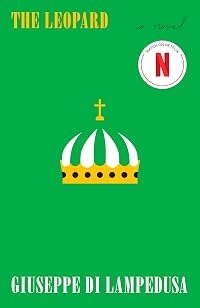
The Leopard
by Giuseppe Tomasi di Lampedusa
On This Page
Description
Set in the 1860s, The Leopard tells the spellbinding story of a decadent, dying Sicilian aristocracy threatened by the approaching forces of democracy and revolution. The dramatic sweep and richness of observation, the seamless intertwining of public and private worlds, and the grasp of human frailty imbue The Leopard with its particular melancholy beauty and power, and place it among the greatest historical novels of our time. Although Giuseppe di Lampedusa had long had the book in mind, he show more began writing it only in his late fifties, he died at age sixty, soon after the manuscript was rejected as unpublishable. In his introduction, Gioacchino Lanza Tomasi, Lampedusa's nephew, gives us a detailed history of the initial publication and the various editions that followed. And he includes passages Lampedusa wrote for the book that were omitted by the original Italian editors. Here, finally, is the definitive edition of this brilliant and timeless novel. show lessTags
Recommendations


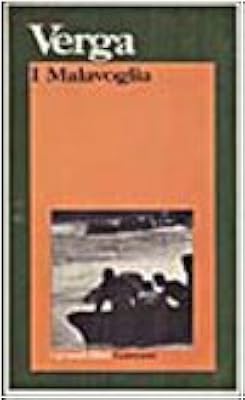

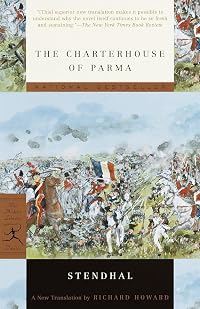

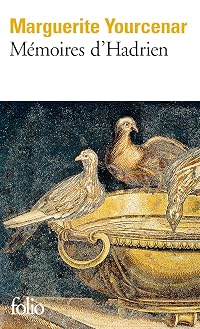
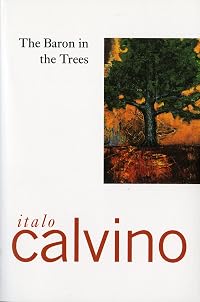
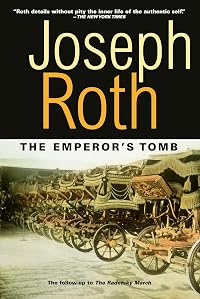
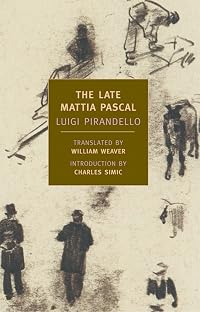








Member Recommendations

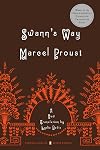
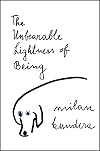
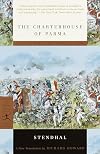
P_S_Patrick These two books have a fair bit in common, though much is different between them too. They both are set in Italy and are concerned with court and family life, with politics, and the state of the country at the time they were written. The Charterhouse is set mainly in the north, around Milan, Parma, and Lake Como, near the Swiss border, in the first half of the 19th Century. The Leopard is set in the South, much of it in Sicily, starting over halfway through the 19th Century and ending in the next one. Stendhal writes dramatically about adventures and high emotions, whereas Lampedusa is far less baroque about it and writes with greater reserve and elegance. Together these books complement each other and give the reader a reasonably balanced view of Italian life over around a 100 years. Readers are likely to prefer one book over the other, but I am sure that if they enjoyed one they are very likely to enjoy the other. There are passages in the Charterhouse that outshine the best in the Leopard, but I prefer the latter due to it being nearer to perfection when taken as a whole.
52
pacocillero Nos dous casos son mundos en decadencia aínda que con varios séculos de diferencia.
20



marieke54 Among those old villages: the inhabited remnants and replacements of Santa Margherita di Belice,(
pitjrw Two elegies to disappearing elites and the societies they led.

Member Reviews
The Leopard is a rich and descriptive novel about a Sicilian prince in the 1860s, an age when aristocracy and the upper classes were in decline. Published posthumously, the author was himself a prince. This book distills Lampedusa's life experiences and associated wisdom into a short 210 pages.
The novel is primarily a character study, full of eloquent language and imagery. The figure of Don Fabrizio, the patriarchal prince, looms large: "As he crossed the two rooms preceding the study he tried to imagine himself as an imposing leopard with smooth scented skin preparing to tear a timid jackal to pieces ... it was an irritated Leopard that entered the study." (p. 105) He commands attention in the evenings as he reads "out to his family a show more modern novel in instalments, exuding dignified benevolence from every pore." (p. 119). And yet he struggles with his decline in local society where, "no longer the major landowner in Donnafugata, ... now found himself forced to receive, when in afternoon dress himself, a guest appearing in evening clothes." (p. 73)
Each chapter of the novel is lush and descriptive, painting a picture of the local village, a summer home, and (my personal favorite), a ball:
"Evoked, created almost by the approving words and still more approving thoughts, the Colonel now appeared at the top of the stairs. He was moving amid a tinkle of epaulettes, chains and spurs in his well-padded, double-breasted uniform, a plumed hat under his arm and his left wrist propped on a curved sabre. He was a man of the world with graceful manners, well-versed, as all Europe knew by now, in hand-kissings dense with meaning; every lady whose fingers were brushed by his perfumed moustaches that night was able to re-evolke from first-hand knowledge the historical incident so highly praised in the popular press. .... Above the ordered swirl of her pink crinoline Angelica's white shoulders merged into strong soft arms; her head looked small and proud on its smooth youthful neck adorned with intentionally modest pearls. And when from the opening of her long kid glove she drew a hand which though not small was perfectly shaped, on it was seen glittering the Neapolitan sapphire." (p.168-169).
It is during this very ball that Fabrizio begins to loathe the very society that has made him a rich and powerful man. The novel's remaining chapters leap across the decades, portraying Fabrizio's decline and his legacy.
Since the best part of this book is its very language, it is best read in a quiet nook, and when time allows it to be savored. If conditions are right, the reader will be rewarded. show less
The novel is primarily a character study, full of eloquent language and imagery. The figure of Don Fabrizio, the patriarchal prince, looms large: "As he crossed the two rooms preceding the study he tried to imagine himself as an imposing leopard with smooth scented skin preparing to tear a timid jackal to pieces ... it was an irritated Leopard that entered the study." (p. 105) He commands attention in the evenings as he reads "out to his family a show more modern novel in instalments, exuding dignified benevolence from every pore." (p. 119). And yet he struggles with his decline in local society where, "no longer the major landowner in Donnafugata, ... now found himself forced to receive, when in afternoon dress himself, a guest appearing in evening clothes." (p. 73)
Each chapter of the novel is lush and descriptive, painting a picture of the local village, a summer home, and (my personal favorite), a ball:
"Evoked, created almost by the approving words and still more approving thoughts, the Colonel now appeared at the top of the stairs. He was moving amid a tinkle of epaulettes, chains and spurs in his well-padded, double-breasted uniform, a plumed hat under his arm and his left wrist propped on a curved sabre. He was a man of the world with graceful manners, well-versed, as all Europe knew by now, in hand-kissings dense with meaning; every lady whose fingers were brushed by his perfumed moustaches that night was able to re-evolke from first-hand knowledge the historical incident so highly praised in the popular press. .... Above the ordered swirl of her pink crinoline Angelica's white shoulders merged into strong soft arms; her head looked small and proud on its smooth youthful neck adorned with intentionally modest pearls. And when from the opening of her long kid glove she drew a hand which though not small was perfectly shaped, on it was seen glittering the Neapolitan sapphire." (p.168-169).
It is during this very ball that Fabrizio begins to loathe the very society that has made him a rich and powerful man. The novel's remaining chapters leap across the decades, portraying Fabrizio's decline and his legacy.
Since the best part of this book is its very language, it is best read in a quiet nook, and when time allows it to be savored. If conditions are right, the reader will be rewarded. show less
Somewhat overshadowed by its (excellent) filmic adaptation, Giuseppe Tomasi di Lampedusa’s 20th-century classic is a probing examination of class politics and the interminable dance of history. The only novel from the last Prince of Lampedusa, every page of The Leopard (Il Gattopardo) is steeped in the slow downfall of a dying aristocracy told from within. The book surpasses many a more famous work in its delicacy and artfulness, a work both timely and timeless and a piercing meditation on change, power and mortality.
Focusing on Fabrizio Corbera, the Prince of Salina, his family, and their entourage, The Leopard is a story of epic proportions spanning fifty years told through eight vignettes of their aristocratic life. Beginning show more during 1860 in the middle of the Risorgimento (the unification of Italy spanning 1848–71), the societal turbulence engulfing Sicily is revealed piecemeal in the shifting conversations that span the book.
Unignorably political, the story is one of the differing approaches of the aristocracy to their changing place in society and the ultimate futility of resistance to the tide of history. And as the book progresses, the Corbera family is faced with their decline as aristocrats as well as the emergence of the bourgeoisie and how to treat their eventual usurpers. It is a world described richly by di Lampedusa, a world he evidently knew well not only in its physical minutiae and social customs but also the underlying feeling of decay that accompanies them; his palace having been destroyed in1943 during the Allied invasion of Sicily, Giuseppe Tomasi di Lampedusa was the last to use the princely title. Throughout the novel’s balls, dinners and hunting parties permeates a sense of their imminent end, a sense perfectly realised by a master prosist.
Not as immediately obvious but by no means less significant is the book’s parallel discussion of death. Mirroring the decline of the Sicilian aristocracy is the decline of the titular prince himself, a decline which catalyses an introspective reflection on his own morality and on the inevitability of his own mortality. Revealed in the novel’s quieter moments and in the quiet pauses of its great events, Don Fabrizio Corbera and his meditations are a masterfully executed example of a slow awakening and a challenge to the reader to (re-)consider their own lives and actions.
As already mentioned, The Leopard is a slow waltz of a novel, spanning decades and generations. Part of di Lampedusa’s genius is his dividing of the novel into eight chapters all recounting short periods of time, at most a day, in the life of the Corbera family; by doing so, he gives a sense of epic scope in the span of around 300 pages. The book deftly reveals its development through the changing of attitudes and actions over a lifetime, eschewing forced melodrama for gradual metamorphosis and ellipsis. By doing so, the work becomes one of the great novels about history that, more than simply recounting a significant event or evoking a singular time period, measures the very heartbeat of history, cyclical and interminable; the only other works that compare to it in this regard are Luo Guanzhong’s Romance of the Three Kingdoms, Salman Rushdie’s Midnight’s Children, and Kazuo Ishiguro’s The Buried Giant.
The Leopard is a book ponderous and majestic, but also of a lightness which marks it as a work of immense skill. Di Lampedusa, a true yet self-aware aristocrat, infuses his writing and his protagonist with a sense of cynical humour which derides the vain excesses of its characters and their apparent blindness to their own demise. Unavoidably linked to the aristocracy’s decline, the sardonic insights peppered throughout the novel prevent it from veering into self-indulgent melodrama, a sure trap for many a lesser writer. But the humour is also appropriately sparse, allowing for the perceived nobility of the nobility to manifest and preventing an unwelcome anachronistic ridicule from dominating the novel. Perfectly balanced, di Lampedusa allows the novel’s true tragedy to shine through while neither trivialising nor overdramatising it.
Martin Scorsese said of the book’s filmic adaptation “Time itself is the protagonist of The Leopard: the cosmic scale of time, of centuries and epochs, on which the prince muses; Sicilian time, in which days and nights stretch to infinity; and aristocratic time, in which nothing is ever rushed and everything happens just as it should happen, as it has always happened.” He is right; the story of The Leopard is that of history, its cycle of triumphs and defeats, and the eventual passing of all earthly powers. But it is also a highly personal story of a man confronting the end of his own existence, a reckoning with all he has done with the knowledge that soon he will be unable to repair any of it, a surrendering to time’s forces which unites the two thematic threads of the work — a true masterpiece.
P.S. Visconti’s film is a faithful and worthy adaptation of the book, one fully worth investigating. Its 70mm images are sumptuously frame-worthy (recalling Bondarchuk’s great War and Peace), and the story’s characters well-realised. The only aspect of the book that is lost in translation is the humour, which resided mostly in the prince’s internal monologue and thus found little room in the film. But that is a minor complaint; both versions are well worth one’s time. show less
Focusing on Fabrizio Corbera, the Prince of Salina, his family, and their entourage, The Leopard is a story of epic proportions spanning fifty years told through eight vignettes of their aristocratic life. Beginning show more during 1860 in the middle of the Risorgimento (the unification of Italy spanning 1848–71), the societal turbulence engulfing Sicily is revealed piecemeal in the shifting conversations that span the book.
Unignorably political, the story is one of the differing approaches of the aristocracy to their changing place in society and the ultimate futility of resistance to the tide of history. And as the book progresses, the Corbera family is faced with their decline as aristocrats as well as the emergence of the bourgeoisie and how to treat their eventual usurpers. It is a world described richly by di Lampedusa, a world he evidently knew well not only in its physical minutiae and social customs but also the underlying feeling of decay that accompanies them; his palace having been destroyed in1943 during the Allied invasion of Sicily, Giuseppe Tomasi di Lampedusa was the last to use the princely title. Throughout the novel’s balls, dinners and hunting parties permeates a sense of their imminent end, a sense perfectly realised by a master prosist.
Not as immediately obvious but by no means less significant is the book’s parallel discussion of death. Mirroring the decline of the Sicilian aristocracy is the decline of the titular prince himself, a decline which catalyses an introspective reflection on his own morality and on the inevitability of his own mortality. Revealed in the novel’s quieter moments and in the quiet pauses of its great events, Don Fabrizio Corbera and his meditations are a masterfully executed example of a slow awakening and a challenge to the reader to (re-)consider their own lives and actions.
As already mentioned, The Leopard is a slow waltz of a novel, spanning decades and generations. Part of di Lampedusa’s genius is his dividing of the novel into eight chapters all recounting short periods of time, at most a day, in the life of the Corbera family; by doing so, he gives a sense of epic scope in the span of around 300 pages. The book deftly reveals its development through the changing of attitudes and actions over a lifetime, eschewing forced melodrama for gradual metamorphosis and ellipsis. By doing so, the work becomes one of the great novels about history that, more than simply recounting a significant event or evoking a singular time period, measures the very heartbeat of history, cyclical and interminable; the only other works that compare to it in this regard are Luo Guanzhong’s Romance of the Three Kingdoms, Salman Rushdie’s Midnight’s Children, and Kazuo Ishiguro’s The Buried Giant.
The Leopard is a book ponderous and majestic, but also of a lightness which marks it as a work of immense skill. Di Lampedusa, a true yet self-aware aristocrat, infuses his writing and his protagonist with a sense of cynical humour which derides the vain excesses of its characters and their apparent blindness to their own demise. Unavoidably linked to the aristocracy’s decline, the sardonic insights peppered throughout the novel prevent it from veering into self-indulgent melodrama, a sure trap for many a lesser writer. But the humour is also appropriately sparse, allowing for the perceived nobility of the nobility to manifest and preventing an unwelcome anachronistic ridicule from dominating the novel. Perfectly balanced, di Lampedusa allows the novel’s true tragedy to shine through while neither trivialising nor overdramatising it.
Martin Scorsese said of the book’s filmic adaptation “Time itself is the protagonist of The Leopard: the cosmic scale of time, of centuries and epochs, on which the prince muses; Sicilian time, in which days and nights stretch to infinity; and aristocratic time, in which nothing is ever rushed and everything happens just as it should happen, as it has always happened.” He is right; the story of The Leopard is that of history, its cycle of triumphs and defeats, and the eventual passing of all earthly powers. But it is also a highly personal story of a man confronting the end of his own existence, a reckoning with all he has done with the knowledge that soon he will be unable to repair any of it, a surrendering to time’s forces which unites the two thematic threads of the work — a true masterpiece.
P.S. Visconti’s film is a faithful and worthy adaptation of the book, one fully worth investigating. Its 70mm images are sumptuously frame-worthy (recalling Bondarchuk’s great War and Peace), and the story’s characters well-realised. The only aspect of the book that is lost in translation is the humour, which resided mostly in the prince’s internal monologue and thus found little room in the film. But that is a minor complaint; both versions are well worth one’s time. show less
A truly magnificent novel, appropriately regarded as a classic of not merely of Italian but of modern european literature. Where to start with the praise! Perhaps with the style which is limpid and evocative, crisp and detached, and yet able to convey emotion and feeling.
But it is the content that is the core of the novel and, as so often, you have to ask not only about the ostensible period of the story but the context of the writing. This is a story written in the post-war era about the Risorgimento in Sicily – one era is reflecting the other.
Di Lampedusa was a Sicilian aristocrat writing about change in his own class' status in the wake of Mussolini as Christian Democracy introduced democracy as a means of countering Communism.
He show more does this by observing and recounting how his forebears handled the transition from the sclerotic Bourbon Monarchy to a dynamic Liberalism with a national mission. Like all great works of literature, the book works at multiple levels.
It is a discreet apologia for the best in aristocratic values, a troubled critique of the claims of the rising new elite to virtue worthy of De Jouvenel and a pessimistic tribute to political pragmatism. It is, in short, about conservatism but 'bigger than that'.
The subtlety lies in the author’s understanding that aristocratic power lies on very slender moral grounds. It is a cultural artifact. The aristocrat is as bound by custom and tradition as his subjects. Even religion is suspect as a special interest in its own right.
What we see in the book is an almost pagan sensibility and, beyond the politics and the defence of an adaptive tradition, an almost touching account of the loss of powers of a late middle aged patriarch who has to adapt to so much that is otherwise distasteful.
Patriarchalism gets a bad Press and with much justification. It is not fitted to a modernized, complex society. But Di Lampedusa moves us to some sympathy for its virtues as well as its vices where the patriarch has the well-being of an entire, sensitively-balanced, society on his shoulders.
This patriarch has to deal with the inevitability of change, not just the rise of more thrusting elites where the survival of his patrimony depends on collaboration, but his own aging, loss of powers and death which seems to moves him finally beyond the Church he is obligated to uphold.
At one level, we may deplore this patriarchal aristocratic culture which Di Lampedusa appears to be justifying (certainly I have no time for it) but, at another level, we have to recognize that some conservative analyses of the human condition have merit, presenting a real challenge to liberals.
The Leopard is not entirely wrong in seeing the new world of liberal reform as one where the sheep lose the protection of the big cats in order to suffer the rule of predatory wolves. We know that liberal taxation and conscription will be worse than aristocratic – but that it will build roads.
This is the problem of modernity. Nothing can come of nothing. The industrialization, the railways and the roads come at a price – eventually, the glorification of nationalistic war and greater pressures on the very peasantry who were supposed to be the sheep to the aristocratic big cats.
‘The Leopard’ is a great book because it deals head-on with ambiguity – an ethically intolerable system of aristocratic power had its beneficial points and its logic and, though modernity is going to be better in the long run, what replaces it has some very bad points indeed.
The account of the Church is interesting – the same ambiguity. The Church is a special interest that sustains order and provides primitive welfare services. The Church eventually stabs the aging aristocratic ladies in their emotional back. Its interest is its own.
In other words, what we have here is a book that accurately describes a situation without polemic, leaving us to stop and think about the inherited liberal assumptions of our culture which emerged from the destruction of the old order. It makes us ask: what was lost and what was won?
It does not draw us back into that old order. This is not a polemic against progress but for adaptation. It just makes us think that the new order, whether the ridiculous liberalism of the Risorgimento or the corrupt democracy of the Christian Democrats, is not so much better.
And why might this be? Why, because of a paradox. The old order survives within the new order but only by removing what was good about it and retaining what was not so good. Aristocracy was not wiped out in Italy in 1860. It adapted to modernity and it gave to get … plus ca change.
The sadness here is that a ‘true’ aristocrat gives not for himself but for his patrimony and it is biology – death and lack of surviving and worthy male heirs that proves a problem here.
The future for 'The Leopard' lies in his thoroughly likeable but rascally and opportunistic nephew and, somehow, what emerges is, well, not just the same.
There are other reasons to read the book – descriptions of Sicily and the Sicilian people (though one is suspicious of the reliability of our narrator), the painless weaving of history into the narrative and the almost perfect creation of flesh and blood figures to represent a symbolic drama.
A must-read for anyone who wants to get a feel for the transitions that took place in European culture (for this story has variants all over the Continent and in the British Isles as well) as modernisation and nationalism disrupted traditional regional cultures. A truly great book! show less
But it is the content that is the core of the novel and, as so often, you have to ask not only about the ostensible period of the story but the context of the writing. This is a story written in the post-war era about the Risorgimento in Sicily – one era is reflecting the other.
Di Lampedusa was a Sicilian aristocrat writing about change in his own class' status in the wake of Mussolini as Christian Democracy introduced democracy as a means of countering Communism.
He show more does this by observing and recounting how his forebears handled the transition from the sclerotic Bourbon Monarchy to a dynamic Liberalism with a national mission. Like all great works of literature, the book works at multiple levels.
It is a discreet apologia for the best in aristocratic values, a troubled critique of the claims of the rising new elite to virtue worthy of De Jouvenel and a pessimistic tribute to political pragmatism. It is, in short, about conservatism but 'bigger than that'.
The subtlety lies in the author’s understanding that aristocratic power lies on very slender moral grounds. It is a cultural artifact. The aristocrat is as bound by custom and tradition as his subjects. Even religion is suspect as a special interest in its own right.
What we see in the book is an almost pagan sensibility and, beyond the politics and the defence of an adaptive tradition, an almost touching account of the loss of powers of a late middle aged patriarch who has to adapt to so much that is otherwise distasteful.
Patriarchalism gets a bad Press and with much justification. It is not fitted to a modernized, complex society. But Di Lampedusa moves us to some sympathy for its virtues as well as its vices where the patriarch has the well-being of an entire, sensitively-balanced, society on his shoulders.
This patriarch has to deal with the inevitability of change, not just the rise of more thrusting elites where the survival of his patrimony depends on collaboration, but his own aging, loss of powers and death which seems to moves him finally beyond the Church he is obligated to uphold.
At one level, we may deplore this patriarchal aristocratic culture which Di Lampedusa appears to be justifying (certainly I have no time for it) but, at another level, we have to recognize that some conservative analyses of the human condition have merit, presenting a real challenge to liberals.
The Leopard is not entirely wrong in seeing the new world of liberal reform as one where the sheep lose the protection of the big cats in order to suffer the rule of predatory wolves. We know that liberal taxation and conscription will be worse than aristocratic – but that it will build roads.
This is the problem of modernity. Nothing can come of nothing. The industrialization, the railways and the roads come at a price – eventually, the glorification of nationalistic war and greater pressures on the very peasantry who were supposed to be the sheep to the aristocratic big cats.
‘The Leopard’ is a great book because it deals head-on with ambiguity – an ethically intolerable system of aristocratic power had its beneficial points and its logic and, though modernity is going to be better in the long run, what replaces it has some very bad points indeed.
The account of the Church is interesting – the same ambiguity. The Church is a special interest that sustains order and provides primitive welfare services. The Church eventually stabs the aging aristocratic ladies in their emotional back. Its interest is its own.
In other words, what we have here is a book that accurately describes a situation without polemic, leaving us to stop and think about the inherited liberal assumptions of our culture which emerged from the destruction of the old order. It makes us ask: what was lost and what was won?
It does not draw us back into that old order. This is not a polemic against progress but for adaptation. It just makes us think that the new order, whether the ridiculous liberalism of the Risorgimento or the corrupt democracy of the Christian Democrats, is not so much better.
And why might this be? Why, because of a paradox. The old order survives within the new order but only by removing what was good about it and retaining what was not so good. Aristocracy was not wiped out in Italy in 1860. It adapted to modernity and it gave to get … plus ca change.
The sadness here is that a ‘true’ aristocrat gives not for himself but for his patrimony and it is biology – death and lack of surviving and worthy male heirs that proves a problem here.
The future for 'The Leopard' lies in his thoroughly likeable but rascally and opportunistic nephew and, somehow, what emerges is, well, not just the same.
There are other reasons to read the book – descriptions of Sicily and the Sicilian people (though one is suspicious of the reliability of our narrator), the painless weaving of history into the narrative and the almost perfect creation of flesh and blood figures to represent a symbolic drama.
A must-read for anyone who wants to get a feel for the transitions that took place in European culture (for this story has variants all over the Continent and in the British Isles as well) as modernisation and nationalism disrupted traditional regional cultures. A truly great book! show less
This book by an Italian nobleman, posthumously published in 1958 and his only completed work, is often celebrated as one of the best Italian 20th century works of literature. It concerns the doings of the family of a Sicilian nobleman, Prince Fabrizio Salina, who is a (I think quite lightly) fictionalised version of an ancestor of the author. Most of the novel is set in 1860 at the time of the reunification of modern Italy spearheaded by Garibaldi. The last two short chapters concern the Prince's death in 1883 and the old age of other family members in 1910.
In a sense, though, the real central character in the book is the island of Sicily itself, ancient, cultured but seemingly cut off from the mainstream of European civilisation, with show more its "well-known time lag of a century in our artistic and intellectual life .... its traditional impermeability to anything new, partly because of the general ignorance of any language whatsoever, partly also, it must be said, because of a vexatious Bourbon censorship working through the Customs, no one had heard of Dickens, Eliot, Sand, Flaubert or even Dumas".
The narrative is dominated by the island's sights and smells and textures, the inertia and lethargy of the inhabitants of all classes, the enervating heat of the sun for half of the year, and the sense of depression and hopelessness leading to death. On smells, for example, the Prince's garden is described rather nauseatingly as "exhaling scents that were cloying, fleshy and slightly putrid, like the aromatic liquids distilled from the relics of certain saints". On the theme of the hot weather: "Someone had died at Donnafugata, some tired body unable to withstand the deep gloom of Sicilian summer had lacked stamina to await the rains......Lucky person, with no worries now about daughters, dowries and political careers.......While there’s death there’s hope,” he thought."
When asked to participate in the new unified Italian state, and answering a challenge that Sicilians must want to improve, the Prince sets out the world-weary Sicilian attitude towards the modern world: "We are old, Chevalley, very old. For over twenty-five centuries we’ve been bearing the weight of superb and heterogeneous civilisations, all from outside, none made by ourselves, none that we could call our own. We’re as white as you are, Chevalley, and as the Queen of England; and yet for two thousand five hundred years we’ve been a colony. I don’t say that in complaint; it’s our fault. But even so we’re worn out and exhausted." He goes on to explain that "All Sicilian self-expression, even the most violent, is really wish-fulfilment; our sensuality is a hankering for oblivion, our shooting and knifing a hankering for death; our languor, our exotic ices, a hankering for voluptuous immobility, that is for death again; our meditative air is that of a void wanting to scrutinise the enigmas of Nirvana".
On his deathbed at the age of 73, the Prince muses that in that span of time "all in all I may have lived, really lived, a total of two . . . three at the most.” This gloomy atmosphere makes the novel tough to read sometimes, but the slow pace and relative lack of plot development or narrative drive is clearly meant to reflect the pace of life and ambience of Sicily, thus meaning that the novel embodies that society, or at least a particular view of that society, perfectly. I can understand why this has the reputation it does, even though I can't say I enjoyed it really. show less
In a sense, though, the real central character in the book is the island of Sicily itself, ancient, cultured but seemingly cut off from the mainstream of European civilisation, with show more its "well-known time lag of a century in our artistic and intellectual life .... its traditional impermeability to anything new, partly because of the general ignorance of any language whatsoever, partly also, it must be said, because of a vexatious Bourbon censorship working through the Customs, no one had heard of Dickens, Eliot, Sand, Flaubert or even Dumas".
The narrative is dominated by the island's sights and smells and textures, the inertia and lethargy of the inhabitants of all classes, the enervating heat of the sun for half of the year, and the sense of depression and hopelessness leading to death. On smells, for example, the Prince's garden is described rather nauseatingly as "exhaling scents that were cloying, fleshy and slightly putrid, like the aromatic liquids distilled from the relics of certain saints". On the theme of the hot weather: "Someone had died at Donnafugata, some tired body unable to withstand the deep gloom of Sicilian summer had lacked stamina to await the rains......Lucky person, with no worries now about daughters, dowries and political careers.......While there’s death there’s hope,” he thought."
When asked to participate in the new unified Italian state, and answering a challenge that Sicilians must want to improve, the Prince sets out the world-weary Sicilian attitude towards the modern world: "We are old, Chevalley, very old. For over twenty-five centuries we’ve been bearing the weight of superb and heterogeneous civilisations, all from outside, none made by ourselves, none that we could call our own. We’re as white as you are, Chevalley, and as the Queen of England; and yet for two thousand five hundred years we’ve been a colony. I don’t say that in complaint; it’s our fault. But even so we’re worn out and exhausted." He goes on to explain that "All Sicilian self-expression, even the most violent, is really wish-fulfilment; our sensuality is a hankering for oblivion, our shooting and knifing a hankering for death; our languor, our exotic ices, a hankering for voluptuous immobility, that is for death again; our meditative air is that of a void wanting to scrutinise the enigmas of Nirvana".
On his deathbed at the age of 73, the Prince muses that in that span of time "all in all I may have lived, really lived, a total of two . . . three at the most.” This gloomy atmosphere makes the novel tough to read sometimes, but the slow pace and relative lack of plot development or narrative drive is clearly meant to reflect the pace of life and ambience of Sicily, thus meaning that the novel embodies that society, or at least a particular view of that society, perfectly. I can understand why this has the reputation it does, even though I can't say I enjoyed it really. show less
So this is basically Withnail and I in Italian, right? Except with a slightly less sympathetic time to be nostalgic about, if your grace permits me saying so.
---
Det är rätt länge sen nu som jag såg Luchino Viscontis filmatisering av Leoparden. Jag minns mest ett mäktigt kostymdrama, stora balsalar, grönskande italienska dalar där en nästan känner doften av olivlundar, rika människor som gnäller över att de snart inte är lika rika längre.
Att Lampedusas förlaga nu kommer i nyöversättning, och en oerhört lyxig och påkostad sådan dessutom, känns lite tidstypiskt på något vis. Romanen börjar 1860 på Sicilien, och där ska den också förbli även om tiden går. Garibaldis rödskjortor har precis landstigit utanför show more Palermo i sin kamp för ett enat sekulärt Italien i stället för alla de katolska småkungadömen och republiker det varit i sekler, och i sitt palats sitter don Fabrizio, prinsen av Salina, och inser att tidens vingslag är för tunga för att inte vika sig för. ”Om allt ska förbli som det är måste vi ändra allt”, säger hans systerson åt honom innan han drar upp i bergen för att kämpa med revolutionärerna och mot den ordning som gynnat hans familj i generationer, för framtidens skull. Men finns det någon framtid?
Detta mynnar sedan ut i ett storslaget porträtt av en tid som författaren och läsaren vet är dödsdömd. Genom familjen Salinas ögon får vi följa en förändring som hade verkat omöjlig innan, så rikt (pun intended) och detaljerat beskriven, hela vägen ner till dammlagret på de gamla porträtten i palatsrum som inte används längre, att känslan av något ruttet bara skiner igenom gradvis. Don Fabrizio håller god min medan han försöker rädda vad som räddas kan av traditioner, inflytande och ansvar medan det blir alltmer uppenbart att framtiden tillhör vulgära småborgare som familjen Sedára, som tror sig kunna bli adliga genom ett stycke papper. Om han bara kan bygga upp sin systerson till en framtidens man med rätt idéer, hitta ett lämpligt parti åt honom, slippa att själv behöva förändras mer än absolut nödvändigt innan sin ofrånkomliga död…
Jo, Leoparden känns bitvis mer än lite reaktionär, nostalgisk för en tid då alla Visste Sin Plats; de vackra men inte speciellt intelligenta kvinnorna på sin, de tacksamma okunniga bönderna på sin, Gud och kyrkan på sin, och Adeln överst med ett strängt men välvilligt leende. Inte för att don Fabrizio har några illusioner om att adeln behövs på samma sätt som den en gång gjorde; hela det gamla feodala samhället sköts ju i sank av Napoleon, och adeln fyller nu egentligen ingen annan funktion än att föregå med gott moraliskt exempel (trots att don Fabrizio är helt öppen med sina unga älskarinnor), upprätthålla någon form av nationell stolthet (trots att namnet på nationen bytts ut med jämna mellanrum sedan de gamla grekerna) och bestämma över småfolket som inte vet sitt eget bästa. Då och då får vi veta vad som ska hända framöver, till och med exakt när bomber byggda i Pittsburgh kommer att utplåna palatsen som då sedan länge förlorat makten till kortsiktiga amatörer som bara bryr sig om att blidka pöbeln för egen vinning. Boken är ju skriven på 50-talet, och vi vet ju vart utvecklingen ledde under 1900-talets första halva i Italien. Elefanten i rummet, här precis som i Umberto Ecos sista bok från i fjol, heter Mussolini, kulmen av den nya tidens politiker, den mest mardrömslika slutsatsen av liberalimens nödvändiga idéer, en återvändsgränd för framgångstanken som nu är populär igen.
För ögonblicket, tack vare er ödmjuke tjänare i viss mån, talar man inte längre om rödskjortorna, men det kommer man att göra. När de har försvunnit, så kommer det andra i en annan färg: och sedan kommer de röda igen. Och hur kommer det att sluta?
Leoparden är en roman som prunkar, så full med mångsidiga personporträtt, torr humor och nostalgiporr att motsägelserna, mörkret i den kan läsas på många sätt; en roman att sjunka in i, förlora sig i som en myllrande renässanstavla så att en bara då och då upptäcker att en inte får syre. Bonniers nyutgåva känns på många sätt som ett stycke nostalgi i sig, Viveca Melanders magnifika översättning parad med så många fotnötter, kritiska kommentarer och fragment och noveller ur Lampedusas övriga produktion, att den verkar vilja skrika att detta är Stor Litteratur av ett slag som inte skrivs längre. På gott och ont stämmer det kanske.
Efter att jag läst ut boken ser jag om Viscontis film. Den är bättre än jag minns den, och fungerar lika väl som en kommentar på romanen. Han lägger till ett lager av ironi, av medvetenhet om dem som gjorde den Gamla Goda Tiden möjlig, låter kameran dröja på kammarjungfrun som placerar ut pottan. Där Lampedusa har en tendens att skriva läsaren på näsan om hur allt kommer att gå åt helvete när man ger makten till en okultiverad pöbel slutar filmen med konstaterandet ”En rejäl armé, det var det vi behövde på Sicilien. Nu blir allt bra.” Revolution betyder cirkel, och det enda som vi lär oss av historien, etc… show less
---
Det är rätt länge sen nu som jag såg Luchino Viscontis filmatisering av Leoparden. Jag minns mest ett mäktigt kostymdrama, stora balsalar, grönskande italienska dalar där en nästan känner doften av olivlundar, rika människor som gnäller över att de snart inte är lika rika längre.
Att Lampedusas förlaga nu kommer i nyöversättning, och en oerhört lyxig och påkostad sådan dessutom, känns lite tidstypiskt på något vis. Romanen börjar 1860 på Sicilien, och där ska den också förbli även om tiden går. Garibaldis rödskjortor har precis landstigit utanför show more Palermo i sin kamp för ett enat sekulärt Italien i stället för alla de katolska småkungadömen och republiker det varit i sekler, och i sitt palats sitter don Fabrizio, prinsen av Salina, och inser att tidens vingslag är för tunga för att inte vika sig för. ”Om allt ska förbli som det är måste vi ändra allt”, säger hans systerson åt honom innan han drar upp i bergen för att kämpa med revolutionärerna och mot den ordning som gynnat hans familj i generationer, för framtidens skull. Men finns det någon framtid?
Detta mynnar sedan ut i ett storslaget porträtt av en tid som författaren och läsaren vet är dödsdömd. Genom familjen Salinas ögon får vi följa en förändring som hade verkat omöjlig innan, så rikt (pun intended) och detaljerat beskriven, hela vägen ner till dammlagret på de gamla porträtten i palatsrum som inte används längre, att känslan av något ruttet bara skiner igenom gradvis. Don Fabrizio håller god min medan han försöker rädda vad som räddas kan av traditioner, inflytande och ansvar medan det blir alltmer uppenbart att framtiden tillhör vulgära småborgare som familjen Sedára, som tror sig kunna bli adliga genom ett stycke papper. Om han bara kan bygga upp sin systerson till en framtidens man med rätt idéer, hitta ett lämpligt parti åt honom, slippa att själv behöva förändras mer än absolut nödvändigt innan sin ofrånkomliga död…
Jo, Leoparden känns bitvis mer än lite reaktionär, nostalgisk för en tid då alla Visste Sin Plats; de vackra men inte speciellt intelligenta kvinnorna på sin, de tacksamma okunniga bönderna på sin, Gud och kyrkan på sin, och Adeln överst med ett strängt men välvilligt leende. Inte för att don Fabrizio har några illusioner om att adeln behövs på samma sätt som den en gång gjorde; hela det gamla feodala samhället sköts ju i sank av Napoleon, och adeln fyller nu egentligen ingen annan funktion än att föregå med gott moraliskt exempel (trots att don Fabrizio är helt öppen med sina unga älskarinnor), upprätthålla någon form av nationell stolthet (trots att namnet på nationen bytts ut med jämna mellanrum sedan de gamla grekerna) och bestämma över småfolket som inte vet sitt eget bästa. Då och då får vi veta vad som ska hända framöver, till och med exakt när bomber byggda i Pittsburgh kommer att utplåna palatsen som då sedan länge förlorat makten till kortsiktiga amatörer som bara bryr sig om att blidka pöbeln för egen vinning. Boken är ju skriven på 50-talet, och vi vet ju vart utvecklingen ledde under 1900-talets första halva i Italien. Elefanten i rummet, här precis som i Umberto Ecos sista bok från i fjol, heter Mussolini, kulmen av den nya tidens politiker, den mest mardrömslika slutsatsen av liberalimens nödvändiga idéer, en återvändsgränd för framgångstanken som nu är populär igen.
För ögonblicket, tack vare er ödmjuke tjänare i viss mån, talar man inte längre om rödskjortorna, men det kommer man att göra. När de har försvunnit, så kommer det andra i en annan färg: och sedan kommer de röda igen. Och hur kommer det att sluta?
Leoparden är en roman som prunkar, så full med mångsidiga personporträtt, torr humor och nostalgiporr att motsägelserna, mörkret i den kan läsas på många sätt; en roman att sjunka in i, förlora sig i som en myllrande renässanstavla så att en bara då och då upptäcker att en inte får syre. Bonniers nyutgåva känns på många sätt som ett stycke nostalgi i sig, Viveca Melanders magnifika översättning parad med så många fotnötter, kritiska kommentarer och fragment och noveller ur Lampedusas övriga produktion, att den verkar vilja skrika att detta är Stor Litteratur av ett slag som inte skrivs längre. På gott och ont stämmer det kanske.
Efter att jag läst ut boken ser jag om Viscontis film. Den är bättre än jag minns den, och fungerar lika väl som en kommentar på romanen. Han lägger till ett lager av ironi, av medvetenhet om dem som gjorde den Gamla Goda Tiden möjlig, låter kameran dröja på kammarjungfrun som placerar ut pottan. Där Lampedusa har en tendens att skriva läsaren på näsan om hur allt kommer att gå åt helvete när man ger makten till en okultiverad pöbel slutar filmen med konstaterandet ”En rejäl armé, det var det vi behövde på Sicilien. Nu blir allt bra.” Revolution betyder cirkel, och det enda som vi lär oss av historien, etc… show less
Hay una condición clara que define a los clásicos, y es que dibujan temas que van a asomar para siempre la cabeza en la historia humana. Son, además, muy agradables de leer. "El Gatopardo" es un libro que cuenta sin contar los malabares emocionales y las incomodidades en sociedad de un aristócrata desplazado, que es más que el avatar de una clase social: es por momentos un estudio de personaje cuya creación bien podría haber contado con la asesoría de Durkheim, si no fuera porque di Lampedusa claramente recibió ecos familiares de las contradicciones que un país-bolsa de gatos como era la Italia de los 50' (y la de hoy en día también).
Basta despacharse un par de veces con alguna frase resonante para que el resto del libro show more resuene con la idea centro: "Para que todo cambie es preciso que nada cambie". Lo agarré, de hecho, después de escucharlo nombrar en varias columnas periodísticas de gente que respeto (y algunos que no). En línea con los tiempos actuales, quizá la habilidad más útil y dolorosa del Gatopardo no sea pasar desapercibido en la penumbra (dicho popular al que la novela NO hace referencia pero que la sobrevuela siempre), sino la de caer siempre parado y quedarse calladito mientras todo alrededor se transforma en un palacio donde saquean nuestras momias cuando todavía están vivas.
Me agradó para 4 estrellas, le pongo 5 porque es mejor de lo que lo pude disfrutar. show less
Basta despacharse un par de veces con alguna frase resonante para que el resto del libro show more resuene con la idea centro: "Para que todo cambie es preciso que nada cambie". Lo agarré, de hecho, después de escucharlo nombrar en varias columnas periodísticas de gente que respeto (y algunos que no). En línea con los tiempos actuales, quizá la habilidad más útil y dolorosa del Gatopardo no sea pasar desapercibido en la penumbra (dicho popular al que la novela NO hace referencia pero que la sobrevuela siempre), sino la de caer siempre parado y quedarse calladito mientras todo alrededor se transforma en un palacio donde saquean nuestras momias cuando todavía están vivas.
Me agradó para 4 estrellas, le pongo 5 porque es mejor de lo que lo pude disfrutar. show less
Ye olde tyme beloved nobility and, contrariwise, noble love story. Resplendent with royalty, remnants of renaissance, revolution, and romance, rapturous to unrequited. Also, the original Godfather novel, down to the heart attack of the patriarch. Gripping descriptive death passages lead one to surmise Tomasi has a foreboding of his own imminent demise. There are no spoilers here, as Tomasi confesses on his aristocratic family history, to a degree of accuracy in regards to the major factual events. And lest there be any doubt, Tomasi goes out of his way to ascertain the past present future to remove any vestige of suspense. My particular compendium even presented with a concurring introduction replete with a timeline of events.
Ah, but show more it is in the telling of the way and the way of the telling where we are captivated. Tomasi had cultivated a delicious, ironic, poetic, descriptive style, perhaps from years pent up in living lore and literary pursuit, realizing at last that, at the least, he was amongst peers, and more than able to return serve. Consider for instance the summer of anticipatory love in the decaying decadent palace, exquisitely detailed, enthralling all in this “symphony of desires,” permeating even down to “the tenacious burrowing of nuptial nests by wood-worms in the old furniture.” Tomasi has adapted and adopted this sense of irony, perhaps through his coming to terms with the decay and dissipation of both the princedom and the palaces, to good usage.
The Prince himself seems in the know, as he calmly navigates the swiftly changing political currents, so much so that we are bequeathed the requisite quote, “If we want things to stay as they are, things will have to change.” Yet surreptitiously but inevitably change is a-coming. In a scene from a hunt we commiserate with not a leonine, but a lacerated lupine, “looking with no reproval, but full of tortured amazement at the whole ordering of things.” The Don is filled at once with “not only the pleasure of killing but the comfort of compassion.”
And so this historical novella follows the facts in true self-described Sicilian style, “Nowhere has truth so short a life as in Sicily,” to be shortly “camouflaged, embellished, disfigured, annihilated by imagination and self-interest,” until “The truth no longer existed. Precarious fact, though, had been replaced by irrefutable pain.”
And on a final note of perspective, the raggedy stuffed remains of the old faithful companion (dog) Bendico, are tossed out to the alley way rubbish heap together with the disavowed religious relics. “Then all found peace in a little heap of livid dust.” Amen.
I should like to further read and review the two shorter stories included in this compendium, but they are demanding the return of the tome. show less
Ah, but show more it is in the telling of the way and the way of the telling where we are captivated. Tomasi had cultivated a delicious, ironic, poetic, descriptive style, perhaps from years pent up in living lore and literary pursuit, realizing at last that, at the least, he was amongst peers, and more than able to return serve. Consider for instance the summer of anticipatory love in the decaying decadent palace, exquisitely detailed, enthralling all in this “symphony of desires,” permeating even down to “the tenacious burrowing of nuptial nests by wood-worms in the old furniture.” Tomasi has adapted and adopted this sense of irony, perhaps through his coming to terms with the decay and dissipation of both the princedom and the palaces, to good usage.
The Prince himself seems in the know, as he calmly navigates the swiftly changing political currents, so much so that we are bequeathed the requisite quote, “If we want things to stay as they are, things will have to change.” Yet surreptitiously but inevitably change is a-coming. In a scene from a hunt we commiserate with not a leonine, but a lacerated lupine, “looking with no reproval, but full of tortured amazement at the whole ordering of things.” The Don is filled at once with “not only the pleasure of killing but the comfort of compassion.”
And so this historical novella follows the facts in true self-described Sicilian style, “Nowhere has truth so short a life as in Sicily,” to be shortly “camouflaged, embellished, disfigured, annihilated by imagination and self-interest,” until “The truth no longer existed. Precarious fact, though, had been replaced by irrefutable pain.”
And on a final note of perspective, the raggedy stuffed remains of the old faithful companion (dog) Bendico, are tossed out to the alley way rubbish heap together with the disavowed religious relics. “Then all found peace in a little heap of livid dust.” Amen.
I should like to further read and review the two shorter stories included in this compendium, but they are demanding the return of the tome. show less
Members
- Recently Added By
Published Reviews
ThingScore 100
35 livres cultes à lire au moins une fois dans sa vie
Quels sont les romans qu'il faut avoir lu absolument ? Un livre culte qui transcende, fait réfléchir, frissonner, rire ou pleurer… La littérature est indéniablement créatrice d’émotions. Si vous êtes adeptes des classiques, ces titres devraient vous plaire.
De temps en temps, il n'y a vraiment rien de mieux que de se poser devant show more un bon bouquin, et d'oublier un instant le monde réel. Mais si vous êtes une grosse lectrice ou un gros lecteur, et que vous avez épuisé le stock de votre bibliothèque personnelle, laissez-vous tenter par ces quelques classiques de la littérature. show less
Quels sont les romans qu'il faut avoir lu absolument ? Un livre culte qui transcende, fait réfléchir, frissonner, rire ou pleurer… La littérature est indéniablement créatrice d’émotions. Si vous êtes adeptes des classiques, ces titres devraient vous plaire.
De temps en temps, il n'y a vraiment rien de mieux que de se poser devant show more un bon bouquin, et d'oublier un instant le monde réel. Mais si vous êtes une grosse lectrice ou un gros lecteur, et que vous avez épuisé le stock de votre bibliothèque personnelle, laissez-vous tenter par ces quelques classiques de la littérature. show less
added by Joop-le-philosophe
What makes The Leopard an immortal book is that it kisses perfection full on the mouth. Its major theme – the workings of mortality – is explored with an intelligence and poignancy rarely equalled and never, to my knowledge, surpassed.
added by Nickelini
It is not a historical novel. It is a novel which happens to take place in history. Only once does a historical character intrude - King Bomba - and he is rapidly reduced to domestic proportions... I first read this noble book in Italian, but my knowledge of the language is too slight to enable me to judge Mr Archibald Colquhoun’s translation. It does not flow and glow like the original — show more how should it? — but it is sensitive and scholarly. show less
added by SnootyBaronet
Lists

The Guardian's 1000 Novels Everyone Must Read
1,005 works; 552 members

1001 Books You Must Read Before You Die
1,448 works; 1,137 members

Best Historical Fiction
620 works; 258 members

Classics you know you should have read but probably haven't
421 works; 409 members
501 Must-Read Books
529 works; 72 members

Italian Literature
558 works; 43 members

Historical Fiction
889 works; 90 members

David Bowie's Top 100
97 works; 23 members

Books Set in Italy
167 works; 19 members

The Top Ten: Writers Pick Their Favorite Books
240 works; 33 members

Read the book and saw the movie
1,170 works; 193 members
20th Century Literature
1,161 works; 54 members

Philip Ward's Lifetime Reading Plan
592 works; 22 members
Favourite Books
1,820 works; 311 members
EU Fiction: 1950-2022
223 works; 70 members
Best Family Stories
241 works; 22 members

Recommend the 20 best books you've read in the last five years
2,168 works; 608 members

1950s
340 works; 22 members

Canon de la narrativa universal del siglo XX
254 works; 6 members

Best family sagas
244 works; 34 members

Short and Sweet
246 works; 24 members
Harold Bloom - The Western Canon: D. The Chaotic Age
833 works; 24 members
Folio Society
831 works; 53 members

Top Five Books of 2022
736 works; 272 members
LibraryThingers' 1001 Books You Must Read Before You Die
442 works; 30 members
Blue Pyramid 1,276 Best Books of All Time
1,248 works; 32 members
1,001 BYMRBYD Concensus
723 works; 27 members

War Literature
101 works; 19 members

A Novel Cure
742 works; 23 members

Daria Morgendorffer's Bookshelf
70 works; 5 members

Best Italian Novels
25 works; 3 members

Great Book/Great Movie
5 works; 1 member
Elegant Prose
80 works; 4 members

Five star books
1,767 works; 109 members
David Bowie's List of Top 100 Books
94 works; 6 members

Books Set on Islands
190 works; 24 members

SHOULD Read Books!
354 works; 9 members

History novels (not too romancey)
37 works; 5 members

Books Read in 2022
5,226 works; 112 members
Animals in the Title
498 works; 11 members

Books Read in 2016
4,666 works; 199 members

Literature in Translation
113 works; 5 members
E's Reader
30 works; 1 member

Publisher's Weekly Bestsellers - Part II - 1940 - 1979
355 works; 6 members
First Novels
373 works; 17 members

A Good Read (Radio 4)
287 works; 1 member

Books Read in 2023
5,638 works; 147 members

WBS - Classics Book Club
10 works; 1 member

Favorite Books in Translation
320 works; 133 members
.
396 works; 1 member

Top Five Books of 2025
954 works; 304 members

Books We Discovered On LibraryThing
530 works; 130 members
David Bowie’s Top 100 Favourite Reads
100 works; 3 members

.
194 works; 2 members

DigitalDreamDoor top 300
300 works; 4 members

Books That Changed Our Perspective
423 works; 168 members

Books Read in 2019
4,052 works; 110 members

The Luca Guadagnino Universe
62 works; 1 member
Lista dei 100 migliori libri italiani degli ultimi 200 anni
100 works; 1 member
Canon de la narrativa universal del s. XX (cicutadry)
499 works; 3 members

The 150 Greatest Novels of All Time
150 works; 6 members

Recommended Reading : 600 Classics Reviewed, Editors of Salem Press, 2015
634 works; 6 members
Franklit
95 works; 1 member
Best Book and Movie Combos
70 works; 11 members

Mustich's 1000 Books to Read Before You Die: A Life Changing List
1,001 works; 20 members

Greatest Books, allegedly
484 works; 9 members

Bibliografia essenziale
86 works; 2 members

Penguin Random House
458 works; 4 members

Same Title
115 works; 3 members

Tagged 19th Century
104 works; 7 members
Books translated from Romance Languages into English
102 works; 7 members
Goalhanger Book Club
22 works; 1 member
Talk Discussions
Past Discussions
Folio Archives 33: The Leopard by Giuseppe di Lampedusa 1988 and 2000 in Folio Society Devotees (November 2024)
Fine Press Versions of The Leopard? in Fine Press Forum (November 2021)
Author Information

70+ Works 8,644 Members
Some Editions
Awards and Honors
Series
Belongs to Publisher Series
Novos Continentes (61)
Work Relationships
Is contained in
Has the adaptation
Is abridged in
Has as a reference guide/companion
Has as a study
Has as a supplement
Has as a student's study guide
Common Knowledge
- Canonical title*
- Il Gattopardo
- Original title
- Il Gattopardo
- Original publication date
- 1958
- People/Characters
- Don Fabrizio Corbera, Principe di Salina; Donna Stella Corbera; Concetta Corbera; Tancredi Falconeri; Don Calogero Sedàra; Angelica Sedàra (show all 8); Ciccio Tumeo; Padre Pirrone
- Important places
- Palermo, Sicily, Italy; Donnafugata, Sicily, Italy; Sicily, Italy; Italy
- Important events
- Sbarco dei Mille (1860)
- Related movies
- Il gattopardo (1963 | tt0057091 | Luchino Visconti), (1963 | IMDb | Luchino Visconti); The Leopard TV Mini Series 2025 | https://www.imdb.com/title/tt15198870/...
- First words
- 'Nunc et in hora mortis nostrae. Amen.'
- Quotations
- Attribuire ad altri la propria infelicità è l'ultimo ingannevole filtro dei disperati.
He was sitting on a bench, inertly watching the devastation wrought by Bendicò in the flower beds; every now and again the dog would turn innocent eyes toward him as if asking for praise at labor done: fourteen carnations br... (show all)oken off, half a hedge torn apart, an irrigation canal blocked. How human! "Good! Bendicò, come here." And the animal hurried up and put its earthy nostrils into his hand, anxious to show that it had forgiven this silly interruption of a fine job of work.
The Prince was too experienced to offer Sicilian guests, in a town of the interior, a dinner beginning with soup, and he infringed the rules of haute cuisine all the more readily as he disliked it himself.
He began looking at a picture opposite him, a good copy of Greuze’s Death of the Just Man; the old man was expiring on his bed, amid welters of clean linen, surrounded by afflicted grandsons and granddaughters raising arms ... (show all)toward the ceiling. The girls were pretty, provoking, and the disorder of their clothes suggested sex more than sorrow; they, it was obvious at once, were the real subject of the picture.
Many problems that had seemed insoluble to the Prince were resolved in a trice by Don Calogero; free as he was from the shackles imposed on many other men by honesty, decency, and plain good manners, he moved through the jung... (show all)le of life with the confidence of an elephant which advances in a straight line, rooting up trees and trampling down lairs, without even noticing scratches of thorns and moans from the crushed. - Last words
- (Click to show. Warning: May contain spoilers.)Then all found peace in a little heap of livid dust.
(trans. Colquhoun, 1961) - Blurbers
- Hartley, L.P.
- Original language
- Italian
- Disambiguation notice
- Isbn 8820114313 contains only Il gattopardo; the reference to La strega e il capitano comes from an Amazon's error.
*Some information comes from Common Knowledge in other languages. Click "Edit" for more information.
Classifications
- Genres
- Fiction and Literature, General Fiction, Historical Fiction
- DDC/MDS
- 853.914 — Literature & rhetoric Italian, Romanian & related literatures Italian fiction 1900- 20th Century 1945-1999
- LCC
- PQ4843 .O53 .G313 — Language and Literature French, Italian, Spanish and Portuguese literatures Italian literature Individual authors, 1900-1960
- BISAC
Statistics
- Members
- 7,717
- Popularity
- 1,476
- Reviews
- 172
- Rating
- (4.10)
- Languages
- 27 — Basque, Catalan, Czech, Danish, Dutch, English, Estonian, Finnish, French, German, Galician, Greek, Hebrew, Hungarian, Italian, Lithuanian, Norwegian (Bokmål), Norwegian, Polish, Romanian, Russian, Sinhalese, Spanish, Swedish, Turkish, Welsh, Portuguese (Portugal)
- Media
- Paper, Audiobook, Ebook
- ISBNs
- 238
- ASINs
- 140