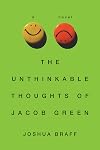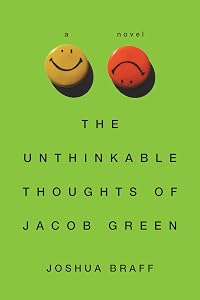
The Unthinkable Thoughts of Jacob Green
by Joshua Braff
On This Page
Description
Jacob Green, a Jewish kid from suburban New Jersey, sits on the stairs during his family's housewarming party, waiting for his father, Abram--charming host, everyone's best friend, and amateur emcee--to introduce him to the crowd. Housewarming parties, Annie Hall parties, and bar mitzvah parties punctuate Jacob's childhood and require command performances by all the Green family members. But when the confetti settles and the drapes are drawn, the affable Abram Green becomes an egotistical show more tyrant whose emotional rages rupture the lives of his family. Jacob doesn't mean to disappoint his father, but he can't help thinking the most unthinkable (and very funny) thoughts about public-school humiliation, Hebrew-school disinclination, and in-home sex education (with the live-in nanny!). If only his mother hadn't started college at thirty-six (and fallen for her psychology professor). If only he were more like his rebellious older brother (suspended from Hebrew school for drawing the rabbi in a threesome with a lobster and a pig). If only Jacob could confront his overbearing father and tell him he doesn't want to sing in synagogue, attend est classes, write the perfect thank-you note, or even live in the same house with Abram Green. But, of course, he can't. That would be unthinkable. This self-assured, comic, yet piercing first novel deftly captures the struggle of an imperfect boy trying to become a suitable son. show lessTags
Recommendations
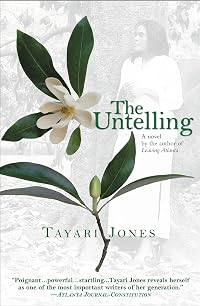
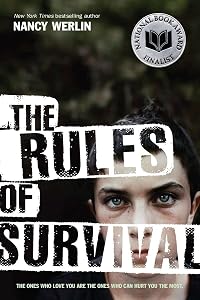
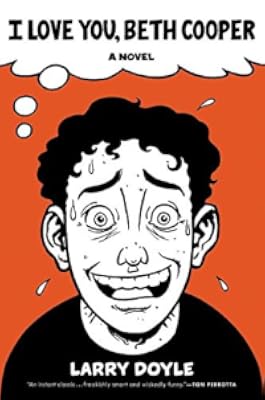
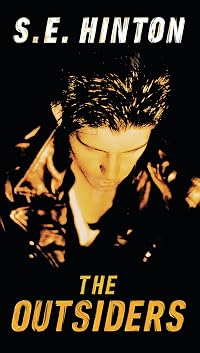
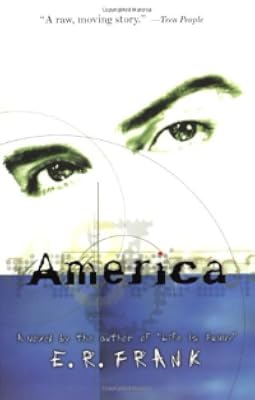
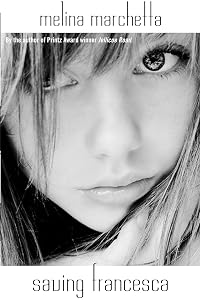
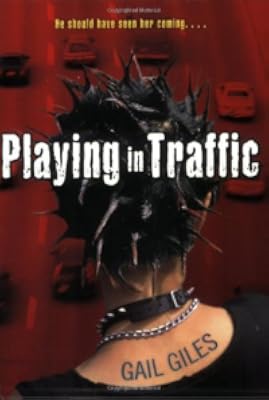
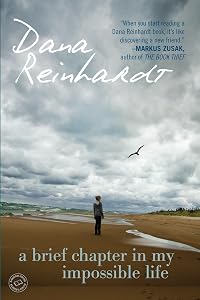

Member Recommendations
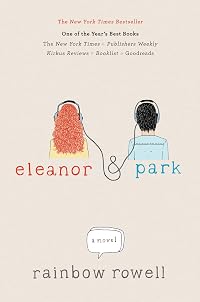
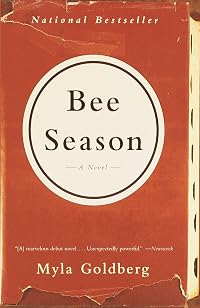
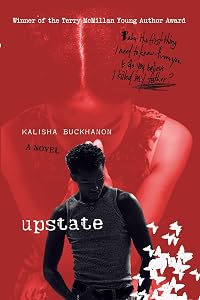
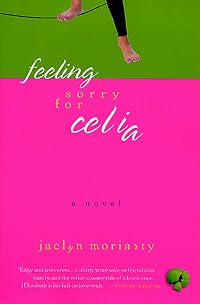
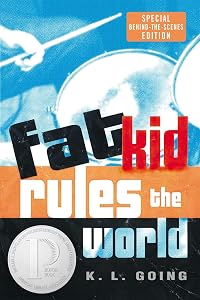
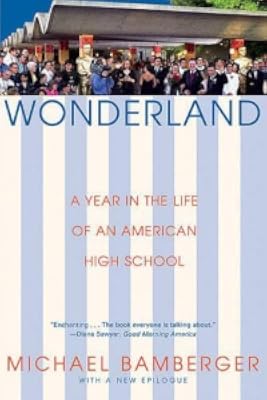
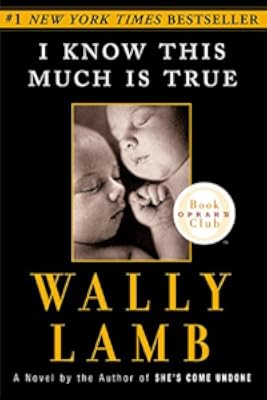
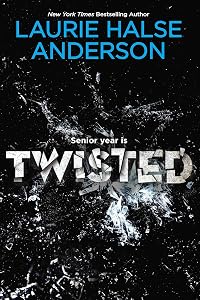
Limelite Same subject, similar themes, far better book.
Member Reviews
This is a really heavy book for YA (though I think the YA I read when I was a teenager would now be considered YA-lite). It is anything but fun and frothy -- verbally abusive parent, lots of anger and angst -- but it's written so well that you can't help but want to finish it in a single gulp. I loved Jacob's fake letters, I loved learning about what it means to grow up in a super religious (Jewish) family, and I loved the relationship between Jacob and his older brother. I would also consider this historical fiction, as it takes place in the 70s and 80s but was written just a few years ago. It really captures the time period. Bonus points for a lengthy Annie Get Your Gun reference.
I would have given this book a higher rating if not for one thing: the ending. Up until this point, Braff has built up a novel that walks the fine line of humor and gravity. And walks it well. The reader will giggle at how on the nose Braff is as we see life through 13 year old Jewish boy's eyes: boobs, masturbation, girls, boobs, and wanting to be cooler. Oh and boobs. Alternately, you feel for the protagonist with his lunatic father, absentee mother, and brother whose only concern is is the Sex Pistols and, well, sex with his punk rock girlfriend. The portrayal of Jacob is a bit reminiscent of Gantos' work: a boy who is frustrated by his inability to impress, to focus, and to be good enough just this once. However, after building up show more steam throughout the book and giving the reader a fairly intense novel, all said and done, Braff loses it. Trying to be poignant and deep, his ending falls short. Race car into a brick wall, coyote off the edge of the cliff short. All said and done though, having little experiences with male coming of age novels written expressly for Jewish kids, I enjoyed it. Up until the very end that is. show less
It seems like the subject manner is mild-mannered, but in fact, it's awfully intense. To the point where I wanted to reach through the book and strangle some characters.
It takes place in the 70's-80's, following a young Jewish boy, the middle child in a very Jewish family, growing from kid to adult. His father is some kind of theater-director/entertainer and his mother is/was a SAHM until she wants to go to college. And there's an older brother who's his best buddy, but grows more rebellious and treats him like an older brother does. Kinda like "The Wonder Years" without the Vietnam backdrop.
But the big character is the father -- the overbearing, Woody Allen-loving, temper-tantrum-having, overall-horrible human being father. Example: show more the very first scene is a moving-in party, where he drags every member of his family out in front of everyone for huge embarrassing introductions, like singing and dancing monkeys, showing them off like part of an act. Example: his son has a learning disability, but the father won't accept that his son just isn't trying hard enough. He sings praises of him to other people, but when the doors are closed, he rants and raves like a sarcastic, insulting baby. His father goes ballistic as the son keeps screwing up the Bar Mitzvah thank you cards with each try, because of the pressure. This causes an intense blow-up in the middle of the book where the father finally gets some people standing up to him.
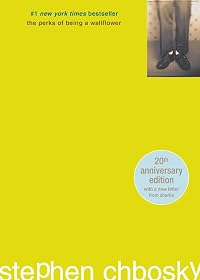
The back of the book makes it seems like a dramedy, like "The Perks of Being a Wallflower". It's not. It's about a dysfunctional family, and a mentally abusive father, combined with some coming-of-age and Jewish themes. It's better than just "drunk dad beats his kid" a la Radio Flyer. show less
It takes place in the 70's-80's, following a young Jewish boy, the middle child in a very Jewish family, growing from kid to adult. His father is some kind of theater-director/entertainer and his mother is/was a SAHM until she wants to go to college. And there's an older brother who's his best buddy, but grows more rebellious and treats him like an older brother does. Kinda like "The Wonder Years" without the Vietnam backdrop.
But the big character is the father -- the overbearing, Woody Allen-loving, temper-tantrum-having, overall-horrible human being father. Example: show more the very first scene is a moving-in party, where he drags every member of his family out in front of everyone for huge embarrassing introductions, like singing and dancing monkeys, showing them off like part of an act. Example: his son has a learning disability, but the father won't accept that his son just isn't trying hard enough. He sings praises of him to other people, but when the doors are closed, he rants and raves like a sarcastic, insulting baby. His father goes ballistic as the son keeps screwing up the Bar Mitzvah thank you cards with each try, because of the pressure. This causes an intense blow-up in the middle of the book where the father finally gets some people standing up to him.
The back of the book makes it seems like a dramedy, like "The Perks of Being a Wallflower". It's not. It's about a dysfunctional family, and a mentally abusive father, combined with some coming-of-age and Jewish themes. It's better than just "drunk dad beats his kid" a la Radio Flyer. show less
The Unthinkable Thoughts of Jacob Green by Joshua Braff reminded me of a season of Curb Your Enthusiasm. Like Larry David, Jacob’s thoughts are unfiltered and often painfully honest. Braff exposes Jacob’s life at ages ten, thirteen, and fifteen years old. A period of time when Jacob wrestles with the typical coming of age angst, but does so under the crushing weight of his overbearing jerk of a father, Abram.
Abram is where the story differs from Curb Your Enthusiasm. Abram is best summed up by a speech that Jacob imagines his mother giving:
“Such is the narcissist who must mask his fears of inadequacy by ensuring that he is perceived to be a unique and brilliant stone. In his offspring, he finds the grave limits he cannot admit in show more himself.”
If that quote doesn’t quite paint his character, think of the live-through-my-offspring mother seen on reality shows about toddler pageants and you’ve got Abram.
Thankfully, Braff uses Asher, Jacob’s older brother, to act out against and dampen Abram’s supreme rule. I mentally begged Jacob to follow in Asher’s example. To try and rebel, just a little against his father. Yet, unlike Asher, Jacob witnesses their father’s hurt from Asher’s rebellion; hurt which only helps to deepen Jacob’s loyalty to Abram.
The story delves into the psyche of the abused. Jacob is obsessed with not angering his father. He has plenty of opportunities to break free of his dad’s tyranny, but doesn’t take them.
A friend of mine who works in legal cases dealing with abused spouses told me that an abused wife typically ends up in the hospital seven times before leaving her husband. And, that’s an adult. It’s harder for kids. Braff realistically demonstrates the intense loyalty that some children feel toward their abusing parent. Like Jacob, the children possess a naïve optimistic hope that he or she can change their parent’s behavior by improving their own.
The sadness of the story is balanced by the levity of Jacob’s thoughts. A chunk of his thoughts are expressed through thank you notes that Jacob is supposedly writing. The letters are a useful literary device considering that they provide only the protagonist’s side to a conversation. The device is similar to Charlie’s diary entries in The Perks of Being a Wallflower by Stephen Chbosky and Mile’s narration in Looking for Alaska by John Green; two other novels that also deal with the banishment of innocence.
The time period is in the eighties – cassette tapes, metal rock, and big hair. One of my favorite laughs is when Jacob talks about preserving a tape forever. I tried this, but after selling our car with a tape player last spring, I finally threw out all of my well-loved mixed tapes. Tech changes rapidly, but when you’re a kid, it’s easy to imagine life as more permanent – mixed tapes as well as relationships.
The Unthinkable Thoughts of Jacob Green is fast, easy reading. If it was published today, it would potentially be categorized in the popularly growing YA genre versus its 2004 categorization as adult fiction.
Spoiler alert. The ending has no closure. I like closure; yet throughout the story Jacob grows and matures. His innocence has been tainted by his life’s events. He’s wiser, right? Braff has instilled hope that Jacob might finally act on his unthinkable thoughts. But does he? Can Jacob be loyal and be free? It’s up to the reader to decide.
review by pagecravings.com show less
Abram is where the story differs from Curb Your Enthusiasm. Abram is best summed up by a speech that Jacob imagines his mother giving:
“Such is the narcissist who must mask his fears of inadequacy by ensuring that he is perceived to be a unique and brilliant stone. In his offspring, he finds the grave limits he cannot admit in show more himself.”
If that quote doesn’t quite paint his character, think of the live-through-my-offspring mother seen on reality shows about toddler pageants and you’ve got Abram.
Thankfully, Braff uses Asher, Jacob’s older brother, to act out against and dampen Abram’s supreme rule. I mentally begged Jacob to follow in Asher’s example. To try and rebel, just a little against his father. Yet, unlike Asher, Jacob witnesses their father’s hurt from Asher’s rebellion; hurt which only helps to deepen Jacob’s loyalty to Abram.
The story delves into the psyche of the abused. Jacob is obsessed with not angering his father. He has plenty of opportunities to break free of his dad’s tyranny, but doesn’t take them.
A friend of mine who works in legal cases dealing with abused spouses told me that an abused wife typically ends up in the hospital seven times before leaving her husband. And, that’s an adult. It’s harder for kids. Braff realistically demonstrates the intense loyalty that some children feel toward their abusing parent. Like Jacob, the children possess a naïve optimistic hope that he or she can change their parent’s behavior by improving their own.
The sadness of the story is balanced by the levity of Jacob’s thoughts. A chunk of his thoughts are expressed through thank you notes that Jacob is supposedly writing. The letters are a useful literary device considering that they provide only the protagonist’s side to a conversation. The device is similar to Charlie’s diary entries in The Perks of Being a Wallflower by Stephen Chbosky and Mile’s narration in Looking for Alaska by John Green; two other novels that also deal with the banishment of innocence.
The time period is in the eighties – cassette tapes, metal rock, and big hair. One of my favorite laughs is when Jacob talks about preserving a tape forever. I tried this, but after selling our car with a tape player last spring, I finally threw out all of my well-loved mixed tapes. Tech changes rapidly, but when you’re a kid, it’s easy to imagine life as more permanent – mixed tapes as well as relationships.
The Unthinkable Thoughts of Jacob Green is fast, easy reading. If it was published today, it would potentially be categorized in the popularly growing YA genre versus its 2004 categorization as adult fiction.
Spoiler alert. The ending has no closure. I like closure; yet throughout the story Jacob grows and matures. His innocence has been tainted by his life’s events. He’s wiser, right? Braff has instilled hope that Jacob might finally act on his unthinkable thoughts. But does he? Can Jacob be loyal and be free? It’s up to the reader to decide.
review by pagecravings.com show less
This book is hard to put down. The characters are absolutely insane and the narrative is so fresh and exciting. The dynamics between Jacob and his father are heart wrenching. I would recommend this book to anyone, though teenage boys might enjoy it more than other people may. Also, as a side note, the author's brother is Zach Braff, best known for playing J.D. in Scrubs. I thought that was interesting.
The Unthinkable Thoughts of Jacob Greene is a very gut wrenching account of what it is like to grow up in an unstable home. Jacob's father is a control freak who seems clueless to what his family really thinks of him. Jacob seems to get through all of this with humor and fantasies of his babysitter Meg.
Overall this book was a page turner and had an interesting twist on growing up under the control of a truly bizarre parent.
Overall this book was a page turner and had an interesting twist on growing up under the control of a truly bizarre parent.
A searing novel, that must be based on his own childhood, about the relationship of a boy and his mercilessly narcissistic father. Very hard to read in parts. Unforgettable characterization.
Members
- Recently Added By
Lists

to get
244 works; 2 members

Vlogbrothers Book Recommendations
307 works; 4 members
Author Information
3+ Works 483 Members
Awards and Honors
Awards
Distinctions
Common Knowledge
- Dedication
- LJCRS Book Fair Selection 5768
Classifications
Statistics
- Members
- 409
- Popularity
- 76,333
- Reviews
- 18
- Rating
- (3.50)
- Languages
- English
- Media
- Paper, Ebook
- ISBNs
- 4
- ASINs
- 3