Last Days of Summer
by Steve Kluger
On This Page
Description
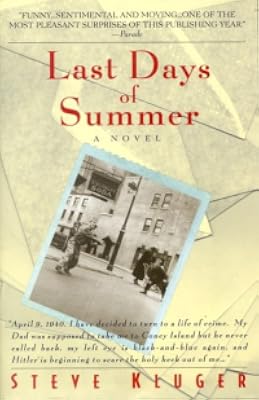
A contemporary American classic-a poignant and hilarious tale of baseball, hero worship, eccentric behavior, and unlikely friendship Last Days of Summer is the story of Joey Margolis, neighborhood punching bag, growing up goofy and mostly fatherless in Brooklyn in the early 1940s. A boy looking for a hero, Joey decides to latch on to Charlie Banks, the all-star third basemen for the New York Giants. But Joey's chosen champion doesn't exactly welcome the extreme attention of a persistent show more young fan with an overactive imagination. Then again, this strange, needy kid might be exactly what Banks needs. show lessTags
Recommendations
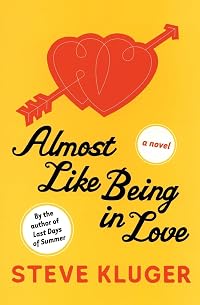

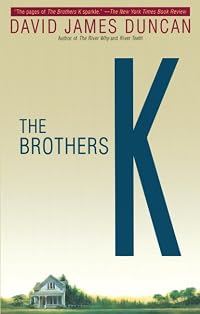


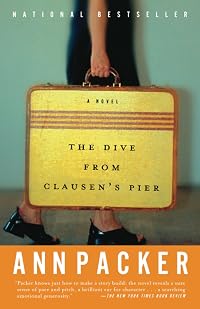


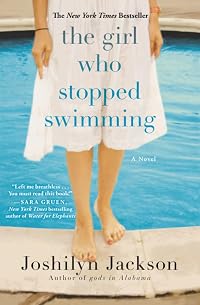

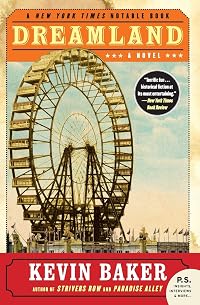
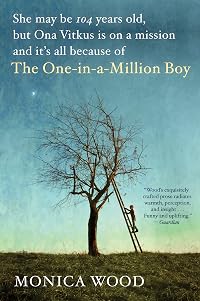
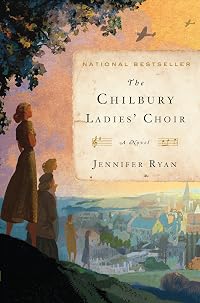
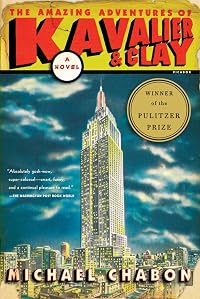


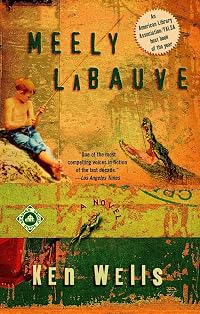
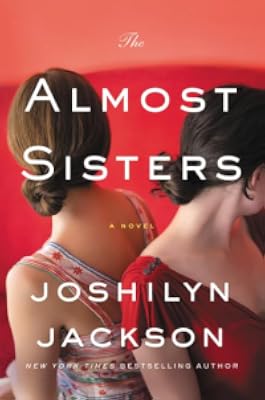
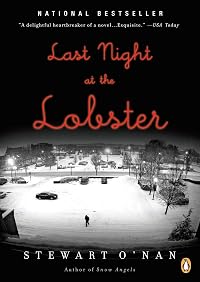

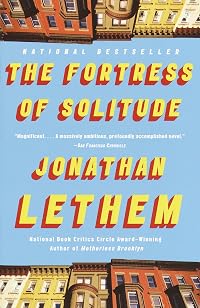

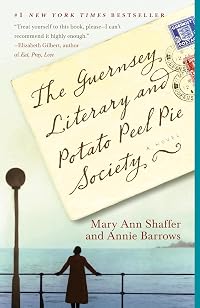
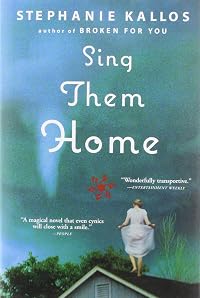
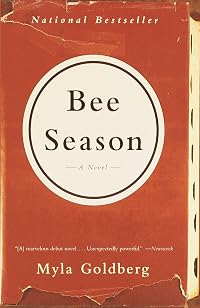
Member Recommendations
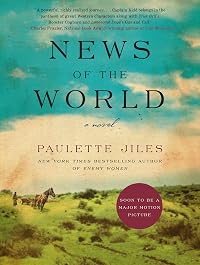
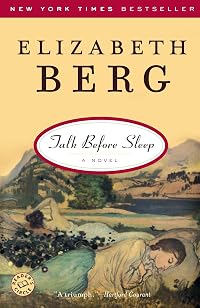
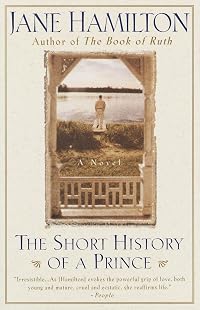
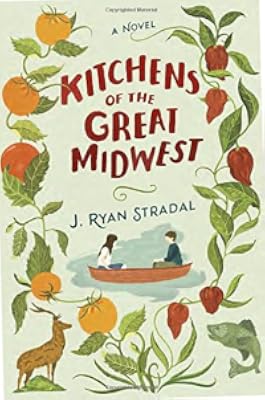
whymaggiemay Has the same warm and fuzzy/bittersweet feeling, and humor as well. In fact, I found Last Days of Summer hysterically funny. They also take place in the same time period (albiet different continents).
50
by meggyweg
Member Reviews
If you ask me, I will tell you that I am more than a little tired of books set around World War II. I will also tell you that baseball bores me silly. And yet somehow, I picked up Steve Kluger's Last Days of Summer this summer (I've had it untouched long enough that I discovered Borders bookmarks in the front) and thoroughly enjoyed this warm, delightful, hilarious, and ultimately heartbreaking epistolary novel.
It's 1940, and twelve-year-old Joey Margolis lives in Brooklyn with his mother and his aunt, his father having remarried and abandoned his son. Joey is the only Jewish kid on the block and he's bullied pretty badly so he and his best friend Craig Nakamura cook up a way to get the bullies off Joey's (and Craig's) back. Joey show more sstarts writing to Charlie Banks, an up-and-coming star third baseman, albeit a hot-headed one, on the New York Giants asking him to hit a home run for Joey. But Joey doesn't just ask for the home run, he claims to be dying of every malady under the sun as each of his letters to Banks only gets him a signed photo of the slugger rather than a radio broadcast home run dedication. Finally Charlie snaps and writes back telling Joey to cut it out with the letters. And somehow thus is born one of the most entertaining letter-writing relationships ever. Joey is precocious and highly amusing (and smart and Machiavellian) and no adult who comes into his orbit can resist him for long, not President Roosevelt's press secretary, not Charlie's teammate Stuke, not Charlie's singer girlfriend Hazel, not the rabbi in charge of Joey's Bar Mitzvah, not even his principal (although he might give his teacher a nervous breakdown). The letters that Joey sends and receives are priceless and his correspondence gives the reader a close look at what a boy his age was thinking and worrying about in the run up to WWII. In addition to hounding Charlie, he watches and interprets the situation in Europe writing to advise the president based on his deductions, and he and Craig keep eyes on their elderly German neighbor, convinced she's a spy.
All of the characters here are written convincingly and the reader will be as taken in by Joey's charm as all the other characters are. The news clippings score cards, school papers, and other ephemera included in and amongst the letters add to the period detail. Kluger includes difficult subjects here, such as the Japanese internment camps and Hitler's unchecked military advances in Europe, with a light touch but doesn't minimize them. And while the reader can see the ending coming many pages before it actually arrives, the book has to end that way. This is a book of both laughter and tears, each completely earned. You'll be touched by both Joey and Charlie and will continue to giggle when you think of them and their relationship long after you close the cover. show less
It's 1940, and twelve-year-old Joey Margolis lives in Brooklyn with his mother and his aunt, his father having remarried and abandoned his son. Joey is the only Jewish kid on the block and he's bullied pretty badly so he and his best friend Craig Nakamura cook up a way to get the bullies off Joey's (and Craig's) back. Joey show more sstarts writing to Charlie Banks, an up-and-coming star third baseman, albeit a hot-headed one, on the New York Giants asking him to hit a home run for Joey. But Joey doesn't just ask for the home run, he claims to be dying of every malady under the sun as each of his letters to Banks only gets him a signed photo of the slugger rather than a radio broadcast home run dedication. Finally Charlie snaps and writes back telling Joey to cut it out with the letters. And somehow thus is born one of the most entertaining letter-writing relationships ever. Joey is precocious and highly amusing (and smart and Machiavellian) and no adult who comes into his orbit can resist him for long, not President Roosevelt's press secretary, not Charlie's teammate Stuke, not Charlie's singer girlfriend Hazel, not the rabbi in charge of Joey's Bar Mitzvah, not even his principal (although he might give his teacher a nervous breakdown). The letters that Joey sends and receives are priceless and his correspondence gives the reader a close look at what a boy his age was thinking and worrying about in the run up to WWII. In addition to hounding Charlie, he watches and interprets the situation in Europe writing to advise the president based on his deductions, and he and Craig keep eyes on their elderly German neighbor, convinced she's a spy.
All of the characters here are written convincingly and the reader will be as taken in by Joey's charm as all the other characters are. The news clippings score cards, school papers, and other ephemera included in and amongst the letters add to the period detail. Kluger includes difficult subjects here, such as the Japanese internment camps and Hitler's unchecked military advances in Europe, with a light touch but doesn't minimize them. And while the reader can see the ending coming many pages before it actually arrives, the book has to end that way. This is a book of both laughter and tears, each completely earned. You'll be touched by both Joey and Charlie and will continue to giggle when you think of them and their relationship long after you close the cover. show less
This is the rare book I've told my husband he has to read, it's non-negotiable. Brilliant, funny, poignant. It's also one of those rare books that has a summary that exactly captures the flavour of the book itself.
But it GUTTED me. I was laughing like crazy and then suddenly I wasn't. I considered dinging it 1/2 star for this but it doesn't deserve it - the story couldn't have ended any other way and still have the same gravitas. Then, I read the "About the Author" at the end and well... gut.ted.
If you like baseball (loving baseball works even better) and the era of the 40's and don't mind a fair amount of strong language coming from the mouths of 12 year old boys, and truly enjoy laughing, this book is perfect. The vernacular used is show more in keeping with the time and place, but it might be a bit confusing - the slang isn't always easy to translate, although the context clarifies most of the obscure ones.
In my love of books, I put this one up with 84 Charing Cross Road. Even if I ended up gutted. show less
But it GUTTED me. I was laughing like crazy and then suddenly I wasn't. I considered dinging it 1/2 star for this but it doesn't deserve it - the story couldn't have ended any other way and still have the same gravitas. Then, I read the "About the Author" at the end and well... gut.ted.
If you like baseball (loving baseball works even better) and the era of the 40's and don't mind a fair amount of strong language coming from the mouths of 12 year old boys, and truly enjoy laughing, this book is perfect. The vernacular used is show more in keeping with the time and place, but it might be a bit confusing - the slang isn't always easy to translate, although the context clarifies most of the obscure ones.
In my love of books, I put this one up with 84 Charing Cross Road. Even if I ended up gutted. show less
Told entirely in letters, notes, and news clippings, Last Days of Summer is the story of Joey Margolis and Charlie Banks. In 1941, 12 year old Joey is a Jewish kid living in a part of Brooklyn where Jewish kids, particularly ones with mouths as big as Joey's, aren't treated too well. Charlie Banks is the hot-headed up and coming third baseman for the New York Giants, and he'd just as soon slug a guy for calling him a name on the basepaths as he would hit a long ball over the wall.
Joey is a smart-alecky kid with uncanny persistence and a knack for writing letters to famous people that actually elicit replies, like his correspondence with President Roosevelt and his staff, for example. It's no shocker, then, that when Joey figures that show more Charlie Banks might well be the solution to his problem with the neighborhood bullies, Charlie hardly has a chance of resisting. Soon the two are sniping back at each other in letters. It's not long, though, until their real struggles start to work their way into the letters even if they are buried in snark, fibs, and tough guy-isms. Soon, Charlie is proving himself a worthy stand-in for Joey's father, a philandering factory owner with no time for anybody but himself and his new wife, and Joey is calling his hot-tempered hero out on his unsportsmanlike conduct.
Last Days of Summer is, perhaps, a profoundly implausible story, but that small fact never crosses your mind while you're reading it. Kluger gives each of his two main characters such vivid, believable voices that you can't help coming to care about each of them quickly. Only using letters, Kluger fleshes out an entire cast of characters that include Charlie's lounge singer girlfriend, Hazel MacKay, arch enemy of Ethel Merman; Joey's mother and his aunt, a Jewish stereotype of sorts who's always saying that if things go wrong "let it be on your head;" Joey's upstairs neighbor Craig Nakamura, his partner in entrepreneurial pursuits and tracking the movements of old Mrs. Aubaugh the "German spy" with the wooden leg; Charlie's teammate Stuke, famous for making the first unassisted triple play in 21 years; not to mention Joey's Rabbi, a patient if humorless man who gets more than he bargained for when the distinctly un-Jewish Charlie steps in for Joey's dad at Joey's Bar Mitzvah.
Given all this, it's not surprising that Last Days of Summer is laugh out loud hilarious to the point that you might embarrass yourself while giggling away during lunch break while you're at a table by yourself. What is surprising, though, is the way these characters work their way into your heart while you're busy trying not to laugh too loudly in public, how the story can be heartwarming without ever crossing the line into cheesy, and how, even when you guess the ending coming from a hundred pages off, it still takes you by surprise and makes you cry like a baby. I absolutely loved this story of a pair of unlikely buddies who needed each other more than they could have guessed and of two boys who ultimately teach each other how to be men. show less
Joey is a smart-alecky kid with uncanny persistence and a knack for writing letters to famous people that actually elicit replies, like his correspondence with President Roosevelt and his staff, for example. It's no shocker, then, that when Joey figures that show more Charlie Banks might well be the solution to his problem with the neighborhood bullies, Charlie hardly has a chance of resisting. Soon the two are sniping back at each other in letters. It's not long, though, until their real struggles start to work their way into the letters even if they are buried in snark, fibs, and tough guy-isms. Soon, Charlie is proving himself a worthy stand-in for Joey's father, a philandering factory owner with no time for anybody but himself and his new wife, and Joey is calling his hot-tempered hero out on his unsportsmanlike conduct.
Last Days of Summer is, perhaps, a profoundly implausible story, but that small fact never crosses your mind while you're reading it. Kluger gives each of his two main characters such vivid, believable voices that you can't help coming to care about each of them quickly. Only using letters, Kluger fleshes out an entire cast of characters that include Charlie's lounge singer girlfriend, Hazel MacKay, arch enemy of Ethel Merman; Joey's mother and his aunt, a Jewish stereotype of sorts who's always saying that if things go wrong "let it be on your head;" Joey's upstairs neighbor Craig Nakamura, his partner in entrepreneurial pursuits and tracking the movements of old Mrs. Aubaugh the "German spy" with the wooden leg; Charlie's teammate Stuke, famous for making the first unassisted triple play in 21 years; not to mention Joey's Rabbi, a patient if humorless man who gets more than he bargained for when the distinctly un-Jewish Charlie steps in for Joey's dad at Joey's Bar Mitzvah.
Given all this, it's not surprising that Last Days of Summer is laugh out loud hilarious to the point that you might embarrass yourself while giggling away during lunch break while you're at a table by yourself. What is surprising, though, is the way these characters work their way into your heart while you're busy trying not to laugh too loudly in public, how the story can be heartwarming without ever crossing the line into cheesy, and how, even when you guess the ending coming from a hundred pages off, it still takes you by surprise and makes you cry like a baby. I absolutely loved this story of a pair of unlikely buddies who needed each other more than they could have guessed and of two boys who ultimately teach each other how to be men. show less
It is 1940 and Joey Margolis is a precocious 12 year-old living in Brooklyn with his mother and his aunt, where he serves as a punching bag for the other kids in the neighborhood. Abandoned by his father, he is desperately in need of a strong male presence in his life. Improbably, Joey starts an on-going exchange of letters with Charlie Banks, the star third baseman for the New York Giants. Those letters will ultimately change and enrich both their lives.
Last Days of Summer is basically an epistolary novel that chronicles the extent of that correspondence, interspersed with news clippings of the myriad events from that memorable time. This is a highly satisfying book that is at once charming, funny, and deeply affecting. The narrative show more itself, which uses baseball as a backdrop to a considerable extent, is really better viewed as a coming-of-age story. It is also a highly implausible tale, but the characters are so well drawn and appealing that it is easy to overlook that fact when you are reading it. I enjoyed this novel quite a bit and was more than a little sorry to see it end. show less
Last Days of Summer is basically an epistolary novel that chronicles the extent of that correspondence, interspersed with news clippings of the myriad events from that memorable time. This is a highly satisfying book that is at once charming, funny, and deeply affecting. The narrative show more itself, which uses baseball as a backdrop to a considerable extent, is really better viewed as a coming-of-age story. It is also a highly implausible tale, but the characters are so well drawn and appealing that it is easy to overlook that fact when you are reading it. I enjoyed this novel quite a bit and was more than a little sorry to see it end. show less
Joey Margolis is nothing if not persistent. He has grown up without a father for most of his days, and is looking for a role model, someone who will teach him things and care about him as a father should. He discovers Charlie Banks, 3rd baseman for the NY Giants, and begins writing letters to get Charlie to visit him by telling him he has incurable diseases or that he is blind. At first Charlie seems put-off by all of the attention, but slowly he comes around and starts to give Joey advice and become the role model Joey was looking for. The way this book is written is clever; it is a series of letters, newspaper articles, notes between friends, and telegrams. I like books written in this style. It gives it an authenticity to life. show more However, I did not like the book overall. I did not like Charlie, and didn't really see him as a hero, though for someone who is 12, as Joey is, I suppose Charlie might be. I did like Joey and his antics; I liked that he was persistent wormed his way into Charlie's life and heart. Charlie did seem to change throughout the story, but by the end, I still didn't really like him. The LA Times review said that the book "isn't about baseball. It's about a boy struggling to grow up without a father and a young man's acceptance of that role." I agree with that. show less
I spent most of an entire day reading Last Days of Summer by Steve Kluger. It’s truly one of the most touching and funniest books I’ve ever read. The story is told in an epistolary/scrapbook style (it's all in the form of letters, newspaper clippings, notes, and the occasional scorecard, telegram, or psychologist-session transcript). The main character is Joseph Margolis, a 12-year-old Jewish boy living in a predominantly Italian neighborhood of Brooklyn in 1940. Precocious doesn’t begin to describe him.
Joey tries to ward of beatings off the neighborhood boys by claiming a friendship with Charlie Banks, the NY Giants newest baseball star. He even writes letters to Charlie claiming to be dying of various hideous diseases, and show more requesting a home run be dedicated to him. Charlie’s response? "Last week it was the plague. Now it’s malaria. What do I look – stupid to you?" Nevertheless, the two strike up a hilarious friendship via correspondence. Joey also regularly writes to President Franklin D. Roosevelt and the White House Press Secretary. And at school, only Joey would submit a book report detailing his disappointment on the newest Skippy Dare Mystery Story by comparing the book to Hitler’s Mein Kampf. (It’s no coincidence that his teacher ended up taking a prolonged "vacation" shortly after this.) Highly recommended. show less
Joey tries to ward of beatings off the neighborhood boys by claiming a friendship with Charlie Banks, the NY Giants newest baseball star. He even writes letters to Charlie claiming to be dying of various hideous diseases, and show more requesting a home run be dedicated to him. Charlie’s response? "Last week it was the plague. Now it’s malaria. What do I look – stupid to you?" Nevertheless, the two strike up a hilarious friendship via correspondence. Joey also regularly writes to President Franklin D. Roosevelt and the White House Press Secretary. And at school, only Joey would submit a book report detailing his disappointment on the newest Skippy Dare Mystery Story by comparing the book to Hitler’s Mein Kampf. (It’s no coincidence that his teacher ended up taking a prolonged "vacation" shortly after this.) Highly recommended. show less
Google summary:
The Last Days of Summer is the story of Joey Margolis, neighborhood punching bag, growing up goofy and mostly fatherless in Brooklyn in the early 1940s. A boy looking for a hero, Joey decides to latch on to Charlie Banks, the all-star third baseman for the New York Giants. But Joey's chosen champion doesn't exactly welcome the extreme attention of a persistent young fan with an overactive imagination. Then again, this strange, needy kid might be exactly what Banks needs
What the summary doesn't mention is the unique writing style where the narrative is depicted through the use of letters: letters from Joey to Charlie Banks, his letters in return, the principal's letters to Joey's mother, the rabbi's letters to Charlie show more Banks, etc. This structure added to the humor and compassion that make this an enjoyable read. This is also a great portrait of Brooklyn in a time when baseball dominated the minds and hearts of city. show less
The Last Days of Summer is the story of Joey Margolis, neighborhood punching bag, growing up goofy and mostly fatherless in Brooklyn in the early 1940s. A boy looking for a hero, Joey decides to latch on to Charlie Banks, the all-star third baseman for the New York Giants. But Joey's chosen champion doesn't exactly welcome the extreme attention of a persistent young fan with an overactive imagination. Then again, this strange, needy kid might be exactly what Banks needs
What the summary doesn't mention is the unique writing style where the narrative is depicted through the use of letters: letters from Joey to Charlie Banks, his letters in return, the principal's letters to Joey's mother, the rabbi's letters to Charlie show more Banks, etc. This structure added to the humor and compassion that make this an enjoyable read. This is also a great portrait of Brooklyn in a time when baseball dominated the minds and hearts of city. show less
Members
- Recently Added By
Lists

Books That Made Me Cry
199 works; 104 members

Overdue Podcast
808 works; 9 members

Favorite Epistolary Fiction
143 works; 144 members
Author Information

9+ Works 2,245 Members
Awards and Honors
Awards
Common Knowledge
- Canonical title
- Last Days of Summer
- Original publication date
- 1998
- People/Characters
- Charlie Banks; Joey Margolis; Hazel MacKay
- Important places
- Polo Grounds, New York, USA
- Important events
- World War II
- Dedication
- For my father -
who never had a hero when he needed one. - First words
- He won't eat dinner.
- Last words
- (Click to show. Warning: May contain spoilers.)Brooklyn was - and still is - about Charlie.
Classifications
- Genres
- Fiction and Literature, General Fiction, Historical Fiction, Teen, Young Adult
- DDC/MDS
- 813.54 — Literature & rhetoric American literature in English American fiction in English 1900-1999 1945-1999
- LCC
- PS3561 .L82 .L37 — Language and Literature American literature American literature Individual authors 1961-
- BISAC
Statistics
- Members
- 772
- Popularity
- 36,342
- Reviews
- 42
- Rating
- (4.26)
- Languages
- English
- Media
- Paper, Audiobook, Ebook
- ISBNs
- 13
- ASINs
- 4