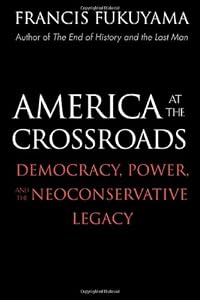
America at the Crossroads: Democracy, Power, and the Neoconservative Legacy
by Francis Fukuyama
On This Page
Description
Francis Fukuyama's criticism of the Iraq war put him at odds with neoconservatives both within and outside the Bush administration. Here he explains how, in its decision to invade Iraq, the Bush administration failed in its stewardship of American foreign policy, in making preventive war the central tenet of its foreign policy, in misjudging the global reaction to its exercise of "benevolent hegemony," and in failing to appreciate the difficulties involved in large-scale social engineering. show more Providing a history of neoconservative thought since the 1930s, Fukuyama argues that the movement's legacy is a complex one that can be interpreted quite differently than it was after the end of the Cold War. He proposes a new approach to American foreign policy, in which the positive aspects of the neoconservative legacy are joined with a more realistic view of how to use American power around the world.--From publisher description. show lessTags
Recommendations













Member Reviews
Fukuyama ebben a könyvében elmagyarázza, mi is az a neokonzervativizmus*, hogyan alakult ki, és hogy ő maga miért szakított vele. Felmerült bennem olvasás közben a kérdés, hogy miért olvasok én a neokonzervativizmusról, az USA egyik (egykori?) meghatározó eszmeáramlatáról egy olyan történelmi pillanatban, amikor az amerikai csúcspolitikát szemmel láthatóan nem eszmék, hanem egy hektikus, fura hajú milliárdos irányítja**. Továbbá: miért érdekel F. konfliktusa Bush-sal a második öbölháború miatt, amikor ez az esemény egyre inkább a múlt ködébe vész – lassan már ott tartunk, hogy könnyes nosztalgiával gondolok vissza az ifjabb Bokor Gyuri gyerekre, mint az amerikai republikánus gondolat show more egyik, tulajdonképpen vállalható képviselőjére.
Alighanem azért, mert a második öbölháború volt az a pont (és ezt Fukuyama nagyon jól érzékeli), amikor az USA elvesztegette azt az erkölcsi tőkét, amit a hidegháború végéig felhalmozott. Nem csak arról van szó, hogy amikor tömegpusztító fegyverekre hivatkozva lerohanta Irakot, akkor tulajdonképpen az egész arab világot maga ellen fordította. Nem is csak arról, hogy miután lebontotta Szaddám államát, képtelen volt helyette életképesebbet létrehozni, így létrejött azt a hatalmi űr, ami a dzsihadista szervezeteknek kedvezett – ezzel pedig a permanens háborúnak egy olyan fokozatát hozta létre, amit egésze egyszerűen nem lehet megnyerni hagyományos reguláris hadsereggel, legyen az akármilyen high-tech. A fő probléma az, hogy az USA hagyományos szövetségeseinek ekkor lett tele a hócipője az egypólusú világrenddel, ekkor mondtak először határozottan nemet arra a „jóindulatú hegemóniára”, amire hivatkozva Bush önkényesen beavatkozott egy távoli geopolitikai régióban. Mert a „jóindulatú hegemónia” csak addig működik, amíg a felek többé-kevésbé meg vannak győződve róla, hogy a nagyhatalom erejét bölcsen, a közösség érdekeit szem előtt tartva használja fel. Konfliktusok persze már az öbölháború előtt is voltak, de ekkor még az USA hivatkozhatott arra, hogy egy egyértelműen negatív erő (a Szovjetunió) ellensúlya, és az elvárhatónál nagyobb erőfeszítést tesz azért, hogy a világ többé részét megvédje. De Bush esetében már más volt a helyzet: Bush döntései nem tűntek bölcsnek, és az sem látszott, hogy saját érdekein kívül más is befolyásolná a döntésben – ez pedig létrehozta azt a szakadást a demokratikus blokkon belül, ami máig is érzékelhető.
Fukuyama azért is bírálja Busht, mert kisajátította és kifordította a neokonzervatív eszmét. A neokonzervatívok ugyanis hagyományosan szkeptikusak azzal kapcsolatban, hogy egy állam mechanikusan, erőből demokratizálható – ők (Fukuyamával együtt) inkább abban hisznek, hogy ezek a változások a történelmi időben fokozatosan, bizonyos intézmények létrejötte után, „természetes módon” jönnek létre. Ezzel szemben Bush fogta magát, és páros lábbal beleugrott az egészbe, a gondoknak egy egészen bámulatos spirálját indítva el.
Jól összeszedett, világos okfejtésekre alapozó könyv. Még pár jól eltalált jóslat is akad benne (például hogy a terrorizmus elleni harc színtere Nyugat-Európa lesz), ha valaki igényli az ilyesmit.
* Ami nem tévesztendő össze az európai konzervativizmussal. Főképp azért, mert az európai konzervativizmus jórészt nem elválasztható a nemzetben és etnikumban való gondolkodástól – ami viszont értelemszerűen Amerikában sosem lehetett meghatározó tényező. Ami ezt a világnak azon a felén pótolja, az a Függetlenségi Nyilatkozat felsőbbrendűségébe vetett hit, ami gyakran elképesztő erkölcsi magabiztossággal párosul, és azzal az őszinte hittel, hogy a világ akkor tenné magával a legjobbat, ha hallgatna a bölcs és tiszta Egyesült Államokra.
** Merthogy az nem eszme, hogy „Make America Great Again”. Hiszen MILYEN a „Nagy Amerika”? Ha tényleg azt akarnák, hogy Amerika nagy legyen, akkor a legegyszerűbb volna azt a tervezett kerítést Mexikó túlsó határára emelni – és hopp, Amerika máris nagyobb lenne egy mexikónyival. És ez egy csapásra megoldaná az illegális bevándorlás problémáját is. show less
Alighanem azért, mert a második öbölháború volt az a pont (és ezt Fukuyama nagyon jól érzékeli), amikor az USA elvesztegette azt az erkölcsi tőkét, amit a hidegháború végéig felhalmozott. Nem csak arról van szó, hogy amikor tömegpusztító fegyverekre hivatkozva lerohanta Irakot, akkor tulajdonképpen az egész arab világot maga ellen fordította. Nem is csak arról, hogy miután lebontotta Szaddám államát, képtelen volt helyette életképesebbet létrehozni, így létrejött azt a hatalmi űr, ami a dzsihadista szervezeteknek kedvezett – ezzel pedig a permanens háborúnak egy olyan fokozatát hozta létre, amit egésze egyszerűen nem lehet megnyerni hagyományos reguláris hadsereggel, legyen az akármilyen high-tech. A fő probléma az, hogy az USA hagyományos szövetségeseinek ekkor lett tele a hócipője az egypólusú világrenddel, ekkor mondtak először határozottan nemet arra a „jóindulatú hegemóniára”, amire hivatkozva Bush önkényesen beavatkozott egy távoli geopolitikai régióban. Mert a „jóindulatú hegemónia” csak addig működik, amíg a felek többé-kevésbé meg vannak győződve róla, hogy a nagyhatalom erejét bölcsen, a közösség érdekeit szem előtt tartva használja fel. Konfliktusok persze már az öbölháború előtt is voltak, de ekkor még az USA hivatkozhatott arra, hogy egy egyértelműen negatív erő (a Szovjetunió) ellensúlya, és az elvárhatónál nagyobb erőfeszítést tesz azért, hogy a világ többé részét megvédje. De Bush esetében már más volt a helyzet: Bush döntései nem tűntek bölcsnek, és az sem látszott, hogy saját érdekein kívül más is befolyásolná a döntésben – ez pedig létrehozta azt a szakadást a demokratikus blokkon belül, ami máig is érzékelhető.
Fukuyama azért is bírálja Busht, mert kisajátította és kifordította a neokonzervatív eszmét. A neokonzervatívok ugyanis hagyományosan szkeptikusak azzal kapcsolatban, hogy egy állam mechanikusan, erőből demokratizálható – ők (Fukuyamával együtt) inkább abban hisznek, hogy ezek a változások a történelmi időben fokozatosan, bizonyos intézmények létrejötte után, „természetes módon” jönnek létre. Ezzel szemben Bush fogta magát, és páros lábbal beleugrott az egészbe, a gondoknak egy egészen bámulatos spirálját indítva el.
Jól összeszedett, világos okfejtésekre alapozó könyv. Még pár jól eltalált jóslat is akad benne (például hogy a terrorizmus elleni harc színtere Nyugat-Európa lesz), ha valaki igényli az ilyesmit.
* Ami nem tévesztendő össze az európai konzervativizmussal. Főképp azért, mert az európai konzervativizmus jórészt nem elválasztható a nemzetben és etnikumban való gondolkodástól – ami viszont értelemszerűen Amerikában sosem lehetett meghatározó tényező. Ami ezt a világnak azon a felén pótolja, az a Függetlenségi Nyilatkozat felsőbbrendűségébe vetett hit, ami gyakran elképesztő erkölcsi magabiztossággal párosul, és azzal az őszinte hittel, hogy a világ akkor tenné magával a legjobbat, ha hallgatna a bölcs és tiszta Egyesült Államokra.
** Merthogy az nem eszme, hogy „Make America Great Again”. Hiszen MILYEN a „Nagy Amerika”? Ha tényleg azt akarnák, hogy Amerika nagy legyen, akkor a legegyszerűbb volna azt a tervezett kerítést Mexikó túlsó határára emelni – és hopp, Amerika máris nagyobb lenne egy mexikónyival. És ez egy csapásra megoldaná az illegális bevándorlás problémáját is. show less
I have read, or attempted to read, other books by Fukuyama. This one strikes me as much more focused, probably draws a lot from his lectures as a professor. If it's been a long time since you took a poly sci course, this brings you up to speed on the tenets and practice of neoconservatism, realpolitik, etc. and how they have altered in the wake of the Cold War.
Fukuyama used to consider himself a neoconservative. The invasion of Iraq seems to have been a turning point. One of those cases where he didn't stop being a neoconservative in his own eyes (like the Kissinger school, historically neoconservatives have been very skeptical about the chances for vast social engineering) but the many neoconservatives veered in another direction. show more Thus the title I see on some other editions: After the Neocons.
Even if you're not much interested in that vein, if you have any interest in how developing countries can make the transition of industrialization, there's a neat synopsis re how thinking has evolved since the early post-colonial era. How come massive infrastructure worked here but not there? The two tracks of economic development and political/institutional development. That part could be more wide ranging, imo, but at least there are references. show less
Fukuyama used to consider himself a neoconservative. The invasion of Iraq seems to have been a turning point. One of those cases where he didn't stop being a neoconservative in his own eyes (like the Kissinger school, historically neoconservatives have been very skeptical about the chances for vast social engineering) but the many neoconservatives veered in another direction. show more Thus the title I see on some other editions: After the Neocons.
Even if you're not much interested in that vein, if you have any interest in how developing countries can make the transition of industrialization, there's a neat synopsis re how thinking has evolved since the early post-colonial era. How come massive infrastructure worked here but not there? The two tracks of economic development and political/institutional development. That part could be more wide ranging, imo, but at least there are references. show less
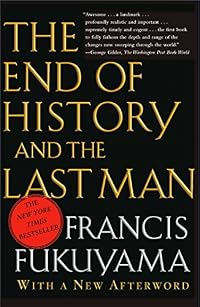
(Aug 2006) Fukuyama is most famous for declaring "the end of history" in the 90's, by which he meant that worldwide liberal democracy is an equilibrium state we are quickly approaching. He has served as a kind of independent public spokesman for the neoconservative movement.
I have to admit I got this book in the hope of seeing Fukuyama do a bit of back-stabbing, and I wasn't disappointed. He distances himself from Bush's theory of unilateral pre-emption (this is obscured as he tries to draw a fine distinction between 'pre-emptive' and 'preventive' war). He argues that the U.S. should focus on soft power. On the other hand, he continues to believe that U.S. power (applied wisely) is a vital positive influence in world affairs.
Were I more show more expert in this area I'm sure I would have found much to criticize, but the overall thesis is hard to argue with.
(Incidentally, I read this immediately after Chomsky's Imperial Ambitions, and it was quite a change of pace!) show less
I have to admit I got this book in the hope of seeing Fukuyama do a bit of back-stabbing, and I wasn't disappointed. He distances himself from Bush's theory of unilateral pre-emption (this is obscured as he tries to draw a fine distinction between 'pre-emptive' and 'preventive' war). He argues that the U.S. should focus on soft power. On the other hand, he continues to believe that U.S. power (applied wisely) is a vital positive influence in world affairs.
Were I more show more expert in this area I'm sure I would have found much to criticize, but the overall thesis is hard to argue with.
(Incidentally, I read this immediately after Chomsky's Imperial Ambitions, and it was quite a change of pace!) show less
Very interesting book. Provides insight into Bush administration agendas and activiities that are very different from other sources. Some interesting references, also.
Ratings
Members
- Recently Added By
Author Information

66+ Works 8,145 Members
Yoshihiro Francis Fukuyama was born October 27, 1952 in the Hyde Park neighborhood of Chicago. Fukuyama received his Bachelor of Arts degree in classics from Cornell University, where he studied political philosophy under Allan Bloom. He initially pursued graduate studies in comparative literature at Yale University, going to Paris for six months show more to study under Roland Barthes and Jacques Derrida, but became disillusioned and switched to political science at Harvard University. There, he studied with Samuel P. Huntington and Harvey Mansfield, among others. He earned his Ph.D. in Political Science from Harvard for his thesis on Soviet threats to intervene in the Middle East. In 1979, he joined the global policy think tank RAND Corporation. Fukuyama was the Omer L. and Nancy Hirst Professor of Public Policy in the School of Public Policy at George Mason University from 1996 to 2000. Until July 10, 2010, he was the Bernard L. Schwartz Professor of International Political Economy and Director of the International Development Program at the Paul H. Nitze School of Advanced International Studies of Johns Hopkins University, located in Washington, D.C. He is now Olivier Nomellini Senior Fellow and resident in the Center on Democracy, Development, and the Rule of Law at the Freeman Spogli Institute for International Studies at Stanford University. Fukuyama is best known as the author of The End of History and the Last Man, in which he argued that the progression of human history as a struggle between ideologies is largely at an end, with the world settling on liberal democracy after the end of the Cold War and the fall of the Berlin Wall in 1989. Fukuyama predicted the eventual global triumph of political and economic liberalism. He has written a number of other books, among them Trust: The Social Virtues and the Creation of Prosperity and Our Posthuman Future: Consequences of the Biotechnology Revolution. His latest work The Origins of Political Order: From Prehistoric Times to the French Revolution made Publisher's Weekly Best Seller's List for 2011. (Bowker Author Biography) show less
Awards and Honors
Distinctions
Notable Lists
Series
Belongs to Publisher Series
Common Knowledge
- Canonical title
- America at the Crossroads: Democracy, Power, and the Neoconservative Legacy
- Alternate titles
- After the neocons : America at the crossroads
- Original publication date
- 2006-02
Classifications
- Genres
- Politics and Government, Nonfiction, General Nonfiction, Philosophy, History
- DDC/MDS
- 327.73 — Society, Government, and Culture Political science International Relations: Spies North America United States
- LCC
- JZ1480 .F85 — Political Science International relations International relations Scope of international relations. Political theory. Scope of international relations with regard to
- BISAC
Statistics
- Members
- 384
- Popularity
- 81,142
- Reviews
- 4
- Rating
- (3.47)
- Languages
- 10 — Dutch, English, French, German, Hungarian, Japanese, Polish, Portuguese, Russian, Spanish
- Media
- Paper
- ISBNs
- 14
- ASINs
- 2