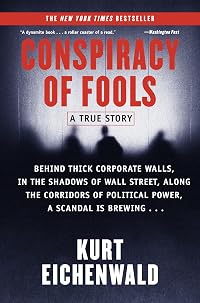
Conspiracy of Fools: A True Story
by Kurt Eichenwald
On This Page
Description
In late 2001, the Enron Corporation--a darling of the financial world, a company whose executives were friends of presidents and the powerful--imploded virtually overnight, leaving vast wreckage in its wake and sparking a criminal investigation that would last for years. Journalist Eichenwald transforms the Enron scandal into a rip-roaring narrative of epic proportions, suitable for readers of thrillers and business books alike. In the roller-coaster style of a novel, the narrative takes show more readers behind every closed door--from the Oval Office to the executive suites, from the highest reaches of the Justice Department to the homes and bedrooms of the top officers. It is a tale of global reach--from Houston to Washington, from Bombay to London, from Munich to Sao Paolo--laying out the unbelievable scenes that twisted together to create this shocking true story. show lessTags
Recommendations
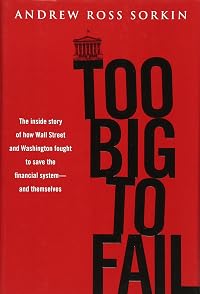
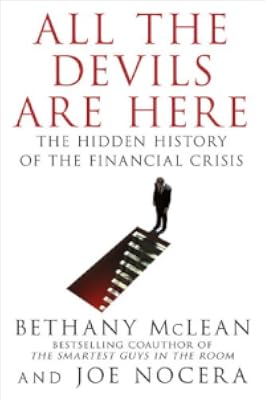
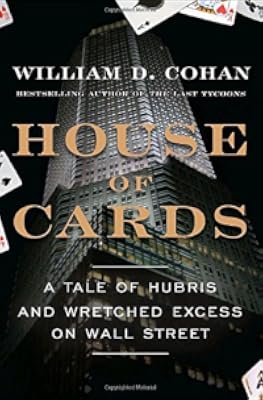
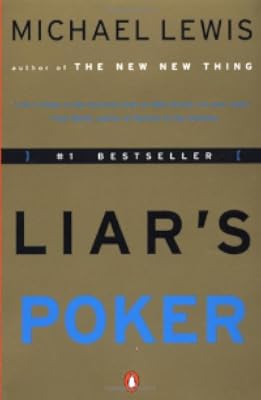
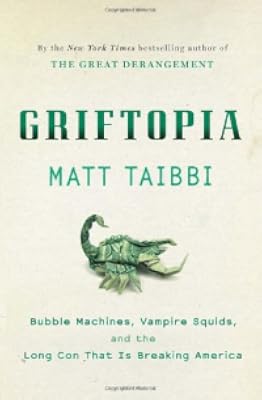
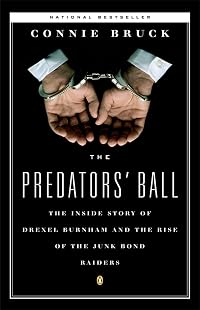
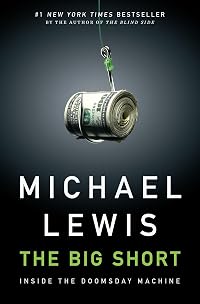
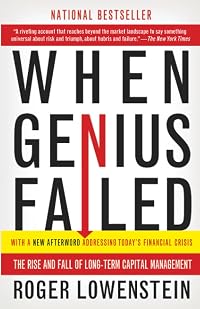
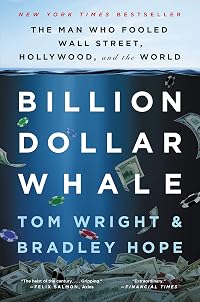
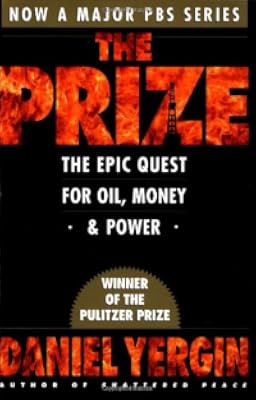
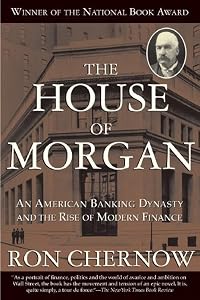
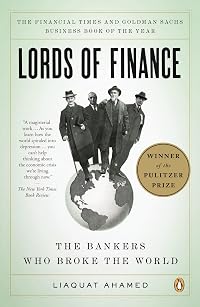
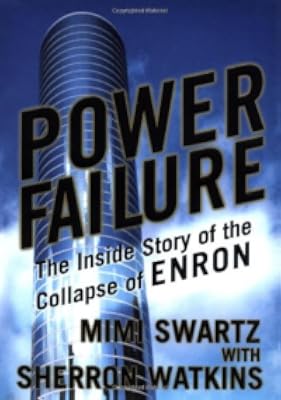
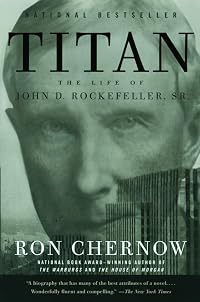

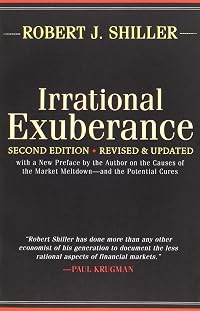
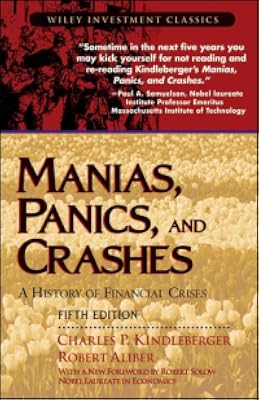
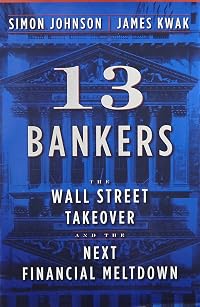
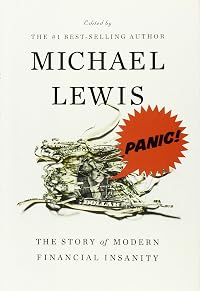
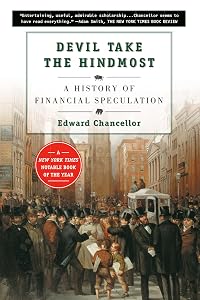
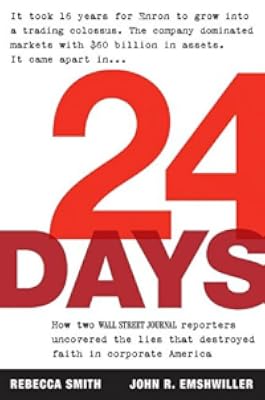
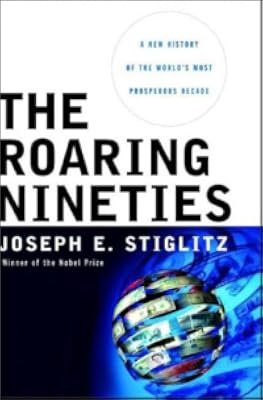
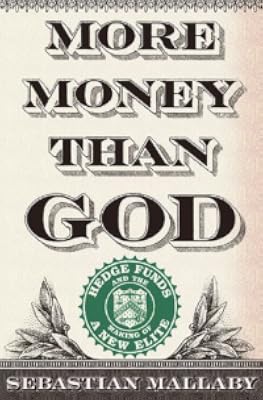

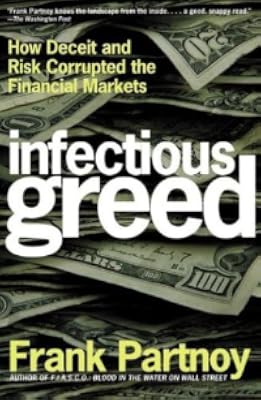
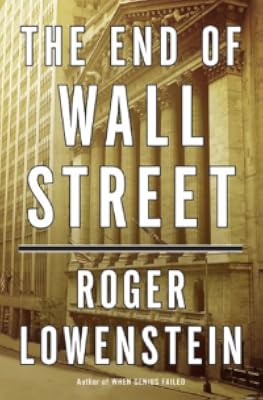
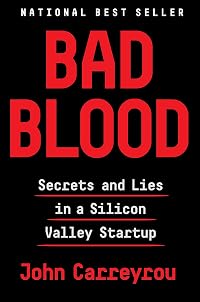
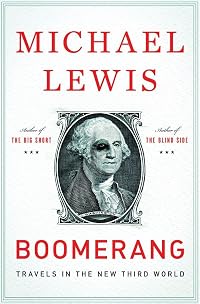
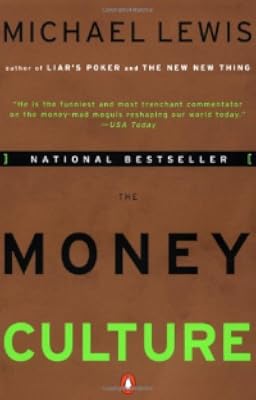
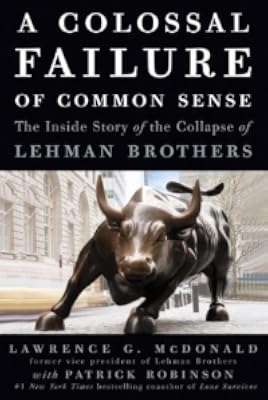
Member Recommendations
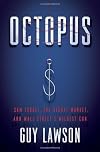
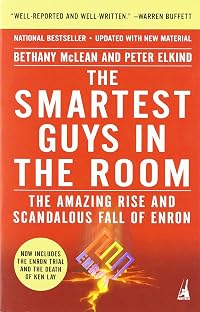
bjornar Readers who enjoyed reading about the shenanigans of Enron executives in Kurt Eichenwald’s Conspiracy of Fools would like Guy Lawson's Octopus as well. They are both fast-paced, suspenseful and set in the rarefied reaches of corporate finance, although Lawson clearly implies that there is far less fiction involved in his book. Whereas Eichenwald admits he freely filled in the blanks with fiction, Lawson says he got his story straight from the main source of his book, Sam Israel. Much of the story in Octopus could not be verified, however, so the reader is left to take it at face value.
Member Reviews
If Shakespeare was alive, he would have stolen this book's plot and written a play: The Tragical Death of Enron. It's got it all.
An aging ruler must choose his successor - a boring, responsible guy or an exciting, dashing, brilliant risk taker. He chooses the risk taker. But although his successor is exciting and bold, he lacks the inner strength and moral compass to guide the kingdom. Things quickly start to go wrong, so he chooses a clever man to look after the kingdom's money - one he knows will cheat and lie for him. But in the end, the clever man cheats and lies for himself, and the new leader, full of hubris, is brought down by his inability to face his own failure. The kingdom ends up in ruins, the risk taker is imprisoned, the show more old ruler dies broken and shamed, and the thief walks away with millions.
It's a great story, and all true. show less
An aging ruler must choose his successor - a boring, responsible guy or an exciting, dashing, brilliant risk taker. He chooses the risk taker. But although his successor is exciting and bold, he lacks the inner strength and moral compass to guide the kingdom. Things quickly start to go wrong, so he chooses a clever man to look after the kingdom's money - one he knows will cheat and lie for him. But in the end, the clever man cheats and lies for himself, and the new leader, full of hubris, is brought down by his inability to face his own failure. The kingdom ends up in ruins, the risk taker is imprisoned, the show more old ruler dies broken and shamed, and the thief walks away with millions.
It's a great story, and all true. show less
“This, then, is more than the tale of one company’s fall from grace. It is, at its base, the story of a wrenching period of economic and political tumult as revealed through a single corporate scandal. It is a portrait of an America in upheaval at the turn of the twenty-first century, a country torn between its worship of fast money and its zeal for truth, between greed and high-mindedness, between Wall Street and Main Street. Ultimately, it is the story of the untold damage wreaked by a nation’s folly—a folly that, in time, we are all but certain to see again.”
This book chronicles the rise and fall of Enron, the American energy company headquartered in Houston, that declared bankruptcy in late 2001. It centers on the actions show more of the company’s executives, board of directors, and management. It also portrays the downfall of auditing giant Arthur Andersen. I know people who were impacted by the company’s implosion. I always wondered what, specifically, had happened. This book provides the answers.
It is well-written in a series of vignettes focused on the key players. I have to give the author credit for making a book about accounting, finance, and consulting into a riveting page-turner. I think it helps to have a background in one or more of these disciplines to fully appreciate the details, but anyone can spot the greed, hubris, incompetence, and blind trust that led, ultimately, to the ignominious downfall and huge losses of jobs, pensions, and investments.
“Ultimately, it was Enron’s tragedy to be filled with people smart enough to know how to maneuver around the rules, but not wise enough to understand why the rules had been written in the first place.” show less
This book chronicles the rise and fall of Enron, the American energy company headquartered in Houston, that declared bankruptcy in late 2001. It centers on the actions show more of the company’s executives, board of directors, and management. It also portrays the downfall of auditing giant Arthur Andersen. I know people who were impacted by the company’s implosion. I always wondered what, specifically, had happened. This book provides the answers.
It is well-written in a series of vignettes focused on the key players. I have to give the author credit for making a book about accounting, finance, and consulting into a riveting page-turner. I think it helps to have a background in one or more of these disciplines to fully appreciate the details, but anyone can spot the greed, hubris, incompetence, and blind trust that led, ultimately, to the ignominious downfall and huge losses of jobs, pensions, and investments.
“Ultimately, it was Enron’s tragedy to be filled with people smart enough to know how to maneuver around the rules, but not wise enough to understand why the rules had been written in the first place.” show less
An incredible feat of writing and reporting. A totally compelling read! However, it made me so angry with corporate America- they never learn. The same companies and the same motives- "money for nothing, get your kicks for free" has propelled this country into decades of financial crisis, including the doozy of a crisis we are emeshed in now. How Eichenwald and his staff were able to understand what the hell Enron was even doing on a daily basis is beyond me. All it seemed like they engaged in was cooking up more ways to steal and scheme- like 5 times a day, every day. It makes you sick.
Conspiracy of Fools is the story of Enron, from beginning to collapse, researched and presented in excruciating detail. It's a horror story of greed, incompetence, arrogance, and willful ignorance. And it's a cautionary tale depicting the importance of accounting. (dusting off my accounting degree here) It's also thought-provoking, particularly with regard to the contradictory nature of American business--what's good for the actual business isn't necessarily what's good for the stockholders, and vice versa.
The first quarter or so of the book, I spent a lot of time flipping back to the the cast of characters in the front of the book, and being frustrated by the way it jumped between characters and POVs. After I became familiar with the show more major players, it read much more smoothly.
The other thing that drove me nuts for quite a while was that so many scenes were described with precise dates, sometimes even down to the minute. I kept expecting those times to be significant in some way, but they never were. I eventually realized that it was supposed to be proof of how accurate the research was, but I just found it distracting.
There's more detail than I expected, but in this kind of book, I appreciated that--it felt like I got a clearer picture of not only what happened, but why, and how it was allowed to happen.
Other than that, it was fascinating, and horrifying. Reading it was like watching a series of train wrecks, or a horror movie where you're screaming at the bimbo not to go up the stairs, but she does anyway. I'm glad I read it. show less
The first quarter or so of the book, I spent a lot of time flipping back to the the cast of characters in the front of the book, and being frustrated by the way it jumped between characters and POVs. After I became familiar with the show more major players, it read much more smoothly.
The other thing that drove me nuts for quite a while was that so many scenes were described with precise dates, sometimes even down to the minute. I kept expecting those times to be significant in some way, but they never were. I eventually realized that it was supposed to be proof of how accurate the research was, but I just found it distracting.
There's more detail than I expected, but in this kind of book, I appreciated that--it felt like I got a clearer picture of not only what happened, but why, and how it was allowed to happen.
Other than that, it was fascinating, and horrifying. Reading it was like watching a series of train wrecks, or a horror movie where you're screaming at the bimbo not to go up the stairs, but she does anyway. I'm glad I read it. show less
I read Smartest Guys in the Room a few years ago. I have surely forgotten all the details by now, but having read that book probably made this book more fun to read. This book doesn't lay out a continuous narrative, but jumps from scene to scene. It's pretty easy to stitch together the story from the scenes, but still I wonder if part of my ease was just that this was the second time through for me.
Without a doubt the scenes that Eichenwald gives us include lots of rich details. This book definitely gives a solid telling of the Enron disaster.
Eichenwald pretty much pins the disaster on Fastow. The other players look more like dupes. I can't say how accurate this is. It's definitely good motivation to learn a bit of accounting! And a show more nice portrayal of the difference between fraud and an attempt to provide accurate accounting. show less
Without a doubt the scenes that Eichenwald gives us include lots of rich details. This book definitely gives a solid telling of the Enron disaster.
Eichenwald pretty much pins the disaster on Fastow. The other players look more like dupes. I can't say how accurate this is. It's definitely good motivation to learn a bit of accounting! And a show more nice portrayal of the difference between fraud and an attempt to provide accurate accounting. show less
Well, it was certainly a good book and a great subject, and there are only a few bazillion hour long books that can keep my attention like this book. It was really great, and the narrator was really great, but despite all the protestations of the author that he can't just proffer an opinion about Skilling, he sure makes it apparent in the book. Bad ol' Fastow with all the bad stuff he did... and poor unknowing Skilling who just wanted to help the company... awwwww. Yup, he sure doesn't have an opinion. Still, it was an incredible book and seems to have been super-well researched book and I enjoyed learning even more about the scummiest company on earth (no, that's not true, I'm sure there are lots of companies just as scummy... why, show more heck, I believe Shkreli is in the news this week). show less
This large (nearly 700 pages) book is not the sort of thing I usually read. It is the true story of the Enron collapse nearly 10 years ago now. But Kurt Eichenwald, a New York Times reported who covered the financial beat and reported on the unfolding story has written a real page turner of a story that had me reading late into the night, enthralled. Let's just say it is no surprise to me now why our economy is in the shape it is in. Greed and politics are no strangers.
The only weakness in the book is that it ends too soon, before you know what happened to the main players in the story, although a quick search of Google or Wikipedia will bring you up to speed. Suffice it to say, if you ever find yourself in this situation, make sure you show more are the first one running to the police offering to rat your fellows out. It will save you about 25 years behind bars. show less
The only weakness in the book is that it ends too soon, before you know what happened to the main players in the story, although a quick search of Google or Wikipedia will bring you up to speed. Suffice it to say, if you ever find yourself in this situation, make sure you show more are the first one running to the police offering to rat your fellows out. It will save you about 25 years behind bars. show less
Members
- Recently Added By
Lists

Page Turners
185 works; 11 members
Author Information

8 Works 2,148 Members
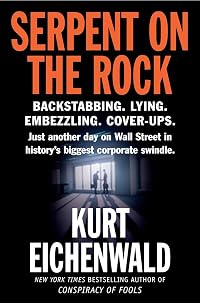
Kurt Eichenwald has been selected by The Journal of Financial Reporting as one of the nation's most influential business reporters, and has twice in the past three years won the prestigious George Polk Award for excellence in journalism. For The New York Times, he has covered some of the highest-profile news stories emanating from the business show more world. His bestselling book, Serpent on the Rock, was one of Newsweek's Hot Summer Reads of 1995. Eichenwald lives in Scarsdale, New York, with his wife and three children. (Publisher Provided) Kurt Eichenwald is a journalist and best-selling author. He is the author of Serpent on the Rock, Conspiracy of Fools, and The Informand. Eichenwald is a two-time winner of the George Polk Award for Excellence in Journalism in 1995 and 1998, for articles about the dialysis industry and fraud at the nation's largest hospital company, Columbia/HCA Healthcare Corporation. He was a finalist for the Pulitzer Prize in 2000, along with his Times colleague Gina Kolata, for an investigation of medical clinical trials. In 2006, he won the Payne Award for Ethics in Journalism and the Best in Business Enterprise Award from the Society of American Business Editors and Writers. (Bowker Author Biography) show less
Some Editions
Awards and Honors
Awards
Distinctions
Common Knowledge
- Canonical DDC/MDS
- 333.790973
- Canonical LCC
- HD9502.U54
Classifications
- Genres
- Business, General Nonfiction, Nonfiction, History
- DDC/MDS
- 333.790973 — Society, government, & culture Economics Economics of land and energy Conservation, Alternative Energy Sources Energy - alternative, renewable Standard subdivisions Biography; History by Place North America United States
- LCC
- HD9502 .U54 — Social sciences Industries. Land use. Labor Industries. Land use. Labor Special industries and trades Energy industries. Energy policy. Fuel trade
- BISAC
Statistics
- Members
- 930
- Popularity
- 28,611
- Reviews
- 27
- Rating
- (4.14)
- Languages
- English, German
- Media
- Paper, Audiobook, Ebook
- ISBNs
- 11
- ASINs
- 6