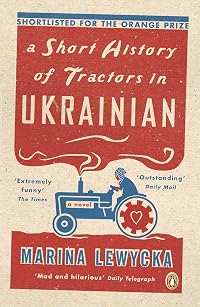
A Short History of Tractors in Ukrainian
by Marina Lewycka
On This Page
Description
With this wise, tender, and deeply funny novel, Marina Lewycka takes her place alongside Zadie Smith and Monica Ali as a writer who can capture the unchanging verities of family. When an elderly and newly widowed Ukrainian immigrant announces his intention to remarry, his daughters must set aside their longtime feud to thwart him. For their father's intended is a voluptuous old-country gold digger with a proclivity for green satin underwear and an appetite for the good life of the West. As show more the hostilities mount and family secrets spill out, A Short History of Tractors in Ukrainian combines sex, bitchiness, wit, and genuine warmth in its celebration of the pleasure of growing old disgracefully. show lessTags
Recommendations










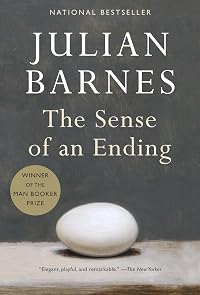
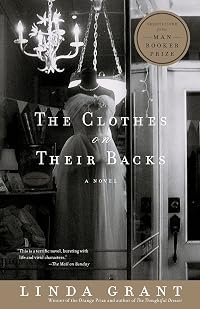
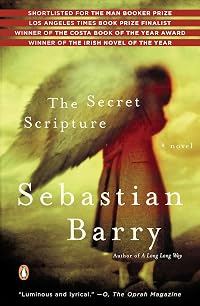
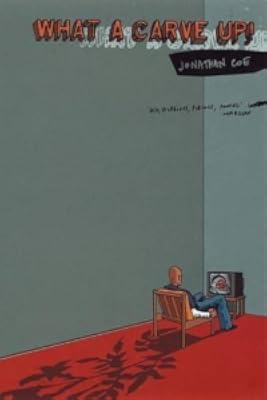
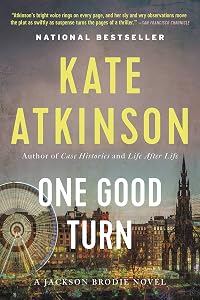
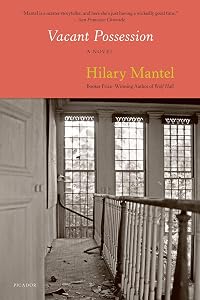
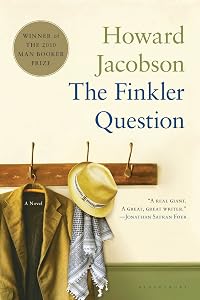
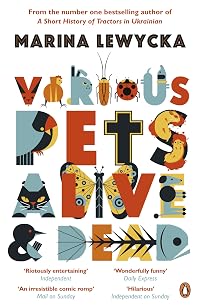
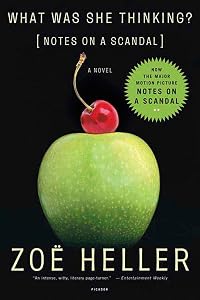
Member Recommendations
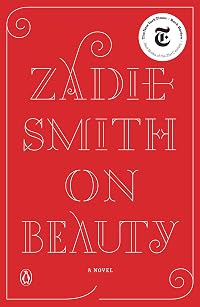
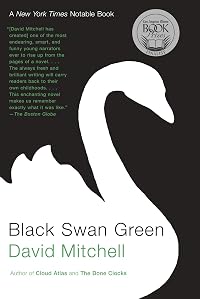
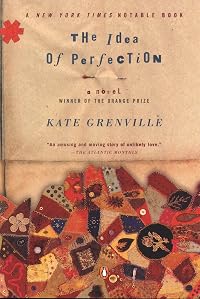
norabelle414 These books could possibly be the same story from different points of view. They're both very entertaining stories, and contain just the right amount of history and culture of Ukraine.
20

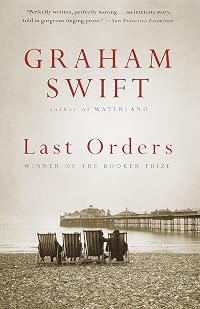
PilgrimJess Gives a far better insight into Ukrainian history if that is what you are looking for.
Member Reviews
This is one of the best books I've read in recent memory. The book is not light or fluffy -- it deals with important, serious themes -- but it is genuinely funny. The writing is excellent. The only thing I'm not sure about is the ending -- I can't decide if she wraps the story up just a little too neatly. Because I anticipate forcing all of my friends and family to read this book, I will not say anything more about the content.
You won't learn much about farm implements in Lewycka's debut novel, but you will find gentle humor tinged with bittersweet observations about the lives of Eastern European immigrants in Britain. "Tractors" could be compared with Jeffery Eugenides' "Middlesex" in that it deals with the silences and omissions that are part of family life in general, and which seem to be especially prevalent among those immigrants who are fleeing the nightmares of history in their homelands. The plot is funny enough: narrator Nadia's 84-year old father falls desperately in love with a 30-something Ukrainian golddigger. But the novel is actually much deeper than the farcial plot might suggest.
Den ersten Teil des Buches habe ich vermutlich wie viele andere Leserinnen und Leser auch mit wachsender Entrüstung gelesen: Gierige, materialistisch eingestellte Osteuropäerin nimmt armen alten Mann aus. Stellenweise recht komisch, manchmal auch beklemmend.
Doch dann mischen sich neue Töne ein: Ganz so einfach sind die Schuldzuweisungen doch nicht zu verteilen. Der Vater der Erzählerin ist schwierig, er braucht Hilfe beim Baden, es gibt Probleme mit Pipi, er hat sexuelle Wünsche an seine Ehefrau, hat ihr deshalb auch eine Brustvergrößerung gezahlt, ist zänkisch - Dinge, die die (erzählende) Tochter Nadja am liebsten verdrängen würde. Dagegen stehen die eigentlichen Gründe der neuen Stiefmutter Valentina für diese Heirat: show more Ihrem Sohn die Chance auf ein besseres Leben zu ermöglichen, selbst auch jetzt schon ein besseres Leben als in der Ukraine zu führen (Wer die Verhältnisse in manchen der ehemaligen Teile der früheren UdSSR kennt, kann dies verstehen) - Nadja fängt an sich zu fragen, was sie denn an Valentinas Stelle getan hätte.
Und so, wie sich in der zweiten Ehe ihres Vaters nicht alles als so eindeutig und klar darstellt wie man beim ersten Blick vielleicht denken würde, so entwickelt sich auch das Verhältnis der beiden Töchter. Es zeigt sich, dass die große Schwester nicht einfach nur ein eiskalter materialistischer Charakter ist, sondern das es auch hier noch eine andere, weitere Wahrheit gibt, die erst nach und nach zu Tage tritt.
Es ist ein guter Unterhaltungsroman, der einem an einem aktuellen Thema zudem klar vor Augen führt, dass nichts so einfach zu sein scheint, wie man beim ersten Lesen meint. Hinter der scheinbar klaren Schwarz-Weiß-Realität (da gut und da böse) stecken unzählige Grautöne. Mich hat dies Buch ziemlich nachdenklich gestimmt.. show less
Doch dann mischen sich neue Töne ein: Ganz so einfach sind die Schuldzuweisungen doch nicht zu verteilen. Der Vater der Erzählerin ist schwierig, er braucht Hilfe beim Baden, es gibt Probleme mit Pipi, er hat sexuelle Wünsche an seine Ehefrau, hat ihr deshalb auch eine Brustvergrößerung gezahlt, ist zänkisch - Dinge, die die (erzählende) Tochter Nadja am liebsten verdrängen würde. Dagegen stehen die eigentlichen Gründe der neuen Stiefmutter Valentina für diese Heirat: show more Ihrem Sohn die Chance auf ein besseres Leben zu ermöglichen, selbst auch jetzt schon ein besseres Leben als in der Ukraine zu führen (Wer die Verhältnisse in manchen der ehemaligen Teile der früheren UdSSR kennt, kann dies verstehen) - Nadja fängt an sich zu fragen, was sie denn an Valentinas Stelle getan hätte.
Und so, wie sich in der zweiten Ehe ihres Vaters nicht alles als so eindeutig und klar darstellt wie man beim ersten Blick vielleicht denken würde, so entwickelt sich auch das Verhältnis der beiden Töchter. Es zeigt sich, dass die große Schwester nicht einfach nur ein eiskalter materialistischer Charakter ist, sondern das es auch hier noch eine andere, weitere Wahrheit gibt, die erst nach und nach zu Tage tritt.
Es ist ein guter Unterhaltungsroman, der einem an einem aktuellen Thema zudem klar vor Augen führt, dass nichts so einfach zu sein scheint, wie man beim ersten Lesen meint. Hinter der scheinbar klaren Schwarz-Weiß-Realität (da gut und da böse) stecken unzählige Grautöne. Mich hat dies Buch ziemlich nachdenklich gestimmt.. show less
What do you get when an octogenarian is intent on wedding a buxomous, gold-digging immigrant, whose romantic intentions are clearly only for the purpose of securing residency via matrimony. Throw in a pair of feuding sisters who have to forge an alliance to deal with the trials and tribulations of an aging parent, and of a marriage gone wrong, and you have a blunt (a little crass, but not obscene), oftimes funny pow-wow that makes for a deliciously delightful read.
Elderly Nikolai, a widower for two years now, has informed his two grown daughters, Vera and Nadia, that he intends to marry again. Although the women feel disconcerted by their father's news they wonder if companionship in his twilight years might be good for him. Then they meet the bride. Valentina is a buxom blonde in her mid-30's from the Ukraine who has set her sights on what she sees as 'easy pickings' - a slightly addled old gentleman who owns a home and receives a pension. She wants Nikolai to provide for her and her school-aged son and she quickly sets about demanding Western luxuries from her new husband. Vera and Nadia are appalled and want nothing more than to separate their father from this Ukranian gold-digger. This will show more prove to be an unvelievably difficult task. Nikolai professes love for his bride, and especially her surgically enhanced body, and willingly drains his bank accounts providing private schooling for his new stepson, 3 vehicles for his as-yet unlicensed wife, household appliances and clothes and make-up that somehow only make Valentina look even trashier. Valentina has no problem telling everyone what a mean, stingy man she has married and that he does not satisfy her in any way. Vera and Nadia will stop at nothing to rid their father of this leech of a woman.
This story was surprisingly funny and, at the same time, very touching. Although the focus was on the farce of a marriage and the steps the sisters took against Valentina there was an amazing backstory of Nikolai and his first wife Ludmilla and their struggles during WWII to escape the Ukraine and bring their family to safety in post-war England. I enjoyed the book for the most part but my dislike of Valentina overshadowed it too much. She was a cruel, manipulative witch who eventually became physically abusive to a defeseless old man. The author tried to make the reader feel sympathy for Valentina at times but I just couldn't do it. show less
This story was surprisingly funny and, at the same time, very touching. Although the focus was on the farce of a marriage and the steps the sisters took against Valentina there was an amazing backstory of Nikolai and his first wife Ludmilla and their struggles during WWII to escape the Ukraine and bring their family to safety in post-war England. I enjoyed the book for the most part but my dislike of Valentina overshadowed it too much. She was a cruel, manipulative witch who eventually became physically abusive to a defeseless old man. The author tried to make the reader feel sympathy for Valentina at times but I just couldn't do it. show less
A book with the first lines as follows was sure to pull me in. “Two years after my mother died, my father fell in love with a glamorous blond Ukrainian divorcée. He was eighty-four and she was thirty-six.” What I found was an engaging, sometimes funny, other times horrifying, read.
The story begins with two sisters who have a faltering relationship trying to get a handle on why their father is importing a bride from the Ukraine. After the arrival of Valentina, the Ukrainian woman who exploded into their “lives like a fluffy pink grenade”, the sisters Nadia and Vera begin to suspect that all is not well in their father’s household. They attempt to help their father with what seem to be troubling developments, but, as often show more happens with elderly people, their father resists giving up control of his own situation to others even when it would be to his advantage.
What begins as a funny story soon tumbles into darker shades of difficulty faced by an elderly gentelman who, without his new bride, would be destined to live alone. Although the situations described in this novel are (hopefully) an exaggeration of what could occur in real life, they force readers to think about them as the two daughters discuss their dad’s problems in numerous and frequent telephone conversations.
Marina Lewycka’s novel was nominated for the Man Booker Prize and short-listed for the Orange Prize. I found this book enjoyable both for its unique, interesting story line as well as for its thought-provoking subject matter. . show less
The story begins with two sisters who have a faltering relationship trying to get a handle on why their father is importing a bride from the Ukraine. After the arrival of Valentina, the Ukrainian woman who exploded into their “lives like a fluffy pink grenade”, the sisters Nadia and Vera begin to suspect that all is not well in their father’s household. They attempt to help their father with what seem to be troubling developments, but, as often show more happens with elderly people, their father resists giving up control of his own situation to others even when it would be to his advantage.
What begins as a funny story soon tumbles into darker shades of difficulty faced by an elderly gentelman who, without his new bride, would be destined to live alone. Although the situations described in this novel are (hopefully) an exaggeration of what could occur in real life, they force readers to think about them as the two daughters discuss their dad’s problems in numerous and frequent telephone conversations.
Marina Lewycka’s novel was nominated for the Man Booker Prize and short-listed for the Orange Prize. I found this book enjoyable both for its unique, interesting story line as well as for its thought-provoking subject matter. . show less
THis was a surprisingly good read. While it is ostensibly the comic story of venal migrant's marriage of cconvenience, it actually tells us a lot about Ukraine's awful 20th century history and also portrays the largely hidden traumas of an apparently successful refugee migrant family's resettlement in the UK. You also get a good dose of tractor history for free!
Members
- Recently Added By
Published Reviews
ThingScore 75
This is an odd one. Two years after the death of her mother, Nadezhda Lewis’s father, Nikolai Mayevskyj, a British resident and 1945 refugee from Ukraine, takes up with Valentina, a much more recent - and much younger - Ukrainian with a young son. The book recounts the unfolding of this relationship, through marriage and subsequent divorce proceedings and the reconciliation it brings about show more between Nadezhda and her older sister, Vera, who had become estranged following shenanigans involving their mother’s will. Nikolai is also writing the eponymous “Short History Of Tractors In Ukrainian” extracts from which are doled out throughout the book.
This is all treated in a knockabout style and the characters are well delineated. In contrast to the humorous aspects there is also Mayevskyj family backstory from Ukraine which is much more sombre. Nikolai and his wife lived through Stalin’s farm collectivisations (and famines) of the 1920s and 30s plus the German invasion of World War 2. The main thrust of the novel, though, is really about Nadezhda’s lack of intimate knowledge of this past and Vera’s insistence that things belong there, not to be dredged up.
Some infelicities: the marriage takes place in a Catholic church even though Valentina is divorced (but the priest may not know) and Peterborough (United) are playing at home but appear on the big screen on a pub TV. This latter is unlikely I would think - even if they did reach the Championship.
Lewycka makes great play of the traumatic past of the Majevskyj family but to my mind there was a whiff of “something nasty in the woodshed” about her treatment of it.
A Short History Of Tractors In Ukrainian is entertaining but ultimately strives for more than it delivers. show less
This is all treated in a knockabout style and the characters are well delineated. In contrast to the humorous aspects there is also Mayevskyj family backstory from Ukraine which is much more sombre. Nikolai and his wife lived through Stalin’s farm collectivisations (and famines) of the 1920s and 30s plus the German invasion of World War 2. The main thrust of the novel, though, is really about Nadezhda’s lack of intimate knowledge of this past and Vera’s insistence that things belong there, not to be dredged up.
Some infelicities: the marriage takes place in a Catholic church even though Valentina is divorced (but the priest may not know) and Peterborough (United) are playing at home but appear on the big screen on a pub TV. This latter is unlikely I would think - even if they did reach the Championship.
Lewycka makes great play of the traumatic past of the Majevskyj family but to my mind there was a whiff of “something nasty in the woodshed” about her treatment of it.
A Short History Of Tractors In Ukrainian is entertaining but ultimately strives for more than it delivers. show less
added by jackdeighton
The younger sister, Nadezhda, reminisces about Ukraine and ponders the country's history. She dwells on well-known tragic events: the famine, Nazi occupation, Stalin's purges, Babi Yar. The hard realism of these images is in stark contrast with the grotesque main plot. Reading this novel gave me the impression that I had read a school textbook on Ukrainian history with one eye on an episode of show more Coronation Street. show less
added by KayCliff
More than just a jovial farce about assimilation, A Short History Of Tractors in Ukrainian is spliced with family anecdotes and memories of the motherland. Nadezhda remembers her mother's salty vegetable soup and her father's prize-winning eulogy to a hydro-electric power station. More significantly, elder sister Vera comes clean about the family's wartime past, including time spent in a show more German labour camp.
Despite Lewycka's robust writing, the will-she-won't-she-stay element of Valentina's story is hard to sustain. The family ends up in court, but the outcome is predictable. show less
Despite Lewycka's robust writing, the will-she-won't-she-stay element of Valentina's story is hard to sustain. The family ends up in court, but the outcome is predictable. show less
added by KayCliff
Lists

1001 Books You Must Read Before You Die
1,448 works; 1,134 members

A Ukraine Reading List
121 works; 90 members

Fiction Featuring Cranky, Eccentric Old Folks
80 works; 35 members

Favourite Women's Prize for Fiction, Orange & Bailey's Prize contenders
132 works; 52 members

Best Books With Sisters
130 works; 30 members

Booker Prize
491 works; 62 members

Best 21st Century Books (So Far)
670 works; 86 members

Recommend the 20 best books you've read in the last five years
2,168 works; 606 members

Female Author
1,234 works; 67 members

Amusing Book Titles
146 works; 39 members

the old and the restless
62 works; 14 members

Man Booker Prize Longlist 2005
17 works; 3 members

BBC Radio 4 Bookclub
340 works; 13 members

Books With Interesting Titles
173 works; 14 members

Best family sagas
244 works; 34 members

A Novel Cure
742 works; 23 members

First Novels
373 works; 17 members

Books Read in 2016
4,666 works; 199 members

Books Read in 2022
5,168 works; 114 members

KayStJ's to-read list
1,616 works; 11 members

Books Read in 2018
4,360 works; 110 members

Books Read in 2019
4,052 works; 108 members

Books With the Most Memorable Titles
478 works; 158 members

living room bookshelf
150 works; 1 member

Favorite Books in Translation
320 works; 133 members
Author Information

Some Editions
Awards and Honors
Awards
Distinctions
Notable Lists
Series
Belongs to Publisher Series
Common Knowledge
- Canonical title*
- Kurze Geschichte des Traktors auf Ukrainisch
- Original title
- A Short History of Tractors in Ukrainian
- Original publication date
- 2005-03-31
- People/Characters
- Vera; Nikolai Mayevskyj; Nadezhda; Valentina; Stanislav
- Important places
- Peterborough, Cambridgeshire, England, UK; Cambridge, Cambridgeshire, England, UK
- Dedication
- For Dave and Sonia
- First words
- Two years after my mother died, my father fell in love with a glamorous blond Ukrainian divorcee.
- Quotations
- He was eighty-four and she was thirty-six. She exploded into our lives like a fluffy pink grenade, churning up the murky water, bringing to the surface sludge of sloughed-off memories, giving the family ghosts a kick up the b... (show all)ackside.
- Last words
- (Click to show. Warning: May contain spoilers.)'I salute the sun.'
- Original language
- English
- Canonical DDC/MDS
- 823.92
*Some information comes from Common Knowledge in other languages. Click "Edit" for more information.
Classifications
Statistics
- Members
- 6,055
- Popularity
- 2,099
- Reviews
- 254
- Rating
- (3.39)
- Languages
- 24 — Bulgarian, Catalan, Chinese, Danish, Dutch, English, Estonian, Finnish, French, German, Greek, Hungarian, Icelandic, Indonesian, Italian, Japanese, Norwegian (Nynorsk), Norwegian (Bokmål), Portuguese, Russian, Serbian, Slovenian, Spanish, Swedish
- Media
- Paper, Audiobook, Ebook
- ISBNs
- 76
- ASINs
- 20