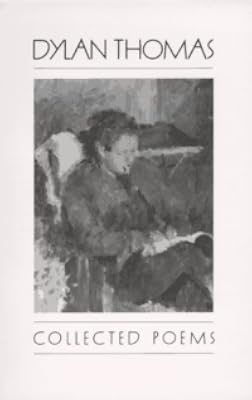
The Collected Poems of Dylan Thomas 1934-1952
by Dylan Thomas
On This Page
Description
Step into the lyrical world of one of Wales' most celebrated poets with 'Collected Poems, 1934-1952' by the renowned wordsmith, Dylan Thomas. Originally published in 1952, this timeless anthology comprises eighty-nine meticulously selected poems, each a masterpiece in its own right. Within these pages, readers are invited to explore the rich tapestry of Thomas' poetic genius, from the hauntingly defiant verses of 'Do Not Go Gentle Into That Good Night' to the triumphant proclamation of 'And show more Death Shall Have No Dominion'. Journey through the whimsical realms of 'The Song of the Mischievous Dog' and bask in the nostalgic nostalgia of 'Fern Hill'. With each poem, Thomas invites readers to delve deeper into the complexities of the human experience, weaving together themes of life, death, love, and the passage of time. 'Collected Poems, 1934-1952' stands as a testament to Thomas' mastery of language and his enduring legacy as one of the greatest poets of the twentieth century. show lessTags
Recommendations


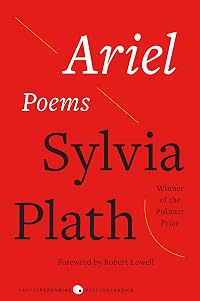
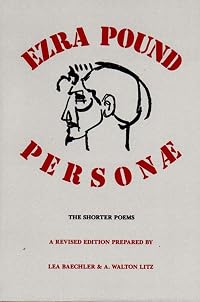

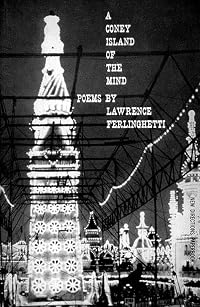
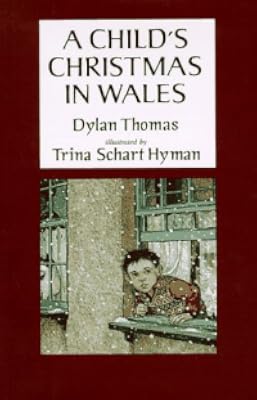
Member Recommendations
arctangent Contains "A Child's Christmas in Wales" and other important prose works by Dylan Thomas.
Member Reviews
Dylan Thomas was clearly a gifted and influential poet, with great technique and soul, and dying young certainly helped his reputation as a brooding master of the form. That said, few of the poems corralled into his Collected Poems are essential, outside of his most famous ones like 'And Death Shall Have No Dominion' or 'Do Not Go Gentle Into That Good Night'. In the extensive end-notes to this Phoenix edition, Thomas himself is quoted in a letter as acknowledging as one of his main faults "a very much overweighted imagery that leads too often to incoherence" (pg. 162) and, whilst this can read as the usual creative angst of a writer, it is the case that many of his poems are lyrical ciphers that need a lot of time to settle. The stark, show more lucidly simple 'Do Not Go Gentle Into That Good Night' is, unfortunately, not representative of his work, and a complete read of his Collected Poems does not identify any hidden challengers to it. show less
Well, as far as I am personally concerned, Dylan Thomas is one of the embodiment of everything gone wrong with poetry these days. What. a. load. of.
Sure, Dylan Thomas wrote some beautiful and moving poems, such as 'Do not go gentle into that good night' (the poem which first draw me to his work, like -I think- pretty much everybody else...). Such poems, straightforward, are deeply emotional and heartfelt, not least because they are among his most personal and autobiographical. You can relate. You can understand them. Mostly, though, they are everything but representative of his craft; as he was mostly about dabbling into metaphysical and high symbolism, displayed through flowery and over-wordy narratives, and which are (well, in my show more opinion at the very least!) nothing but pretentious gibberish. He has been compared to Rimbaud by others, and, quite frankly (as a Frenchman) I take offense: Rimbaud made sense; Thomas doesn't.
Now, I can understand his impact on lyricists and musicians (e.g. The Beatles, Bob Dylan, Patti Smith etc.), he who attached great importance to the sounding of words beyond their meanings. And indeed, there's a nice rhythm to some of his verses. The problem, though, is that by focusing on phonology over meaning, you run the risk to have meaning getting lost -and it's precisely what's happening here. Dylan Thomas' poetry is obscure, and -I personally found- indulging in drunk excesses of figurative language, with absolutely no coherence whatsoever. In fact, I would be surprised if he wasn't completely boozed off his mind while writing such drivels (e.g. I have yet to understand what does 'Altarwise by owlight' means, and it's just a title...). Well, he was 'discovered' by T.S Eliot, so I should have know better (yes: I don't like Eliot either).
Oh well! I will stick with the very (very) few ones that I like, and call the rest a day. Suit yourself. show less
Sure, Dylan Thomas wrote some beautiful and moving poems, such as 'Do not go gentle into that good night' (the poem which first draw me to his work, like -I think- pretty much everybody else...). Such poems, straightforward, are deeply emotional and heartfelt, not least because they are among his most personal and autobiographical. You can relate. You can understand them. Mostly, though, they are everything but representative of his craft; as he was mostly about dabbling into metaphysical and high symbolism, displayed through flowery and over-wordy narratives, and which are (well, in my show more opinion at the very least!) nothing but pretentious gibberish. He has been compared to Rimbaud by others, and, quite frankly (as a Frenchman) I take offense: Rimbaud made sense; Thomas doesn't.
Now, I can understand his impact on lyricists and musicians (e.g. The Beatles, Bob Dylan, Patti Smith etc.), he who attached great importance to the sounding of words beyond their meanings. And indeed, there's a nice rhythm to some of his verses. The problem, though, is that by focusing on phonology over meaning, you run the risk to have meaning getting lost -and it's precisely what's happening here. Dylan Thomas' poetry is obscure, and -I personally found- indulging in drunk excesses of figurative language, with absolutely no coherence whatsoever. In fact, I would be surprised if he wasn't completely boozed off his mind while writing such drivels (e.g. I have yet to understand what does 'Altarwise by owlight' means, and it's just a title...). Well, he was 'discovered' by T.S Eliot, so I should have know better (yes: I don't like Eliot either).
Oh well! I will stick with the very (very) few ones that I like, and call the rest a day. Suit yourself. show less
Dylan Thomas is one of the literati whose life story gives support to the generally dubious theory that drunkenness helps one be a better artist. Unfaithfulness, volatile relationships, and depression feed into the image as well. And what of his art? Of his facility with language there can be no doubt. His obsession with death is a little much (but, it should be noted, helps fill in the Portrait of the Artist as a drunken depressed guy.) Yet who has not been inspired by his plea to his dying father, reprinted in this collection, to "not go gentle into that good night: rage, rage against the dying of the light!" Dylan himself, in his preface, claims these poems are "written for the love of Man and in praise of God." In light of their show more morbidity that seems a bit of a stretch to me, but he should know. And sometimes, these sentiments actually come through:
And death shall have no dominion.
Dead men naked they shall be one
With the man in the wind and the west moon;
When their bones are picked clean and the clean bones gone,
They shall have stars at elbow and foot;
Though they go mad they shall be sane,
Though they sink through the sea they shall rise again;
Though lovers be lost love shall not;
And death shall have no dominion.
(JAF) show less
And death shall have no dominion.
Dead men naked they shall be one
With the man in the wind and the west moon;
When their bones are picked clean and the clean bones gone,
They shall have stars at elbow and foot;
Though they go mad they shall be sane,
Though they sink through the sea they shall rise again;
Though lovers be lost love shall not;
And death shall have no dominion.
(JAF) show less
Another poetry book I've not read cover-to-cover but have mined extensively. Thomas' poetry is so syllabic (to quote him) and so full of blarney and drunken verbosity that one can get bogged down with the quest for meaning. I prefer to read this as nearly incomprehensible hymns to living and nature that effect something powerful in the words and lines.
My favorite is "Poem in October" but I love to read and reread them all. I guess it is the music that is alive in Thomas' poetry that makes it come alive for me. Here is an example:
Now as I was young and easy under the apple boughs
About the lilting house and happy as the grass was green,
The night above the dingle starry,
Time let me hail and climb
Golden in the heydays of his eyes,
And honored among wagons I was prince of the apple towns,
And once below a time I lordly had the trees and leaves
Trail with daisies and barley
Down the rivers of the windfall light.
And as I was green and carefree, famous among the barns
About the happy yard and singing as the farm was home,
In the sun that is young once only,
Time let me play and be show more
Golden in the mercy of his means,
And green and golden I was huntsman and herdsman, the calves
Sang to my horn, the foxes on the hills barked clear and cold,
And the sabbath rang slowly
In the pebbles of the holy streams...
There is no other way to describe the sounds, the feeling, the being that is his poetry than to speak and listen to it. This is the "sabbath" of my life - the spirit of life in the music of poetry. show less
Now as I was young and easy under the apple boughs
About the lilting house and happy as the grass was green,
The night above the dingle starry,
Time let me hail and climb
Golden in the heydays of his eyes,
And honored among wagons I was prince of the apple towns,
And once below a time I lordly had the trees and leaves
Trail with daisies and barley
Down the rivers of the windfall light.
And as I was green and carefree, famous among the barns
About the happy yard and singing as the farm was home,
In the sun that is young once only,
Time let me play and be show more
Golden in the mercy of his means,
And green and golden I was huntsman and herdsman, the calves
Sang to my horn, the foxes on the hills barked clear and cold,
And the sabbath rang slowly
In the pebbles of the holy streams...
There is no other way to describe the sounds, the feeling, the being that is his poetry than to speak and listen to it. This is the "sabbath" of my life - the spirit of life in the music of poetry. show less
Dylan Thomas is a poet who loves the sound of words and whats more, can make even the cruelest things beautiful. He is a word-smith extrordinaire. "Do not go gentle into that good night" is one of my all time favorites, as it reminds me so much of my father who raged against death always, until the end.
Dylan Thomas - Collected Poems is a brief book. It contains poems which, according to a short introductory note by Thomas, he considered important works in his career as a poet. The poems span Thomas' career from 1934-1952 and include those for which he is best known - "Do not go gentle into that good night", "And death shall have no dominion", and "After the funeral". The poems were selected by Thomas in 1952, one year before his untimely death.
The collection starts with a prologue in verse, a lyrical piece filled with beautiful natural imagery. While much of the poetry in the book deals with death and the persistence of life in unflinching terms, the beauty of Wales and its countryside seeps through in many of Thomas' poems. His show more poetry, in blank verse, draws on natural imagery, train-of-consciousness techniques and unusual metaphors to paint a picture, or rather, give vague substance to an idea or feeling without providing clear definition. It is only occasionally, as in "The hand that signed the paper", or "This bread I break" that his meaning is clear and easy to follow. These poems are not for the lazy mind to enjoy on a summer's day. They are challenging both mentally and emotionally. Apparently, Thomas held an immortalist view of life and believed in the perseverance of the human spirit but he seems, in these poems, to be struggling with the idea of death. He's probably not the best poet to read when depressed. If you are expecting a set of poems along the lines of "A child's Christmas in Wales" you may be disappointed with this. Occasional flashes of romantic lyricism shine in poems such as "A poem in October" or "Fern Hill" but the tone is mostly somber.
If I have a quibble with this book it is not with the poetry but with the edition. The book is entirely bare of any explanatory notes, footnotes, or references. There is a brief (one paragraph) note by the author at the start and a longer note by Vernon Watkins at the end describing the incomplete state of "Elegy" but nothing at all in between. While this allows one to enjoy the poetry in its raw state, Thomas' metaphors are often unusual to the point of inscrutability. Some background and definition of obscure and Welsh terms would seem necessary for full enjoyment of the poems. If you really want to understand Thomas' work you will be forced to do further research. If you just want to let the poetry wash over you then this is a great book by a truly great poet. show less
The collection starts with a prologue in verse, a lyrical piece filled with beautiful natural imagery. While much of the poetry in the book deals with death and the persistence of life in unflinching terms, the beauty of Wales and its countryside seeps through in many of Thomas' poems. His show more poetry, in blank verse, draws on natural imagery, train-of-consciousness techniques and unusual metaphors to paint a picture, or rather, give vague substance to an idea or feeling without providing clear definition. It is only occasionally, as in "The hand that signed the paper", or "This bread I break" that his meaning is clear and easy to follow. These poems are not for the lazy mind to enjoy on a summer's day. They are challenging both mentally and emotionally. Apparently, Thomas held an immortalist view of life and believed in the perseverance of the human spirit but he seems, in these poems, to be struggling with the idea of death. He's probably not the best poet to read when depressed. If you are expecting a set of poems along the lines of "A child's Christmas in Wales" you may be disappointed with this. Occasional flashes of romantic lyricism shine in poems such as "A poem in October" or "Fern Hill" but the tone is mostly somber.
If I have a quibble with this book it is not with the poetry but with the edition. The book is entirely bare of any explanatory notes, footnotes, or references. There is a brief (one paragraph) note by the author at the start and a longer note by Vernon Watkins at the end describing the incomplete state of "Elegy" but nothing at all in between. While this allows one to enjoy the poetry in its raw state, Thomas' metaphors are often unusual to the point of inscrutability. Some background and definition of obscure and Welsh terms would seem necessary for full enjoyment of the poems. If you really want to understand Thomas' work you will be forced to do further research. If you just want to let the poetry wash over you then this is a great book by a truly great poet. show less
Members
- Recently Added By
Lists

20th Century Literature
1,161 works; 55 members

University literature
145 works; 5 members

Modernism
140 works; 8 members

Harold Bloom - The Western Canon: D. The Chaotic Age
833 works; 24 members

1964 College Preparatory Reading List
202 works; 8 members

Books You Read For University
184 works; 3 members

In Our Time books
4,934 works; 2 members
Author Information

274+ Works 15,827 Members
The most important Welsh poet of the twentieth century, Thomas was born in Swansea, about which he remembered unkindly "the smug darkness of a provincial town." He attended Swansea Grammar School but received his real education in the extensive library of his father, a disappointed schoolteacher with higher ambitions. Refusing university study in show more favor of immediately becoming a professional writer, Thomas worked first in Swansea and then in London at a variety of literary jobs, which included journalism and, eventually, filmscripts and radio plays. In 1936 he began the satisfying but stormy marriage to the bohemian writer and dancer Caitlin MacNamara that would endure for the rest of his career. His life fell into a pattern of oscillation between work and dissipation in London and recovery and relaxation in a rural retreat, usually in Wales. Thomas worked in a documentary film unit during the war. Besides his poetry, he wrote plays and fiction. In the early 1950s, he gave three celebrated poetry-reading tours of the United States, during which his outrageous behavior vied with his superb reading ability for public attention. Aggravated by chronic alcoholism, his health collapsed during the last tour, and he died in a New York City hospital. In his poetry, Thomas embraced an exuberant romanticism in the encounter between self and world and a joyous riot in the lushness of language. His work falls into three periods---an early "womb-tomb" phase during which he produced a notebook, which he later mined for further poems, a middle one troubled by marriage and war, and a final acceptance of the human condition. The exuberant rhetoric of his work belies an equally strong devotion to artistry, what he once called "my craft or sullen art." His great "Fern Hill," for example, builds its imagery of the rejoicing innocence of childhood on a strict and demanding syllabic count. A recollection of boyhood holidays on the farm of his aunt and uncle, that poem places its emotion within an Edenic framework typical of Thomas's work. The impressive sonnet sequence "Altarwise by Owl-Light" (1936) combines the internal quest of romanticism with a more elaborate religious outlook in tracing the birth and spiritual autobiography of a poet. Almost at the end of his career he produced the moving elegy "Do Not Go Gentle into That Good Night" (1952), written during the final illness of his father. Despite his periods of doubt and dissipation, Thomas celebrated the fullness of life. As he wrote in a note to his Collected Poems (1952), "These poems, with all their crudities, doubts, and confusion, are written for the love of Man and in praise of God, and I'd be a damn fool if they weren't." (Bowker Author Biography) show less
All Editions
Awards and Honors
Distinctions
Series
Belongs to Publisher Series
Aldine paperback (no. 87)
Work Relationships
Is parodied in
Has as a student's study guide
Common Knowledge
Classifications
Statistics
- Members
- 3,158
- Popularity
- 5,514
- Reviews
- 23
- Rating
- (4.15)
- Languages
- English, Finnish, Spanish
- Media
- Paper, Ebook
- ISBNs
- 25
- ASINs
- 39