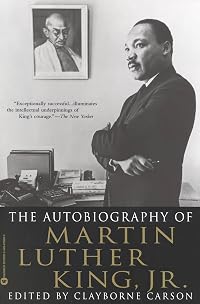
The Autobiography of Martin Luther King, Jr.
by Martin Luther King, Jr., Clayborne Carson (Editor)
On This Page
Description
With knowledge, spirit, good humor, and passion, THE AUTOBIOGRAPHY OF MARTIN LUTHER KING, JR. brings to life a remarkable man whose thoughts and actions speak to our most burning contemporary issues and still inspire the desires, hopes, and dreams of us all. Written in his own words, this history-making autobiography is Martin Luther King: the mild-mannered, inquisitive child and student who chafed under and eventually rebelled against segregation; the dedicated young minister who show more continually questioned the depths of his faith and the limits of his wisdom; the loving husband and father who sought to balance his family's needs with those of a growing, nationwide movement; and the reflective, world-famous leader who was fired by a vision of equality for people everywhere. Relevant and insightful, THE AUTOBIOGRAPHY OF MARTIN LUTHER KING, JR. offers King's seldom disclosed views on some of the world's greatest and most controversial figures: John F. Kennedy, Malcolm X, Lyndon B. Johnson, Mahatma Gandhi, and Richard Nixon. It also paints a rich and moving portrait of a people, a time, and a nation in the face of powerful change. Finally, it shows how everyday Americans from all walks of life confronted themselves, each other, and the burden of the past-and how their fears and courage helped shape our future. show lessTags
Recommendations





Member Reviews
I listened to this as an audio book and highly recommend that because of the original audio recordings in King's voice. While a few were hard to hear through background noise, I loved that element of the experience. The book takes one deeper than many typical histories of king and delves beautifully into his work for economic justice and his conflicts in doing work that brought violence down on himself and so many.
Martin Luther King Jr never wrote his autobiography, but he left sufficient books, essays, articles, sermons, interviews, letters... in a word: such a vast array of documents, that they can allow to retrace his life with quite a remarkable precision. That's exactly what Clayborne Carson, historian specialist of the Civil Right Movement in the USA, has done here; asking himself the question: what if such campaigner, 1964's Noble Prize Winner, had written his autobiography? The answer is this brilliant book.
Using the first person singular, he tells his fight against racial segregation - from the boycott of Montgomery's buses in 1955 until the march on Washington in 1963, all through his actions in Albany, the Birmingham campaign, and so show more many others. He gives us insight into the creation and evolution of his organisation (The Southern Christian Leadership Conference). He allows us in his meeting with Ghandi, Kwame Nkrumah, John F. Kennedy, Lyndon Johnson, Malcolm X... He offers us to see a pacifist whose fight, always non-violent, went way beyond the struggle against racism to also touch to helping the poor, and opposing the Vietnam war.
Each step of the pastor's life is dealt with in short chapters, all introduced by a brief chronology telling about the events that will be described. The whole is at times interrupted by letters, speeches, extracts of interviews, and other first hand materials that, far from being a distraction, provide more depth and insights to the text. Skilful, Carson in fact transcribes the documents he had access to in the first person; without, ever, taking the pen for King, give vent to his own positions and preconceived ideas of what the man may have been and thought. Indeed, such biography can be unsettling because of the use of the first person, but the author never sounds simplistic, futile, and/ or wordy. He goes straight to the point, made himself the voice of a man who transformed America, knowing perfectly well when to step back when necessary. Many could have failed miserably; not him. The historian, brilliantly, tackles his challenge perfectly well: telling Martin Luther King Jr by Martin Luther King Jr, not by Clayborne Carson.
Do we hold here the autobiography the pastor would have written himself should he had done so? In any case, it's a must read for anyone interested in the topic! show less
Using the first person singular, he tells his fight against racial segregation - from the boycott of Montgomery's buses in 1955 until the march on Washington in 1963, all through his actions in Albany, the Birmingham campaign, and so show more many others. He gives us insight into the creation and evolution of his organisation (The Southern Christian Leadership Conference). He allows us in his meeting with Ghandi, Kwame Nkrumah, John F. Kennedy, Lyndon Johnson, Malcolm X... He offers us to see a pacifist whose fight, always non-violent, went way beyond the struggle against racism to also touch to helping the poor, and opposing the Vietnam war.
Each step of the pastor's life is dealt with in short chapters, all introduced by a brief chronology telling about the events that will be described. The whole is at times interrupted by letters, speeches, extracts of interviews, and other first hand materials that, far from being a distraction, provide more depth and insights to the text. Skilful, Carson in fact transcribes the documents he had access to in the first person; without, ever, taking the pen for King, give vent to his own positions and preconceived ideas of what the man may have been and thought. Indeed, such biography can be unsettling because of the use of the first person, but the author never sounds simplistic, futile, and/ or wordy. He goes straight to the point, made himself the voice of a man who transformed America, knowing perfectly well when to step back when necessary. Many could have failed miserably; not him. The historian, brilliantly, tackles his challenge perfectly well: telling Martin Luther King Jr by Martin Luther King Jr, not by Clayborne Carson.
Do we hold here the autobiography the pastor would have written himself should he had done so? In any case, it's a must read for anyone interested in the topic! show less
This was a fantastic read.
I was looking through my calendar one day when I realized that MLK Day was a couple of weeks away. I thought about it for a second and a sudden thought hit me – my knowledge of Mr. King as a person and his accomplishments were something I knew almost nothing about. I decided to change that.
Firstly, this isn’t your usual biography. Clayborne Carson was granted access to a trove of paperwork that included King’s sermons, publications in magazines, writings and speeches. Carson put these written works together to form a type of narrative. What the reader gets is insight directly from Martin Luther King Jr. on a slew of topics.
We learn about his years in college and learn about the books and people that show more inspired him to fully follow the philosophy of non-violent protest and revolution. He deeply believed that doing so would bring about much needed change that violent protest couldn’t achieve. Starting with the Montgomery Bus Boycott and every protest that bloomed afterwards we can see that the very act of kindness and love helped bring about a change in America.
Mr. King was an extremely intelligent man. Besides his studies, he was an extremely eloquent writer. To hear him speak was one thing; I think we’ve all have gotten shivers when listening to him read his “I Have A Dream” speech. But reading his words? An absolute treat.
On his reading and learning about different theologies:
"But my intellectual odyssey on nonviolence did not end here. During my senior year in theological seminary, I engaged in the exciting reading of various theological theories. Having been raised in a rather strict fundamentalist tradition, I was occasionally shocked when my intellectual journey carried me through new and sometimes complex doctrinal lands, but the pilgrimage was always stimulating; it gave me a new appreciation for objective appraisal and critical analysis, and knocked me out of my dogmatic slumber."
I haven’t even mentioned his “Letter from Birmingham Jail”. Holy cow.
The rest of his writings are amazing and will make you a better person, if you heed his words. I finished this book feeling the same way after finishing Malcolm X’s biography: filled with a new sense of urgency to help others. To be good to each other. To try and be a better person. To be more kind and generous. To combat hate with love. Things are better solved when the hands are not clenched in a fist but open for a handshake. Highly recommend! show less
I was looking through my calendar one day when I realized that MLK Day was a couple of weeks away. I thought about it for a second and a sudden thought hit me – my knowledge of Mr. King as a person and his accomplishments were something I knew almost nothing about. I decided to change that.
Firstly, this isn’t your usual biography. Clayborne Carson was granted access to a trove of paperwork that included King’s sermons, publications in magazines, writings and speeches. Carson put these written works together to form a type of narrative. What the reader gets is insight directly from Martin Luther King Jr. on a slew of topics.
We learn about his years in college and learn about the books and people that show more inspired him to fully follow the philosophy of non-violent protest and revolution. He deeply believed that doing so would bring about much needed change that violent protest couldn’t achieve. Starting with the Montgomery Bus Boycott and every protest that bloomed afterwards we can see that the very act of kindness and love helped bring about a change in America.
Mr. King was an extremely intelligent man. Besides his studies, he was an extremely eloquent writer. To hear him speak was one thing; I think we’ve all have gotten shivers when listening to him read his “I Have A Dream” speech. But reading his words? An absolute treat.
On his reading and learning about different theologies:
"But my intellectual odyssey on nonviolence did not end here. During my senior year in theological seminary, I engaged in the exciting reading of various theological theories. Having been raised in a rather strict fundamentalist tradition, I was occasionally shocked when my intellectual journey carried me through new and sometimes complex doctrinal lands, but the pilgrimage was always stimulating; it gave me a new appreciation for objective appraisal and critical analysis, and knocked me out of my dogmatic slumber."
I haven’t even mentioned his “Letter from Birmingham Jail”. Holy cow.
The rest of his writings are amazing and will make you a better person, if you heed his words. I finished this book feeling the same way after finishing Malcolm X’s biography: filled with a new sense of urgency to help others. To be good to each other. To try and be a better person. To be more kind and generous. To combat hate with love. Things are better solved when the hands are not clenched in a fist but open for a handshake. Highly recommend! show less
At the request of the family of Martin Luther King, Jr., King Scholar Claybourne Carson used Stanford University’s vast collection of King’s essays, his speeches and interviews with King, to construct this book, which tells the story of King’s life, with particular attention on his work for Civil Rights and equal opportunities for black Americans. Each chapter focuses on a specific time, campaign or incident, and describes not only the events taking place, but King’s own determination to keep going, the difficulties that he faced – both emotionally and physically – and the reasoning behind his actions, including his absolute determination that the campaign should be non-violent.
I found the book thoroughly absorbing. King was show more clearly an eloquent man with a passionate belief in justice for all, and this comes through on every page. I knew about the man and his life prior to picking up this book, but reading his thoughts in his own words was still very enlightening. I was full of admiration for a man who knew that his work put him in physical danger and indeed saw friends and colleagues die for the cause, who felt sometimes that he was fighting a losing (non-violent) battle, who encountered differences of opinion even within his own campaign, but yet refused to give up striving for what was right and fair.
Clayborne Carson has done a wonderful job of using King’s writings to build a clear chronological narrative, and it was often heartbreaking, but never less than inspiring to read. I thoroughly recommend this book to anyone and everyone. show less
I found the book thoroughly absorbing. King was show more clearly an eloquent man with a passionate belief in justice for all, and this comes through on every page. I knew about the man and his life prior to picking up this book, but reading his thoughts in his own words was still very enlightening. I was full of admiration for a man who knew that his work put him in physical danger and indeed saw friends and colleagues die for the cause, who felt sometimes that he was fighting a losing (non-violent) battle, who encountered differences of opinion even within his own campaign, but yet refused to give up striving for what was right and fair.
Clayborne Carson has done a wonderful job of using King’s writings to build a clear chronological narrative, and it was often heartbreaking, but never less than inspiring to read. I thoroughly recommend this book to anyone and everyone. show less
Awesome and phenomenal. I wanted to know more about Martin Luther King, Jr., having only learned a cursory amount in elementary, and this book was the perfect introduction. The book is a collection of his own words and presented in chronological order, which helps the reader understand not only how the Civil Rights Movement developed but also how King developed as well. He impressed me before but this book moved me - I cried on the last chapter even though he was killed forty-nine years ago.
Martin Luther King, Jr. was a pivotal player in the fight for Civil Rights. This autobiography includes the story of his life written in his own words and pieces of his speeches.
I read the audiobook version which is read by LeVar Burton and includes audio clips of King giving some of his famous speeches. It was powerful to hear the words from his own mouth, but sometimes those segments were harder to understand because of the quality of the recording and the clapping and cheering of the crowds.
It was heartbreaking to hear about King’s struggle with the continuous threats against himself and his family. Living in fear of imminent death affected his decisions. He writes about the bus strike, his time in jail, the march to Washington show more D.C. and more. I liked learning about his father and his wife’s role in the Civil Rights fight as well. Both played important roles in helping MLKJ become the man he needed to be to take on this fight.
One of the hardest parts of the Civil Rights movement was finding a balance between the goals of all the different groups involved. He was asked to support so many different causes and politicians and it was difficult to decide which ones to back. He also advocated nonviolence in a time when violence seemed to be the only answer. His courage was infectious and deciding not to fight gave others the guts to do the same.
BOTTOM LINE: I loved learning about King’s life and work, but the format made the book difficult. It switches back and forth between his biography and his speeches. Also, the audio version switches between LeVar Burton’s narration and MLKJ’s actual speeches, this is powerful but it changes the flow of the book significantly. A good read, but it’s not a true autobiography. show less
I read the audiobook version which is read by LeVar Burton and includes audio clips of King giving some of his famous speeches. It was powerful to hear the words from his own mouth, but sometimes those segments were harder to understand because of the quality of the recording and the clapping and cheering of the crowds.
It was heartbreaking to hear about King’s struggle with the continuous threats against himself and his family. Living in fear of imminent death affected his decisions. He writes about the bus strike, his time in jail, the march to Washington show more D.C. and more. I liked learning about his father and his wife’s role in the Civil Rights fight as well. Both played important roles in helping MLKJ become the man he needed to be to take on this fight.
One of the hardest parts of the Civil Rights movement was finding a balance between the goals of all the different groups involved. He was asked to support so many different causes and politicians and it was difficult to decide which ones to back. He also advocated nonviolence in a time when violence seemed to be the only answer. His courage was infectious and deciding not to fight gave others the guts to do the same.
BOTTOM LINE: I loved learning about King’s life and work, but the format made the book difficult. It switches back and forth between his biography and his speeches. Also, the audio version switches between LeVar Burton’s narration and MLKJ’s actual speeches, this is powerful but it changes the flow of the book significantly. A good read, but it’s not a true autobiography. show less
As others have noted, this is not the autobiography of MLKJ. This is a collection of MLKJ's writings which have been edited by Clabyorne Carson into the appearance of an autobiography. In my opinion, it shouldn't claim the title it does because, due to the constraints of reality, this book necessarily presents an interpretation of an MLKJ autobiography. Though this book may represent the man himself and his beliefs very well, it still remains that Carson chose what to include, what to change, how to order the material, which selections of much longer speeches and letters to reprint, etc.
As a result, it can be pretty repetitive, somewhat superficial, and obviously incomplete. Still, for what it is (not what it claims to be), this book show more seems to be a good introduction to some of the beliefs and feelings of MLKJ, particularly highlighting his commitment to non-violence. show less
As a result, it can be pretty repetitive, somewhat superficial, and obviously incomplete. Still, for what it is (not what it claims to be), this book show more seems to be a good introduction to some of the beliefs and feelings of MLKJ, particularly highlighting his commitment to non-violence. show less
Members
- Recently Added By
Lists

Política - Clásicos
164 works; 2 members

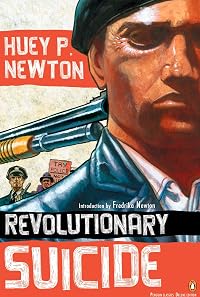
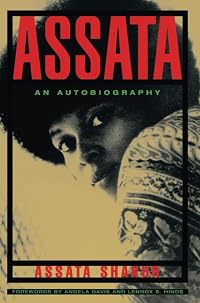
The Black Archives: All Power To the People! Reading List
79 works; 10 members
Author Information

158+ Works 13,382 Members
Martin Luther King, Jr. was born on January 15, 1929 into a middle-class black family in Atlanta, Georgia. He received a degree from Morehouse College. While there his early concerns for social justice for African Americans were deepened by reading Henry David Thoreau's essay "Civil Disobedience." He enrolled in Crozer Theological Seminary and show more there became acquainted with the Social Gospel movement and the works of its chief spokesman, Walter Rauschenbusch. Mohandas Gandhi's practice of nonviolent resistance (ahimsaahimsa) later became a tactic for transforming love into social change. After seminary, he postponed his ministry vocation by first earning a doctorate at Boston University School of Theology. There he discovered the works of Reinhold Niebuhr and was especially struck by Niebuhr's insistence that the powerless must somehow gain power if they are to achieve what is theirs by right. In the Montgomery bus boycott, it was by economic clout that African Americans broke down the walls separating the races, for without African American riders, the city's transportation system nearly collapsed. The bus boycott took place in 1954, the year King and his bride, Coretta Scott, went to Montgomery, where he had been called to serve as pastor of the Dexter Avenue Baptist Church. Following the boycott, he founded the Southern Christian Leadership Conference (SCLC) to coordinate civil rights organizations. Working through African American churches, activists led demonstrations all over the South and drew attention, through television and newspaper reports, to the fact that nonviolent demonstrations by blacks were being suppressed violently by white police and state troopers. The federal government was finally forced to intervene and pass legislation protecting the right of African Americans to vote and desegregating public accommodations. For his nonviolent activism, King received the Nobel Peace Prize in 1964. While organizing a "poor people's campaign" to persuade Congress to take action against poverty, King accepted an invitation to visit Memphis, Tennessee, where sanitation workers were on strike. There, on April 4, 1968, he was gunned down while standing on the balcony of his hotel. (Bowker Author Biography) show less

Clayborne Carson lives in Palo Alto, California. (Bowker Author Biography)
Some Editions
Series
Belongs to Publisher Series
Work Relationships
Is contained in
Has as a student's study guide
Common Knowledge
- Canonical title
- The Autobiography of Martin Luther King, Jr.
- Original publication date
- 1998
- People/Characters
- Martin Luther King, Jr.
- First words
- Editor's Preface. I first saw Martin Luther King, Jr., from a distance.
Of course I was religious. - Last words
- (Click to show. Warning: May contain spoilers.)If I can do my duty as a Christian ought, if I can bring salvation to a world once wrought, if I can spread the message as the master taught, then my living will not be in vain.
Classifications
- Genres
- Biography & Memoir, Nonfiction, Politics and Government, History, General Nonfiction
- DDC/MDS
- 323.092 — Society, government, & culture Political science Civil Rights & Liberties/ Human Rights Civil Rights Biography And History Biography
- LCC
- E185.97 .K5 .A52 — History of the United States United States Elements in the population Afro-Americans Biography. Genealogy
- BISAC
Statistics
- Members
- 1,521
- Popularity
- 15,177
- Reviews
- 16
- Rating
- (4.29)
- Languages
- 8 — Dutch, English, French, Hebrew, Italian, Portuguese, Slovenian, Swedish
- Media
- Paper, Audiobook, Ebook
- ISBNs
- 31
- UPCs
- 1
- ASINs
- 15