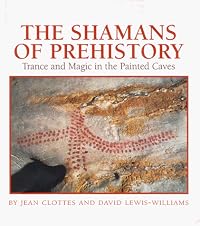
The Shamans of Prehistory: Trance and Magic in the Painted Caves
by Jean Clottes, J. David Lewis-Williams
On This Page
Description
The universality of shamanistic power and practice among today's hunter-gatherers - along with the similarity of rock art found in varied sites around the world - has led Jean Clottes and David Lewis-Williams to suggest in this new book that the great art of paleolithic caves can be best understood through the lens of shamanism. Indeed, this is not a monograph on a particular site, but a general discussion of the art of painted caves and their shamanistic meaning. Through the authors' show more revealing words and the abundant full-color illustrations, we follow shamans into their trance states, and we watch as they carefully paint and engrave on rock surfaces the shapes of animals whose power they seek. As we learn how drawings and rituals were likely modes of shamanistic contact, we understand best the actions, accomplishments, and traces left behind by prehistoric shamans. show lessTags
Recommendations









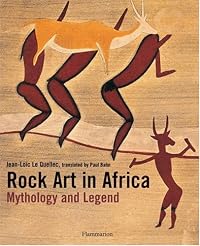

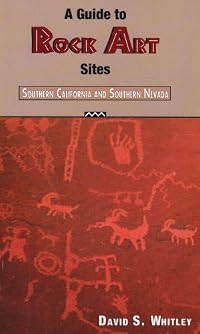

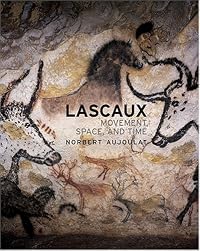
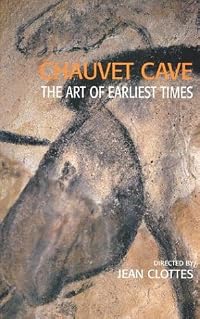













Member Reviews
Beautifully illustrated brief book for a public audience outlining Clottes’ belief in a shamanistic explanation for parietal art.
The authors review previous theories (art for art’s sake, totemism, sympathetic magic and structuralism) gauging how these theories helped or hindered our current understanding of prehistoric cave art. Examples are mostly drawn from southern Europe, but ethnographic comparisons are global. Late 20C neuropsychological research into the unity of hallucinogenic experience (3 stages of the trance state) is used as a springboard for interpretating ubiquitous symbols and construction methods across multiple locations and time periods.
Well written but occasionally appears sentences were muddled in translation show more from the French. The arguments build nicely up to the last chapter; at that point, where it does become more hypothetical, I did not always follow the argument. To keep the book shorter, I think some connecting thoughts and explanations may have been lost. A very good introduction to the cave art itself (although more images from other parts of the world would have been very helpful in seeing connections) and a solid foundation for proposing a shamanistic interpretation. show less
The authors review previous theories (art for art’s sake, totemism, sympathetic magic and structuralism) gauging how these theories helped or hindered our current understanding of prehistoric cave art. Examples are mostly drawn from southern Europe, but ethnographic comparisons are global. Late 20C neuropsychological research into the unity of hallucinogenic experience (3 stages of the trance state) is used as a springboard for interpretating ubiquitous symbols and construction methods across multiple locations and time periods.
Well written but occasionally appears sentences were muddled in translation show more from the French. The arguments build nicely up to the last chapter; at that point, where it does become more hypothetical, I did not always follow the argument. To keep the book shorter, I think some connecting thoughts and explanations may have been lost. A very good introduction to the cave art itself (although more images from other parts of the world would have been very helpful in seeing connections) and a solid foundation for proposing a shamanistic interpretation. show less
Ratings
Members
- Recently Added By
Lists

Books in the Bibliography of The Mind in the Cave by David Lewis-Williams
257 works; 1 member

In Our Time books
4,934 works; 2 members
Author Information

14 Works 455 Members
Some Editions
Common Knowledge
- Canonical title
- The Shamans of Prehistory: Trance and Magic in the Painted Caves
Classifications
- Genres
- Anthropology, Nonfiction, Art & Design, Religion & Spirituality, General Nonfiction, History
- DDC/MDS
- 709.01 — Arts & recreation Arts History, geographic treatment, biography By Period Arts of non literate peoples, and earliest times to 499 AD
- LCC
- GN803 .C5813 — Geography, Anthropology and Recreation Anthropology Anthropology Prehistoric archaeology
- BISAC
Statistics
- Members
- 113
- Popularity
- 286,514
- Reviews
- 1
- Rating
- (3.88)
- Languages
- 5 — English, French, German, Slovenian, Spanish
- Media
- Paper
- ISBNs
- 9
- ASINs
- 1