On This Page
Description
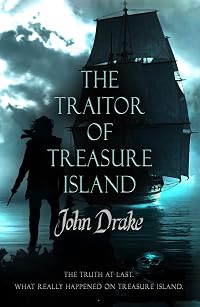
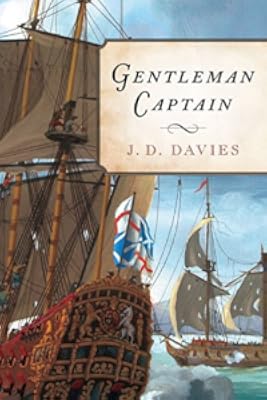
Jacob Fletcher is unsure of his parentage, but he does know that, as an apprentice, he couldn't legally be seized by the press gang. This particular gang, however, didn't abide by the law. Fletcher finds himself risking life, limb and sea sickness to save his fortune now at risk of being lost to his evil step-mother and loathsome half-brothers.Tags
Recommendations
















Member Reviews
It is 1783 and as per usual Britain is at war with France. Jacob Fletcher, uncertain of his parentage, is an apprentice to a local magistrate and mayor in the Cornish sea port of Polmouth. Being an apprentice should exempt young Fletcher from being 'pressed' but the Navy is short of men and the pressgang have been directed to grab him in particular. Fletcher soon finds himself on his majesty's frigate Phiandra, about to set sail to take on the French Navy.
Meanwhile at Coignwood Hall, the late Sir Henry, one of the richest men in Britain, lies face down in his soup whilst his beautiful but evil widow, along with their two unscrupulous sons search though his personal papers, where they learn to their horror that virtually the entire show more family fortune has been left to a previously unidentified illegitimate son.
The story is told with alternate chapters following the machinations of the loathsome step-family ashore and events aboard ship. The shipboard chapters are written in the first person by the likeable if not always credible ex-apprentice and its refreshing to see the Royal Navy viewed from its lower decks.
The story certainly doesn't lack action and generally I felt that Drake handled his onboard elements, the sailing, ship-board rivalries and gunnery, reasonably well. However, Drake does ask his readers to stretch their credulity to near breaking point to believe that within a few weeks of boarding a ship for the first time in his life our ex-apprentice is able not only master the seaman’s craft enough to for all intensive purposes take command of a frigate, but also to become the strongest, toughest and bravest hand on aboard.
Similarly I felt that the author rather over-egged hid on-land machinations a little more than was strictly necessary. However, I’m a sucker for an engaging historical yarn, and even if the ending requires one final leap of faith, Drake has produced one here. I found myself thoroughly engaged as I raced through it and will certainly be on the look out for the next book in the series. show less
Meanwhile at Coignwood Hall, the late Sir Henry, one of the richest men in Britain, lies face down in his soup whilst his beautiful but evil widow, along with their two unscrupulous sons search though his personal papers, where they learn to their horror that virtually the entire show more family fortune has been left to a previously unidentified illegitimate son.
The story is told with alternate chapters following the machinations of the loathsome step-family ashore and events aboard ship. The shipboard chapters are written in the first person by the likeable if not always credible ex-apprentice and its refreshing to see the Royal Navy viewed from its lower decks.
The story certainly doesn't lack action and generally I felt that Drake handled his onboard elements, the sailing, ship-board rivalries and gunnery, reasonably well. However, Drake does ask his readers to stretch their credulity to near breaking point to believe that within a few weeks of boarding a ship for the first time in his life our ex-apprentice is able not only master the seaman’s craft enough to for all intensive purposes take command of a frigate, but also to become the strongest, toughest and bravest hand on aboard.
Similarly I felt that the author rather over-egged hid on-land machinations a little more than was strictly necessary. However, I’m a sucker for an engaging historical yarn, and even if the ending requires one final leap of faith, Drake has produced one here. I found myself thoroughly engaged as I raced through it and will certainly be on the look out for the next book in the series. show less
Edwards asks his readers for a prodigious suspension of disbelief. It is hardly credible that a humble apprentice (all unknown to himself) should inherit the largest fortune in England. It stretches belief even further that his two half-brothers and their mother, who want the fortune for themselves, should be utterly debauched, unscrupulous and ruthless. Our credulity is further assailed upon learning that, when impressed (illegally) into the Royal Navy (it is 1793), our apprentice winds up serving in a ship one of whose officers is his murderous elder half-brother. Finally, is it possible that the apprentice should, within a few weeks of coming aboard as a landsman, not only master the seaman’s craft enough to become bosun of a show more frigate, but grow to become the biggest, strongest and – proven in single combat – toughest hand aboard? (Much of the arcana of British culture – like the rules of cricket – remains closed to me. Rather than reveal what a stone is, my English friends simply assure me that someone who weighs sixteen stone is a big man.)
Still, I’m a sucker for a good yarn, and Edwards spins an engaging one. Alternate chapters follow the machinations of his evil step-family (a suite of loathsome misdeeds that, while not naval adventure, are fun reading), and events aboard ship. It is the shipboard narrative that redeems any other flaws in the book. These chapters are written in the first person, using the voice of our roguish-but-loveable ex-apprentice. No unreliable narrator here – Jacob Fletcher is as he presents himself. It is a refreshing change to see the Royal Navy viewed from before the mast. I enjoyed the vivid and sympathetic passages of life on the gun deck. Edwards does a fine job sailing and fighting his frigate. He writes particularly well about gunnery. And the story does not lack for hot action. We are treated to a cutting out expedition, ship duels and a boarding action, all compellingly written.
Readers of historic naval fiction will not regret time spent with this book, even if the surprising resolution requires one final leap of faith. show less
Still, I’m a sucker for a good yarn, and Edwards spins an engaging one. Alternate chapters follow the machinations of his evil step-family (a suite of loathsome misdeeds that, while not naval adventure, are fun reading), and events aboard ship. It is the shipboard narrative that redeems any other flaws in the book. These chapters are written in the first person, using the voice of our roguish-but-loveable ex-apprentice. No unreliable narrator here – Jacob Fletcher is as he presents himself. It is a refreshing change to see the Royal Navy viewed from before the mast. I enjoyed the vivid and sympathetic passages of life on the gun deck. Edwards does a fine job sailing and fighting his frigate. He writes particularly well about gunnery. And the story does not lack for hot action. We are treated to a cutting out expedition, ship duels and a boarding action, all compellingly written.
Readers of historic naval fiction will not regret time spent with this book, even if the surprising resolution requires one final leap of faith. show less
An interesting premise: can the heir to Britain's greatest fortune be successful in their navy, as an up from the ranks impressed sailor turned commissioned officer. This arresting storyline with murderous other heirs including one as his commander and serious battles with French frigates are among the challenges that Fletcher must overcome. A good start to a promising series.
Ratings
Members
- Recently Added By
Author Information

19 Works 403 Members
2 Works 62 Members
Series

Work Relationships
Is contained in
Classifications
Statistics
- Members
- 43
- Popularity
- 688,185
- Reviews
- 3
- Rating
- (3.63)
- Languages
- English
- Media
- Paper, Audiobook, Ebook
- ISBNs
- 6
- ASINs
- 1