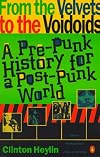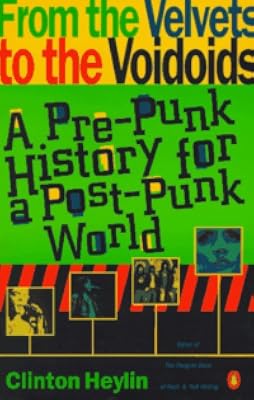
From the Velvets to the Voidoids: A Pre-Punk History for a Post-Punk World
by Clinton Heylin
On This Page
Description
Exhaustively researched and packed with unique insights, this history journeys from the punk scene's roots in the mid-1960s to the arrival of "new wave" in the early 1980s. With a cast that includes Patti Smith, Pere Ubu, Television, Blondie, the Ramones, the MC5, the Stooges, Talking Heads, and the Dead Boys, this account is the definitive story of early American punk rock. Extraordinarily balanced, it tells the story of the music's development largely through the artists' own words, while show more thoroughly analyzing and evaluating the music in a lucid and cogent manner. First published in 1993, this was the first book to tell the stories of these then-little-known bands; now, this edition has been updated with a new discography, including imports and bootlegs, and an afterword detailing the post-1970s history of these bands. Filled with insights from interviews with artists such as Lou Reed, Debbie Harry, David Byrne, Patti Smith, and Richard Hell, this book has long been considered one of the essential reads on rock rebellion. show lessTags
Recommendations
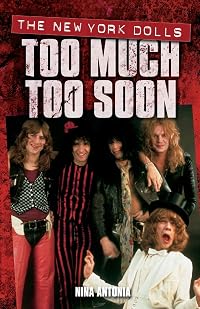
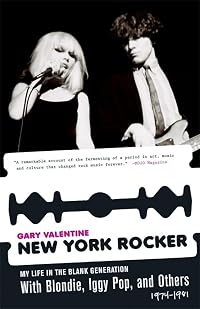
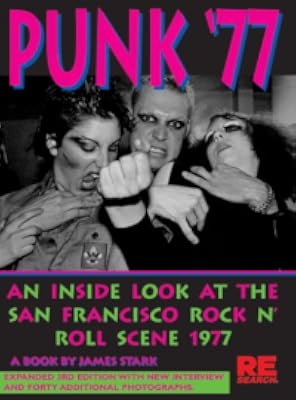
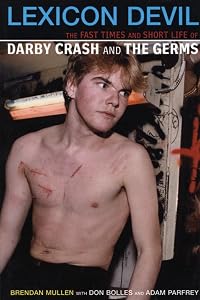





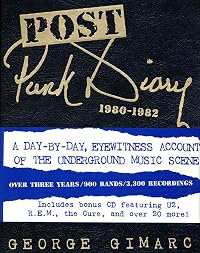
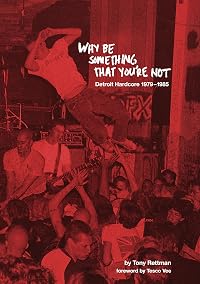
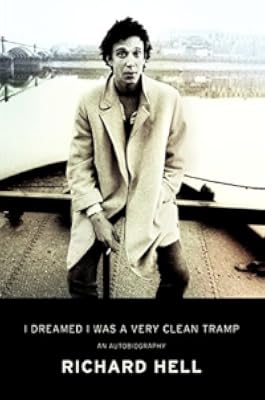


Member Recommendations

Member Reviews
Halle-fuckin-lujah. I finished this damn thing. Why would it take me nearly three months to complete a single book? Glad you asked. I was getting the itch to read a music history book--something I did regularly as a teen in the '90s, but an activity that fell largely by the wayside when the internet really became A Thing and also aided by the fact I spent my late-teens to 20s working in rekkid stos and got a lot of it just from hangin' out with friends. But I wanted to do it right. I wanted to experience as much of the music as possible, to get a sense of the progression, and listen to every album mentioned as I went along. This was SUPER rewarding, but extended read-time like a bitch. There was the relatively swift rise and fall of the show more proto-punk bands, so I could knock those out pretty quickly, but then there was the incubation period, then a mad flurry of releases, then a few detours into other off-topics, then Heydin would just blithely name-check an entire catalog--all this meaning I would have to stop reading for a week at a time so I could listen to every damn thing listed before moving on. Also, I had other shit to read. And a life.
But, as I said, the experience was a rewarding one and a process I'll be sure to repeat in the future. It was a pure joy to go back and listen to a crapload of albums languishing on my shelves (and fill in the holes thanks to my BFF's inclusion of me on her Google Play account--besos, Kate!). There were so many old favorites, but it also gave me an opportunity to experience bands that somehow slipped my radar or I didn't give a chance when I was younger or ones that I didn't care for then but found I adore now (also ones I realized I just can't--so sorry, Blondie, I really tried). The context Heydin provided along with some of his opinions (usually stated as fact) also allowed me to think a little more concretely of why I like or don't like this or that album/band/style, etc.
While I enjoyed the experience, I can't say I was always thrilled with the actual book. Heydin's prose is frequently campy--at first it was cute, but it began to wear. As stated before, there were points where his opinion were equated as fact, points where he was just kind of whiny, and points where he just wanted to brag about what he's been doing (hello, "Postlude"). But you also can't expect a punk history to not be rife with bias, and these observations did prompt me to get in my own headspace about the topic at hand, so it wasn't a total loss. Another curious notion I got from this book was that Heydin REALLY wanted to write a history of the Cleveland punk scene, but didn't have enough for a whole book. I mean, it was cool to learn more about our Ohioans' contributions, but damn...when he details every last thing about what was happening in that scene (Jesus, did I need to spend that much time with Peter Laughner?), then glosses over a prominent NY band or sub-movement, then gets super sloppy with the ending, I was about ready to poke my eyes out. Reading the book in 2017, too, came with a different perspective in the over-a-decade since the publication of this revised edition, with more heavy-hitters biting the dust (I still weep for you, Lou Reed and Scott Asheton) and considering the advent of the monumental [b:Just Kids|341879|Just Kids|Patti Smith|https://images.gr-assets.com/books/1259762407s/341879.jpg|332242], among other events.
In the end, this book clearly got me to think on some shit and gave me some really fun listening parties. I am stoked to re-re-read Just Kids and finally hunker down with M Train before a return trip to NY, probably do that John Doe history of LA Punk at some point, and continue on this slow read path of music histories. show less
But, as I said, the experience was a rewarding one and a process I'll be sure to repeat in the future. It was a pure joy to go back and listen to a crapload of albums languishing on my shelves (and fill in the holes thanks to my BFF's inclusion of me on her Google Play account--besos, Kate!). There were so many old favorites, but it also gave me an opportunity to experience bands that somehow slipped my radar or I didn't give a chance when I was younger or ones that I didn't care for then but found I adore now (also ones I realized I just can't--so sorry, Blondie, I really tried). The context Heydin provided along with some of his opinions (usually stated as fact) also allowed me to think a little more concretely of why I like or don't like this or that album/band/style, etc.
While I enjoyed the experience, I can't say I was always thrilled with the actual book. Heydin's prose is frequently campy--at first it was cute, but it began to wear. As stated before, there were points where his opinion were equated as fact, points where he was just kind of whiny, and points where he just wanted to brag about what he's been doing (hello, "Postlude"). But you also can't expect a punk history to not be rife with bias, and these observations did prompt me to get in my own headspace about the topic at hand, so it wasn't a total loss. Another curious notion I got from this book was that Heydin REALLY wanted to write a history of the Cleveland punk scene, but didn't have enough for a whole book. I mean, it was cool to learn more about our Ohioans' contributions, but damn...when he details every last thing about what was happening in that scene (Jesus, did I need to spend that much time with Peter Laughner?), then glosses over a prominent NY band or sub-movement, then gets super sloppy with the ending, I was about ready to poke my eyes out. Reading the book in 2017, too, came with a different perspective in the over-a-decade since the publication of this revised edition, with more heavy-hitters biting the dust (I still weep for you, Lou Reed and Scott Asheton) and considering the advent of the monumental [b:Just Kids|341879|Just Kids|Patti Smith|https://images.gr-assets.com/books/1259762407s/341879.jpg|332242], among other events.
In the end, this book clearly got me to think on some shit and gave me some really fun listening parties. I am stoked to re-re-read Just Kids and finally hunker down with M Train before a return trip to NY, probably do that John Doe history of LA Punk at some point, and continue on this slow read path of music histories. show less
Good chronicle of the early years of the American Punk scene.
Ratings
Members
- Recently Added By
Lists

Knup
30 works; 1 member

Bull Tongue
319 works; 2 members
Author Information

42+ Works 2,222 Members
Described by the Mew York Times as "the only Dylanologist worth reading," Clinton Heylin is the author of Dylan: Behind the Shades, which remains in print more than twenty years after publication; two volumes detailing the histories of all 610 original Dylan songs, Revolution in the Air and Still on the Road; Stolen Moments: Dylan Day by Day; and show more The Recording Sessions 1960-1994. show less
Common Knowledge
- People/Characters
- Lester Bangs; Stiv Bators (The Dead Boys); Clem Burke (Blondie); David Byrne (The Talking Heads); John Cale (The Velvet Underground); Danny Fields (show all 34); Annie Golden (The Shirts); Richard Gottehrer; Rob Gruen; Jerry Harrison (Modern Lovers | Talking Heads); Debbie Harry (Blondie); Richard Hell (Television | Voidoids); David Johansen (New York Dolls); Lenny Kaye; Hilly Kristal; Peter Laughner; Richard Lloyd (Television); Tony Maimone; Jerry Nolan (New York Dolls); Iggy Pop; Robert Quine (Voidoids); Dee Dee Ramone; Joey Ramone; Johnny Ramone; Tommy Ramone; Lou Reed; Andy Shernoff (the Dictators); Patti Smith; Chris Stein (Blondie); Marty Thau; Johnny Thunders (New York Dolls | Heartbreakers); Alan Vega (Suicide); Tom Verlaine (Television); Andy Warhol
- Important places
- New York, New York, USA; The Factory; The Bowery; Max's Kansas City, New York, New York, USA; Mercer Art's Center; CBGB
- Blurbers
- Hell, Richard; Kaye, Lenny
Classifications
Statistics
- Members
- 278
- Popularity
- 116,489
- Reviews
- 2
- Rating
- (3.84)
- Languages
- English
- Media
- Paper, Ebook
- ISBNs
- 7