
Mark Andersen
Author of Dance of Days: Two Decades of Punk in the Nation's Capital
Works by Mark Andersen
We Are The Clash: Reagan, Thatcher, and the Last Stand of a Band That Mattered (2018) — Co-Author — 45 copies, 9 reviews
Associated Works
Tagged
Common Knowledge
Members
Reviews
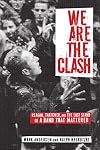
We Are the Clash is an interesting peek into the past. It tells the tale of not only the last few years of the band The Clash (in their second phase--after the firing of Mick Jones and Topper Headon), but also the political context the band was struggling in--the rise to power of Margaret Thatcher in the UK and Ronald Reagan in the US. Since I lived through those times, that part was depressing to relive, since everything those two fascists aimed for has pretty much come to pass.
It was also show more kind of sad and depressing to read about the last few years of the Clash, as they battled for their message and their music against their abusive, controlling manager Bernie Rhodes and Joe Strummer's depression and addiction.
That said, the book is a fascinating, presumably honest, read. The ends of things hurt, and the author really brought that home. I felt so bad for the new guys who got brought in to keep the Clash alive. They really tried and got treated like crap for their efforts. A lot like the coal miners in the UK. It's a shame they couldn't just have kept busking.
I received this book as an Early Reviewer. show less
It was also show more kind of sad and depressing to read about the last few years of the Clash, as they battled for their message and their music against their abusive, controlling manager Bernie Rhodes and Joe Strummer's depression and addiction.
That said, the book is a fascinating, presumably honest, read. The ends of things hurt, and the author really brought that home. I felt so bad for the new guys who got brought in to keep the Clash alive. They really tried and got treated like crap for their efforts. A lot like the coal miners in the UK. It's a shame they couldn't just have kept busking.
I received this book as an Early Reviewer. show less
 This review was written for LibraryThing Early Reviewers.
ALL THE POWER : Revolution Without Illusion: Revolution Without Illusions (Punk Planet Books) by Mark Andersen
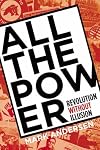
This book would probably have gotten more stars if I was younger and/or had any sort of affinity with the punk scene. This is a thoughtful and thought-provoking commentary on radical action in the United States in the past few decades. While I think the audience Andersen is reaching out to is more idealistic and purist than myself, and some of his conclusions come off as kind of smarmy, I appreciated his overall message that we must be very critical (while not crippling ourselves) of the show more organizing, activities, and lifestyles we engage in as radicals and how that relates to society in general.
One of my only issues with this book was its treatment of the Weather Underground and the question of violence as a means of radical struggle. Andersen prefaces his discussion about violence with the thesis that "the fundamental question is what will work in practical terms". He then examines the tactics and actions of the Weathermen and the Weather Underground (battles with police, going underground, the botched military club bombing, and a series of clandestine bombings of other facilities). While I think his critique of the WUO is valuable for radicals today, he goes further and tends towards chiding them for what they did and seems to point out their actions as obviously wrongheaded. Monday morning quarterbacking weakens his arguments and does not help the author make his point.
Overall a solid book. show less
One of my only issues with this book was its treatment of the Weather Underground and the question of violence as a means of radical struggle. Andersen prefaces his discussion about violence with the thesis that "the fundamental question is what will work in practical terms". He then examines the tactics and actions of the Weathermen and the Weather Underground (battles with police, going underground, the botched military club bombing, and a series of clandestine bombings of other facilities). While I think his critique of the WUO is valuable for radicals today, he goes further and tends towards chiding them for what they did and seems to point out their actions as obviously wrongheaded. Monday morning quarterbacking weakens his arguments and does not help the author make his point.
Overall a solid book. show less
I actually liked this book quite a lot. It's very much about the Clash after Headon and Jones were cashiered out---their much maligned replacements and their almost universally hated last album--Cut the Crap. It's juxtaposed by the political events of the time and how the events around the band interplayed with the politics of the time. Basically the band is in a kind of death spiral. Strummer's dad has died--his mom is very ill and he's just cut loose Headon because he can't control his show more heroin addiction and Jones because he's more interested in being a rock superstar than in delivering any kind of message.
Strummer is also under the grip of his Svengali-esque manager Bernie Rhodes and his sidekick Kosmo Vinyl. A lot of the story actually comes from the new guys--Vince White, Nick Sheppard and Pete Howard who are constantly treated like shit or with indifference. As they are working and putting together music for a new album their manager Rhodes with Strummer's grudging assent is scheming of making that same record without them.
In the meantime Britain's economy is getting a taste of Thatcher's economic neo-liberalism--the miner's strike being crushed by her militarized police state tactics and underhanded parliamentary scheming (she really was a horrible human being).....and the Clash are nowhere to be found...either touring in America or when back home with Strummer dealing with anxiety and depression.
Anyway there's quite a bit more to it than above but this particular review of mine pretty much sets out to set the parameters of what the book is about. As I said I liked it a lot. The Clash (like them or not) were always kind of a political band so mixing in the politics of the times with the story of the band and their music I don't think is out of line at all. I think it's the right thing for the authors to do. It certainly doesn't fawn over Strummer--catches him in numerous hypocrisies. If anything I have a lot more sympathy for Sheppard, White and Howard. show less
Strummer is also under the grip of his Svengali-esque manager Bernie Rhodes and his sidekick Kosmo Vinyl. A lot of the story actually comes from the new guys--Vince White, Nick Sheppard and Pete Howard who are constantly treated like shit or with indifference. As they are working and putting together music for a new album their manager Rhodes with Strummer's grudging assent is scheming of making that same record without them.
In the meantime Britain's economy is getting a taste of Thatcher's economic neo-liberalism--the miner's strike being crushed by her militarized police state tactics and underhanded parliamentary scheming (she really was a horrible human being).....and the Clash are nowhere to be found...either touring in America or when back home with Strummer dealing with anxiety and depression.
Anyway there's quite a bit more to it than above but this particular review of mine pretty much sets out to set the parameters of what the book is about. As I said I liked it a lot. The Clash (like them or not) were always kind of a political band so mixing in the politics of the times with the story of the band and their music I don't think is out of line at all. I think it's the right thing for the authors to do. It certainly doesn't fawn over Strummer--catches him in numerous hypocrisies. If anything I have a lot more sympathy for Sheppard, White and Howard. show less
This review was written for LibraryThing Early Reviewers.Some 35 years ago I considered The Clash one of my favorite bands, so anything written about them is of interest to me. This book is actually about the so called (and much dismissed) neo-Clash or "The Clash Mark II" reformed with three new members, plus originals Joe Strummer and Paul Simonon, after guitarist and founding member Mick Jones was ejected for ideological reasons in 1983.
Here in exhausting detail neo-Clash history is shown to be a battle for artistic control between the show more musicians' artistic sensibilities and the aspirations of non-musician producer Bernie Rhodes who considered himself the founder/creator of the band. Rhodes apparently thought of The Clash more as an ideal greater than the sum of its original artistic members. In other words, he alone was "The Clash", and near the end even Strummer would have been replaceable. As should have been expected, the battle ended with everything falling apart and the band permanently dissolved. Prior to reading this I was unaware of how central Rhodes was to all things Clash. This part was a revelation.
Everything here is placed in context of the Reagan US and Thatcher UK political situation of the 1980s. Decline and fall of The Clash mirroring the supposed decline and fall of the socio-economic situation in those countries according to the Marxist interpretation of the authors. With this, I'd say that despite the political message of the book and a lame attempt to provide narrative relevance to the current situation in US politics, the authors provide a somewhat balanced assessment of the end results of the situation as it was in the 1980s. They also do not shy away from any of the glaring contradictions and hypocrisy of many of the characters involved.
Ultimately, the book is both a political attempt to re-energize a "punk" ethos for our current times and a story of how the neo-Clash might have become more than a dismissed afterthought were it not for the clash (!) of ideals within the reformed band itself. I enjoyed reading the book and would recommend it those more interested in the political side of punk. show less
Here in exhausting detail neo-Clash history is shown to be a battle for artistic control between the show more musicians' artistic sensibilities and the aspirations of non-musician producer Bernie Rhodes who considered himself the founder/creator of the band. Rhodes apparently thought of The Clash more as an ideal greater than the sum of its original artistic members. In other words, he alone was "The Clash", and near the end even Strummer would have been replaceable. As should have been expected, the battle ended with everything falling apart and the band permanently dissolved. Prior to reading this I was unaware of how central Rhodes was to all things Clash. This part was a revelation.
Everything here is placed in context of the Reagan US and Thatcher UK political situation of the 1980s. Decline and fall of The Clash mirroring the supposed decline and fall of the socio-economic situation in those countries according to the Marxist interpretation of the authors. With this, I'd say that despite the political message of the book and a lame attempt to provide narrative relevance to the current situation in US politics, the authors provide a somewhat balanced assessment of the end results of the situation as it was in the 1980s. They also do not shy away from any of the glaring contradictions and hypocrisy of many of the characters involved.
Ultimately, the book is both a political attempt to re-energize a "punk" ethos for our current times and a story of how the neo-Clash might have become more than a dismissed afterthought were it not for the clash (!) of ideals within the reformed band itself. I enjoyed reading the book and would recommend it those more interested in the political side of punk. show less
This review was written for LibraryThing Early Reviewers.Lists
You May Also Like


Associated Authors
Statistics
- Works
- 11
- Also by
- 1
- Members
- 304
- Popularity
- #77,405
- Rating
- 3.9
- Reviews
- 10
- ISBNs
- 13
- Languages
- 2
