
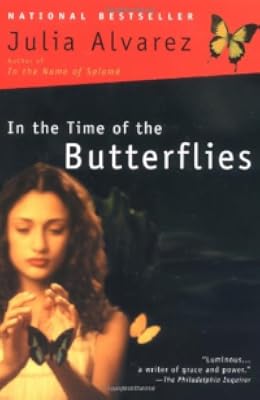
In the Time of the Butterflies
by Julia Alvarez
On This Page
Description
25th Anniversary Edition"A magnificent treasure for all cultures and all time.” —St. Petersburg Times
It is November 25, 1960, and three beautiful sisters have been found near their wrecked Jeep at the bottom of a 150-foot cliff on the north coast of the Dominican Republic. The official state newspaper reports their deaths as accidental. It does not mention that a fourth sister lives. Nor does it explain that the sisters were among the leading opponents of Gen. Rafael show more Leónidas Trujillo’s dictatorship. It doesn’t have to. Everybody knows of Las Mariposas—the Butterflies.
In this extraordinary novel, the voices of all four sisters—Minerva, Patria, María Teresa, and the survivor, Dedé—speak across the decades to tell their own stories, from secret crushes to gunrunning, and to describe the everyday horrors of life under Trujillo’s rule. Through the art and magic of Julia Alvarez’s imagination, the martyred Butterflies live again in this novel of courage and love, and the human costs of political oppression.
Julia Alvarez’s new novel, Afterlife, is available now.. show less
Tags
Recommendations

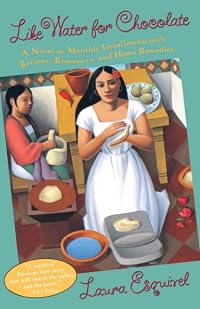
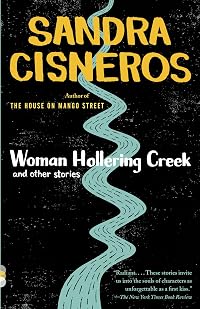

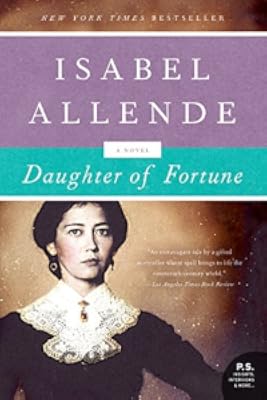
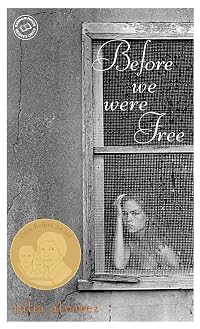



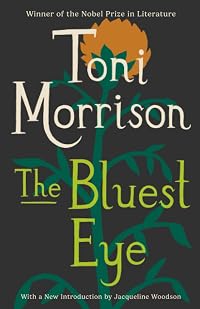
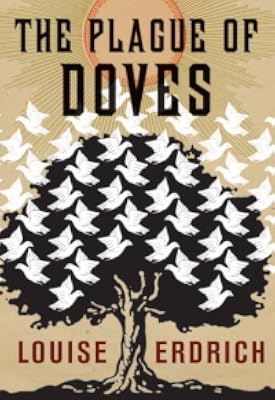
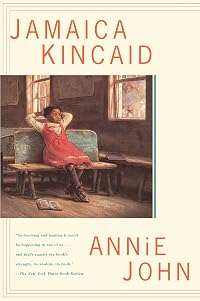
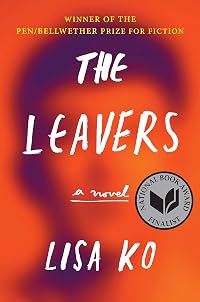

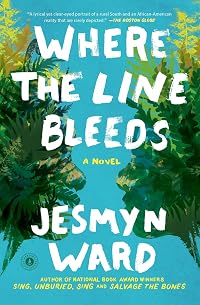


Member Recommendations
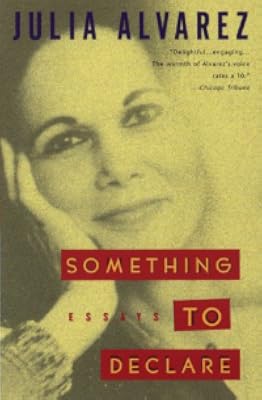
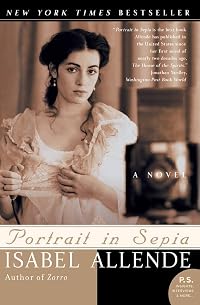
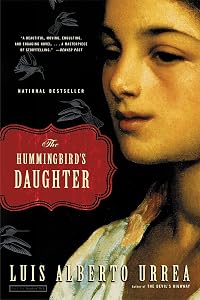
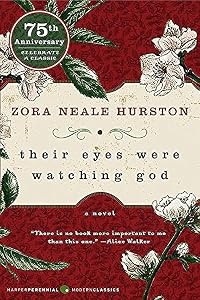
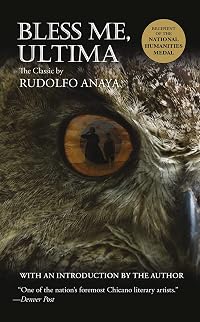
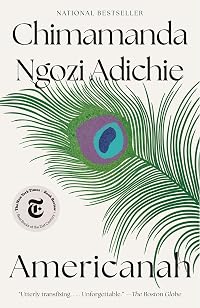
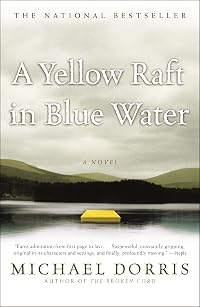
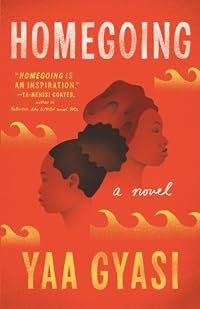
weener Oscar Wao mentions In the Time of the Butterflies in a footnote. Both dealing so gracefully with the Trujillo regime, they seem like complementary books.
70

Member Reviews
A beautiful novel about the Mirabal sisters, who were brutally murdered by the waning Trujillo regime in the Dominican Republic. It is told in chapters narrated in the very different voices of the four sisters: Dedé who survives, Patria the oldest and most Christian, Minerva the activist revolutionary from a young age, and Maria Teresa the baby of the family whose chapters are her diary.
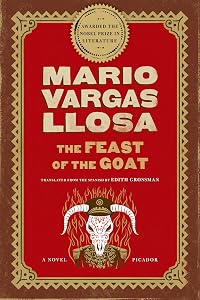
It is also one of the great novels of a semi-totalitarian government and what it means for a group of young women growing up outside the capital. It makes for an interesting pairing with Mario Vargas Llosa's The Feast of the Goat, which covers much of the same period, has some of the same events, but does it all from a different perspective. The show more difference is that In the Time of the Butterflies is much more subtle. It has the same torture, de facto child rape by Trujillo and other horrors, but all of it is more understated and seen through the eyes of the girls in the story. That all makes the one episode where torture is more directly described that much more powerful. show less
It is also one of the great novels of a semi-totalitarian government and what it means for a group of young women growing up outside the capital. It makes for an interesting pairing with Mario Vargas Llosa's The Feast of the Goat, which covers much of the same period, has some of the same events, but does it all from a different perspective. The show more difference is that In the Time of the Butterflies is much more subtle. It has the same torture, de facto child rape by Trujillo and other horrors, but all of it is more understated and seen through the eyes of the girls in the story. That all makes the one episode where torture is more directly described that much more powerful. show less
Julia Alvarez framed In the Time of Butterflies around one truth: On November 25th, 1960 three sisters, known as "las mariposas," died under very suspicious circumstances in the Dominican Republic. While their Jeep was found at the bottom of a steep cliff, their injuries told of a much different and violent death. Before their murders these courageous women were no ordinary citizens of the Republic. After being radicalized at University three of the four sisters defiantly joined an underground movement to overthrow the country's tyrannical leader, Rafael Leonides Trujillo. Imprisoned for their activities, the women failed to see the warning signs when they are suddenly freed without fanfare. They don't think anything amiss when their show more imprisoned husbands are moved to a more remote prison, forcing the sisters to travel a deserted mountain road to visit them. The story begins with Dede, the surviving Mirabal sister, who feels almost a sideshow freak. Every year on the anniversary of her sisters' murders, some reporter comes calling to hear the sad tale. Because the narration of In the Time of Butterflies is told from the perspective of each sister, character development happens seamlessly. They take turns releasing their passions and convictions, sometimes in first person, sometimes in third.
In the Time of Butterflies is an extremely exquisite and tragic tale. As Dede says, "If you multiply by zero, you still get zero, and a thousand heartaches." show less
In the Time of Butterflies is an extremely exquisite and tragic tale. As Dede says, "If you multiply by zero, you still get zero, and a thousand heartaches." show less
Once four sisters - Patria, Dede, Minerva, and Mate - lived in the Dominican Republic. They grew up during the rule of Trujillo, a ruthless dictator. Each of them became involved with revolutionaries seeking to end his reign. At the beginning of their story, we meet the living sister, Dede, and soon learn that the other three have been murdered by Trujillo. The narration, however, is made up of all four sisters' points of view, to show their lives, their motivations, and especially their hearts.
This is an incredible piece of historical fiction that absolutely floored me. As I got towards the end, I didn't want to finish the story - I had grown to care so much about the four women that I didn't want them to be dead. Alvarez, whose family show more fled to the United States to escape Trujillo's rule when she was ten, has crafted a truly powerful story that will stay with me for a long time. show less
This is an incredible piece of historical fiction that absolutely floored me. As I got towards the end, I didn't want to finish the story - I had grown to care so much about the four women that I didn't want them to be dead. Alvarez, whose family show more fled to the United States to escape Trujillo's rule when she was ten, has crafted a truly powerful story that will stay with me for a long time. show less
I had to read this for work which meant that I was also reading essays and viewing art about the Mirabel sisters, who were real people who became symbols of the Dominican resistance efforts of the late 1950s/early 1960s. But you don't need outside information to understand the context of their story, which is told from each sister's perspective, including the surviving sister, Dede. It's so well-researched, so well-told, and although it has the potential to be a real downer, the ending is beautiful. I'll definitely be reading more Julia Alvarez.
In the time of Batista and the revolution in Cuba, there was another dictator, as bad or worse, ruling in the Dominican Republic. His name was Trujillo, and his preferred way of keeping his power was murdering anyone who challenged him, spoke a word against him, or displeased him in any way. In the midst of this repression, we find the four Mirabal sisters, Minerva, Dede, Patria and Maria-Teresa (Mate). This fictional account of their lives is riveting and oh so bittersweet.
The sisters have become known in history as Los Mariposas (the butterflies), but each of these women was a distinct and different person. Each was motivated by a different urge and desire. Each was trying to find her own voice. But above all, they were for one show more another, with one another, loved one another. Their bravery ranged from raw courage to a simple inability to desert someone well-loved. That they put aside their own safety for the preservation of the collective serves as an echo of what true revolution is. What true defiance means. I wonder at their strength and feel cowed by it.
When I finished this book, I was literally shaking with sadness and anger. Knowing it is based upon real events makes it all the more poignant, and Alvarez has done a magnificent job of breathing life back into these women who were martyred for the cause of freedom in the Dominican Republic. She alternates between the points of view of the sisters, and in doing so brings each of them to life equally. While Minerva is the star of the revolution, each of the other sisters brings her own personality, fears and desires to the table and we, the readers, are handed a feast. At the outset, we know the fate of these women, but the old axiom that the journey is more important than the destination could not be more true than when applied here.
In her postscript to my edition, Julia Alvarez acknowledges having merged actual events and imposed her own interpretation onto others. She states, “I sometimes took liberties--by changing dates, by reconstructing events, and by collapsing characters or incidents. For I wanted to immerse my readers in an epoch in the life of the Dominican Republic that I believe can only finally be understood by fiction, only finally be redeemed by the imagination. A novel is not, after all, a historical document, but a way to travel through the human heart.
She has achieved her goal admirably. I felt the beating of these hearts and at some point in the story their heartbeats seemed to merge with my own. show less
The sisters have become known in history as Los Mariposas (the butterflies), but each of these women was a distinct and different person. Each was motivated by a different urge and desire. Each was trying to find her own voice. But above all, they were for one show more another, with one another, loved one another. Their bravery ranged from raw courage to a simple inability to desert someone well-loved. That they put aside their own safety for the preservation of the collective serves as an echo of what true revolution is. What true defiance means. I wonder at their strength and feel cowed by it.
When I finished this book, I was literally shaking with sadness and anger. Knowing it is based upon real events makes it all the more poignant, and Alvarez has done a magnificent job of breathing life back into these women who were martyred for the cause of freedom in the Dominican Republic. She alternates between the points of view of the sisters, and in doing so brings each of them to life equally. While Minerva is the star of the revolution, each of the other sisters brings her own personality, fears and desires to the table and we, the readers, are handed a feast. At the outset, we know the fate of these women, but the old axiom that the journey is more important than the destination could not be more true than when applied here.
In her postscript to my edition, Julia Alvarez acknowledges having merged actual events and imposed her own interpretation onto others. She states, “I sometimes took liberties--by changing dates, by reconstructing events, and by collapsing characters or incidents. For I wanted to immerse my readers in an epoch in the life of the Dominican Republic that I believe can only finally be understood by fiction, only finally be redeemed by the imagination. A novel is not, after all, a historical document, but a way to travel through the human heart.
She has achieved her goal admirably. I felt the beating of these hearts and at some point in the story their heartbeats seemed to merge with my own. show less
Boy did I ever feel like a big, dumb gringa reading this book. I had no idea about the Mirabal sisters or any of the details surrounding the revolution in the Dominican Republic. Now, I know I am not a history buff by any standards but I feel like I have a pretty decent grasp on world history, enough to know a little about a lot. This book blew me away! It is the tale of the Mirabal sisters and how they came to be the face of the revolution in the Dominican Republic. The story really brings to question what you would do if faced with oppression: live the best way you can in light of your oppressors or arm yourself against it and fight for a better tomorrow no matter the cost, because fucking-a, this is no way to live. It takes a lot of show more guts to challenge a dictator and these women took it head on. I don't know what my answer would be. I really marveled at the courage and beauty that lived in each of these women. I will absolutely be checking out more books by this author. Viva la mariposa! show less
In 1960, the three Mirabal, sisters, Minerva, Patria and Maria Theresa (Mate) were murdered by members of the Trujillo regime in the Dominican Republic. Their sister Dede survived mostly because she was not a political activist in the same vein as her sisters. This book by Julia Alvarez tells their story and it's so very well done, really just excellent historical fiction.
Last year I read Mario Vargas Llosa's [The Feast of the Goat], another excellent historical fiction, which revealed a lot more about the horrors of Trujillo, who was a truly evil man. Alvarez kind of took it for granted that the reader already knew a lot about this despicable man and his regime and concentrated on the well known Mirabal sisters who are martyrs in their show more country now. And Dede, as the survivor comes across as such a sympathetic character that she's the natural to end the story with her grieving because she has to go on, alone. So on that level it was a much more personal book and to me, more enjoyable. Highly recommended. show less
Last year I read Mario Vargas Llosa's [The Feast of the Goat], another excellent historical fiction, which revealed a lot more about the horrors of Trujillo, who was a truly evil man. Alvarez kind of took it for granted that the reader already knew a lot about this despicable man and his regime and concentrated on the well known Mirabal sisters who are martyrs in their show more country now. And Dede, as the survivor comes across as such a sympathetic character that she's the natural to end the story with her grieving because she has to go on, alone. So on that level it was a much more personal book and to me, more enjoyable. Highly recommended. show less
Members
- Recently Added By
Lists

Best Feminist Literature
188 works; 26 members

Recommend the 20 best books you've read in the last five years
2,168 works; 601 members

Female Author
1,235 works; 67 members

Top Five Books of 2014
1,064 works; 397 members
Female Protagonist
1,056 works; 57 members

Best Books With Sisters
130 works; 30 members

1990s
309 works; 17 members

Adult Books for YA Readers
194 works; 6 members

Books To Get From The Library
115 works; 5 members
Independent Reading Suggestions
69 works; 3 members

Books Read in 2021
5,361 works; 114 members

AP Lit
363 works; 6 members

Banned Books - Latinx
11 works; 1 member

Books Read in 2024
4,623 works; 126 members
Author Information

34+ Works 18,585 Members
Julia Alvarez was born in New York City on March 27, 1950 and was raised in the Dominican Republic. Before becoming a full-time writer, she traveled across the country with poetry-in-the-schools programs and then taught at the high school level and the college level. In 1991, she earned tenure at Middlebury College and published her first book How show more the Garcia Girls Lost Their Accent, which won the PEN Oakland/Jefferson Miles Award for excellence in 1991. Her other works include In the Time of the Butterflies, The Other Side of El Otro Lado, and Once upon a Quinceañera: Coming of Age in the USA. (Bowker Author Biography) show less
Some Editions
Awards and Honors
Awards
Distinctions
Notable Lists
Series
Belongs to Publisher Series
Astrea [Giunti] (61)
Work Relationships
Has the adaptation
Common Knowledge
- Canonical title
- In the Time of the Butterflies
- Original title
- In the Time of the Butterflies
- Alternate titles*
- Au temps des papillons
- Original publication date
- 1994
- People/Characters
- Patria Mirabal; Minerva Mirabal; Dedé Mirabal; María Teresa Mirabal; Rafael Leónidas Trujillo
- Important places
- Dominican Republic
- Important events
- Trujillo dictatorship
- Related movies
- In the Time of the Butterflies (2001 | IMDb)
- Dedication
- For Dede
- First words
- She is plucking her bird of paradise of its dead branches, leaning around the plant every time she hears a car.
- Quotations
- "The nightmare is over, Dede. Look at what the girls have done."...He means the free elections, bad presidents now put in power properly, not by army tanks. (p.318)
Maybe these aren't losses. Maybe that's a wrong way to think of them. The men, the children, me. We went our own ways, we became ourselves. Just that. And maybe that is what it means to be a free people...(p.317)
May I never experience all that it is possible to get used to. (p.235)
You think you're going to crack any day, but the strange thing is that every day you surprise yourself by pulling it of, and suddenly you start feeling stronger, like maybe you are going to make it through the hell with some ... (show all)dignity, some courage,...(p.241) - Last words
- (Click to show. Warning: May contain spoilers.)And I count them all once before I realize—it's me, Dede, it's me, the one who survived to tell the story.
- Blurbers*
- De roman van Julia Alvarez is zowel persoonlijk als politiek. Een groots en meeslepend boek. - The Washington Post
- Original language
- English
*Some information comes from Common Knowledge in other languages. Click "Edit" for more information.
Classifications
Statistics
- Members
- 5,110
- Popularity
- 2,698
- Reviews
- 113
- Rating
- (4.09)
- Languages
- 9 — Danish, Dutch, English, French, German, Italian, Norwegian (Bokmål), Spanish, Turkish
- Media
- Paper, Audiobook, Ebook
- ISBNs
- 63
- UPCs
- 1
- ASINs
- 19