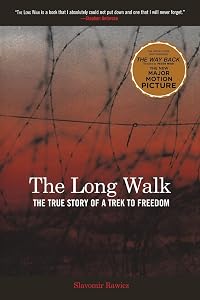
The Long Walk: The True Story of a Trek to Freedom
by Sławomir Rawicz
On This Page
Description
Twenty-six-year-old cavalry officer Slavomir Rawicz was captured by the Red Army in 1939 during the German-Soviet partition of Poland and sent to the Siberian Gulag. In the spring of 1941, he escaped with six of his fellow prisoners, including one American. Thus began their astonishing trek to freedom. With no map or compass but only an ax head, a homemade knife, and a week's supply of food, the compatriots spent a year making their way on foot to British India, through four thousand miles show more of the most forbidding terrain on earth. They braved the Himalayas, the desolate Siberian tundra, icy rivers, and the great Gobi Desert, always a hair's breadth from death. Finally arriving, Rawicz reenlisted in the Polish army to fight the Germans. show lessTags
Recommendations



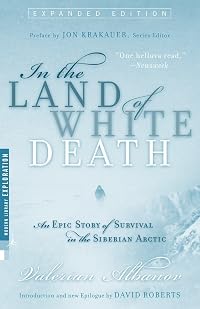
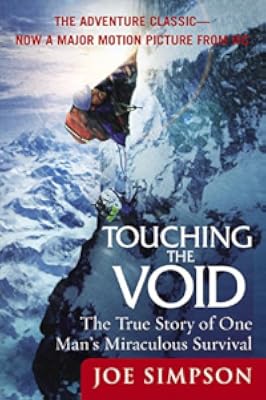
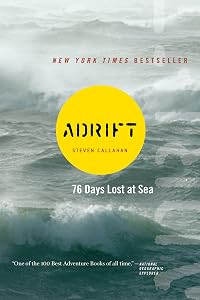

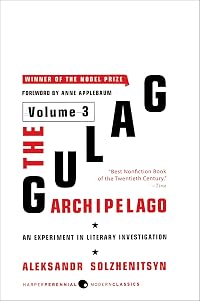






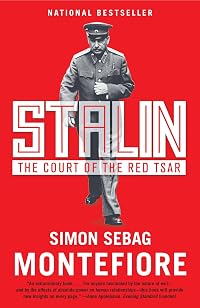


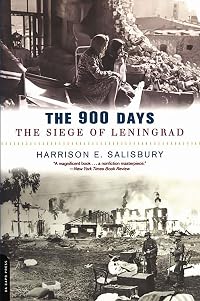


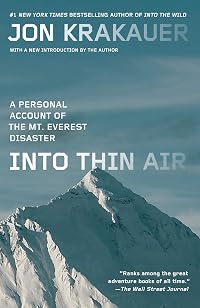
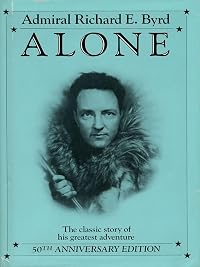
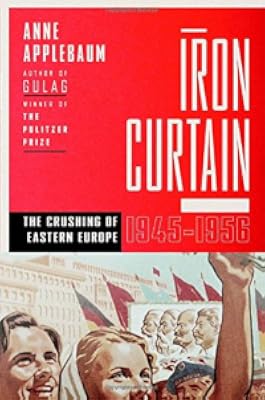


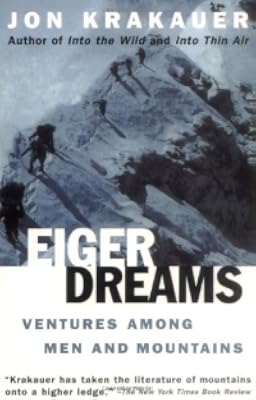
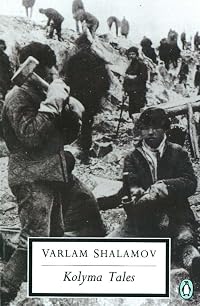
Member Recommendations
molloaggie Another survival story of Polish captives in Russia, this time with a family and small children.

srdr This memoir is a moving account of the author's experiences as a child in Latvia during WW II and how they affected her later life in the U.S.
11

Member Reviews
After recruiting six of his fellow prisoners, Slavomir Rawicz makes his escape from the Siberian Gulag in which he has been sentenced to spend the next 25 years; successfully breaking through the outer perimeter undetected the group of fugitives embark on what will ultimately become a 4000 mile trek to freedom. The Long Walk is Rawicz's account of that journey. A story crammed with inspirational endeavour, phenomenal moments of courage, and episodes of abject sadness, it is a truly wonderful story; yet whilst reading I began to experience a faint sense of doubt about some of the claims it makes, and this scepticism only grew as I progressed through its pages.
I do not doubt the authenticity of the 'pre-escape' experiences of show more interrogation and torture, farcical trial, transportation to the Gulag, and prison life (although whether such experiences belong to the author is another matter entirely), but I most certainly do doubt the authenticity of some of the fugitives' experiences. For example, if one is to read this story as a true historical account one must believe that a man can survive a 12 day trek across the Gobi Desert without water. I am unconvinced. Further, one must believe that after such an ordeal a man could then survive a crossing of the Himalayas, scaling mountain after mountain, with no real mountaineering equipment and very few basic provisions. This must surely stretch one's credulity.
Yet even if one were to accept The Long Walk as an accurate account, one must still confront the most bizarre passage of the book – the Abominable Snowman. Yes, Sasquatch does indeed make an appearance. I am not here claiming that Bigfoot doesn't exist, but to believe that after all they have experienced throughout their journey, the escapees are also fortunate enough to stumble across such an elusive creature... No; I just cannot believe it.
It is this reviewer's opinion that The Long Walk is essentially (though not completely) a work of fiction, or at the very least a greatly exaggerated and contorted version of the truth. Yet this does not mean it should be avoided; as a story it is wonderfully inspirational – had it been published as such I am sure it would have become a modern classic. Would I have read it had I known of its contents beforehand? Probably not, but I'm glad I did. show less
I do not doubt the authenticity of the 'pre-escape' experiences of show more interrogation and torture, farcical trial, transportation to the Gulag, and prison life (although whether such experiences belong to the author is another matter entirely), but I most certainly do doubt the authenticity of some of the fugitives' experiences. For example, if one is to read this story as a true historical account one must believe that a man can survive a 12 day trek across the Gobi Desert without water. I am unconvinced. Further, one must believe that after such an ordeal a man could then survive a crossing of the Himalayas, scaling mountain after mountain, with no real mountaineering equipment and very few basic provisions. This must surely stretch one's credulity.
Yet even if one were to accept The Long Walk as an accurate account, one must still confront the most bizarre passage of the book – the Abominable Snowman. Yes, Sasquatch does indeed make an appearance. I am not here claiming that Bigfoot doesn't exist, but to believe that after all they have experienced throughout their journey, the escapees are also fortunate enough to stumble across such an elusive creature... No; I just cannot believe it.
It is this reviewer's opinion that The Long Walk is essentially (though not completely) a work of fiction, or at the very least a greatly exaggerated and contorted version of the truth. Yet this does not mean it should be avoided; as a story it is wonderfully inspirational – had it been published as such I am sure it would have become a modern classic. Would I have read it had I known of its contents beforehand? Probably not, but I'm glad I did. show less
Years ago I read this book with great fascination – until I came to the part about walking across the Gobi desert in the daytime because they were afraid they would walk in circles if they traveled at night. That was just too much for my credulity.
Even in a state of starvation and dehydration, I just couldn’t swallow that a Polish Army officer and his companions, in that era, could every one be so clueless as to how the stars are positioned in the heavens that they could walk in circles at night.
“We flopped out against a tall dune and the cold stars came out to look at us.” (p. 158)
“Sometime after midnight I suggested we start off again to take advantage of the cool conditions. Everybody seemed to be awake. We hauled ourselves show more upright and began again the trudge south. It was much easier going. We rested a couple of hours after dawn – and still the southerly prospect remained unaltered.”
“After this one trial there were no more night marches. Makowski stopped it.”
“’Can you plot your course by the stars?’ he asked me. The others turned haggard faces toward me.”
“I paused before answering. ‘Not with complete certainty,’ I confessed.”
“’Can any of us?’ he persisted. No one spoke”
“’Then we could have been walking in circles all through the night,’ he said heavily.”
“I sensed the awful dismay his words had caused. I protested that I was sure we had not veered off course, that the rising sun had proved us still to be facing south. But in my own mind, even as I argued, I had to admit the possibility that Makowski was right. …” (p. 159)
Without a sextant, navigation by the stars is and will be much more accurate than navigating by the sun. I just couldn’t imagine that an army officer and his companions could have been unaware of such simple survival techniques as locating the North Star. Even more incredible is that they could have stared at their toes so much that going in a circle would be possible. Any constellation would be enough to keep them going in a reasonably consistent direction.
Here is some verification that at least part of the story is fiction.
https://www.bbc.com/news/world-11900920 show less
Even in a state of starvation and dehydration, I just couldn’t swallow that a Polish Army officer and his companions, in that era, could every one be so clueless as to how the stars are positioned in the heavens that they could walk in circles at night.
“We flopped out against a tall dune and the cold stars came out to look at us.” (p. 158)
“Sometime after midnight I suggested we start off again to take advantage of the cool conditions. Everybody seemed to be awake. We hauled ourselves show more upright and began again the trudge south. It was much easier going. We rested a couple of hours after dawn – and still the southerly prospect remained unaltered.”
“After this one trial there were no more night marches. Makowski stopped it.”
“’Can you plot your course by the stars?’ he asked me. The others turned haggard faces toward me.”
“I paused before answering. ‘Not with complete certainty,’ I confessed.”
“’Can any of us?’ he persisted. No one spoke”
“’Then we could have been walking in circles all through the night,’ he said heavily.”
“I sensed the awful dismay his words had caused. I protested that I was sure we had not veered off course, that the rising sun had proved us still to be facing south. But in my own mind, even as I argued, I had to admit the possibility that Makowski was right. …” (p. 159)
Without a sextant, navigation by the stars is and will be much more accurate than navigating by the sun. I just couldn’t imagine that an army officer and his companions could have been unaware of such simple survival techniques as locating the North Star. Even more incredible is that they could have stared at their toes so much that going in a circle would be possible. Any constellation would be enough to keep them going in a reasonably consistent direction.
Here is some verification that at least part of the story is fiction.
https://www.bbc.com/news/world-11900920 show less
In a way, this book is unrateable (maybe another reason for my instinctive dislike of star ratings). Is it a wholly true story (which in the light of the assembled evidence seems very unlikely), fiction, fantasy, or just a rollicking good read of a kind peculiar to a particular time? Perhaps the most interesting thing about this book is the way you react to it as a reader.
In the period after World war 2, there were many accounts by individuals (particularly combatants) which make a gripping rip-roaring read. They don't always stand up to close historical scrutiny, but should they be treated as self-aggrandisement, monuments to the fallibility and unreliability of human memory, or as examples of the skills of the authors and ghost show more writers to spice things up and create a good story?
Here are a few examples:
Roald Dahl's accounts of wartime experience in the RAF. They are crisply written, but I sometimes can't get over the suspicion that Dahl never let anything get in the way of a neat and dramatic sentence, or a good story-telling device.
Herbert Werner's "Iron Coffins" is a German submariner's memoir, some parts of which can be more easily verified then others. Pierre Clostermann's "The Big Show" is an account of a Free French officer in the RAF full of striking images and accounts. Others, and offical records too, may describe things differently. However, I'll never forget his comparison of a glimpse of the underbelly of an enemy aircraft to the underbelly of a pike seen in the Mayenne river in his earlier life.
"Official records" may be equally suspect. To return to "The Long Walk", did the NKVD keep precise and completely unbiased records of all their prisoners? This was the Stalinist era, after all, one infamous for bending official accounts to political or face-saving ends. From another aspect, would Rawicz have willingly subjected a Russian officer's wife who helped him to the risk of the gulag experience herself? This would be the logical consequence of identifying her in the story as having materially aided his escape.
Personal accounts of wartime or personal events sometimes contain things that just can't have happened (sightings of aircraft that just didn't exist except in a propagandist's mind), but they may reflect the way that individual "saw" them at the time, codifed them in memory or rationalised their experiences in retrieving them.
My take on "The Long Walk" is that it's probably best to treat it in a similar (but somewhat less artistic) way to Guy Sajer's "The Unknown Soldier". It doesn't stand up to scrutiny as a true-life account, but within the patchwork there are there are many parts which could reflect or evoke the real-life experiences of various individuals living through very strange and harsh times and events. I'm leaving certain mythical creatures well outside the scope of this view, however.
Incidentally, if you like a touch of the absurd, read the footnote in Wikipedia about the man who claimed that "The Long Walk" was in fact "his story" - there's a beautifully deadpan comment here. Unless of course it's been superseded or edited by the time you go to read it.... show less
In the period after World war 2, there were many accounts by individuals (particularly combatants) which make a gripping rip-roaring read. They don't always stand up to close historical scrutiny, but should they be treated as self-aggrandisement, monuments to the fallibility and unreliability of human memory, or as examples of the skills of the authors and ghost show more writers to spice things up and create a good story?
Here are a few examples:
Roald Dahl's accounts of wartime experience in the RAF. They are crisply written, but I sometimes can't get over the suspicion that Dahl never let anything get in the way of a neat and dramatic sentence, or a good story-telling device.
Herbert Werner's "Iron Coffins" is a German submariner's memoir, some parts of which can be more easily verified then others. Pierre Clostermann's "The Big Show" is an account of a Free French officer in the RAF full of striking images and accounts. Others, and offical records too, may describe things differently. However, I'll never forget his comparison of a glimpse of the underbelly of an enemy aircraft to the underbelly of a pike seen in the Mayenne river in his earlier life.
"Official records" may be equally suspect. To return to "The Long Walk", did the NKVD keep precise and completely unbiased records of all their prisoners? This was the Stalinist era, after all, one infamous for bending official accounts to political or face-saving ends. From another aspect, would Rawicz have willingly subjected a Russian officer's wife who helped him to the risk of the gulag experience herself? This would be the logical consequence of identifying her in the story as having materially aided his escape.
Personal accounts of wartime or personal events sometimes contain things that just can't have happened (sightings of aircraft that just didn't exist except in a propagandist's mind), but they may reflect the way that individual "saw" them at the time, codifed them in memory or rationalised their experiences in retrieving them.
My take on "The Long Walk" is that it's probably best to treat it in a similar (but somewhat less artistic) way to Guy Sajer's "The Unknown Soldier". It doesn't stand up to scrutiny as a true-life account, but within the patchwork there are there are many parts which could reflect or evoke the real-life experiences of various individuals living through very strange and harsh times and events. I'm leaving certain mythical creatures well outside the scope of this view, however.
Incidentally, if you like a touch of the absurd, read the footnote in Wikipedia about the man who claimed that "The Long Walk" was in fact "his story" - there's a beautifully deadpan comment here. Unless of course it's been superseded or edited by the time you go to read it.... show less
The Long Walk came about because of a journalist for the London Daily Mail was writing a story on the Abominable Snowman. Ronald Downing was told Slavomir Rawicz had seen the creature. So what started as a story about a yeti gave birth to Rawicz telling his own seemingly incredible tale. Ronald Downing became the ghost writer for the project. The short story: Slawomir Rawicz was imprisoned by the Soviets after the invasion of Poland in World War II. After being sentenced to 25 years of hard labor Rawicz managed to escape and, along with seven other companions, supposedly made a 4,000 mile trek to India. I have some skepticism in my words because some say the story is not true.
True or not, time and time again I was amazed by Rawicz's show more resolve even if it was only in his head and he had no witnesses. First, during his endless "trial" when he was questioned repeatedly about being a spy. I believe every word. A lesser man would have cracked under the pressure and finally given a false confession. Then, after being sentence to 25 years hard labor in a remote part of northern Siberia Rawicz never gave up believing he could survive his sentence. The idea for escape was planted after being summoned to fix a commandant's radio. Unbelievably, the commandant's wife subtly suggested it to Rawicz. The idea percolated gently while Rawicz worked out the details in his bunk at night. There were so many elements that needed to be in place. He needed men and he needed supplies. Then he needed the perfect storm, a blizzard, to cover his tracks. It reminded me of Shawshank Redemption when Andy Dufresne planned his escape from prison.
Whether Rawicz's story is 100% true or not remains a mystery. There is no one to confirm his story. What remains is an incredible tale about an impossible journey made possible only by hope. show less
True or not, time and time again I was amazed by Rawicz's show more resolve even if it was only in his head and he had no witnesses. First, during his endless "trial" when he was questioned repeatedly about being a spy. I believe every word. A lesser man would have cracked under the pressure and finally given a false confession. Then, after being sentence to 25 years hard labor in a remote part of northern Siberia Rawicz never gave up believing he could survive his sentence. The idea for escape was planted after being summoned to fix a commandant's radio. Unbelievably, the commandant's wife subtly suggested it to Rawicz. The idea percolated gently while Rawicz worked out the details in his bunk at night. There were so many elements that needed to be in place. He needed men and he needed supplies. Then he needed the perfect storm, a blizzard, to cover his tracks. It reminded me of Shawshank Redemption when Andy Dufresne planned his escape from prison.
Whether Rawicz's story is 100% true or not remains a mystery. There is no one to confirm his story. What remains is an incredible tale about an impossible journey made possible only by hope. show less
Interesting to Read, Even If It Isn't True
I found this book in a basket of free books and read it straight through.
The first part of the book, dealing with Rawicz's detention in the Soviet Union and transfer to a work camp in Siberia seems plausible, although it drags a bit. The bulk of the book concentrates on Rawicz and his companion's escape from north of Lake Baikal, through the Gobi Desert, Western China, Tibet, the Himalayas, and their eventual rescue in the eastern part of India. This part of the book is absolutely fascinating, but, I'm afraid it didn't exactly pass the "smell test." There were too many implausible events, many of which have been commented on in other reviews. It is those implausible events that make me want to show more believe the story, but ultimately, I cannot.
I can believe the escape story and the scenes of traveling through Siberia, eating deer, and sleeping in an unforgivable climate; however, traveling for two weeks at a time without as much as a drop of water in the Gobi Desert does not seem possible. The group had two bouts of living with no water for more than ten days at a time and limited water the rest of the time through the Gobi Desert. It did not ring true.
The story involving Kristina, a 17-year-old Russian who escaped from a prison camp and coincidentally finds the group of men traveling with Rawicz, seems more like fictional plot device than a real character. Kristina takes the hard edge off the men and allows them to have a sense of civility during their journey.
Their travels through Western China and Tibet seem a little more plausible, but they also seem like the fantasies of a Western colonizer being greeting as a hero among natives. Rawicz and his friends are showered with accommodations, food, and gifts on their journey through Tibet. Along the way, the men coincidentally meet a "Circassian" who speaks flawless Russian and lives in Tibet. The "Circassian" serves to help the men get back on the right track and, again, does not ring true.
The trek through the Himalayas does not seem likely either. A small band of men, dressed in the jackets they received from a Siberian prison and carrying only small backpacks filled with animal dung and one axe between them, could probably not cross the Himalayas. Fortunately, they meet a Himalayan sheep herder who actually winters with his sheep in a cave for five months of the year. More unbelievable still is their encounter with two Abominable Snowmen, who are described in a fleeting two-paragraph description.
Fortunately for Rawicz and his companions, they encounter a troop of British soldiers as they are in the throes of death. These British soldiers nurse the group back to health before sending them off to a Calcutta hospital. From there, Rawicz joins up with Polish forces fighting in Iraq and loses all contact with the men he walked with on his 4,000 mile, 11-month-long journey.
When I finished reading the book, I searched online and discovered the information regarding the misinformation in the book which has persisted since the initial publication in 1956.
While the book is interesting and kept me focused, it simply didn't seem to connect. There are too many times when I questioned the veracity of his ethnographic observations. It doesn't pass the "smell test." show less
I found this book in a basket of free books and read it straight through.
The first part of the book, dealing with Rawicz's detention in the Soviet Union and transfer to a work camp in Siberia seems plausible, although it drags a bit. The bulk of the book concentrates on Rawicz and his companion's escape from north of Lake Baikal, through the Gobi Desert, Western China, Tibet, the Himalayas, and their eventual rescue in the eastern part of India. This part of the book is absolutely fascinating, but, I'm afraid it didn't exactly pass the "smell test." There were too many implausible events, many of which have been commented on in other reviews. It is those implausible events that make me want to show more believe the story, but ultimately, I cannot.
I can believe the escape story and the scenes of traveling through Siberia, eating deer, and sleeping in an unforgivable climate; however, traveling for two weeks at a time without as much as a drop of water in the Gobi Desert does not seem possible. The group had two bouts of living with no water for more than ten days at a time and limited water the rest of the time through the Gobi Desert. It did not ring true.
The story involving Kristina, a 17-year-old Russian who escaped from a prison camp and coincidentally finds the group of men traveling with Rawicz, seems more like fictional plot device than a real character. Kristina takes the hard edge off the men and allows them to have a sense of civility during their journey.
Their travels through Western China and Tibet seem a little more plausible, but they also seem like the fantasies of a Western colonizer being greeting as a hero among natives. Rawicz and his friends are showered with accommodations, food, and gifts on their journey through Tibet. Along the way, the men coincidentally meet a "Circassian" who speaks flawless Russian and lives in Tibet. The "Circassian" serves to help the men get back on the right track and, again, does not ring true.
The trek through the Himalayas does not seem likely either. A small band of men, dressed in the jackets they received from a Siberian prison and carrying only small backpacks filled with animal dung and one axe between them, could probably not cross the Himalayas. Fortunately, they meet a Himalayan sheep herder who actually winters with his sheep in a cave for five months of the year. More unbelievable still is their encounter with two Abominable Snowmen, who are described in a fleeting two-paragraph description.
Fortunately for Rawicz and his companions, they encounter a troop of British soldiers as they are in the throes of death. These British soldiers nurse the group back to health before sending them off to a Calcutta hospital. From there, Rawicz joins up with Polish forces fighting in Iraq and loses all contact with the men he walked with on his 4,000 mile, 11-month-long journey.
When I finished reading the book, I searched online and discovered the information regarding the misinformation in the book which has persisted since the initial publication in 1956.
While the book is interesting and kept me focused, it simply didn't seem to connect. There are too many times when I questioned the veracity of his ethnographic observations. It doesn't pass the "smell test." show less
One of those books that make you wonder if you'd be able to do even half as much. After being arrested by the Russians for being Polish (and that's pretty much the sum of evidence we're presented with) the author is tortured and sentenced to 25 years hard labour in a work camp in Siberia. The prisoners are treated very harshly on their journey to the camp, and the conditions barely improve once at the camp. There a sequence of events leads him and 6 comrades to attempt an escape. They set out in winter and head south. A long way south. To India, in fact.
It's told in a very matter of fact way, with the hardships described in quite spare detail. And it does get a little emotional at several stages along the way. At times you wonder can show more it be real, as they manage to survive thngs that seem to be quite unendurable. And it makes you wonder what you'd do when put in that situation - is the faint sniff of the chance of liberty worth risking everything for when all you have to look forward to is a long hard death? Maybe.
There is debate as to how true this is, or if the author actually experienced any of it. There are reports of other prisoners walking to freedom, in which case, this can easily stand a a memorial to all that tried, regardless of if they suceeded or not.
The only thing that I found was that the book ends quite abruptly, and you are left wanting to know more about how these men survived in society thereafter. Was the hardship the endured in the search for freedom worthwhile? If given the chance to go back, would they do the same thing agan? show less
It's told in a very matter of fact way, with the hardships described in quite spare detail. And it does get a little emotional at several stages along the way. At times you wonder can show more it be real, as they manage to survive thngs that seem to be quite unendurable. And it makes you wonder what you'd do when put in that situation - is the faint sniff of the chance of liberty worth risking everything for when all you have to look forward to is a long hard death? Maybe.
There is debate as to how true this is, or if the author actually experienced any of it. There are reports of other prisoners walking to freedom, in which case, this can easily stand a a memorial to all that tried, regardless of if they suceeded or not.
The only thing that I found was that the book ends quite abruptly, and you are left wanting to know more about how these men survived in society thereafter. Was the hardship the endured in the search for freedom worthwhile? If given the chance to go back, would they do the same thing agan? show less
Many, many years ago a history-teacher in my then high-school was fond of the phrase “machine-gun history” by which he meant the popularized histories, often couched in supposed firsthand accounts, of the battles of World War Two, the kind of stuff which appeared in paperback by the thousand and were devoured by boys like me with a ferocity quite easily come-by in the comparative serenity of suburban life in the post-War period. The books all had lurid, memorable covers, and most of those had at-least one male looking outward at the reader with a face meant to express the idea that the person depicted had seen, survived, and quite possibly committed the inexpressible.
One such volume – at-least in its paperback incarnation -- was show more The Long walk, by Slavomir Rawicz, a work which has stayed in-print more or less continually, including audio-book format, more-or-less continually since its first appearance ages ago. And there is good reason for it. In short, the eponymous long walk was the desperate trek made by Rawicz and a few others from a Russian prison-camp, across Siberia and Central Asia, and over the great mountain-ramparts of the Subcontinent. The tale is told with a reticence that is as appalling for its silent suggestiveness as almost any detailed narrative could possibly be. From time to time I read about or meet so-called “survivalists” and just turn the other way. Of a certain TV show, I will not even sully this page by writing the name. Anyway, all these so-called “survivalists”, at-least in my experience, have never had to face the worst peril or all, the power of concerted, organized, implacable evil, or – close behind it – not any idea with five-hundred miles – of where they were, where they could go, or what they might there or along the way. And that is putting quite aside extreme heat and cold, starvation, and disease. Not so incidentally, it is my observation that it is pretty dam’ easy to be a survivalist when you know there’s a hot shower waiting for you sooner or later, -- and then a computer on which you can blog your so-called adventures to a bunch of other yahoos who really do need to get out more. Compared to the march of Rawicz’s little band, Scott’s expedition to the Pole was a carol-sing, and Bligh’s trip in the open boat just so much punting on the Thames.
I don’t know whether that old high-school teacher ever actually saw that treasured paperback of The Long walk. If he had, I fear that the cover-art would have led him to consign it to that conceptual Inferno of “machine-gun history”. But if he did so, he was wrong. show less
One such volume – at-least in its paperback incarnation -- was show more The Long walk, by Slavomir Rawicz, a work which has stayed in-print more or less continually, including audio-book format, more-or-less continually since its first appearance ages ago. And there is good reason for it. In short, the eponymous long walk was the desperate trek made by Rawicz and a few others from a Russian prison-camp, across Siberia and Central Asia, and over the great mountain-ramparts of the Subcontinent. The tale is told with a reticence that is as appalling for its silent suggestiveness as almost any detailed narrative could possibly be. From time to time I read about or meet so-called “survivalists” and just turn the other way. Of a certain TV show, I will not even sully this page by writing the name. Anyway, all these so-called “survivalists”, at-least in my experience, have never had to face the worst peril or all, the power of concerted, organized, implacable evil, or – close behind it – not any idea with five-hundred miles – of where they were, where they could go, or what they might there or along the way. And that is putting quite aside extreme heat and cold, starvation, and disease. Not so incidentally, it is my observation that it is pretty dam’ easy to be a survivalist when you know there’s a hot shower waiting for you sooner or later, -- and then a computer on which you can blog your so-called adventures to a bunch of other yahoos who really do need to get out more. Compared to the march of Rawicz’s little band, Scott’s expedition to the Pole was a carol-sing, and Bligh’s trip in the open boat just so much punting on the Thames.
I don’t know whether that old high-school teacher ever actually saw that treasured paperback of The Long walk. If he had, I fear that the cover-art would have led him to consign it to that conceptual Inferno of “machine-gun history”. But if he did so, he was wrong. show less
Members
- Recently Added By
Lists

Books Read in 2021
5,361 works; 114 members

Mustich's 1000 Books to Read Before You Die: A Life Changing List
1,001 works; 19 members
Author Information

1+ Work 2,331 Members
Slavomir Rawicz lived in England after the war, settling near Nottingham and working as a handicrafts and woodworking instructor, a cabinetmaker, and later as a technician in architectural ceramics at a school of art and design. He married an Englishwoman, with whom he had five children. He retired in 1975 after a heart attack and lived a quiet show more life in the countryside until his death in 2004. show less
All Editions
Some Editions
Awards and Honors
Series
Belongs to Publisher Series
Work Relationships
Common Knowledge
- Canonical title*
- De barre vlucht
- Original title
- The Long Walk: The True Story of a Trek to Freedom
- Original publication date
- 1956
- People/Characters
- Slavomir Rawicz; Kristina Polanska; Anton Paluchowicz; Sigmund Makowski; Anastazi Kolemenos
- Important places
- Lubyanka Prison (Moscow | Russia); Moscow, Russia; Minsk, Belarus; Siberia, Russia; Camp 303 (prison camp | Siberia); Calcutta, India (show all 11); Mongolia; Tibet; Lhasa, Tibet; Kharkov, Ukrainian SSR; Lake Baikal
- Related movies
- The Way Back (2010 | IMDb)
- First words
- It was about nine o'clock one bleak November day that the key rattled in the heavy lock of my cell in the Lubyanka Prison and the two broad-shouldered guards marched purposefully in.
- Last words
- (Click to show. Warning: May contain spoilers.)I felt suddenly bereft of friends, bereft of everything, as desolate and lonely as a man could be.
- Blurbers
- Allen, Benedict
*Some information comes from Common Knowledge in other languages. Click "Edit" for more information.
Classifications
- Genres
- Biography & Memoir, Nonfiction, General Nonfiction, History, Travel
- DDC/MDS
- 940.5472470957 — History & geography History of Europe History of Europe 1918- Military history of World War II Prisoners of war; medical and social services Prisoner-of-War Camps
- LCC
- D805 .S65 .R39 — History of Europe, Asia, Africa and Oceania History (General) World War II (1939-1945)
- BISAC
Statistics
- Members
- 2,331
- Popularity
- 8,477
- Reviews
- 61
- Rating
- (4.06)
- Languages
- 13 — Catalan, Czech, Dutch, English, French, German, Italian, Norwegian (Bokmål), Polish, Portuguese, Romanian, Spanish, Swedish
- Media
- Paper, Audiobook, Ebook
- ISBNs
- 59
- UPCs
- 1
- ASINs
- 42