
On This Page
Description
On the eve of Marcus Cicero's inauguration as consul of Rome, the grisly death of a boy sends ripples of fear thourgh a city already wracked by civil unrest, crime, and debauchery of every kind. For Cicero, the ill forebodings of this hideous murder only increase his frustrations and the dangers he already faces as Rome's leader: elected by the people but despised by the heads of the two rival camps, the patricians and populists. There is, also a plot to assassinate him, and it will take all show more his embattled wit, strength, and force of will to stop it and keep Rome from becoming a dictatorship. show lessTags
Recommendations




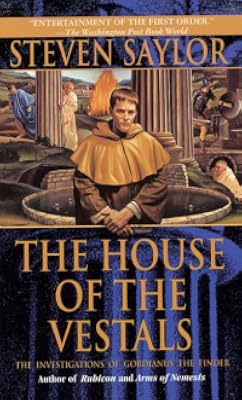
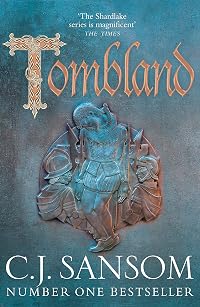
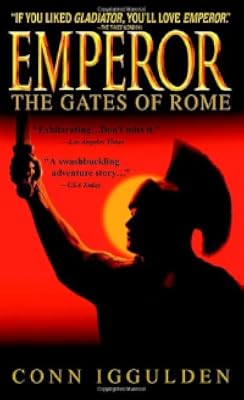
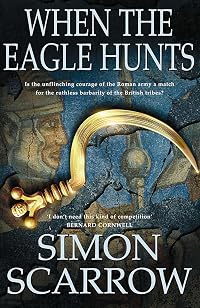



Member Recommendations
Member Reviews
This is the second book in a historical fiction trilogy that focuses on the life and political career of Cicero, who was a central figure during the transition from the Roman Republic to the Roman Empire. This installment describes the rise of the ruthless Gaius Julius Caesar. The narrative is engaging, and one feels that these well-known historical figures come to life. One lesson of this story is how quickly a civilization or society can be transformed (and not for the better) through one powerful person's selfish disregard for laws, customs, and traditions. Hmm, sound familiar?
A stunning trilogy. Robert Harris has accomplished what many historical authors may aspire to but few attain. He has created an ancient Rome alive with the sights, the sounds, the smells of a city towards the latter years of the republic. He has painted a picture in my mind of warring commanders: Pompey, Caesar. Crassus. He has allowed me to view both the beauty of Rome from the aristocratic Palatine to the stench of the inner-city streets. He shows Romans as a people obsessed with wealth, and from wealth flows power, influence, and the ultimate prize a position in the senate leading to first consul adoration.
Pompey the great commander, the chief general in the state….” A large chair was carried in for the Imperator, and he settled show more himself into it. An ivory pointer was placed in his hand. A carpet was unrolled at his feet into which was woven a map of the east, and as the senators gazed down he began gesticulating at it to illustrate his achievements”…. Caesar, the chief priest, adored by all the masses, fresh from military success, biding his time as he waits, panther like, moulding the men of influence to attend to his every whim. These two together with the wealthy Crassus form the triumvirate, a power base for them to dictate and manipulate. It is however a dangerous thing to allow so much “imperium” into the hands of the few.
Cicero’s year as 1st consul is drawing to a close, and some of his finest accomplishments are now just a distant memory. When he faces a direct threat on his life it is to his wealthy companions that he turns for help and support, but such friendship will always require payback. Robert Harris shoes not only the strong side of Cicero but his weaknesses. His aspirations to climb the social ladder, result in a questionable decision when he borrows money to purchase a grand property owned by Crassus in the exclusive Palatine hill. As the candle slowly fades on a glittering senatorial career, and as the influence of a few wealthy men starts to emerge, the scene is set for a bloody conflict. Rome should have learnt the lessons of the past that it is a grave mistake to leave so much power in the hands of a powerful minority.
A wonderful story, the subtle blending of fact and fiction makes Lustrum an essential read…the final chapter “The Dictator” now awaits me” Highly recommended. show less
Pompey the great commander, the chief general in the state….” A large chair was carried in for the Imperator, and he settled show more himself into it. An ivory pointer was placed in his hand. A carpet was unrolled at his feet into which was woven a map of the east, and as the senators gazed down he began gesticulating at it to illustrate his achievements”…. Caesar, the chief priest, adored by all the masses, fresh from military success, biding his time as he waits, panther like, moulding the men of influence to attend to his every whim. These two together with the wealthy Crassus form the triumvirate, a power base for them to dictate and manipulate. It is however a dangerous thing to allow so much “imperium” into the hands of the few.
Cicero’s year as 1st consul is drawing to a close, and some of his finest accomplishments are now just a distant memory. When he faces a direct threat on his life it is to his wealthy companions that he turns for help and support, but such friendship will always require payback. Robert Harris shoes not only the strong side of Cicero but his weaknesses. His aspirations to climb the social ladder, result in a questionable decision when he borrows money to purchase a grand property owned by Crassus in the exclusive Palatine hill. As the candle slowly fades on a glittering senatorial career, and as the influence of a few wealthy men starts to emerge, the scene is set for a bloody conflict. Rome should have learnt the lessons of the past that it is a grave mistake to leave so much power in the hands of a powerful minority.
A wonderful story, the subtle blending of fact and fiction makes Lustrum an essential read…the final chapter “The Dictator” now awaits me” Highly recommended. show less
As with the first novel in the trilogy, I am re-reading this second volume of Robert Harris's trilogy of novels about the life of the great Roman lawyer, orator and statesman Marcus Tullius Cicero, after seeing the second part of the RSC's excellent adaptation at the Gielgud Theatre in London, a fortnight after watching the first. Again, this novel comes across just as well as it did the first time of reading it, and is a real intelligent page turner, matching fully the quality and epic flow of the first book, with no mid-trilogy sagging of the narrative. The climaxes of the narrative revolve around: firstly, Cicero's consulship and his defeat of Catilina's rebellion; and secondly, the coming together of the first triumvirate of Caesar, show more Pompey and Crassus, and the true beginning of the end of the Roman republic. The human effects of these events on Cicero and his family and household are well portrayed, and offer a counterbalance to the hard core politicking and legal activity that necessarily dominates the narrative.
As ever there are some marvellous quotes, but one of my favourites is Tiro's: "It seemed to me at the time - and still does now, only even more so - an act of madness for a man to pursue power when he could be sitting in the sunshine and reading a book." show less
As ever there are some marvellous quotes, but one of my favourites is Tiro's: "It seemed to me at the time - and still does now, only even more so - an act of madness for a man to pursue power when he could be sitting in the sunshine and reading a book." show less
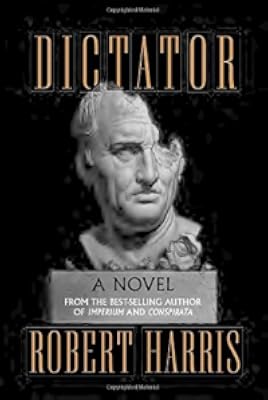
Once again this was engrossing listening. Told through the eyes of Cicero's scribe Tiro, a slave, it has such a modern feel to it. Events that occurred in Rome over 2,000 years ago come to life. You need to begin this series at the beginning with IMPERIUM, and I have no doubt that we will continue to the final, DICTATOR.
At the beginning of LUSTRUM Cicero is Consul, truly the father of Rome, but he is also a man of principle, determined to root out corruption. He makes many enemies and from the beginning of his consulship there are those plotting his downfall, even his assassination. By the end of the book his chickens have come home to roost.
In Latin, the word Lustrum is a period of 5 years. The book covers Roman politics, and Cicero's show more fortunes, for the period roughly 63-58 BC. show less
At the beginning of LUSTRUM Cicero is Consul, truly the father of Rome, but he is also a man of principle, determined to root out corruption. He makes many enemies and from the beginning of his consulship there are those plotting his downfall, even his assassination. By the end of the book his chickens have come home to roost.
In Latin, the word Lustrum is a period of 5 years. The book covers Roman politics, and Cicero's show more fortunes, for the period roughly 63-58 BC. show less
"a man of great ambition and boundless stupidity, two qualities which in politics often go together."
Conspirata, the second book in Robert Harris's trilogy, follows Cicero through the next five years of his life, his tumultuous year as Consul of Rome, and its aftermath. As in its predecessor, Imperium, Tiro, Cicero's slave and personal secretary, narrates the tale, providing wry and witty commentary on Roman politics.
During Cicero's term as Consul in 63 BC, the foundations of the Roman Republic began to crumble, and Catiline, unwilling to accept his election defeat, formed a conspiracy to overthrow the government. In Conspirata, Harris chronicles the craziness of the times, the political machinations, and the assassination plots that show more Cicero faced while attempting to uncover and prove the conspiracy. He also recounts the tragic aftermath of his victory.
Harris is known as a writer of historical political thrillers who thoroughly researches his subject. Cicero left a wealth of writing, and Harris incorporates his words and actual primary source documents throughout the novel, adding to its authenticity.
I listened to the audio version of the book, and the narrator, Simon Jones, does an excellent job. I found the book both entertaining and, sadly, timely. I look forward to the third installment.
Highly recommend. show less
Conspirata, the second book in Robert Harris's trilogy, follows Cicero through the next five years of his life, his tumultuous year as Consul of Rome, and its aftermath. As in its predecessor, Imperium, Tiro, Cicero's slave and personal secretary, narrates the tale, providing wry and witty commentary on Roman politics.
During Cicero's term as Consul in 63 BC, the foundations of the Roman Republic began to crumble, and Catiline, unwilling to accept his election defeat, formed a conspiracy to overthrow the government. In Conspirata, Harris chronicles the craziness of the times, the political machinations, and the assassination plots that show more Cicero faced while attempting to uncover and prove the conspiracy. He also recounts the tragic aftermath of his victory.
Harris is known as a writer of historical political thrillers who thoroughly researches his subject. Cicero left a wealth of writing, and Harris incorporates his words and actual primary source documents throughout the novel, adding to its authenticity.
I listened to the audio version of the book, and the narrator, Simon Jones, does an excellent job. I found the book both entertaining and, sadly, timely. I look forward to the third installment.
Highly recommend. show less
Një orator, një sociopat, një oligark, një pasunar i pacipë që merr përsipër të flasë për drejtësi shoqërore, ndihmë për të varfrit dhe bukë falas në një qytet që po transformohet brenda natës nga pasuritë e pabesueshme të akumuluara në grabitjen e vendeve të tjera.
Shkrimtari britanik Robert Harris na sjell një thriller makiavelian nga Roma e lashtë, parë nga sytë e një skllavi. Banda kriminale të punësuar nga pasunarë të rënë nga vakti që përzjehen me delikatesën e argumentimeve ligjore dhe besëtytënitë fetare, shoqëruar me aventura. Pasuria sjell babëzi, babëzia sjell epsh, epshi sjell gjithëfarëlloj krimesh.Romani i Harrisit lexohet njëkohësisht si një histori plot humor dhe një show more udhërrëfyes se si funksionon politika, ajo e Romës së lashtë, por më së shumti, kjo e kohës sonë.
Ndërsa trilogjia mbi jetën e Ciceronit, Imperium, Lustrim dhe Diktatori përkthehej në shqip, një prej lexuesve vriste mendjen nëse përkthimi i këtyre librave do të ishte një gjë e mirë apo një gjë e keqe për vendin. E keqe, në kuptimin që çdo politikan mund të mësojë hiletë e politikës më të pacipë dhe çdo idealist mund të zhgënjehet me fatin që patën të gjithë idealistët e asaj përplasjeje të pamëshirshme që ndodhi dy mijë vjet më parë mes politikës së fjalës dhe politikës së dhunës. show less
Shkrimtari britanik Robert Harris na sjell një thriller makiavelian nga Roma e lashtë, parë nga sytë e një skllavi. Banda kriminale të punësuar nga pasunarë të rënë nga vakti që përzjehen me delikatesën e argumentimeve ligjore dhe besëtytënitë fetare, shoqëruar me aventura. Pasuria sjell babëzi, babëzia sjell epsh, epshi sjell gjithëfarëlloj krimesh.Romani i Harrisit lexohet njëkohësisht si një histori plot humor dhe një show more udhërrëfyes se si funksionon politika, ajo e Romës së lashtë, por më së shumti, kjo e kohës sonë.
Ndërsa trilogjia mbi jetën e Ciceronit, Imperium, Lustrim dhe Diktatori përkthehej në shqip, një prej lexuesve vriste mendjen nëse përkthimi i këtyre librave do të ishte një gjë e mirë apo një gjë e keqe për vendin. E keqe, në kuptimin që çdo politikan mund të mësojë hiletë e politikës më të pacipë dhe çdo idealist mund të zhgënjehet me fatin që patën të gjithë idealistët e asaj përplasjeje të pamëshirshme që ndodhi dy mijë vjet më parë mes politikës së fjalës dhe politikës së dhunës. show less
The second volume of a trilogy, but the first that I have read, this book gripped me from page 1. Narrated by Tiro, Cicero's slave and secretary, this book embroils us in the life, and specifically the politics of ancient Rome at the time of Cicero, Caesar, Pompey and all those other characters about whom we perhaps know only a few dry facts from our history books. Roman political life at the time is depicted as brutal, corrupt, and with a set of rules that can change from day to day, dependsnt on whose political star is in the ascendent. The politicians at the time seem to have been guided by naked ambition, face-saving, a desire to gain popularity either with their peers or the people: there are no lasting victories.
Life and times in show more Rome are vividly described, and Tiro is a sympathetic, lively and painstaking story teller. His portrayal of the main characters in the novel is rounded, perhaps slightly less so in the case of the women, but he shows each of them off with all their human strengths and frailties.
I'm not a political animal, but I made time for this book until I got to the last page. The pace of the narration, and the unremitting nastiness of the events depicted means I'm in no mood to go to either one of the other books in the trilogy just for now. But this is a fascinating account of extraordinary times, so I will eventually do so, I'm certain of that. show less
Life and times in show more Rome are vividly described, and Tiro is a sympathetic, lively and painstaking story teller. His portrayal of the main characters in the novel is rounded, perhaps slightly less so in the case of the women, but he shows each of them off with all their human strengths and frailties.
I'm not a political animal, but I made time for this book until I got to the last page. The pace of the narration, and the unremitting nastiness of the events depicted means I'm in no mood to go to either one of the other books in the trilogy just for now. But this is a fascinating account of extraordinary times, so I will eventually do so, I'm certain of that. show less
Members
- Recently Added By
Published Reviews
ThingScore 88
Harris provides through Lustrum great insight into this exciting period of Roman history not only by echoing historical sources but by numerous psychologic zooms: a glimpse or a blink of an eye here, a whisper or a rumor there, and over all the ancient truth of evil omen.
added by cinaedus
"Harris, whose previous novels include “Pompeii” and the World War II thriller “Enigma,” doesn’t take the path of many other writers of historical fiction and provide copious, painstaking descriptions of meals, wardrobes, palaces and the like to summon a long-ago, far-away past."
added by bookfitz
Over the two millennia since his death Cicero has been many things to many readers – authoritarian, pedant, vacillator, self-doubting philosophical sceptic. Each generation makes its own Rome and its own Romans, and Harris's version of this endlessly fascinating figure is richly and generously enjoyable. I look forward to the conclusion of the trilogy.
added by souloftherose
Lists

Best historical fiction set in the ancient world
126 works; 40 members

Books Read in 2015
3,299 works; 129 members
Books Read in 2016
4,666 works; 197 members

Huxley's reading log 2017
45 works; 1 member

Walter Scott Prize Winners and Shortlist
66 works; 6 members
Author Information

38+ Works 37,766 Members
Author Robert Harris was born in Nottingham, England in 1957. He attended King Edward VII College and Selwyn College. He has worked as a BBC journalist, the Political Editor of the Observer, and a columnist for The Sunday Times and Daily Telegraph. He was named Columnist of the Year by the British Press in 2003. He has written both fiction and show more nonfiction books and currently lives in Berkshire, England. His works of fiction include; An Officer and a Spy, The Fear Index, Pompeii, Enigma, Fatherland, Dictator, and Conclave. (Bowker Author Biography) show less
Some Editions
Awards and Honors
Series

Work Relationships
Is contained in
Common Knowledge
- Canonical title*
- Lustrum
- Original title
- Lustrum
- Alternate titles
- Conspirata
- Original publication date
- 2009-10-08 (UK) (UK)
- People/Characters
- Marcus Tullius Cicero; Tiro; Julius Caesar (Gaius Julius Caesar); Publius Clodius Pulcher; Cato; Crassus (show all 8); Catalina; Pompey the Great
- Important places
- Rome, Italy; Ancient Rome
- Important events
- Catalinarian Rebellion
- Epigraph
- We look on past ages with condescension, as a mere preparation for us... but what if we're only an after-glow of them" -J. G. Farrell, "The Siege of Krishnapur"
- Dedication
- To Peter
- First words
- Two days before the inauguration of Marcus Tullius Cicero as consul of Rome, the body of a child was pulled from the River Tiber, close to the boat sheds of the republican war fleet.
- Last words*
- (Click to show. Warning: May contain spoilers.)In het donker kon ik zijn gezicht niet zien terwijl hij sprak, wat misschien maar goed was ook, maar even later stond hij op, veegde het stof van zijn oude tunica en hervatte zijn reis, in de tegengestelde richting als die van Caesar.
- Blurbers
- Holland, Tom
- Disambiguation notice
- Lustrum (UK) and Conspirata (US) are the same novel.
*Some information comes from Common Knowledge in other languages. Click "Edit" for more information.
Classifications
Statistics
- Members
- 2,110
- Popularity
- 9,749
- Reviews
- 69
- Rating
- (3.94)
- Languages
- 18 — Czech, Danish, Dutch, English, Finnish, French, German, Hebrew, Indonesian, Italian, Lithuanian, Polish, Portuguese, Romanian, Russian, Serbian, Spanish, Swedish
- Media
- Paper, Audiobook, Ebook
- ISBNs
- 88
- ASINs
- 27