
On This Page
Description
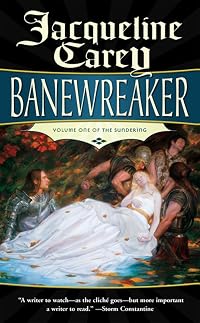
Once, the Seven Shapers dwelled in accord. First-born among them was Haomane, Lord-of-Thought and with his brother and sister gods, the Seven drew upon of the power of the Souma, claimed a race of beings for their own and began Shaping the world to their will. But Haomane saw the ways of this new world and was displeased. For in his younger brother Satoris, once called the Sower, Haomane thought too prideful and in his gift, the quickening of the flesh too freely to the races . . . and to show more that of Man in particular. Haomane asked Satoris to withdraw his Gift from Men but he refused. And so began the Shapers' War. Eons have passed. The war that ensued Sundered the very world. Haomane and his siblings lay to one end of a vast ocean unable to touch their creations, Satoris and the races of the world on the other. Satoris has been broken and left adrift among the peoples of the world and is reviled, with most of the races believing that it was he alone who caused the rift and depriving them of the balm of the Seven. He sits in Darkhaven, controlling his own dominion-seeking not victory but neither vengeance. show lessTags
Recommendations
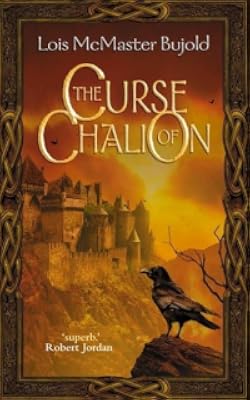
Member Recommendations
Cecrow Another fantasy tale told from the typically opposing side.

sandstone78 Both stories recast the basic plot of Lord of the Rings from the "evil" point of view. The Last Ringbearer is directly set in Middle Earth, while Banewreaker (and the other part of the Sundering duology, Godslayer) is in a different setting that features many parallels to Middle Earth.
Member Reviews
This is splendid fantasy – the fantasy of mythology, the fantasy of prophecy, the fantasy of world-shaping; the hubris of gods and their followers, and the consequences of these lofty notions. For, in the making of this world of Urulat, and in the ‘gifts’ shaped into each race by the seven shapers, comes the inevitable sundering.
So begins Banewreaker. In the way of epic fantasy a world is made and changed; great wars are fought and the story taken up after many thousands of years of events – prodigious in nature – leading to a prophecy which, if fulfilled, will, in the minds of some, heal the rift in the world.
I enjoyed this book because the plot unfolds through the beliefs and opinions of all the protagonists, thus blurring show more the landscape into a multitude of grey and never favouring one side above the other. This story is bleak in that decisions are made, actions are taken, lives are lost and no satisfaction is gained by any side. The main characters are a mixture of flawed driven personalities: Sartoris Third-born, named Banewreaker, and his immortal three allies, Tanaros Blacksword, Vorax of Staccia and Ushahin Dreamspinner vie with their enemies, which include the Ellylon and the race of men, to thwart the prophecy and their demise by kidnapping the lady of Ellylon. But Malthus, counsellor to Haomane First-born, assembles a company with the power and the desire to bring the prophecy to fruition by other means.
I liked the way Carey weaves the other inhabitants of this world into the story, using their unique cultures and abilities to enhance the plot, and bring greater understanding into the reader's mind. There are ravens, there are dwarves, there are desert dwellers and loyal denizens of the deep. And there be dragons - helping to interpret the unfolding pattern!
This is a dark tale – no character is beyond redeeming in their nature, none are beyond understanding, all are interesting - a classic tale of good and evil with nothing to distinguish between the two. I’m not sure which side I am favouring; nor am I sure who will prevail. I already have the sequel, Godslayer, open before me so I can find out. Can't wait!
(Nov 27, 2007) show less
So begins Banewreaker. In the way of epic fantasy a world is made and changed; great wars are fought and the story taken up after many thousands of years of events – prodigious in nature – leading to a prophecy which, if fulfilled, will, in the minds of some, heal the rift in the world.
I enjoyed this book because the plot unfolds through the beliefs and opinions of all the protagonists, thus blurring show more the landscape into a multitude of grey and never favouring one side above the other. This story is bleak in that decisions are made, actions are taken, lives are lost and no satisfaction is gained by any side. The main characters are a mixture of flawed driven personalities: Sartoris Third-born, named Banewreaker, and his immortal three allies, Tanaros Blacksword, Vorax of Staccia and Ushahin Dreamspinner vie with their enemies, which include the Ellylon and the race of men, to thwart the prophecy and their demise by kidnapping the lady of Ellylon. But Malthus, counsellor to Haomane First-born, assembles a company with the power and the desire to bring the prophecy to fruition by other means.
I liked the way Carey weaves the other inhabitants of this world into the story, using their unique cultures and abilities to enhance the plot, and bring greater understanding into the reader's mind. There are ravens, there are dwarves, there are desert dwellers and loyal denizens of the deep. And there be dragons - helping to interpret the unfolding pattern!
This is a dark tale – no character is beyond redeeming in their nature, none are beyond understanding, all are interesting - a classic tale of good and evil with nothing to distinguish between the two. I’m not sure which side I am favouring; nor am I sure who will prevail. I already have the sequel, Godslayer, open before me so I can find out. Can't wait!
(Nov 27, 2007) show less
Summary: In ages past, the seven Shapers made the world and all of the beings who dwelt therein. Haomane, Lord of Thought, eldest of the Shapers, and creator of the Ellylon, became angry with Sartoris, who would not withdraw his gift of quickening from their sister's children, the race of Man. In their struggles, the world was sundered, and Sartoris separated from the rest of his siblings, to dwell in exile. But while he holds Banewreaker, a blade capable of killing even a Shaper, Haomane can make no overt move against him, and so he bides in his stronghold of Darkhaven, along with his three lieutenants, men who left mortality behind when they swore to the Sunderer's service.
However, there is a prophecy that predicts Sartoris's show more downfall, a prophecy which speaks, among other things, of a wedding of a daughter of the Ellylon and a son of the lineage of mortal kings. Sartoris sends his general, Tanaros, to disrupt the wedding and kidnap the Ellylon bride, Cerelinde. Tanaros does this willingly, but he is haunted by thoughts of his mortal life, and the betrayals he has committed... but is he now keeping faith with the right side?
Review: If it's not immediately obvious from my summary, the Sundering duology draws very, very heavily upon Tolkien. And not just in the way that a lot of modern fantasy relies upon Tolkien, but in actual point-by-point plot parallels. The prologue, that describes the Sundering, is more-or-less a direct recap of The Silmarillion, and a lot of the action of the story parallels The Lord of the Rings (right down to the fellowship of good guys that are accompanying an unsophisticated boy who carries an immensely heavy object that is the only way to defeat the bad guy). However, these parallels are clearly intentional, meant as a way of retelling the story from a different perspective, so they read as homage rather than rip-off.
And actually, I found the story a lot easier to get through once I stopped looking for direct parallels (an activity hampered by the fact that I haven't read The Silmarillion in six years), and started enjoying the story for its own sake. Carey includes plenty of story elements that have no direct relation to Tolkien's world, and as the story progressed, and I got more and more caught up in *this* world and *these* characters, I started enjoying the story on its own merits, as well as for the light it shines onto the more familiar works.
Retelling a story from the bad guy's point of view isn't exactly a new idea - Wicked is the most obvious, though far from the only, example - but I've never before seen it applied to epic fantasy. One of the hallmarks of a lot of epic fantasy is the ultimate battle between the forces of good and the forces of evil, and it's always quite clear who the good guys are, and why they do what they do. What Carey's accomplished with Banewreaker is to turn everything on its head, so that the side with all of the typical bad-guy trappings (land of eternal darkness, giant spiders, wounds weeping black ichor, etc.) are the protagonists, and their motives are completely understandable.
Actually, what Carey's done is made the reader (me, at least), want to root for the bad guys. Sartoris is not particularly evil, and just wants to be left alone... and honestly, for all that he's the lord of light and thought and everything, Haomane's kind of a dick. But there's a clear element of tragedy to things as well, because we've all read epic fantasy before, which means we all know that good is ultimately going to win, even though you might actually like the bad guys more. It's a fascinating turnabout, and makes me want to go back and re-read Tolkien with a closer eye on the ostensible bad guys, and see if they're really so bad after all. 4.5 out of 5 stars.
Recommendation: It's not a casual read - Carey's language and tone are such that a fair bit of attention and time is required to really get into the story - but I think that most Tolkien fans (particularly those who don't view all derivative works as sacrilege) should enjoy Carey's perspective. show less
However, there is a prophecy that predicts Sartoris's show more downfall, a prophecy which speaks, among other things, of a wedding of a daughter of the Ellylon and a son of the lineage of mortal kings. Sartoris sends his general, Tanaros, to disrupt the wedding and kidnap the Ellylon bride, Cerelinde. Tanaros does this willingly, but he is haunted by thoughts of his mortal life, and the betrayals he has committed... but is he now keeping faith with the right side?
Review: If it's not immediately obvious from my summary, the Sundering duology draws very, very heavily upon Tolkien. And not just in the way that a lot of modern fantasy relies upon Tolkien, but in actual point-by-point plot parallels. The prologue, that describes the Sundering, is more-or-less a direct recap of The Silmarillion, and a lot of the action of the story parallels The Lord of the Rings (right down to the fellowship of good guys that are accompanying an unsophisticated boy who carries an immensely heavy object that is the only way to defeat the bad guy). However, these parallels are clearly intentional, meant as a way of retelling the story from a different perspective, so they read as homage rather than rip-off.
And actually, I found the story a lot easier to get through once I stopped looking for direct parallels (an activity hampered by the fact that I haven't read The Silmarillion in six years), and started enjoying the story for its own sake. Carey includes plenty of story elements that have no direct relation to Tolkien's world, and as the story progressed, and I got more and more caught up in *this* world and *these* characters, I started enjoying the story on its own merits, as well as for the light it shines onto the more familiar works.
Retelling a story from the bad guy's point of view isn't exactly a new idea - Wicked is the most obvious, though far from the only, example - but I've never before seen it applied to epic fantasy. One of the hallmarks of a lot of epic fantasy is the ultimate battle between the forces of good and the forces of evil, and it's always quite clear who the good guys are, and why they do what they do. What Carey's accomplished with Banewreaker is to turn everything on its head, so that the side with all of the typical bad-guy trappings (land of eternal darkness, giant spiders, wounds weeping black ichor, etc.) are the protagonists, and their motives are completely understandable.
Actually, what Carey's done is made the reader (me, at least), want to root for the bad guys. Sartoris is not particularly evil, and just wants to be left alone... and honestly, for all that he's the lord of light and thought and everything, Haomane's kind of a dick. But there's a clear element of tragedy to things as well, because we've all read epic fantasy before, which means we all know that good is ultimately going to win, even though you might actually like the bad guys more. It's a fascinating turnabout, and makes me want to go back and re-read Tolkien with a closer eye on the ostensible bad guys, and see if they're really so bad after all. 4.5 out of 5 stars.
Recommendation: It's not a casual read - Carey's language and tone are such that a fair bit of attention and time is required to really get into the story - but I think that most Tolkien fans (particularly those who don't view all derivative works as sacrilege) should enjoy Carey's perspective. show less
I loved these beyond reason. Carey’s French/fantasy/pain-slave thing never appealed to me, but these two books were awesome – and take note, Carey finished her story in two books because that’s the story she had; she didn’t stretch it needlessly into a trilogy. There’s an Amazon review suggesting the story owes too much to LoTR, and, though I don’t generally believe in misreading, that reviewer seriously missed the point. This is a critique of LoTR, written from the bad guys’ perspective, making you root for them without ever disavowing their status as bad guys. They kill people because it’s easier than leaving them alive; one of their main allies, the Sorceress, warps her servants’ wills for her own pleasure; they show more resist the will of the gods. And yet – and yet – they stand for free will (setting the Sorceress aside, which you really can’t, which is part of why they’re still the bad guys), while the good guys soldier on in smug certainty that they are merely tools of a greater prophecy.
The books are specifically a revisioning of LoTR: There are shining elves whose numbers are waning as humankind waxes; there are orcs; there is a small mixed-race party assembled by a great sorceror to take the (Ring)Water-bearer deep into the Enemy’s lands where only he can destroy the source of the Enemy’s power. There are few female characters of note – an elven princess promised to a human man to fulfill prophecy, an unusual warrior, and the Sorceress, who’s the only one who notices the sexism behind the good guys’ social structure. Though she is never presented as a moral person, Carey writes her skillfully enough that her perspective – including her anguish at the casual condescension with which the good guys treat her – is always fascinating and painful to share. Main POV characters include the elven princess, the Water-bearer, and Faux-Sauron’s chief military commander, who has reasons of his own for being on the bad guys’ side but whose wounded heart is stirred to life by the princess.
The basic question throughout is whether the prophecy telling of the events that will precede Faux-Sauron’s destruction will come true. By lodging us so firmly in the hearts of the bad guys, Carey creates incredible tension, making the old tropes new again. Each line of prophecy, each step towards destruction, is like the tolling of a great clock. Each time, there is a partial loss, but maybe the next thing won’t come true; maybe the last bell won’t toll. This structure creates incredible pressure on the ending, and I can see how some readers wouldn’t find the resolution satisfying. Though it’s a bit of a let-down, it’s hard to see how it couldn’t be after 800 pages of blood pressure-raising screw-tightening. I myself found the ending perfectly acceptable – but the point here is the journey. Come see Mordor, from the spiders’ side this time. Consider again how you know which side is in the right – the side brimming with golden certainty and godly mandate, or the side that people had to choose to be on? show less
The books are specifically a revisioning of LoTR: There are shining elves whose numbers are waning as humankind waxes; there are orcs; there is a small mixed-race party assembled by a great sorceror to take the (Ring)Water-bearer deep into the Enemy’s lands where only he can destroy the source of the Enemy’s power. There are few female characters of note – an elven princess promised to a human man to fulfill prophecy, an unusual warrior, and the Sorceress, who’s the only one who notices the sexism behind the good guys’ social structure. Though she is never presented as a moral person, Carey writes her skillfully enough that her perspective – including her anguish at the casual condescension with which the good guys treat her – is always fascinating and painful to share. Main POV characters include the elven princess, the Water-bearer, and Faux-Sauron’s chief military commander, who has reasons of his own for being on the bad guys’ side but whose wounded heart is stirred to life by the princess.
The basic question throughout is whether the prophecy telling of the events that will precede Faux-Sauron’s destruction will come true. By lodging us so firmly in the hearts of the bad guys, Carey creates incredible tension, making the old tropes new again. Each line of prophecy, each step towards destruction, is like the tolling of a great clock. Each time, there is a partial loss, but maybe the next thing won’t come true; maybe the last bell won’t toll. This structure creates incredible pressure on the ending, and I can see how some readers wouldn’t find the resolution satisfying. Though it’s a bit of a let-down, it’s hard to see how it couldn’t be after 800 pages of blood pressure-raising screw-tightening. I myself found the ending perfectly acceptable – but the point here is the journey. Come see Mordor, from the spiders’ side this time. Consider again how you know which side is in the right – the side brimming with golden certainty and godly mandate, or the side that people had to choose to be on? show less
http://nwhyte.livejournal.com/2662044.html
I've generally been a huge fan of Jacqueline Carey's Kushiel books, and picked up Godslayer at a convention ages ago; and then on advice got Banewreaker to read first. They are really a very different kettle of fish. Written between the first and second Kushiel trilogies, these two books take the standard fantasy quest narrative and try to tell it from the point of view of the evil side not really being all that bad. It's a worthy attempt, and I kept reading, spotting different bits and pieces taken from Tolkien and other writers and slightly reinvented, but it didn't really grab me.
In particular, the names of some of the characters are so wrong that it's very distracting. One key figure is show more called Malthus, and I kept expecting him to start preaching on the problems of overpopulation; another is called Carfax, and unfortunately that name makes me think of traffic jams in Oxford before anything else. It's a real shame; Carey's ear for names in the Kushiel books seems to have been rather good, but here that talent deserted her. show less
I've generally been a huge fan of Jacqueline Carey's Kushiel books, and picked up Godslayer at a convention ages ago; and then on advice got Banewreaker to read first. They are really a very different kettle of fish. Written between the first and second Kushiel trilogies, these two books take the standard fantasy quest narrative and try to tell it from the point of view of the evil side not really being all that bad. It's a worthy attempt, and I kept reading, spotting different bits and pieces taken from Tolkien and other writers and slightly reinvented, but it didn't really grab me.
In particular, the names of some of the characters are so wrong that it's very distracting. One key figure is show more called Malthus, and I kept expecting him to start preaching on the problems of overpopulation; another is called Carfax, and unfortunately that name makes me think of traffic jams in Oxford before anything else. It's a real shame; Carey's ear for names in the Kushiel books seems to have been rather good, but here that talent deserted her. show less
Six Shapers created the world of Urulat but there was a rift between Satoris Third-born and Haomane First-born which broke apart the world. Now Satoris is hated throughout Urulat except by a select few. Tanaros Blacksword leads Satoris’ armies against the allies of Haomane. But things are changing. A red star rises and a prophecy edges towards completion. And when a princess of the Ellyl is captured, Tanaros, who for so long has lived in anger and despair, reaches out to her. Both of them begin to question who is right and who is wrong.
Banewreaker is basically Lord of the Rings told from all perspectives, especially that of the bad guys. To do this, Carey sets up her world in direct parallel to LOTR. Meaning there are a lot of show more similarities. Satoris = Sauron, Darkhaven = Mordor, the Ellyl who are an immortal, beautiful people sundered by the sea = Elves, dwarves = Dwarves, a long lost king of the west who is a border guard = Aragorn, the Ellyl princess he is supposed to marry = Arwen, a rural boy who must carry a burden into the heart of the enemy’s lair = Frodo. Phew.
It’s purposely derivative. To a certain extent I felt like Carey laid it on a bit too thick, that she didn’t diverge from any other point except that of perspective. It feels gimmicky. Significant diversion would have ruined the parallels but a bit more would have been nice. It’s not a good sign when you’re rolling your eyes at a plot device because it’s so darn familiar.
But as a reworking of LOTR, Carey writes her story with a more feminine touch than most high fantasies. By that I mean that her prose is lusher and more romantic, and she focuses on characters’ feelings and motives rather than just pure action, though she has that too. More importantly, she makes us understand and pity both sides of the war, not just the “good” guys. Races that the fantasy genre typically abhors like the Fjel, who are similar to trolls or orcs, are shown to be people too. There is no good or bad in Carey’s book, only choice. I like that. It breaks high fantasy’s typical black-and-white perspective.
Banewreaker is a book that takes a while to warm up to. Initially it seems like just a gimmick but as you read on, that gimmick sprouts branches and depth. It doesn’t completely lose its sense of being a one-trick pony but I’ll be looking for the sequel. show less
Banewreaker is basically Lord of the Rings told from all perspectives, especially that of the bad guys. To do this, Carey sets up her world in direct parallel to LOTR. Meaning there are a lot of show more similarities. Satoris = Sauron, Darkhaven = Mordor, the Ellyl who are an immortal, beautiful people sundered by the sea = Elves, dwarves = Dwarves, a long lost king of the west who is a border guard = Aragorn, the Ellyl princess he is supposed to marry = Arwen, a rural boy who must carry a burden into the heart of the enemy’s lair = Frodo. Phew.
It’s purposely derivative. To a certain extent I felt like Carey laid it on a bit too thick, that she didn’t diverge from any other point except that of perspective. It feels gimmicky. Significant diversion would have ruined the parallels but a bit more would have been nice. It’s not a good sign when you’re rolling your eyes at a plot device because it’s so darn familiar.
But as a reworking of LOTR, Carey writes her story with a more feminine touch than most high fantasies. By that I mean that her prose is lusher and more romantic, and she focuses on characters’ feelings and motives rather than just pure action, though she has that too. More importantly, she makes us understand and pity both sides of the war, not just the “good” guys. Races that the fantasy genre typically abhors like the Fjel, who are similar to trolls or orcs, are shown to be people too. There is no good or bad in Carey’s book, only choice. I like that. It breaks high fantasy’s typical black-and-white perspective.
Banewreaker is a book that takes a while to warm up to. Initially it seems like just a gimmick but as you read on, that gimmick sprouts branches and depth. It doesn’t completely lose its sense of being a one-trick pony but I’ll be looking for the sequel. show less
On second thoughts, no. I gave it until page 35 (the prologue and the first chapter) but this is absolutely not my thing. Very stately, very "epic", rather Tolkienesque in its elves-and-men and the forming of the world. Rather a lot more grey than Tolkien's black-and-white, sure, but still more long vistas and stirring forces than the details of humanity. Where those details of humanity do come in, I don't like them - I don't wish to follow a main character who killed his wife for unfaithfulness.
A high fantasy novel but an epic tragedy rather than a heroic epic. This is closely based on the events in Tolkien's Silmarillion and the lord of the rings. But simply describing it as the lord of the rings told from Sauron's point of view would be doing it injustice. All the similarities are only superficial as the characters and the emotionally powerful prose add a lot of interesting nuances to the story.
Like in her previous books themes of passion and sexuality play an important part in the story. But it also raises interesting questions regarding morality, fate, loyalty and honor and love and hatred.
In the end it does a reasonably good job of challenging the notions of good and evil in a typical epic fantasy setting.
I would show more recommend this if you don't mind Carey's dense, overwrought and self-indulgent prose. show less
Like in her previous books themes of passion and sexuality play an important part in the story. But it also raises interesting questions regarding morality, fate, loyalty and honor and love and hatred.
In the end it does a reasonably good job of challenging the notions of good and evil in a typical epic fantasy setting.
I would show more recommend this if you don't mind Carey's dense, overwrought and self-indulgent prose. show less
Members
- Recently Added By
Lists

My top 10 Fantasy Novels
9 works; 2 members

Stories Inspired by Other Fiction
127 works; 24 members
Author Information

52+ Works 33,969 Members
Jacqueline Carey was born in 1964 in Highland Park, Illinois. After receiving B.A. degrees in psychology and English literature from Lake Forest College, she spent six months working in a bookstore in London. Upon returning to the U.S., she began her writing career while working at a local college. Her debut novel, Kushiel's Dart, was published in show more 2001 and won the 2002 Locus Award for Best First Novel. Her other works include the Kushiel's Legacy series, the Naamah series, the Sundering series, and Santa Olivia series. (Bowker Author Biography) show less
Some Editions
Series

Work Relationships
Is contained in
Was inspired by
Common Knowledge
- Canonical title
- Banewreaker
- Original publication date
- 2004-11
- People/Characters
- Sartoris Third-born; Tanaros Blacksword; Vorax of Staccia; Ushahin Dreamspinner
- First words
- The place was called Gorgantum.
- Quotations
- So farewell hope, and with hope farewell fear, Farewell remorse: all good to me is lost; Evil be thou my Good.
John Milton, Paradise Lost - Last words
- (Click to show. Warning: May contain spoilers.)Of all the things that had befallen her in Darkhaven, this was surely the most fearful.
Classifications
Statistics
- Members
- 1,321
- Popularity
- 18,220
- Reviews
- 27
- Rating
- (3.36)
- Languages
- English, German
- Media
- Paper, Audiobook, Ebook
- ISBNs
- 8
- ASINs
- 6