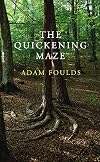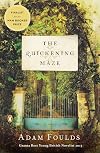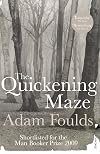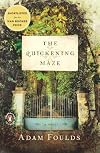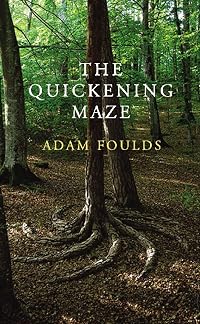
The Quickening Maze
by Adam Foulds
On This Page
Description
Based on real events--tells the deeply moving story of the great nature poet John Clare and his fall into madness.Tags
Recommendations

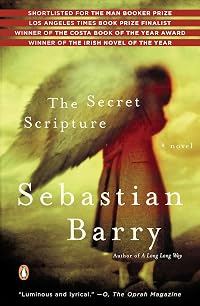
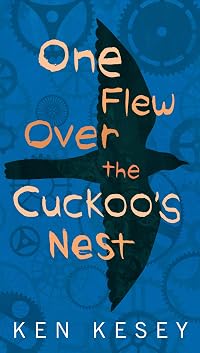
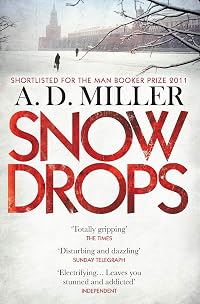
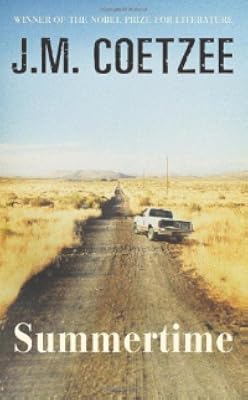






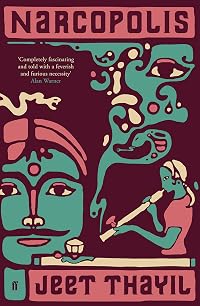


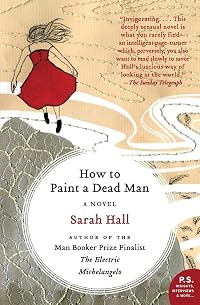

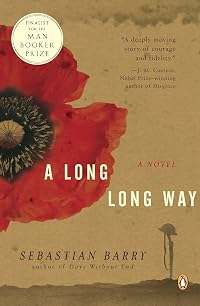
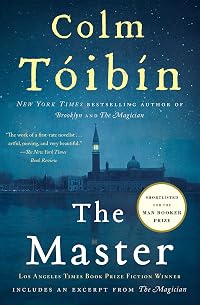


Member Recommendations
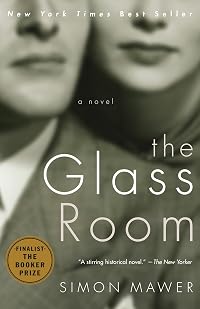
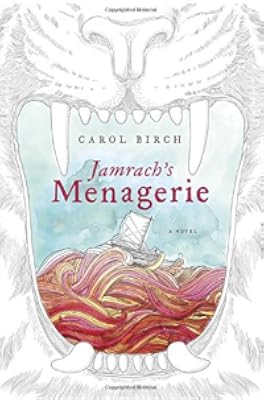
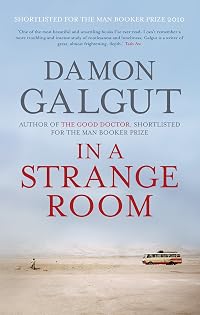
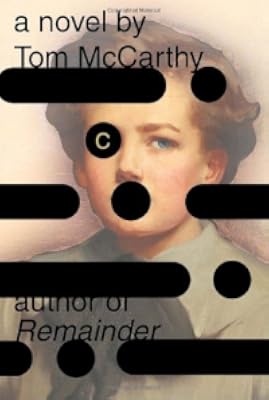
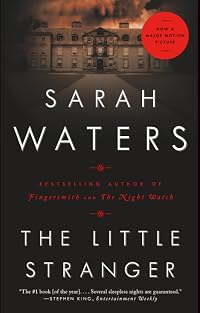
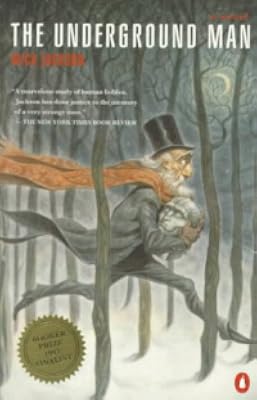
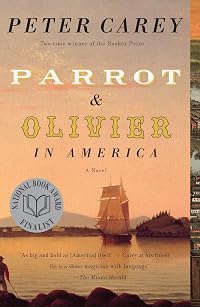
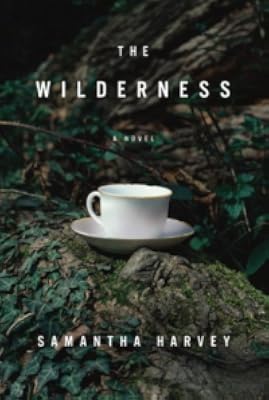
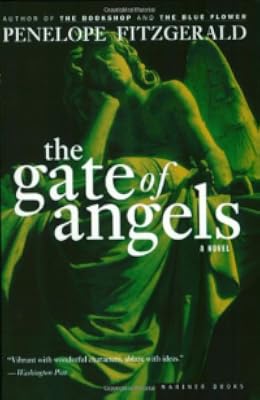
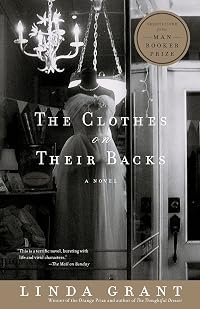
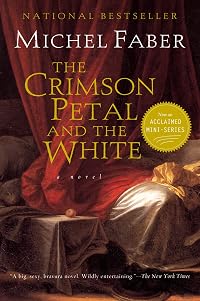
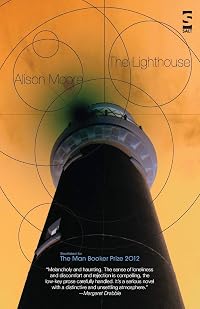
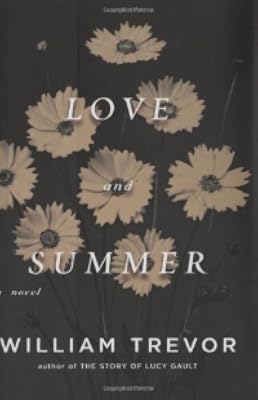
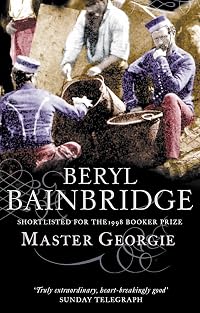
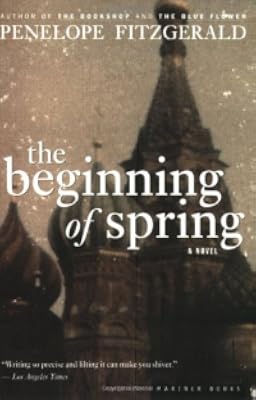
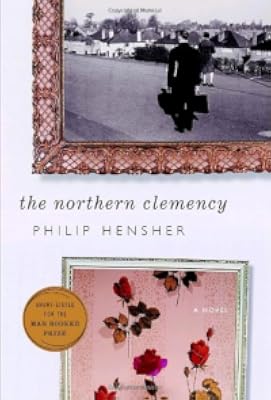
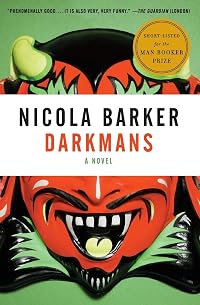
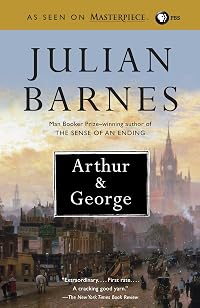
librorumamans Two different looks at institutionalized control in Victorian England.
Member Reviews
I enjoyed this. It's one of those books where nothing much happens, but everything happens. There are no obvious heroes or villains, it's stocked with people doing what people do, some of them are nicer than others, but they're all just human. Set in an asylum where John Clare, the rural poet, is locked up due to his mental instability. For someone used to walking in the open to see the far horizon, this is torture of the worst kind. It also feature his fellow inmates, the asylum's owner and family, Alfred Tennyson and his brother - who's in the asylum for treatment of depression (in effect - they call it melancholia) and other assorted locals.
It's written in a manner that could be seen as disjointed - you get a short chapter of an show more individuals actions, then move on to someone else. The separate strands start to draw together at the end, but it's not a linear narrative. If you need a plot driven book - this won't appeal - it's far more a gentle meander with snapshots of the world as you pass. The writing was, however, almost poetic in itself, lyrical would describe it.
The book has a way of making you think who is really mad here. Is it John, who thinks he is several people(although usually thinks he's only one at a time)? Is it Margaret, who thinks she's on a mission from God to save souls? Is it Matthew, who allows an idea to consume him utterly? And who gets to judge what is sanity? show less
It's written in a manner that could be seen as disjointed - you get a short chapter of an show more individuals actions, then move on to someone else. The separate strands start to draw together at the end, but it's not a linear narrative. If you need a plot driven book - this won't appeal - it's far more a gentle meander with snapshots of the world as you pass. The writing was, however, almost poetic in itself, lyrical would describe it.
The book has a way of making you think who is really mad here. Is it John, who thinks he is several people(although usually thinks he's only one at a time)? Is it Margaret, who thinks she's on a mission from God to save souls? Is it Matthew, who allows an idea to consume him utterly? And who gets to judge what is sanity? show less
The Quickening Maze is a work of historical fiction centring around the convergence of three fascinating minds at High Beech Private Asylum; the poet John Clare, the Asylum’s owner, Dr. Matthew Allen, a gambler and entrepreneur, to whom moderate success is a means to greater; and Alfred Tennyson, who is staying nearby while his brother, Septimus, is under Allen’s care. The Tennysons invest heavily in Allen’s latest idea; John Clare writhes with a turbulent inner life of mixed identities and confusion of his own past, and Allen attempts to manage the asylum and his unravelling scheme.
This novel stopped just shy of being amazing; Clare’s extremes of hyper clarity and deep torment were fiercely written, both beautiful and show more unrelenting, perhaps because the author, too, is a poet. The passages where he wanders off and spends time with the local population of gypsies, or travellers, are particularly expressive (and I loved learning that they call hedgehogs ‘hotchiwitchis’). But the identity of the book itself also seemed fractured. Other than John Clare, no one person seemed examined satisfyingly, except perhaps Hannah, Allen’s seventeen year old daughter, who I did enjoy a great deal; she was flawed and hopeful and the most real of the characters. My favourite parts were hers, including this berry picking moment:
‘Here’, he offered her his hat
‘But they’ll stain.’
‘The inside. And anyway, what’s a hat?’
Hannah, trying to respond to the question, found herself suddenly philosophically stumped, her mind full of abstract hat.
The other characters, presented in cameo after cameo, failed to provide much interest or illumination. Lionel Shriver is quoted in review as saying of the author ‘He draws a walk-on character in a few deft strokes’. Well, yes, he does, I agree, but Foulds also somehow manages to populate the novel with too many characters who are in a limbo between this and real depth. For a book so focused on self identity, this seemed a flaw that stood out more than it might otherwise. show less
This novel stopped just shy of being amazing; Clare’s extremes of hyper clarity and deep torment were fiercely written, both beautiful and show more unrelenting, perhaps because the author, too, is a poet. The passages where he wanders off and spends time with the local population of gypsies, or travellers, are particularly expressive (and I loved learning that they call hedgehogs ‘hotchiwitchis’). But the identity of the book itself also seemed fractured. Other than John Clare, no one person seemed examined satisfyingly, except perhaps Hannah, Allen’s seventeen year old daughter, who I did enjoy a great deal; she was flawed and hopeful and the most real of the characters. My favourite parts were hers, including this berry picking moment:
‘Here’, he offered her his hat
‘But they’ll stain.’
‘The inside. And anyway, what’s a hat?’
Hannah, trying to respond to the question, found herself suddenly philosophically stumped, her mind full of abstract hat.
The other characters, presented in cameo after cameo, failed to provide much interest or illumination. Lionel Shriver is quoted in review as saying of the author ‘He draws a walk-on character in a few deft strokes’. Well, yes, he does, I agree, but Foulds also somehow manages to populate the novel with too many characters who are in a limbo between this and real depth. For a book so focused on self identity, this seemed a flaw that stood out more than it might otherwise. show less
The Quickening Maze by Adam Foulds. "The breeze was cool, but not strong. There were small leaves on half of the trees and clouds in the sky. An ordinary day. It gave no sign that anything special, any event, was occurring." In Foulds' own words, this is exactly how I felt about The Quickening Maze. From the fragmented plot, lackluster prose, and strange and repeated scenes of urination. Borrow don't buy.
This account of the madness of the English poet John Clare captured my affections almost immediately. Foulds weaves Clare’s story with those of the sanitarium director, Dr. Matthew Allen, and his family, as well as those of various patients in the sanitarium and Alfred Tennyson, whose brother becomes a patient. Foulds takes us inside the characters’ minds, letting us see the sometimes flawed logic behind the things they do.
Because the novel takes place in a sanitarium, we see the inner workings of several minds plagued with madnesses that render them unable to live in society, but we also see glimpses of some less obvious madnesses, such as the madness of a young girl’s crush or the madness of doing whatever it takes to achieve a show more dream, even if it means lying or alienating your family. Foulds does not judge his characters, but he doesn’t exactly celebrate their folly.
The characterization in the novel is excellent, but the book’s greatest strength of this book is the writing. I’m not usually much of a fan of poetic, mannered prose. Too often, it draws attention to itself, distracting from the characters or the story. Foulds, however, knows how to write poetically and only rarely does his language jar. His descriptive writing captures his characters’ moods beautifully.
As much as I loved the writing, I was less than impressed with the ending. The book covers seven seasons and mostly offers short vignettes showing where each character is and what is happening in that season. A lot of important events get left out, but it’s usually easy enough to figure out what has happened in between. But in the last few chapters, things seemed to be leaping forward too quickly all at once in every storyline. Other than that problem, this is an excellent novel, and I’m glad the Booker judges brought it to my attention.
See my complete review at my blog. show less
Because the novel takes place in a sanitarium, we see the inner workings of several minds plagued with madnesses that render them unable to live in society, but we also see glimpses of some less obvious madnesses, such as the madness of a young girl’s crush or the madness of doing whatever it takes to achieve a show more dream, even if it means lying or alienating your family. Foulds does not judge his characters, but he doesn’t exactly celebrate their folly.
The characterization in the novel is excellent, but the book’s greatest strength of this book is the writing. I’m not usually much of a fan of poetic, mannered prose. Too often, it draws attention to itself, distracting from the characters or the story. Foulds, however, knows how to write poetically and only rarely does his language jar. His descriptive writing captures his characters’ moods beautifully.
As much as I loved the writing, I was less than impressed with the ending. The book covers seven seasons and mostly offers short vignettes showing where each character is and what is happening in that season. A lot of important events get left out, but it’s usually easy enough to figure out what has happened in between. But in the last few chapters, things seemed to be leaping forward too quickly all at once in every storyline. Other than that problem, this is an excellent novel, and I’m glad the Booker judges brought it to my attention.
See my complete review at my blog. show less
Historical fiction of nature poet, John Clare's gradual descent into madness while staying in High Beach, a mental institution in England. While he's there, he also comes into contact with Alfred Tennyson. Although Tennyson was not another patient, he was prone to moments of melancholy. Tennyson's brother, Septimus Tennyson, was a patient at the same mental institution, run by Matthew Allen.
Through the multiple characters gracing this book, from Hannah, Matthew's daughter who fancies herself in love with Alfred Tennyson, to Margaret, a patient who believes that she has been called to God, to Eliza, Matthew's patient wife, to Fulton, Matthew's son, to Matthew himself, a doctor, a preacher and a would-be entrepreneur, in addition to the show more staff at High Beach, the reader is thrown right in the middle of the chaotic and at times, disturbing events in the institution. The disjointed chaos and the confusing emotions one experiences in reading this book was very cleverly woven by the author. Reality and fantasy compete and at times the lines between them are blurred.
We are treated to bits and pieces of John Clare's poetry and to the multiple characters he believes himself to be. I wish the had been more of his poetry injected into this book, as well as that of Tennyson, but then again, this book is less of their works and more of their personalities and mental state.
This is far from a happy read, but it delivers in intensity. show less
Through the multiple characters gracing this book, from Hannah, Matthew's daughter who fancies herself in love with Alfred Tennyson, to Margaret, a patient who believes that she has been called to God, to Eliza, Matthew's patient wife, to Fulton, Matthew's son, to Matthew himself, a doctor, a preacher and a would-be entrepreneur, in addition to the show more staff at High Beach, the reader is thrown right in the middle of the chaotic and at times, disturbing events in the institution. The disjointed chaos and the confusing emotions one experiences in reading this book was very cleverly woven by the author. Reality and fantasy compete and at times the lines between them are blurred.
We are treated to bits and pieces of John Clare's poetry and to the multiple characters he believes himself to be. I wish the had been more of his poetry injected into this book, as well as that of Tennyson, but then again, this book is less of their works and more of their personalities and mental state.
This is far from a happy read, but it delivers in intensity. show less
I met Adam Foulds recently at an arts festival in Kuala Lumpur and was lucky enough to do a workshop with him on creating character. I felt a bit ashamed of myself that I hadn't read this book already (especially as I usually read the Booker shortlist).
I thoroughly enjoyed this novel - the writing was gorgeous, particularly rich in details of the natural world, and had me wanting to reread passages. He has recreated a small slice of history around High Beach Asylum in Epping Forest, run by Dr Malcolm Allen. The poet John Clare is incarcerated there, and Alfred Tennyson is renting a cottage close by since his brother Septimus is also a patient. I had never given much thought to the men behind the poetry, but Foulds opened a window for me show more into their lives and I found myself wanting to read beyond his novel to find out more about them. (Honestly, did Tennyson smell?)
Foulds has so much sympathy for his characters and does so well depicting their inner lives, including the workings of madness. The narrative, which weaves together the stories of several characters is very well handled. show less
I thoroughly enjoyed this novel - the writing was gorgeous, particularly rich in details of the natural world, and had me wanting to reread passages. He has recreated a small slice of history around High Beach Asylum in Epping Forest, run by Dr Malcolm Allen. The poet John Clare is incarcerated there, and Alfred Tennyson is renting a cottage close by since his brother Septimus is also a patient. I had never given much thought to the men behind the poetry, but Foulds opened a window for me show more into their lives and I found myself wanting to read beyond his novel to find out more about them. (Honestly, did Tennyson smell?)
Foulds has so much sympathy for his characters and does so well depicting their inner lives, including the workings of madness. The narrative, which weaves together the stories of several characters is very well handled. show less
In The Quickening Maze, Adam Foulds dramatized the real-life events surrounding the 1840 stay of “celebrity” inmates and visitors at an asylum located in England’s Epping Forest. Foulds renders the area so well that you can almost smell the damp soil and finger the lace ferns. Here delusional inmate and “peasant poet” John Clare sneaks away to roam the countryside, camps with the local gypsies and tries to return to his imagined wife, Mary, actually a childhood sweetheart who has been dead for years. Alfred Tennyson lodges nearby to visit his inmate brother, walks the woods in contemplation and castes his financial lot with the asylum’s owner, Dr. Matthew Allen. Allen stakes his, and his family’s, future on a risky show more business venture to overcome hidden past failures. His teenaged daughter, Hannah, attempts, through an imagined relationship with Tennyson, to pull herself out of adolescence.
These well-drawn characters swirl around each other in scene after well-crafted scene…but to what end? (**The following is mild spoiler.**) A few days after finishing the book I reread several passages and noticed a moment, a minor realization made by one of the characters, buried in the last ten pages or so of the book: “To love the life that was possible: that was also a freedom.” This is likely the crux of Foulds’ story. This wasn’t my favorite of the 2009 Booker Shortlist—I thought it needed more of a narrative push—but it’s compelling enough for me to look for more of Foulds’ work. show less
These well-drawn characters swirl around each other in scene after well-crafted scene…but to what end? (**The following is mild spoiler.**) A few days after finishing the book I reread several passages and noticed a moment, a minor realization made by one of the characters, buried in the last ten pages or so of the book: “To love the life that was possible: that was also a freedom.” This is likely the crux of Foulds’ story. This wasn’t my favorite of the 2009 Booker Shortlist—I thought it needed more of a narrative push—but it’s compelling enough for me to look for more of Foulds’ work. show less
Members
- Recently Added By
Published Reviews
... Without any of the clunking that is generally audible in stories featuring real people, the book focuses on Allen, Clare and Tennyson, allowing them to seem both fully imagined characters and recognisably actual figures. It's the accuracy of Foulds's writing that guarantees this - that, and his sympathy with the people he's presenting. ...
added by caitlinlizzy
Lists

Booker Prize
491 works; 62 members

Lives of the Poets (and Philosophers)
110 works; 5 members

BBC Radio 4 Bookclub
340 works; 13 members

Man Booker Prize Longlist 2009
13 works; 2 members

Authors from England
147 works; 4 members

Booker Prize Shortlist: Titles Not Yet Read
161 works; 4 members

Tonikat reading completed on Librarything journals
329 works; 2 members

Walter Scott Prize Winners and Shortlist
66 works; 6 members
Author Information

8+ Works 1,099 Members
Adam Foulds was born in 1974 and lives in south London. In 2001 he graduated from the Creative Writing MA at the University of East Anglia. In 2007 he won a Betty Trask Award for The Truth About These Strange Times and two years later, in 2009, his novel The Quickening Maze was shortlisted for the Booker Prize. (Bowker Author Biography)
Some Editions
Awards and Honors
Awards
Distinctions
Common Knowledge
- Original publication date
- 2009
- People/Characters
- Dr. Matthew Allen; John Clare; Alfred Lord Tennyson; Hannah Allen (daughter); Abigail Allen (daughter); Dora Allen (daughter) (show all 14); Fulton Allen (son); Eliza Allen (wife); Oswald Allen (brother); William Stockdale; Margaret (Mary); Thomas Rawnsley; Charles Seymour; Annabelle
- Important places
- Epping Forest, England, UK; High Beach Private Asylum, High Beach, Epping Forest, England, UK; Essex, England, UK
- Dedication
- to my parents
- First words
- He'd been sent out to pick firewood from the forest, sticks and timbers wrenched loose in the storm. Light met him as he stepped outside, the living day met him with its details, the scuffling blackbird that had its nest in t... (show all)heir apple tree.
- Quotations
- "I suspect I've made the breakthroughs I will make...After that is the long work of practice, which tires after awhile."
- Dr. Allen - Last words
- (Click to show. Warning: May contain spoilers.)"Mary."
- Blurbers
- McGrath, Patrick ; Aslam, Nadeem ; Barry, Sebastian ; Motion, Andrew; Shriver, Lionel; Frostrup, Mariella
- Original language
- English
Classifications
Statistics
- Members
- 800
- Popularity
- 34,685
- Reviews
- 37
- Rating
- (3.31)
- Languages
- 6 — Czech, Dutch, English, French, Portuguese, Spanish
- Media
- Paper, Audiobook, Ebook
- ISBNs
- 27
- ASINs
- 11