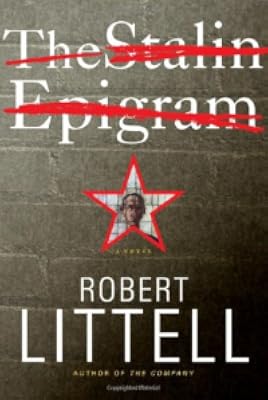
The Stalin Epigram
by Robert Littell
On This Page
Description
A riveting, fictional rendering of the life of Osip Mandelstam, perhaps the greatest Russian poet of the twentieth century -- and one of the few artists in Soviet Russia who daringly refused to pay creative homage to Joseph Stalin.Tags
Recommendations


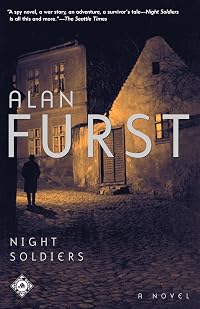

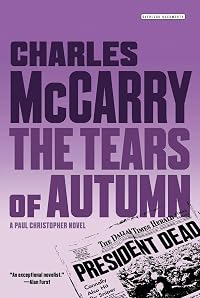
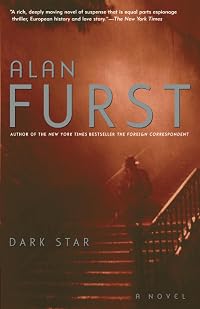
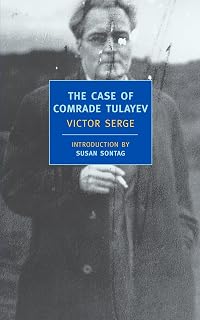












Member Recommendations

by alanteder
Member Reviews
In 1934, Russian poet Osip Mandelstam wrote a poem called The Stalin Epigram which was a scathing indictment of Stalin. It's a pretty amazing little poem. Littell tells Mandelstam's story, along with the stories of some of those in his circle and how the epigram affected them. Many did not want to hear it, justly afraid of what would happen. Littell does a great job of etching the horror of Stalin's regime, and making Mandelstam and his circle human. A pretty gripping read.
In the Stalin Epigram, Littell departs from Cold war spies and turns to Stalinist era poets. The book is based on historical people and events. Littell explores Stalinist repression in the 1930's. His primary focus follows Osip Mandelstam, a formerly renowned poet whose work by 1934 has been suppressed by Stalin's government. He also tells the story of circus strongman and former Soviet champion weightlifter Fikrit Shotman. For a brief time, the two men are unlikely cell mates in Lubyanka.
Mandelstam is an ardent communist and idealist. In his despair at both his personal situation, the general state of the Revolution, and particularly the famines caused by Stalin's forced collectivization, Mandelstam produces a sixteen line ode to show more Stalin - rather not the kind that Stalin was accustomed to, however, as it included a description of Stalin as "the murderer and peasant slayer". His jailing at least seems to have some rational end.
Shotman's fate, on the other hand, demonstrates the capriciousness of a system that encouraged people to accuse others of anti-Soviet activities. His initial crime was having a sticker of the Eiffel Tower on his suit case.
Littell employs an interesting tool by using numerous narrative voices to weave his tales - Mandelstam, his wife Nadezhda, their bisexual lover Zinaida Zaitseva-Antonova, their poet friends Boris Pasternak and Anna Andreyevna Akhmatova, and Stalin's personal bodyguard, Nikolai Vlasik. Stalin himself also plays a prominent role.
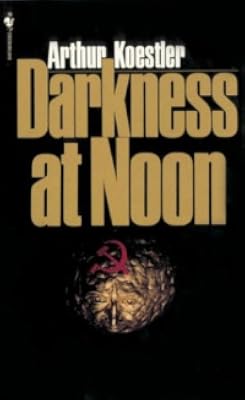
Littell's descriptions of interrogation, psychological manipulation, and torture inside Lubyanka rivals Darkness at Noon: A Novel, but constitute only a portion of the book's focus. Littell also follows the victims of repression after their trials and sentences. With his strongman's body, simple mind, and unquestioning faith in Stalin, Shotman is far better equipped to resist the impact of his ordeal than Mandelstam. Littell details Mandelstam's downward slide with insight and empathy. Highly recommended. show less
Mandelstam is an ardent communist and idealist. In his despair at both his personal situation, the general state of the Revolution, and particularly the famines caused by Stalin's forced collectivization, Mandelstam produces a sixteen line ode to show more Stalin - rather not the kind that Stalin was accustomed to, however, as it included a description of Stalin as "the murderer and peasant slayer". His jailing at least seems to have some rational end.
Shotman's fate, on the other hand, demonstrates the capriciousness of a system that encouraged people to accuse others of anti-Soviet activities. His initial crime was having a sticker of the Eiffel Tower on his suit case.
Littell employs an interesting tool by using numerous narrative voices to weave his tales - Mandelstam, his wife Nadezhda, their bisexual lover Zinaida Zaitseva-Antonova, their poet friends Boris Pasternak and Anna Andreyevna Akhmatova, and Stalin's personal bodyguard, Nikolai Vlasik. Stalin himself also plays a prominent role.
Littell's descriptions of interrogation, psychological manipulation, and torture inside Lubyanka rivals Darkness at Noon: A Novel, but constitute only a portion of the book's focus. Littell also follows the victims of repression after their trials and sentences. With his strongman's body, simple mind, and unquestioning faith in Stalin, Shotman is far better equipped to resist the impact of his ordeal than Mandelstam. Littell details Mandelstam's downward slide with insight and empathy. Highly recommended. show less
This novel about the life of the Russian poet Osip Mandenstam was both a gripping story and a close look at the consequences of being an honest and courageous artist in Soviet Russia. The story is told from several points of view, including Osip's devoted wife and his cellmate, a weightlifter/circus strongman. The cruelties that the prisoners were subjected to made me think of the US prison at Guantanemo and hope that we are not practicing similar acts there.
[The Stalin Epigram] explores the question of what the responsibilities of a creative artist are in a period of repression, such as Russia under Stalin. Its focus is the Russian poet Osip Mandelstam and his wife Nadezhda. Poets Anna Akhmatova and Boris Pasternak, as friends of Mandelstam, also play prominent roles in this book.
Mandelstam's response to the evils he sees around him is to compose a 16 line epigram or "ode" to Stalin, which was highly critical of him. There follows a story of betrayal, exile and death. While the novel is based in fact (Littell interviewed Mandelstam's widow), some black humor is provided by characters and events that may or may not have been embellished. For example, Mandelstam's initial cellmate is a show more former circus strongman who was arrested for merely having a sticker of the Eiffel Tower on his suitcase, and who feels it is his patriotic duty to confess to an array of plots to assassinate Stalin.
While in my view the book does not as vividly portray life under Stalin as other books on the subject I have read, its focus on the experiences of artists under the regime make it a worthwhile read. Recommended.
3 1/2 stars show less
Mandelstam's response to the evils he sees around him is to compose a 16 line epigram or "ode" to Stalin, which was highly critical of him. There follows a story of betrayal, exile and death. While the novel is based in fact (Littell interviewed Mandelstam's widow), some black humor is provided by characters and events that may or may not have been embellished. For example, Mandelstam's initial cellmate is a show more former circus strongman who was arrested for merely having a sticker of the Eiffel Tower on his suitcase, and who feels it is his patriotic duty to confess to an array of plots to assassinate Stalin.
While in my view the book does not as vividly portray life under Stalin as other books on the subject I have read, its focus on the experiences of artists under the regime make it a worthwhile read. Recommended.
3 1/2 stars show less
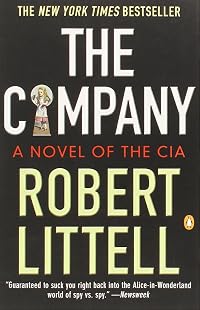
Robert Littell, a longtime master of the Cold War suspense novel (see: The Company, The Amateur, The Defection of AJ Lewinter) has brought his talents to this stunning account of the life and times of the great Russian poet Osip Mandelstam.
Bristeling under the yoke of Stalinism, Mandelstam sets out to bring down the dictator through the power of his poetry. Discouraged by the more politically saavy Boris Pasternack and their mutual frined, Anna Akhmatova, Osip presses on encouraged by his ever loyal partner and wife, Nadezhda. In fact it is Nadezhda who submits to memorizing all of Osip's poems fearing that if they be written down on paper he would surely find himself imprisoned or worse.
Despite their efforts once Osip's Stalin Epigram show more is discovered he is tortured and placed in exile. Slowly drifting into madness he fears losing both his sexual desires and erection, and his ability to create through his muse.
Littell smartly weaves his tale through a variety of voices- Osip, Nadezhda, Akhmatova, Pasternack, Stalin and his bodyguard, and a curious, naive unknown circus strongman whose own imprisonment finds him at the crux of Mandelstam's despair and ultimate death.
In the end though, Stalin understands that the power of Mandelstam's poetry and words have the longer lasting power than do his own efforts of Collectivism and central power and control in Moscow.
The book is fast moving and well done.
At times it echoed two other books i have enjoyed:
Richard Lourie's [The Autobiography of Joseph Stalin] and Roberto Bolano's [The Savage Detectives]. Regarding Lourie's book both depict an, at times, human look at Stalin; the common man behind the throne of power.
As to Bolano's work , Littell glorifies the power of poets and uses multiple witnesses to tell his tale. show less
Bristeling under the yoke of Stalinism, Mandelstam sets out to bring down the dictator through the power of his poetry. Discouraged by the more politically saavy Boris Pasternack and their mutual frined, Anna Akhmatova, Osip presses on encouraged by his ever loyal partner and wife, Nadezhda. In fact it is Nadezhda who submits to memorizing all of Osip's poems fearing that if they be written down on paper he would surely find himself imprisoned or worse.
Despite their efforts once Osip's Stalin Epigram show more is discovered he is tortured and placed in exile. Slowly drifting into madness he fears losing both his sexual desires and erection, and his ability to create through his muse.
Littell smartly weaves his tale through a variety of voices- Osip, Nadezhda, Akhmatova, Pasternack, Stalin and his bodyguard, and a curious, naive unknown circus strongman whose own imprisonment finds him at the crux of Mandelstam's despair and ultimate death.
In the end though, Stalin understands that the power of Mandelstam's poetry and words have the longer lasting power than do his own efforts of Collectivism and central power and control in Moscow.
The book is fast moving and well done.
At times it echoed two other books i have enjoyed:
Richard Lourie's [The Autobiography of Joseph Stalin] and Roberto Bolano's [The Savage Detectives]. Regarding Lourie's book both depict an, at times, human look at Stalin; the common man behind the throne of power.
As to Bolano's work , Littell glorifies the power of poets and uses multiple witnesses to tell his tale. show less
Harrowing examination of Stalin's Russia in the 30s. Finished it in a day--narrative structure of switching between narrators keeps the pace going and provides other relevant and interesting viewpoints.
This was a fascinating, haunting, and sometimes horrifying book. I was fascinated by the fact that the story was build around the life of a poet and his wife who actually did exist. I wish that the author had, in a preface or afterword, made it clearer how much of the story was built on fact and how much had to be constructed as fiction. The characters were excellently developed and the basis in fact served to increase the reader's understanding of the times and characters. I'd highly recommend this book.
Members
- Recently Added By
Lists

Lives of the Poets (and Philosophers)
110 works; 5 members
Author Information

36 Works 4,649 Members
Common Knowledge
- Canonical title
- The Stalin Epigram
- Original title
- The Stalin Epigram
- People/Characters
- Osip Mandelstam; Boris Pasternak; Anna Akhmatova
- Dedication
- For my muse Stella for whom the stars (to borrow an image from Philip Sidney's Astrophel and Stella, 1591) "still dance"
- First words
- Since that white night our lifelines first coiled themselves around each other, fifteen years ago come May Day, in Kiev, in a seedy bohemian cabaret called the Junk Shop, I must have heard Mandelstam give public readings scor... (show all)es of times, still the pure pleasure I take from the poetry of his poems is undiminished.
Classifications
Statistics
- Members
- 265
- Popularity
- 122,390
- Reviews
- 11
- Rating
- (4.08)
- Languages
- 5 — English, French, German, Italian, Portuguese
- Media
- Paper, Audiobook, Ebook
- ISBNs
- 21
- ASINs
- 5