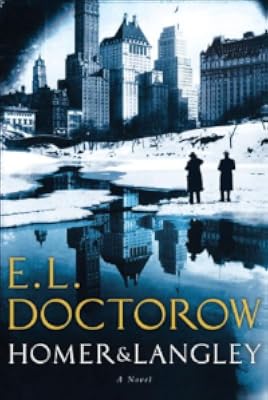
Homer & Langley
by E. L. Doctorow
On This Page
Description
A free imaginative rendering of the lives of New York's fabled Collyer brothers depicts Homer and Langley as recluses in their once grand Fifth Avenue mansion, facing odyssean perils as they struggle to survive the wars, political movements, and technological advances of the last century.Tags
Recommendations




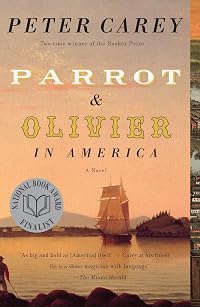
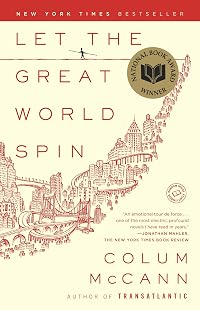
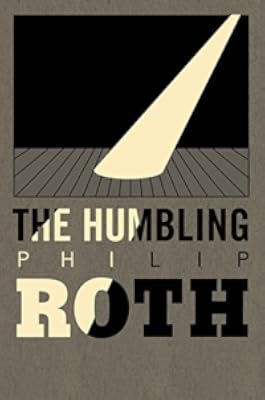

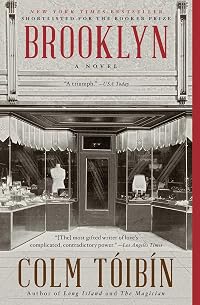










Member Recommendations

sloreck Different take on same true story
Member Reviews
Read: Nov 2016
Rating: 5/5 stars, best of 2016
I have always been oddly fascinated by hoarding and the mindset of people who pack their homes from floor-to-ceiling with all sorts of junk so this book has been one I have meant to read for a long time. I found it incredibly moving as well as entertaining.
The story is told from the POV of Homer, who goes blind in early adulthood. He lives with his brother Langley in their childhood home; an opulent mansion in a prestigious area of New York. Homer chronicles his life from childhood to roughly a week before his death.
I found Doctorow's portrayel of the real life Collyer brothers to be very sympathetic and understanding. Both brothers were highly intelligent and talented. Langley had been left show more deeply scarred by his experiences during World War One and was devoted to his brother. It is Langley who is the compulsive hoarder as he tries to make sense of Homer's disabilites (in later life he also began to lose his hearing) and to understand the changing world.
Towards the end of the novel we really get a sense of Homer's isolation and Langley's desperate attempts to 'reach' him as he has lost his sight and hearing. Homer comments that he can no longer hear his own footsteps and feels like a ghost, that only the touch of his brother tethers him to reality.
Homer & Langley is a suberb little novel and one I know I will read again. I have also been inspired to find out more about the real brothers and while it is clear Doctorow has changed some key facts to write the book (for example in real life the brothers died in the 1940s but in the story it is implied that their deaths happen sometime in the 1970s), the book is still a wonderful portrayal of these two brilliant eccentrics. show less
Rating: 5/5 stars, best of 2016
I have always been oddly fascinated by hoarding and the mindset of people who pack their homes from floor-to-ceiling with all sorts of junk so this book has been one I have meant to read for a long time. I found it incredibly moving as well as entertaining.
The story is told from the POV of Homer, who goes blind in early adulthood. He lives with his brother Langley in their childhood home; an opulent mansion in a prestigious area of New York. Homer chronicles his life from childhood to roughly a week before his death.
I found Doctorow's portrayel of the real life Collyer brothers to be very sympathetic and understanding. Both brothers were highly intelligent and talented. Langley had been left show more deeply scarred by his experiences during World War One and was devoted to his brother. It is Langley who is the compulsive hoarder as he tries to make sense of Homer's disabilites (in later life he also began to lose his hearing) and to understand the changing world.
Towards the end of the novel we really get a sense of Homer's isolation and Langley's desperate attempts to 'reach' him as he has lost his sight and hearing. Homer comments that he can no longer hear his own footsteps and feels like a ghost, that only the touch of his brother tethers him to reality.
Homer & Langley is a suberb little novel and one I know I will read again. I have also been inspired to find out more about the real brothers and while it is clear Doctorow has changed some key facts to write the book (for example in real life the brothers died in the 1940s but in the story it is implied that their deaths happen sometime in the 1970s), the book is still a wonderful portrayal of these two brilliant eccentrics. show less
Homer and Langley was a great read. This was an imaginatively fictionalized account of the Collyer brothers. Doctorow used beautiful yet concise language to really humanize these two eccentric, reclusive and difficult brothers. For someone like me, who idolizes NYC and gets giddy at the thought of one day living steps from Central Park, this account of NYC life (albeit an unorthodox life) in the early 20th century was just lovely. And real. Very real and alive. Which makes it lovely.
I also feel like I need to just go ahead and say that I feel like I understood the Collyer brothers, too. Not on every level, but Doctorow made these characters sympathetic and relate-able. I mean, of course I didn't get mustard gassed in WWI and I am show more neither deaf nor blind, but I get the reclusive desire. The distrust of large companies and anger at the government. Feelings of loneliness and yearning for deeper personal connections. Being disappointed in relationships yet hopeful and nostalgic for them. Doctorow really created a story that made sense. Their descent was inevitable and I understood why it was happening. Human nature can be very complex and murky, but this book shed light on how sane insanity and paranoia can seem when you're in the throes of it.
I also would like to say that the last 5 pages of the book were so incredibly written. Really fantastic writing! show less
I also feel like I need to just go ahead and say that I feel like I understood the Collyer brothers, too. Not on every level, but Doctorow made these characters sympathetic and relate-able. I mean, of course I didn't get mustard gassed in WWI and I am show more neither deaf nor blind, but I get the reclusive desire. The distrust of large companies and anger at the government. Feelings of loneliness and yearning for deeper personal connections. Being disappointed in relationships yet hopeful and nostalgic for them. Doctorow really created a story that made sense. Their descent was inevitable and I understood why it was happening. Human nature can be very complex and murky, but this book shed light on how sane insanity and paranoia can seem when you're in the throes of it.
I also would like to say that the last 5 pages of the book were so incredibly written. Really fantastic writing! show less
Doctorow vuelve a darnos una clase magistral de cómo recrear la historia. Partiendo de un hecho verídico, el del descubrimiento de los cuerpos de los hermanos Collyer en su mansión de la Quinta Avenida en Manhattan, Doctorow nos relata su versión de cómo podrían haber llegado a ese estado. O más bien, en palabras del propio autor: "Como mitos que son, los hermanos Collyer requerían no que se investigara sobre ellos sino que se les interpretara."
La historia está narrada por Homer Collyer, el hermano ciego, que nos cuenta como ha transcurrido su vida junto a su hermano Langley. Realmente, no hay un comienzo, simplemente Homer empieza su historia partiendo del momento en que perdió la vista, antes de los veinte años, y de cómo show more tuvo que adaptarse a la vida a partir de ese momento; pero no perdió la vista de golpe, sino paulatinamente, como en un fundido en negro. Preparándose para este hecho, Homer se memoriza su casa y los lugares de alrededor, al tiempo que sigue asistiendo al Conservatorio y tocando el piano.
El inquieto hermano de Homer, Langley, es el otro elemento protagonista de la novela. Langley, ingeniero, es una persona rara, que siempre está pensando extrañas teorías, como la Teoría de los Reemplazos, basada en que somos el reemplazo de nuestros padres, la generación anterior, y que existe reemplazo para todo y para todos. Pero la teoría más peculiar, la que estará presente durante toda la vida de ambos hermanos, será la del periódico único para todos los tiempos, con el cuál podrás saber todo lo que pasará porque la historia siempre termina repitiéndose; esta es una explicación sencilla. Para confeccionarlo, Langley compra todos los periódicos en sus ediciones matutinas y vespertinas, recortando todo aquello que sea de interés para su proyecto. Este es el punto de inflexión, el que marcará el devenir de la vida en la mansión, ya que la acumulación de periódicos es sustancial. Pero aún se agravará más con el regreso de Langley de la Gran Guerra, momento a partir del cuál almacenará también cualesquiera tipo de objetos que crea puedan serles de utilidad, o no, porque tener un coche en el salón no creo que sea muy útil, ¿verdad?
No querría contar mucho más de esta extraordinaria historia porque parte de su interés radica en el descubrimiento por uno mismo del transcurrir de la vida de los personajes, contado maravillosamente por Homer.
Doctorow lo tenía muy fácil para caer en el sentimentalismo gratuito, intentando buscarnos la fibra sensible, o adoptando una postura en la que los hermanos quedasen como unos meros chalados excéntricos de los que reírse. Pero todo lo contrario, el tacto y la profundidad en la escritura de Doctorow, su planteamiento al desvelarnos esta historia, es exquisita.
En mi recuerdo quedarán la bondad y comprensión de Homer, las teorías de Langley, la parte del gángster Vincent, o la del matrimonio Hoshiyama, y tantos otros, y, cómo no, la demoledora última frase. show less
La historia está narrada por Homer Collyer, el hermano ciego, que nos cuenta como ha transcurrido su vida junto a su hermano Langley. Realmente, no hay un comienzo, simplemente Homer empieza su historia partiendo del momento en que perdió la vista, antes de los veinte años, y de cómo show more tuvo que adaptarse a la vida a partir de ese momento; pero no perdió la vista de golpe, sino paulatinamente, como en un fundido en negro. Preparándose para este hecho, Homer se memoriza su casa y los lugares de alrededor, al tiempo que sigue asistiendo al Conservatorio y tocando el piano.
El inquieto hermano de Homer, Langley, es el otro elemento protagonista de la novela. Langley, ingeniero, es una persona rara, que siempre está pensando extrañas teorías, como la Teoría de los Reemplazos, basada en que somos el reemplazo de nuestros padres, la generación anterior, y que existe reemplazo para todo y para todos. Pero la teoría más peculiar, la que estará presente durante toda la vida de ambos hermanos, será la del periódico único para todos los tiempos, con el cuál podrás saber todo lo que pasará porque la historia siempre termina repitiéndose; esta es una explicación sencilla. Para confeccionarlo, Langley compra todos los periódicos en sus ediciones matutinas y vespertinas, recortando todo aquello que sea de interés para su proyecto. Este es el punto de inflexión, el que marcará el devenir de la vida en la mansión, ya que la acumulación de periódicos es sustancial. Pero aún se agravará más con el regreso de Langley de la Gran Guerra, momento a partir del cuál almacenará también cualesquiera tipo de objetos que crea puedan serles de utilidad, o no, porque tener un coche en el salón no creo que sea muy útil, ¿verdad?
No querría contar mucho más de esta extraordinaria historia porque parte de su interés radica en el descubrimiento por uno mismo del transcurrir de la vida de los personajes, contado maravillosamente por Homer.
Doctorow lo tenía muy fácil para caer en el sentimentalismo gratuito, intentando buscarnos la fibra sensible, o adoptando una postura en la que los hermanos quedasen como unos meros chalados excéntricos de los que reírse. Pero todo lo contrario, el tacto y la profundidad en la escritura de Doctorow, su planteamiento al desvelarnos esta historia, es exquisita.
En mi recuerdo quedarán la bondad y comprensión de Homer, las teorías de Langley, la parte del gángster Vincent, o la del matrimonio Hoshiyama, y tantos otros, y, cómo no, la demoledora última frase. show less
“I’m Homer, the blind brother.” So begins Homer Collyer’s narration of the story of his life and that of his “lung-shot and half insane” brother, Langley.
You may already know something of Homer and Langley Collyer, the title characters of E. L. Doctorow’s latest novel. They were real people. They made the papers in the 1940’s for their eccentric, reclusive habits, and ultimately for dying in a houseful of hoarded rubble so deep that one of their bodies could not be found for over two weeks, despite the stench of decomposition that declared it must be in there somewhere. Their names continue to be associated with hoarding and obsessive “collecting” of useless junk, with living in squalor despite having money in the show more bank, with abandoning society for a hermit’s isolation. Doctorow may have changed that now, having used his art to bring Homer and Langley back to life, to make them real people once more, perhaps more real to us in their fictional forms than they were to the post-war world that, having discovered them buried in their own home under piles of trash, declared their lives and deaths a tragedy. Their story has been fictionalized before, but I dare say never better than it is here.
Doctorow has revised the lifespans of the Collyer brothers, who actually lived from the 1880’s to 1947, and moved their home down Fifth Avenue south of its true location in Harlem, allowing them to experience the sweep of American History from World War I to the 1970’s. Homer may be as sightless as his namesake, but his powers of observation are keen. Through his memoir, we see the iconic events of the 20th century become personal to the brothers even as they gradually sever normal connections with the outside world.
At first, the brothers are quite social, spending many evenings in clubs and speak-easies, where they meet women, and gangsters. Homer has a job at a silent movie theater; he gives music lessons in their home. Langley has a few dates and talks of finding a wife. They hold tea dances in the dining room on Tuesday afternoons. The household continues to be run by servants, much as it was before their parents succumbed to the flu epidemic of 1918.
But as time passes, both brothers turn inward and Langley’s war wounds, mental and physical, take a greater toll on his sanity. They find fewer reasons to interact socially or even to acquiesce to society’s rules. Langley goes out twice a day for the morning and evening editions of all the New York newspapers, and to scout around for still-useful items being discarded or auctioned off. Homer leaves the house less and less often. What comes in the front door rarely goes out again. Only people leave. Langley’s brief half-hearted efforts to find a wife dwindle and are forgotten. Servants are let go, or die, or are taken away by the authorities. Some very interesting visitors pass through, including Vincent the Gangster, and a clutch of hippies. The dining room is occupied by a Model T Ford, Langley’s failed experiment to generate his own electricity. First the phone, then the electricity, and finally the water service are shut off for lack of payment. Something can be heard scuttling around in the ceiling. We know no good can come of it all. Yet reading the saga from Homer’s perspective, none of this feels quite as bizarre as we know it to be. And for the participants, it isn’t tragic, it’s just life. As Homer tells a friend at one point, “You have looked in on this house. You know there is just no other way for us to be. You know it is who we are.” Now we know too.
Review written in 2009 show less
You may already know something of Homer and Langley Collyer, the title characters of E. L. Doctorow’s latest novel. They were real people. They made the papers in the 1940’s for their eccentric, reclusive habits, and ultimately for dying in a houseful of hoarded rubble so deep that one of their bodies could not be found for over two weeks, despite the stench of decomposition that declared it must be in there somewhere. Their names continue to be associated with hoarding and obsessive “collecting” of useless junk, with living in squalor despite having money in the show more bank, with abandoning society for a hermit’s isolation. Doctorow may have changed that now, having used his art to bring Homer and Langley back to life, to make them real people once more, perhaps more real to us in their fictional forms than they were to the post-war world that, having discovered them buried in their own home under piles of trash, declared their lives and deaths a tragedy. Their story has been fictionalized before, but I dare say never better than it is here.
Doctorow has revised the lifespans of the Collyer brothers, who actually lived from the 1880’s to 1947, and moved their home down Fifth Avenue south of its true location in Harlem, allowing them to experience the sweep of American History from World War I to the 1970’s. Homer may be as sightless as his namesake, but his powers of observation are keen. Through his memoir, we see the iconic events of the 20th century become personal to the brothers even as they gradually sever normal connections with the outside world.
At first, the brothers are quite social, spending many evenings in clubs and speak-easies, where they meet women, and gangsters. Homer has a job at a silent movie theater; he gives music lessons in their home. Langley has a few dates and talks of finding a wife. They hold tea dances in the dining room on Tuesday afternoons. The household continues to be run by servants, much as it was before their parents succumbed to the flu epidemic of 1918.
But as time passes, both brothers turn inward and Langley’s war wounds, mental and physical, take a greater toll on his sanity. They find fewer reasons to interact socially or even to acquiesce to society’s rules. Langley goes out twice a day for the morning and evening editions of all the New York newspapers, and to scout around for still-useful items being discarded or auctioned off. Homer leaves the house less and less often. What comes in the front door rarely goes out again. Only people leave. Langley’s brief half-hearted efforts to find a wife dwindle and are forgotten. Servants are let go, or die, or are taken away by the authorities. Some very interesting visitors pass through, including Vincent the Gangster, and a clutch of hippies. The dining room is occupied by a Model T Ford, Langley’s failed experiment to generate his own electricity. First the phone, then the electricity, and finally the water service are shut off for lack of payment. Something can be heard scuttling around in the ceiling. We know no good can come of it all. Yet reading the saga from Homer’s perspective, none of this feels quite as bizarre as we know it to be. And for the participants, it isn’t tragic, it’s just life. As Homer tells a friend at one point, “You have looked in on this house. You know there is just no other way for us to be. You know it is who we are.” Now we know too.
Review written in 2009 show less
Well, this book is absolutely beautiful. I am still thinking about what I want to say about Homer & Langley, while simultaneously composing a letter to E.L. Doctorow in my head. I felt this novel deeply and I am marveling at Doctorow's ability with words and language which activate the senses while creating images that linger.
More of a review to come.
Okay, so after pondering for a couple of days, here is what I have come up with:
This novel was released in 2009, but just this past fall, the trade paperback edition became available. I am aware that Homer & Langley received very mixed reviews, with readers feeling either middling about it or loving it. Like any good historical novelist pushing the limits of his craft, Doctorow takes show more chances. The author’s treatment of the history was a negative for some critics, while others felt the narrator was less than engaging and the imagined historical details were unconvincing, while others still, including the New York Times, opined that Doctorow "never succeeds in making the brothers’ transition from mild eccentricity to out-and-out madness understandable to the reader." Yet even the detractors gave a nod to the author’s stylistic prose.
My reaction to this novel was very strong and I felt it deeply – with my senses and my emotions. Repeatedly I found myself imagining Homer’s ability to take in so much about the world after he lost his sight. The intuition he possessed coupled with other senses being heightened made for a very evolved character with insights that helped filled in the holes of his life. Langley made for an equally interesting, though not as fully fleshed character. Because we are receiving the story from Homer, and though their relationship was unusually strong, we are never fully privy to the action inside Langley’s brain. I do wonder, however, if Langley would be self-aware enough as to categorize his behaviours as well as he categorized his newspaper articles? To me, it is a beautifully imagined brotherhood Doctorow has created; a story inspired by how Homer and Langley lived, rather than sensationalizing how they died. Certainly, many liberties were taken by Doctorow in creating this story and it seems to be this aspect of the book that has the largest share of naysayers debating the label of historical fiction being applied to Doctorow’s book. The book spans nearly 70 years, from just before WWI to the years after the Vietnam War. In this regard, many eras are referenced through the brothers lives. But, it is not so much a recounting of the unusual story of the Collyer brothers as a journey inside that story. Call it a meditation, and a metaphor.
Doctorow’s novel is absolutely beautiful, to me, and I am amazed that he could accomplish so much in such a short (the edition I have is only 208 pages) book. "I’m Homer, the blind brother." is the very first line of Homer & Langley. We know immediately, then, this story will offer a very unique perspective, while signalling, also, that the pages within contain not just a usual story. I feel the eras covered – WWI, the Great Depression, prohibition, the Korean War, The assassinations of the Kennedy brothers and Martin Luther King Jr., the hippie movement and the Vietnam War – allowed the book to read, almost like a road trip novel with Homer and Langley benefiting from social interactions, without leaving their home. That Doctorow moved the setting of his novel from the actual home in Harlem, to an imagined Manhattan brownstone on Fifth Avenue, directly across from Central Park, likely allowed for more artistic license with the outside world coming into the brothers’ home so they could have first-hand experiences while being nearly complete shut-ins.
There is no doubt many found, and continue to find the real story of the Collyer brothers sad. If you look at photos taken from inside their home, you wonder how it is even possible they lived among all of the detritus. What Doctorow has done so well, then, is ask us to look at the tale through a different lens and dig within ourselves and extend compassion to two brothers who were likely never really understood and continue, in this world of media-provoked hoarders interest, to be viewed as bizarre and reprehensible. In Doctorow’s view, Homer & Langley are sensitive, highly-intelligent, lonely men, trying to find their purpose in the world. I think this is something we can all relate to and appreciate. show less
More of a review to come.
Okay, so after pondering for a couple of days, here is what I have come up with:
This novel was released in 2009, but just this past fall, the trade paperback edition became available. I am aware that Homer & Langley received very mixed reviews, with readers feeling either middling about it or loving it. Like any good historical novelist pushing the limits of his craft, Doctorow takes show more chances. The author’s treatment of the history was a negative for some critics, while others felt the narrator was less than engaging and the imagined historical details were unconvincing, while others still, including the New York Times, opined that Doctorow "never succeeds in making the brothers’ transition from mild eccentricity to out-and-out madness understandable to the reader." Yet even the detractors gave a nod to the author’s stylistic prose.
My reaction to this novel was very strong and I felt it deeply – with my senses and my emotions. Repeatedly I found myself imagining Homer’s ability to take in so much about the world after he lost his sight. The intuition he possessed coupled with other senses being heightened made for a very evolved character with insights that helped filled in the holes of his life. Langley made for an equally interesting, though not as fully fleshed character. Because we are receiving the story from Homer, and though their relationship was unusually strong, we are never fully privy to the action inside Langley’s brain. I do wonder, however, if Langley would be self-aware enough as to categorize his behaviours as well as he categorized his newspaper articles? To me, it is a beautifully imagined brotherhood Doctorow has created; a story inspired by how Homer and Langley lived, rather than sensationalizing how they died. Certainly, many liberties were taken by Doctorow in creating this story and it seems to be this aspect of the book that has the largest share of naysayers debating the label of historical fiction being applied to Doctorow’s book. The book spans nearly 70 years, from just before WWI to the years after the Vietnam War. In this regard, many eras are referenced through the brothers lives. But, it is not so much a recounting of the unusual story of the Collyer brothers as a journey inside that story. Call it a meditation, and a metaphor.
Doctorow’s novel is absolutely beautiful, to me, and I am amazed that he could accomplish so much in such a short (the edition I have is only 208 pages) book. "I’m Homer, the blind brother." is the very first line of Homer & Langley. We know immediately, then, this story will offer a very unique perspective, while signalling, also, that the pages within contain not just a usual story. I feel the eras covered – WWI, the Great Depression, prohibition, the Korean War, The assassinations of the Kennedy brothers and Martin Luther King Jr., the hippie movement and the Vietnam War – allowed the book to read, almost like a road trip novel with Homer and Langley benefiting from social interactions, without leaving their home. That Doctorow moved the setting of his novel from the actual home in Harlem, to an imagined Manhattan brownstone on Fifth Avenue, directly across from Central Park, likely allowed for more artistic license with the outside world coming into the brothers’ home so they could have first-hand experiences while being nearly complete shut-ins.
There is no doubt many found, and continue to find the real story of the Collyer brothers sad. If you look at photos taken from inside their home, you wonder how it is even possible they lived among all of the detritus. What Doctorow has done so well, then, is ask us to look at the tale through a different lens and dig within ourselves and extend compassion to two brothers who were likely never really understood and continue, in this world of media-provoked hoarders interest, to be viewed as bizarre and reprehensible. In Doctorow’s view, Homer & Langley are sensitive, highly-intelligent, lonely men, trying to find their purpose in the world. I think this is something we can all relate to and appreciate. show less
After reading up a bit on the Collyer brothers, I changed my assessment of this novel. I don't take issue with the liberties of timeline and birth order, but I don't understand why Doctorow did it. Sure, the journey through the 50s-70s was interesting and the Collier brothers would no doubt have been an interesting lens for such times, but why make Homer the pianist and the younger brother? Admittedly, I knew little about the Collyer brothers before reading the novel and I think that added to my enjoyment. What struck me is that it is a story about stories in some sense. For much of the world, there were mysteries behind those doors of that brownstone that were sensationalized, yet fantastically truthful. What Doctorow does, however, is show more digs through the labels of "disorders" and reveals a relationship between two people. Two secluded brothers in history are perfect fodder for fictionalization and maybe that is their legacy--to generate stories. There's a safety in fiction, especially now that they are gone. But Doctorow asks us--with this story--to look beyond all in our present that is eccentric and "unknown" to find the touchstones. Maybe I'm giving him more credit than I should, but that was my takeaway from the book. show less
This is the first Doctorow book I've read and it blew me away. How inventive and how different. I loved the narrator's character, Homer, and that of his brother Langley, and I loved how they and their house acted as a lens for decades of U.S. and world history - from wars to changes in popular music. And such a sad and somehow sudden ending.
And she understood as I did that when you sat down and put your hands on the keys, it was not just a piano in front of you, it was a universe. (40)
On the other hand there's that song about the man and his shadow?
"Me and My Shadow."
That's the one. He's walking down the avenue with no one to talk to but his shadow. So there's the opposite problem. Can you imagine a universe like that, with only your show more own shadow to talk to? That is a song right out of German metaphysics. (74)
Christ, what I wouldn't give to be something other than a human being. (94)
So as I say, somehow I could never find the opportunity to sit Langley down and have him consider my despondent contribution to his Theory of Replacements. He assumed the passage of generations, you see, but my idea was lateral. If what mattered was the universal form of Dear Girl, and if each dear girl was only a particular expression of the universal, any one of them might serve equally well, and could replace another as our morally insufficient nature demanded. And if that were the case how could I ever be educated to love anyone for a lifetime? (154)
We were our bothered selves once again with the world outside contesting with us as if it had withdrawn its ambassadors. (160)
The news left him distraught - there were occasions, you see, when his cynicism broke down and the heart was made visible. (165)
Parks are dull places, I said. Of course you can get murdered here at night, I said, but other than that it is very dull. (186)
There are moments when I cannot bear this unremitting consciousness...My memories pale as I prevail upon them again and again. They become more and more ghostly. I fear nothing so much as losing them altogether and having only my blank endless mind to live in. (207) show less
And she understood as I did that when you sat down and put your hands on the keys, it was not just a piano in front of you, it was a universe. (40)
On the other hand there's that song about the man and his shadow?
"Me and My Shadow."
That's the one. He's walking down the avenue with no one to talk to but his shadow. So there's the opposite problem. Can you imagine a universe like that, with only your show more own shadow to talk to? That is a song right out of German metaphysics. (74)
Christ, what I wouldn't give to be something other than a human being. (94)
So as I say, somehow I could never find the opportunity to sit Langley down and have him consider my despondent contribution to his Theory of Replacements. He assumed the passage of generations, you see, but my idea was lateral. If what mattered was the universal form of Dear Girl, and if each dear girl was only a particular expression of the universal, any one of them might serve equally well, and could replace another as our morally insufficient nature demanded. And if that were the case how could I ever be educated to love anyone for a lifetime? (154)
We were our bothered selves once again with the world outside contesting with us as if it had withdrawn its ambassadors. (160)
The news left him distraught - there were occasions, you see, when his cynicism broke down and the heart was made visible. (165)
Parks are dull places, I said. Of course you can get murdered here at night, I said, but other than that it is very dull. (186)
There are moments when I cannot bear this unremitting consciousness...My memories pale as I prevail upon them again and again. They become more and more ghostly. I fear nothing so much as losing them altogether and having only my blank endless mind to live in. (207) show less
Members
- Recently Added By
Published Reviews
ThingScore 60
This is Forrest Gump by way of Ecclesiastes, a sustained lament over the futility of human endeavor.
added by Shortride
The achievement of Doctorow’s masterly, compassionate double portrait is that it succeeds for 200 pages in suspending the snigger, elevating the Collyers beyond caricature and turning them into creatures of their times instead of figures of fun.
added by Shortride
I’m not sure “Homer & Langley” will stand as one of Doctorow’s best, but the story of two brothers united by their imaginations and disabilities ends up being a poignant one – rats, cockroaches, and all – and the ending has striking power.
added by Shortride
Lists

Recommend the 20 best books you've read in the last five years
2,168 works; 606 members

Best 21st Century Books (So Far)
670 works; 85 members

Top Five Books of 2015
811 works; 240 members

Books Read in 2015
3,299 works; 129 members

Books We Discovered On LibraryThing
530 works; 130 members
Author Information

57+ Works 25,159 Members
E. L. (Edgar Lawrence) Doctorow was born on January 6, 1931, in the Bronx, New York. He received an A.B. in philosophy in 1952 from Kenyon College and did graduate work at Columbia University. He served in the U.S. Army Signal Corps from 1953-1955. He began his career as a script reader for CBS Television and Columbia Pictures and as a senior show more editor for the New American Library. He was editor-in-chief for Dial Press from 1964 to 1969, where he also served as vice president and publisher in his last year on staff. It was at this time that he decided to write full time. He wrote novels, short stories, essays, and a play. His debut novel, Welcome to Hard Times, was published in 1960 and was adapted into a film in 1967. His other works include, Loon Lake, The Waterworks, The March, Homer and Langley, and Andrew's Brain. He won the National Book Award for Fiction in 1986 for World's Fair and the National Book Critics Circle Award for fiction in 1976 for Ragtime, which was adapted into a film in 1981 and a Broadway musical in 1998. Billy Bathgate received the PEN/Faulkner Award, the National Book Critics Circle Award, and the William Dean Howells Medal in 1990. The Book of Daniel and Billy Bathgate were also adapted into films. He received the 2013 Medal for Distinguished Contribution to American Letters for his outstanding achievement in fiction writing. He died of complications from lung cancer on July 21, 2015 at the age of 84. (Bowker Author Biography) show less
Some Editions
Awards and Honors
Series
Belongs to Publisher Series
Keltainen kirjasto (442)
Fischer Taschenbuch (19363)
Work Relationships
Common Knowledge
- Canonical title
- Homer & Langley
- Original title
- Homer & Langley
- Original publication date
- 2009
- People/Characters
- Homer Collyer; Langley Collyer; Siobhan; Julia; Mary Elizabeth Riordan; Mrs. Robileaux "Grandmamma Robileaux" (show all 8); Mr. and Mrs. Hoshiyama; Jacqueline Roux
- Important places
- New York, New York, USA
- Important events
- World War I (1914 | 1918); Influenza pandemic (1918); World War II (1939 | 1945); World War II, Pacific Theater (1941-12-07 | 1945-09-02); Japanese-American Internment (1942 | 1945); Vietnam War
- Dedication
- To Kate Medina
- First words
- I am Homer, the blind brother.
Jsem Homer, ten slepý bratr. - Quotations
- ...umírají neviňátka, nikoli ti, kdo se už narodili silní, protože bez iluzí. (s. 18)
... byl dost mladý, aby věřil, že svět k němu bude fér, jen když on bude tvrdě pracovat, ze všech sil se snažit a dávat do hudby celé srdce. (s. 49)
Jedna z JoJových mizerně zpívaných písní mě zaujala. Začínala "Dobrejtro, lžičko". Debatovali sme o tom s Langleym. On si myslel, že vypovídá o osamělosti vypravěče, který ironicky oslovuje svůj příbor. N... (show all)esouhlasil jsem. Já jsem tvrdil, že mluvčí hovoří na svou pravděpodobně drobnou milenku, která se s ním ráno probouzí, a že lžička je prostě něžnůstka. (s. 117)
Jediná napínavá věc pro mě byla, kolik Lissiných blábolů budu muset vyslechnout cestou k nevyhnutelnému. (s. 118)
Dnes letí elektrifikovaní hudebníci, kteří si dávají existencialistická jména a přitahují rozsáhlé publikum lidí o něco mladších než oni, kteří by sami také moc rádi škubali pánví a ječeli a častova... (show all)li tou uši rvoucí hudbou stadiony plné idiotů. (s. 122)
We had a joke, Langley and I: Someone dying asks if there is life after death. Yes, comes the answer, only not yours.
But isn't it interesting that someone in the grip of such a monstrous religious fantasy--believing she is doing the Lord's work--is doing the work that the Lord would be doing if there was a Lord? - Last words
- (Click to show. Warning: May contain spoilers.)Where is my brother?
(Click to show. Warning: May contain spoilers.)Kde je můj bratr? - Blurbers
- Oates, Joyce Carol
- Original language
- English
Classifications
Statistics
- Members
- 2,139
- Popularity
- 9,573
- Reviews
- 150
- Rating
- (3.74)
- Languages
- 13 — Catalan, Czech, Danish, Dutch, English, Finnish, French, German, Greek, Italian, Polish, Portuguese, Spanish
- Media
- Paper, Audiobook, Ebook
- ISBNs
- 41
- ASINs
- 18
