Kneller's Happy Campers
by Etgar Keret
On This Page
Description
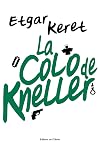
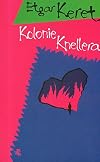
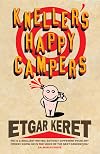
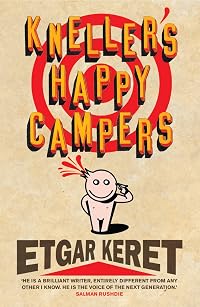
Kneller's Happy Campers is a strange, dark but funny tale set in a world very much like our own but it's an afterlife populated by people who have killed themselves - many of them are young, and most of them bear the marks of their death... bullet wounds, broken necks...(those who have over-dosed are known as 'Juliets'). Mordy, our hero, discovers that his girlfriend from his life before has also 'offed' herself so he sets out to find her, and so follows a strange adventure...Full of the show more weird and wonderful characters, and the slightly surreal twist of events that we've come to expect from Etgar Keret, this novella is full of humour and comic flashes, but it is also wistful, longing for a better world and perfect love. show lessTags
Recommendations












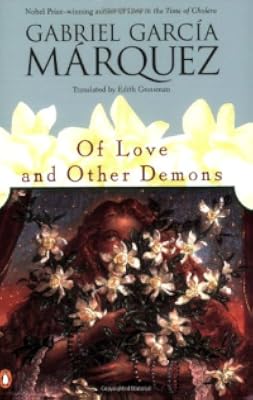
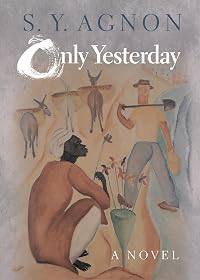


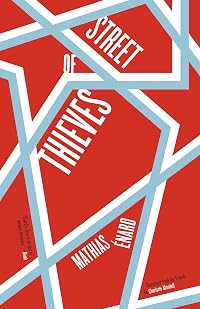


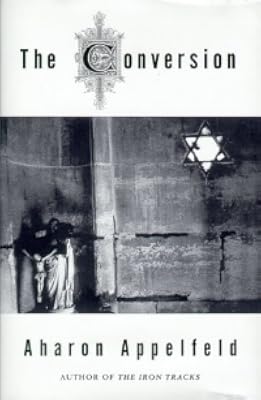
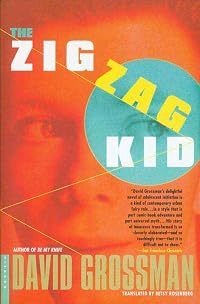
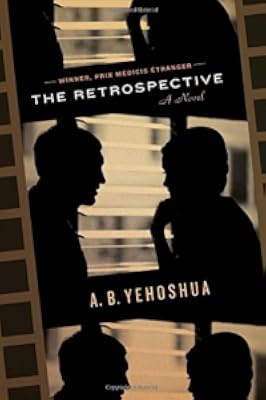
Member Recommendations
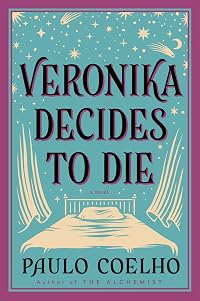
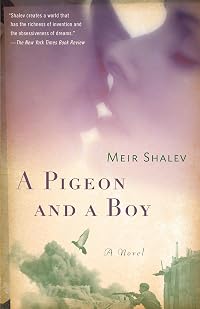
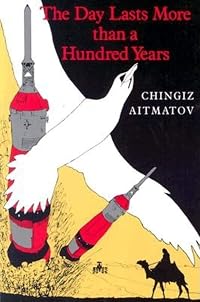
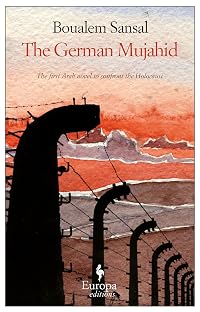
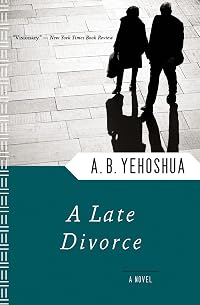
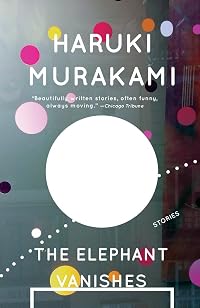
sanddancer Both darkly humorous and imaginative takes on the subject of suicide.
sanddancer Both dark comedies on the usually unfunny topic of suicide
Member Reviews
Etgar Keret impresses with a novella that shows his continuing growth as a writer and a imaginative force. The book slips in a few cliches now and again and even with suspension of disbelief there are a few odd bits and ends that don't quite add up, but these are like specks here and there in what is otherwise an intriguing and genuinely moving story.
Keret deals with a difficult (to put it as lightly as possible) subject, suicide, in a casual, almost nonchalant way but somehow still manages to be sympathetic and even warm. His story seems well aware of itself and can almost be read straddling the line between story as story and story as self aware observation on writing. I wouldn't go so far as to label this work post modern (the show more cliches and story developments mentioned don't seem quite THAT self aware) but Keret is without a doubt a writer's writer who doesn't just know his craft but is seeking to better it through tough substantive and stylistic challenges (the former more than the latter though the length of the story and Keret's short story formatting in general can be taken as evidence for the latter).
I read this book in basically one sitting. This wasn't because it was short but rather because it kind of demanded to be finished. Another great read by an always engaging writer who has yet to disappoint. show less
Keret deals with a difficult (to put it as lightly as possible) subject, suicide, in a casual, almost nonchalant way but somehow still manages to be sympathetic and even warm. His story seems well aware of itself and can almost be read straddling the line between story as story and story as self aware observation on writing. I wouldn't go so far as to label this work post modern (the show more cliches and story developments mentioned don't seem quite THAT self aware) but Keret is without a doubt a writer's writer who doesn't just know his craft but is seeking to better it through tough substantive and stylistic challenges (the former more than the latter though the length of the story and Keret's short story formatting in general can be taken as evidence for the latter).
I read this book in basically one sitting. This wasn't because it was short but rather because it kind of demanded to be finished. Another great read by an always engaging writer who has yet to disappoint. show less
Weird and wonderful collection of very short chapters, almost vignettes, that take place in an afterlife exclusively populated by people who killed themselves. Oddly, the hereafter looks a lot like modern-day Israel. It's a really short book, full with wry wit, that nonetheless leaves the reader pondering existential questions. Think Gary Stheyngart's earlier novels, but funnier and better. It made me very curious to read other works by Etgar Keret.
This is an oddly sweet novella about the afterlife in the place reserved just for people who've commited suicide. This other world is actually rather like ours (people still have boring jobs, girl troubles and go out drinking), but with a few surreal twists. Each chapter begins with the chapter number and a sentence to describe what is going to happen which was a nice little device. Despite the potentially morbid subject matter, I found this book quite delightful and oddly comforting.
Etgar Keret. Good lord, that man can write so much with so little. As with all his short stories, this was a fantastic read. The characters are so well created, their situations such a pleasure to read and digest. Keret is a master of the genre, and as a fellow author, I can only hope to one day approach a fraction of his skill.
If you've never read Keret, this is an excellent place to start. You can also see how it translates to the screen in Wristcutters: A Love Story (also an excellent film).
If you've never read Keret, this is an excellent place to start. You can also see how it translates to the screen in Wristcutters: A Love Story (also an excellent film).
Ratings
Members
- Recently Added By
Lists

Jewish Books
367 works; 24 members
Author Information

64+ Works 3,995 Members
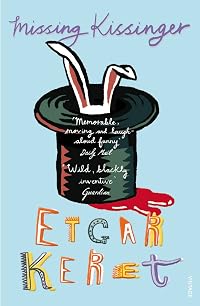
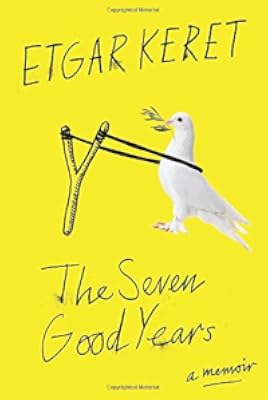
Etgar Keret was born on August 20, 1967 in Israel. He is an Israeli-Polish writer known for his short stories, graphic novels, and scriptwriting for film and television. He is a lecturer at Ben-Gurion University of the Negev in Beer Sheva, and at Tel Aviv University. Keret's first published work was Pipelines, a collection of short stories. His show more second book, Missing Kissinger, a collection of fifty very short stories, caught the attention of the general public. He has also co-authored several comic books, among them Nobody Said It Was Going to Be Fun with Rutu Modan and Streets of Fury with Asaf Hanuka. In 1998, Keret published Kneller's Happy Campers, He also wrote a children's book Dad Runs Away with the Circus. In 2016 his title The Seven Good Years made the New Zealand Best Seller List. (Bowker Author Biography) show less
Work Relationships
Is contained in
Has the adaptation
Common Knowledge
- People/Characters
- Mordy; Uzi Gelfand
- Related movies
- Wristcutters: A Love Story (2006 | IMDb)
- Dedication
- To Eyal and Shlomo
- First words
- I think she cried at my funeral.
Classifications
- Genres
- General Fiction, Fiction and Literature
- DDC/MDS
- 892.43 — Literature & rhetoric Literatures of other languages Afro-Asiatic literatures Jewish, Israeli, and Hebrew Hebrew fiction
- LCC
- PJ5054 .K375 .K35 — Language and Literature Oriental languages and literatures Oriental philology and literature Hebrew Literature Individual authors and works
- BISAC
Statistics
- Members
- 139
- Popularity
- 235,940
- Reviews
- 4
- Rating
- (3.52)
- Languages
- English, French, Hebrew, Polish
- Media
- Paper, Ebook
- ISBNs
- 8
- ASINs
- 2