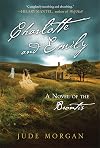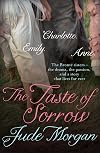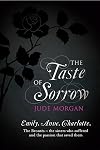
The Taste of Sorrow
by Jude Morgan
On This Page
Description
From an obscure country parsonage came the most extraordinary family of the nineteenth century. The Bronte sisters created a world in which we still live - the intense, passionate world of Jane Eyre and Wuthering Heights; and the phenomenon of this strange explosion of genius remains as baffling now as it was to their Victorian contemporaries. In this panoramic novel we see with new insight the members of a uniquely close-knit family whose tight bonds are the instruments of both triumph and show more tragedy. Emily, the solitary who turns from the world to the greater temptations of the imagination: Anne, gentle and loyal, under whose quietude lies the harshest perception of the stifling life forced upon her: Branwell, the mercurial and self-destructive brother, meant to be king, unable to be a prince: and the brilliant, uncompromising, tormented Charlotte, longing for both love and independence, who establishes the family's name and learns its price. show lessTags
Recommendations

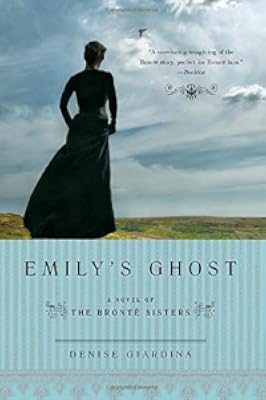
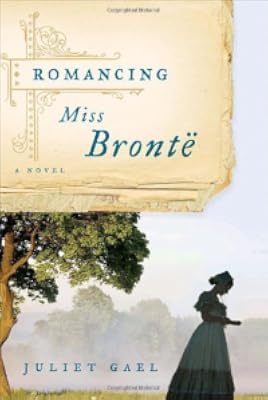
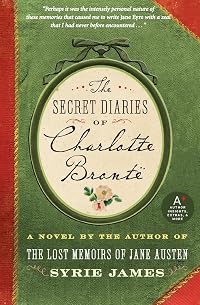
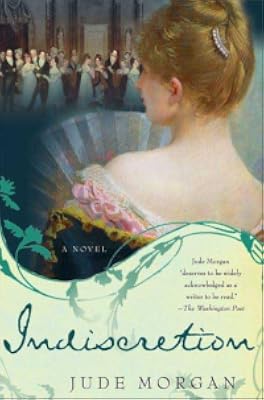












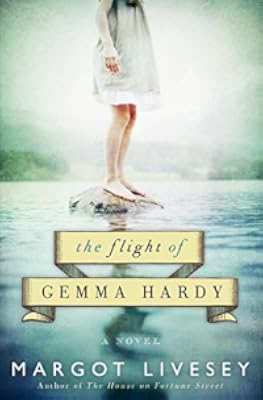
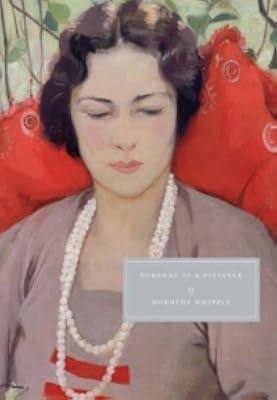
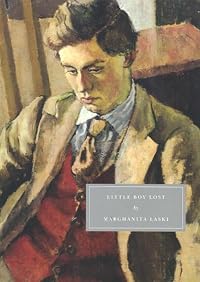
Member Recommendations
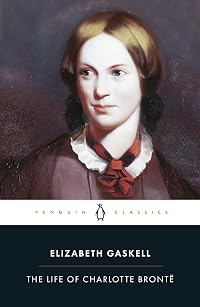
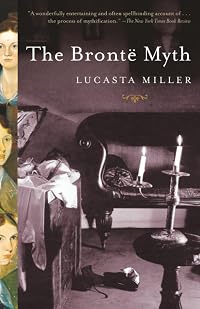
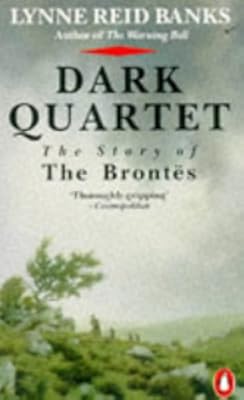
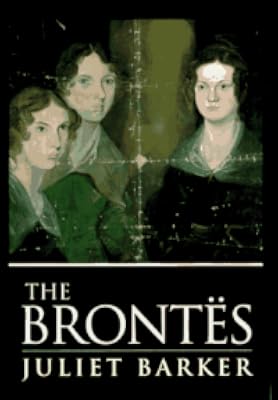
Shuffy2 Both books are about the lives of the Bronte sisters- the ups and downs on the road to publishing their now famous works.
Sakerfalcon Both books explore the lives of the Bronte family in a compelling manner.
Member Reviews
Unputdownable story of the Brontes,
By sally tarbox on 18 November 2016
The Brontes are like Henry VIII - you know their lives inside out, you've read biographies, watched TV documentaries - yet you continue to find their story utterly fascinating, told from different angles, in different ways. So Jude Morgan certainly has great material to begin with - but what a wonderful novel he has crafted from it.
Told in the present continuous (something I don't always enjoy, but it works superbly here), the novel opens with their mother on her death bed, about to leave her five daughters and one son to the care of their rather dour father. In beautifully envisaged scenes and conversations, the author follows them through their wretched school at show more Cowan Bridge; their secret world and early writings, their various teaching posts, Brussels, Branwell's self-destruction.... He writes from the point of view of various characters, their personalities an amalgamation of historical research and the surely autobiographical hints in the Brontes' works.
Such a brilliant read that I have ordered Mr Morgan's other novels (based on true-life). show less
By sally tarbox on 18 November 2016
The Brontes are like Henry VIII - you know their lives inside out, you've read biographies, watched TV documentaries - yet you continue to find their story utterly fascinating, told from different angles, in different ways. So Jude Morgan certainly has great material to begin with - but what a wonderful novel he has crafted from it.
Told in the present continuous (something I don't always enjoy, but it works superbly here), the novel opens with their mother on her death bed, about to leave her five daughters and one son to the care of their rather dour father. In beautifully envisaged scenes and conversations, the author follows them through their wretched school at show more Cowan Bridge; their secret world and early writings, their various teaching posts, Brussels, Branwell's self-destruction.... He writes from the point of view of various characters, their personalities an amalgamation of historical research and the surely autobiographical hints in the Brontes' works.
Such a brilliant read that I have ordered Mr Morgan's other novels (based on true-life). show less
"It’s because I’m all wrong that I have to find something right. And I found it here, in this room. We all did, didn’t we? We found something that alters the conditions of life. You write. You write yourself out of it, you write it out, you write it right.” ( p. 258)
Like many other readers, I suspect, I first read the books by the Brontes in young adulthood, and I’ve returned to them from time to time, with fresh eyes, over the years. While I’ve never read a formal biography of any of the sisters, I know a few basic details about each of them. Given their talent and the seemingly endless tragedies in their lives, including the fact that not one of the six Bronte children made it to the age of forty, I’m not surprised that show more a mythology has arisen around them, as it tends to do around gifted, heroic, or beautiful people who are cut down before their time. With the Brontes, you can't help but wonder: what if fate had been kinder?
In The Taste of Sorrow, Jude Morgan has written a moving biographical novel about this iconic, literary family. It is a sort of ensemble piece that begins with the harrowing death of their mother when the eldest of the six children is less than ten years of age; it follows their story (or stories, more precisely) through to the time of Charlotte’s marriage. Morgan writes in the present tense and flexibly shifts point of view between Charlotte, Emily, and Anne—mostly keeping to the third person, but sometimes relating characters' innermost thoughts using the first person point of view. Their brother, Branwell, and father, Patrick, figure prominently in the narrative, but they are always presented from the outside, through the eyes of one of the three sisters.
Morgan’s fine writing (which does not adhere strictly to 19th-century style, rhythm, or idiom) and considerable descriptive powers transport the reader back in time. Because this is a fairly big book, which I read over several days, I had a sense of being with the characters, knowing them in a way I hadn’t before, and even of grieving with and for them.
Since I haven't read any scholarly biographies of the Brontes, I am unable to comment on the liberties Morgan may have taken with the biographical material. His characterization of the three sisters--the serious, self-conscious, approval-seeking Charlotte; the taciturn, fierce, elemental Emily; and the gentle, temperate, slightly bland Anne--is fairly consistent with my previously formed impressions of them. Even though there were no particular surprises in the book (aside from some information about Charlotte's husband), reading it was a rewarding experience, both intellectually and emotionally. show less
Like many other readers, I suspect, I first read the books by the Brontes in young adulthood, and I’ve returned to them from time to time, with fresh eyes, over the years. While I’ve never read a formal biography of any of the sisters, I know a few basic details about each of them. Given their talent and the seemingly endless tragedies in their lives, including the fact that not one of the six Bronte children made it to the age of forty, I’m not surprised that show more a mythology has arisen around them, as it tends to do around gifted, heroic, or beautiful people who are cut down before their time. With the Brontes, you can't help but wonder: what if fate had been kinder?
In The Taste of Sorrow, Jude Morgan has written a moving biographical novel about this iconic, literary family. It is a sort of ensemble piece that begins with the harrowing death of their mother when the eldest of the six children is less than ten years of age; it follows their story (or stories, more precisely) through to the time of Charlotte’s marriage. Morgan writes in the present tense and flexibly shifts point of view between Charlotte, Emily, and Anne—mostly keeping to the third person, but sometimes relating characters' innermost thoughts using the first person point of view. Their brother, Branwell, and father, Patrick, figure prominently in the narrative, but they are always presented from the outside, through the eyes of one of the three sisters.
Morgan’s fine writing (which does not adhere strictly to 19th-century style, rhythm, or idiom) and considerable descriptive powers transport the reader back in time. Because this is a fairly big book, which I read over several days, I had a sense of being with the characters, knowing them in a way I hadn’t before, and even of grieving with and for them.
Since I haven't read any scholarly biographies of the Brontes, I am unable to comment on the liberties Morgan may have taken with the biographical material. His characterization of the three sisters--the serious, self-conscious, approval-seeking Charlotte; the taciturn, fierce, elemental Emily; and the gentle, temperate, slightly bland Anne--is fairly consistent with my previously formed impressions of them. Even though there were no particular surprises in the book (aside from some information about Charlotte's husband), reading it was a rewarding experience, both intellectually and emotionally. show less
I hardly know where to begin talking about Charlotte and Emily except to say that its English title, The Taste of Sorrow, is so much more appropriate. The book really is about all of the Brontës, not just Charlotte and Emily.
Though the story of their lives is well known, Jude Morgan has really concentrated on making them flesh-and-blood here. Their Irish temperment is captured so well. They rail and snipe at each other like real siblings do and they love each other so fiercely.
I think that's what I enjoyed the most about the novel, experiencing their relationships with each other. More than any other book this year, this one brought me right into the rooms at Haworth parsonage. I savored it, only reading a few pages at a time to make show more the experience last longer.
I've always had a difficult time embracing Charlotte, but by the end of this novel I had found some affection for her at last, so again I say 'well done!'. show less
Though the story of their lives is well known, Jude Morgan has really concentrated on making them flesh-and-blood here. Their Irish temperment is captured so well. They rail and snipe at each other like real siblings do and they love each other so fiercely.
I think that's what I enjoyed the most about the novel, experiencing their relationships with each other. More than any other book this year, this one brought me right into the rooms at Haworth parsonage. I savored it, only reading a few pages at a time to make show more the experience last longer.
I've always had a difficult time embracing Charlotte, but by the end of this novel I had found some affection for her at last, so again I say 'well done!'. show less
A novel of the Bronte family, from the children's childhoods to their deaths. It's told in a beautifully elliptical manner. I got the impression of grim, narrow lives with loads of tragedy and lack of opportunities--but also the shining, open vastness of Emily, Charlotte and Anne's imaginations.
In this novel Mr.Morgan does it again, he achieves sublime precision to what the Brontë sisters' lives might have been, mastering the art of combining fiction with reality. The result: this achingly real tale of sorrow.
Although not a biographical work, it's incredibly easy to believe his version of the facts. Fiction? Maybe. I think some events described must have been invented, but still, Morgan shows his deep understanding of the time, the place and the people which crossed the path of these three unconventional sisters, making the story astonishingly believable.
The book begins with the death of Maria Branwell, mother of the Brontë children, who leaves her severe husband, Patrick Brontë, with 5 girls and an only boy to rise. At show more first, the story focuses on the surroundings of the famous girls: Charlotte, Emily and Anne, especially in their horrible experience in Cowan Bridge boarding school, where their elder sisters get mortally sick.
After they leave the school for good, we observe little by little the way their strikingly different characters start to develop, even more when their paths are separated by their own experiences working as governesses or teachers.
It's through effort and patience that the sisters manage adulthood, always sacrificing their only passion, writing, for the greater good; which is always in advantage of their brother, Branwell. A man who lives embittered by envy and a coward to face his flaws, he drags all his family down with him.
What I most enjoyed about this book is the possibility it brings to understand what kind of lives lead the Brontë sisters to become what they were and to write the way they did.
Charlotte, the eldest sister, always carrying her responsibility, serious, sharp minded, afraid of showing her thoughts, but daring when she needs to. I was proud of her when she confronts her father about her need to write, although she is dismissed like a kid.
Emily, unearthly, almost inhuman. She needs nothing, she lives through her imaginary worlds, although she understands everything that goes around her and she is the one to give the good advice without expecting gratitude back. She doesn't have expectations, she only needs the moors and quietness to write to feel complete.
Anne, dear, sweet Anne. The little sister, the one left aside, but the one who bears the burdens, the one who sacrifices without complain, the one who makes them a whole being, who keeps them together.
Oh, and the bliss of reading about their creative process, how they come up with the poems with the pseudonym masculine names, how Charlotte finds in her real experiences the Jane Eyre she has been nurturing all along inside her, how she gets inspiration in her apparent dull life. Their father, their brother, the curates...everybody is captured in essence in some of their books.
I was awkwardly moved until the last page, sublime description of the last years of the sisters, magnificent description of Charlotte's feelings. A lesson to be learnt.
Having visited Haworth Parsonage a year ago, and after reading this book, I feel as if the Brontë sisters have become alive, I believe I get the picture, and I understand it. These poor and smart sisters, pitiful and unsocial creatures who seemed to have been born only to suffer, they made their dreams come true, they left their footprint in English Literature.
I only wish they could know what their books have become to lots of us, like me, so that their short lives wouldn't seem wasted.
I have to thank Mr. Morgan for this new feeling, the urge to talk to the authors, Charlotte, Emiliy and Anne, not to the characters, Jane, Cathy or Mrs Graham.
This is his achievement after all.
Will be reading anything written by him! show less
Although not a biographical work, it's incredibly easy to believe his version of the facts. Fiction? Maybe. I think some events described must have been invented, but still, Morgan shows his deep understanding of the time, the place and the people which crossed the path of these three unconventional sisters, making the story astonishingly believable.
The book begins with the death of Maria Branwell, mother of the Brontë children, who leaves her severe husband, Patrick Brontë, with 5 girls and an only boy to rise. At show more first, the story focuses on the surroundings of the famous girls: Charlotte, Emily and Anne, especially in their horrible experience in Cowan Bridge boarding school, where their elder sisters get mortally sick.
After they leave the school for good, we observe little by little the way their strikingly different characters start to develop, even more when their paths are separated by their own experiences working as governesses or teachers.
It's through effort and patience that the sisters manage adulthood, always sacrificing their only passion, writing, for the greater good; which is always in advantage of their brother, Branwell. A man who lives embittered by envy and a coward to face his flaws, he drags all his family down with him.
What I most enjoyed about this book is the possibility it brings to understand what kind of lives lead the Brontë sisters to become what they were and to write the way they did.
Charlotte, the eldest sister, always carrying her responsibility, serious, sharp minded, afraid of showing her thoughts, but daring when she needs to. I was proud of her when she confronts her father about her need to write, although she is dismissed like a kid.
Emily, unearthly, almost inhuman. She needs nothing, she lives through her imaginary worlds, although she understands everything that goes around her and she is the one to give the good advice without expecting gratitude back. She doesn't have expectations, she only needs the moors and quietness to write to feel complete.
Anne, dear, sweet Anne. The little sister, the one left aside, but the one who bears the burdens, the one who sacrifices without complain, the one who makes them a whole being, who keeps them together.
Oh, and the bliss of reading about their creative process, how they come up with the poems with the pseudonym masculine names, how Charlotte finds in her real experiences the Jane Eyre she has been nurturing all along inside her, how she gets inspiration in her apparent dull life. Their father, their brother, the curates...everybody is captured in essence in some of their books.
I was awkwardly moved until the last page, sublime description of the last years of the sisters, magnificent description of Charlotte's feelings. A lesson to be learnt.
Having visited Haworth Parsonage a year ago, and after reading this book, I feel as if the Brontë sisters have become alive, I believe I get the picture, and I understand it. These poor and smart sisters, pitiful and unsocial creatures who seemed to have been born only to suffer, they made their dreams come true, they left their footprint in English Literature.
I only wish they could know what their books have become to lots of us, like me, so that their short lives wouldn't seem wasted.
I have to thank Mr. Morgan for this new feeling, the urge to talk to the authors, Charlotte, Emiliy and Anne, not to the characters, Jane, Cathy or Mrs Graham.
This is his achievement after all.
Will be reading anything written by him! show less
This is one of the best books I've read in a long time. It's a beautiful introspective story of a close-knit family that relies on itself for support, understanding, entertainment, and escape from a grim childhood and grimmer future. Of course, the family are the Brontes, and their inner and outer lives are revealed in this remarkable book. All of the characters, Charlotte, Emily, Anne, Branwell, and the emotionally absent father Patrick are rendered carefully. This is a melancholy book (what can you expect, it's the Brontes) but their lives require it. I cannot imagine how you would survive if every one of your beloved siblings died of the same disease.
Besides the portrayal of the individuals in the family, I also liked how the writer show more showed the ways they individually dealt with the reality of working for their livelihoods. How to balance a creative life with needing to earn a living? This is an issue that is still relevant today. Another relevant issue is how to stay true to oneself while still being able to connect with others. As probably one of the most socially awkward families I have seen in literature, they each dealt with their awkwardness in different ways. I enjoyed how different each sibling's personality was portrayed. It seemed true to me--I can picture Emily being the weirdest one in that whole family of weirdos.
I am very excited about reading more of this writer's work--I cannot recommend this book enough. show less
Besides the portrayal of the individuals in the family, I also liked how the writer show more showed the ways they individually dealt with the reality of working for their livelihoods. How to balance a creative life with needing to earn a living? This is an issue that is still relevant today. Another relevant issue is how to stay true to oneself while still being able to connect with others. As probably one of the most socially awkward families I have seen in literature, they each dealt with their awkwardness in different ways. I enjoyed how different each sibling's personality was portrayed. It seemed true to me--I can picture Emily being the weirdest one in that whole family of weirdos.
I am very excited about reading more of this writer's work--I cannot recommend this book enough. show less
I'm a big fan of Jude Morgan's historical novels, and I also love the Brontes, so I expected to be borne away by A Taste of Sorrow. Sadly, not so. I found the book extremely slow going. At first I thought this was simply because I was occupied with end-of-semester tasks that inevitably kept my reading sessions short. Once the semester ended, I figured I would whirl through to the end in a few days, but my reading plodded on at a snail's pace. I just did not find the story very compelling. Perhaps that is not entirely the author's fault: I found myself wondering if the Brontes lives could really have been that dull, and, if they were, well, no wonder they lived such exciting imaginary lives through their characters. The plot pretty much show more boils down to someone gets sick and either dies or gets better--only to get sick again and die shortly thereafter. In between, Branwell gets drunk, acts like a spoiled brat and a boor, and gets fired from a series of jobs that decline in status. Everyone but Emily hates being at home, but they also hate wherever they are sent away to. The highlights, of course, are Charlotte falling in love with a married man, and the eventual publication and popularity of Anne's, Emily's, and Charlotte's novels. Morgan does a decent job of portraying the complex, ambiguous relationships among the siblings and their overbearing father, but that wasn't enough to keep me engrossed in A Taste of Sorrow. show less
Members
- Recently Added By
Lists

KayStJ's to-read list
1,616 works; 11 members
Author Information

8+ Works 1,587 Members
Awards and Honors
Awards
Common Knowledge
- Alternate titles
- The Taste of Sorrow; Charlotte and Emily: A Novel of the Brontës
- Original publication date
- 2009
- People/Characters
- Charlotte Brontë; Anne Brontë; Emily Brontë; Branwell Brontë; Maria Brontë; Elizabeth Brontë (show all 8); Patrick Brontë; Elizabeth Gaskell
- Important places
- Haworth, Yorkshire, England, UK; Brussels, Belgium
- Dedication
- For Ann, with thanks
- First words
- "Oh, my children. Oh, God, my poor children."
- Last words
- (Click to show. Warning: May contain spoilers.)Most unexpected, and beautiful: yes, there they are, listen; she cocks her head and above the shriek of the wind and the thunder of the surf she can hear them, at last, the lost voices coming through.
- Disambiguation notice
- Alternate titles: The Taste of Sorrow and Charlotte and Emily: A Novel of the Brontë Sisters.
Classifications
Statistics
- Members
- 299
- Popularity
- 107,409
- Reviews
- 12
- Rating
- (3.97)
- Languages
- English, Spanish
- Media
- Paper, Audiobook, Ebook
- ISBNs
- 13
- ASINs
- 3