On This Page
Description
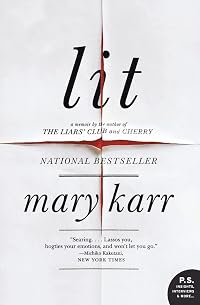
The author reveals how, shortly after giving birth to a child she adored, she drank herself into the same numbness that nearly devoured her charismatic but troubled mother, reaching the brink of suicide before a spiritual awakening led her to sobriety.Tags
Recommendations
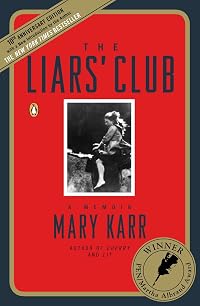
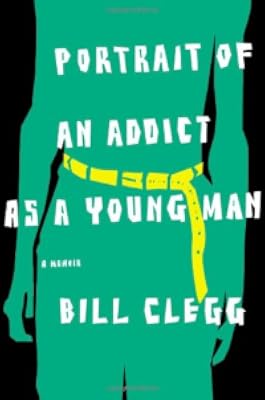
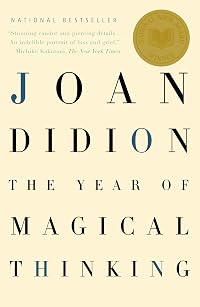
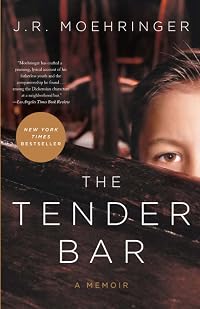
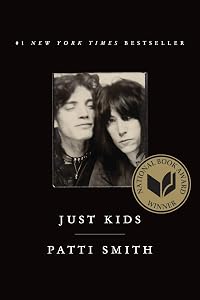



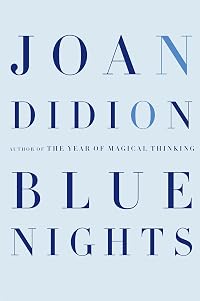


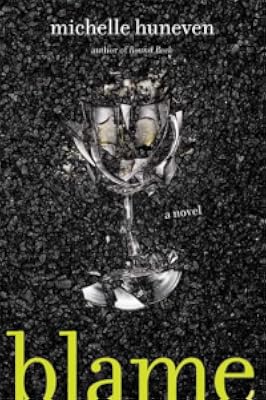
Member Recommendations
Member Reviews
Reading Mary Karr’s latest memoir, "Lit," is akin to catching up with an old friend over a cup of coffee or, perhaps in this case, over something a bit stronger than coffee. Karr’s earlier memoirs, "The Liars’ Club" (1995), which covered her childhood years, and "Cherry" (2000), the story of her adolescence and early adulthood, established for her a well deserved reputation as an exceptional memoirist. Now, some nine years after "Cherry," Karr completes her story, for now, by revealing how she managed to overcome the odds to escape both the insular little town in which she grew up and the quirky upbringing she endured there.
One thing is certain; Mary Karr has not had an easy time of it. Growing up in a muggy, mosquito ridden show more little East Texas refinery town, one in which its residents breathe polluted air no matter from which direction it blows (as I well remember), she was raped by a teenaged neighbor when she was eight years old. Her father, a heavy drinking refinery worker, loved her dearly but was not exactly a role model for his daughters. Her seven-times-married, artistic mother was a bit of a desperado in spirit who struggled with a tendency toward full-blown psychotic episodes throughout much of her life.
As she so frankly details in "Lit," Mary Karr is a combination of the good and the bad components of both her parents. Always a bit of a rebel at heart like her mother, she went into the world resenting those born to wealth as much as her father disliked them, taking pride that she could at least outdrink those who “had been born on third base” but who believed “they hit a home run.” And outdrink them, Mary did - all the way to the point of her own debilitating struggle with alcoholism, a struggle that would steal years of her life and ultimately destroy the marriage that produced her son.
It was a close thing, but Mary managed to save herself, and she accomplished it by doing something so completely out of character for her that it still surprises her. She turned to prayer and organized religion despite a lifetime spent scoffing at both. Despairing and suicidal, she committed herself to what she calls “The Mental Marriott” and the timeout there that would ultimately lead her to place her future in the hands of God, the possibility of whose existence she previously had not been able to take seriously. "Lit" is a word of several meanings when it comes to Mary Karr. It can be a reference to her success in the literary world or it can be used to describe the drunken state in which she spent so many of her waking hours for so many years. Finally, and most hopefully, it also describes the religious experience that saved Mary Karr’s life when she finally “saw the light.”
Fans of Karr’s previous memoirs will be pleased with this inspirational addition to her story, but "Lit" also works well for those reading her for the first time, so well that I suspect the new Karr readers will now want to turn to the first two books.
Rated at: 5.0 show less
One thing is certain; Mary Karr has not had an easy time of it. Growing up in a muggy, mosquito ridden show more little East Texas refinery town, one in which its residents breathe polluted air no matter from which direction it blows (as I well remember), she was raped by a teenaged neighbor when she was eight years old. Her father, a heavy drinking refinery worker, loved her dearly but was not exactly a role model for his daughters. Her seven-times-married, artistic mother was a bit of a desperado in spirit who struggled with a tendency toward full-blown psychotic episodes throughout much of her life.
As she so frankly details in "Lit," Mary Karr is a combination of the good and the bad components of both her parents. Always a bit of a rebel at heart like her mother, she went into the world resenting those born to wealth as much as her father disliked them, taking pride that she could at least outdrink those who “had been born on third base” but who believed “they hit a home run.” And outdrink them, Mary did - all the way to the point of her own debilitating struggle with alcoholism, a struggle that would steal years of her life and ultimately destroy the marriage that produced her son.
It was a close thing, but Mary managed to save herself, and she accomplished it by doing something so completely out of character for her that it still surprises her. She turned to prayer and organized religion despite a lifetime spent scoffing at both. Despairing and suicidal, she committed herself to what she calls “The Mental Marriott” and the timeout there that would ultimately lead her to place her future in the hands of God, the possibility of whose existence she previously had not been able to take seriously. "Lit" is a word of several meanings when it comes to Mary Karr. It can be a reference to her success in the literary world or it can be used to describe the drunken state in which she spent so many of her waking hours for so many years. Finally, and most hopefully, it also describes the religious experience that saved Mary Karr’s life when she finally “saw the light.”
Fans of Karr’s previous memoirs will be pleased with this inspirational addition to her story, but "Lit" also works well for those reading her for the first time, so well that I suspect the new Karr readers will now want to turn to the first two books.
Rated at: 5.0 show less
Confession is one of the main tenets of Catholicism, and this memoir by Mary Karr seems to be both the confession and the penance she pays in her late conversion to Catholicism at the final third of the book.
Is there such a thing as being too honest? Karr confesses to her lifelong addiction to alcohol, and all the ugly events that occurred during her life because of her alcoholism. She's brutally honest, which takes a ton of guts, because I really couldn't stand her as I read it. She wrote this as a form of atonement to her son for her years of poor mothering and distance.
Essentially she had a tragic childhood filled with ugliness and pain. She longs to be a poet, to find a way to make magic with words and leave her mark on the world. show more But given that, she spends very little time discussing her actual development of poetry, instead she professes her love for the 'look' of poets: the starving artist, the tortured soul who is misunderstood and unappreciated, almost like she's reaching for the costume. It seems like she wants to join the poet's club rather than actually be a poet. Maybe her real gift is in this form of writing, the memoir. It's her third. She has no trouble with words in this respect.
She writes well, in a witty, self-deprecating way. She doesn't ask for sympathy or pity, and in many ways that would be hard to give. Is it wrong to say she's selfish and rude, when she's gone so far to be this honest? Because that's the impression she gives. She does have her conversion at the end, which I found a little bit offputting, because again she seems to want to join a club rather than really feel a spiritual connection. And yet she points out the all people have a spiritual need, and I do agree with that. But her roller coaster ride with finding sobriety makes her unpleasant and irritating. No doubt some of it had to do with the alcohol.
It's just very difficult to tolerate her reeling off stories of how often she drove drunk with her son in the car, how she avoided caring for her sick son, and how being alone with her child was boring and a chore. I don't get that, alcoholism or not. So many times she put him in danger, when she had the resources to get help and refused it. When counselors told her to count her blessings, she couldn't think of any: not the sweet little boy she had, nor the home, the loving husband, etc. When asked what she wanted in life, her answer was "more money". And while she complained about being judged unfairly, she was the most judgemental of all. It seems so out of touch.
In all, it was a good read in terms of learning about alcoholism and the recovery process. There were a few gems of wisdom in it, as when a counselor told her if she worries she will be judged, she should ask herself 'what do you base that on?' If she admits it's her own imagination and worry, than it has to be dismissed. She's repeatedly told to stop imagining what people think of her, and to realize that everyone is worrying about their own problems, not hers. All her worries about not measuring up or fitting in, which she used alcohol to mask, had to go in order for her to not feel the need for the alcohol.
I admire her candor, and respect her efforts to make amends. I don't agree with all her premises at the end, but I'm glad she got her life together. show less
Is there such a thing as being too honest? Karr confesses to her lifelong addiction to alcohol, and all the ugly events that occurred during her life because of her alcoholism. She's brutally honest, which takes a ton of guts, because I really couldn't stand her as I read it. She wrote this as a form of atonement to her son for her years of poor mothering and distance.
Essentially she had a tragic childhood filled with ugliness and pain. She longs to be a poet, to find a way to make magic with words and leave her mark on the world. show more But given that, she spends very little time discussing her actual development of poetry, instead she professes her love for the 'look' of poets: the starving artist, the tortured soul who is misunderstood and unappreciated, almost like she's reaching for the costume. It seems like she wants to join the poet's club rather than actually be a poet. Maybe her real gift is in this form of writing, the memoir. It's her third. She has no trouble with words in this respect.
She writes well, in a witty, self-deprecating way. She doesn't ask for sympathy or pity, and in many ways that would be hard to give. Is it wrong to say she's selfish and rude, when she's gone so far to be this honest? Because that's the impression she gives. She does have her conversion at the end, which I found a little bit offputting, because again she seems to want to join a club rather than really feel a spiritual connection. And yet she points out the all people have a spiritual need, and I do agree with that. But her roller coaster ride with finding sobriety makes her unpleasant and irritating. No doubt some of it had to do with the alcohol.
It's just very difficult to tolerate her reeling off stories of how often she drove drunk with her son in the car, how she avoided caring for her sick son, and how being alone with her child was boring and a chore. I don't get that, alcoholism or not. So many times she put him in danger, when she had the resources to get help and refused it. When counselors told her to count her blessings, she couldn't think of any: not the sweet little boy she had, nor the home, the loving husband, etc. When asked what she wanted in life, her answer was "more money". And while she complained about being judged unfairly, she was the most judgemental of all. It seems so out of touch.
In all, it was a good read in terms of learning about alcoholism and the recovery process. There were a few gems of wisdom in it, as when a counselor told her if she worries she will be judged, she should ask herself 'what do you base that on?' If she admits it's her own imagination and worry, than it has to be dismissed. She's repeatedly told to stop imagining what people think of her, and to realize that everyone is worrying about their own problems, not hers. All her worries about not measuring up or fitting in, which she used alcohol to mask, had to go in order for her to not feel the need for the alcohol.
I admire her candor, and respect her efforts to make amends. I don't agree with all her premises at the end, but I'm glad she got her life together. show less
I loved having Mary Karr read this to me (audiobook). Her voice captures the wit and sorrow that balance "Lit" beautifully. Alcoholism, depression, and writing - they've become the trilogy of doom for so many talented writers. Karr shows us - without pity - how she got to such a dark place in her life, and her ascent toward recovery and a begrudging, but well-earned faith.
I love her candor, her cards-on-the-table confessional approach to her work and her demons, and how she had to reconcile her past (two alcoholic parents) to salvage her future (doing the best she could for her son in her efforts to recover).
I would imagine it would be easy to say that Karr spends too much time blaming her parents, or spelling out the details of her show more spiral into full-fledged addict, but to hear her read the story herself, the self-pity seems minimal, and the willingness to find the humor, and the humanity, in each misstep along her path, cut through. As much as I love Anne Lamott's writing - and the similarities between the two ladies are many - I find Karr to be the one who wallows less, and packs a more palpable punch.
I look forward to going back and reading "Liar's Club" next, the memoir with which I likely should've started. show less
I love her candor, her cards-on-the-table confessional approach to her work and her demons, and how she had to reconcile her past (two alcoholic parents) to salvage her future (doing the best she could for her son in her efforts to recover).
I would imagine it would be easy to say that Karr spends too much time blaming her parents, or spelling out the details of her show more spiral into full-fledged addict, but to hear her read the story herself, the self-pity seems minimal, and the willingness to find the humor, and the humanity, in each misstep along her path, cut through. As much as I love Anne Lamott's writing - and the similarities between the two ladies are many - I find Karr to be the one who wallows less, and packs a more palpable punch.
I look forward to going back and reading "Liar's Club" next, the memoir with which I likely should've started. show less
This is a sequel, but "lit" is the first work I have read by this offer. I'd say this book is a lot like the hard liquor she battled so hard to kick. It looks pretty in the package, but burns when you first try to ingest it. Soon you're over the initial shock and a warmth spreads over you. I definitely recommend this book, but I couldn't read too many like this in a row.
Wow. Wow. Such beautiful sentences! Nick was trying to read his own book and I kept interrupting him to say, "Listen to THIS sentence." Leaves aren't yet tumbling from the trees, but for me, all color is leaching from the landscape." Evocative. A tiny visual poem. Every page has a sentence like that.
It's also quite funny. My husband and I shared a waterbed for many years, and so when we read at night, if one person laughed it caused the bed to jiggle and the other person had trouble reading. We made a rule about reading "No jigglers in bed." We now have a standard mattress, but this book is definitely a jiggler.
There were some heartbreaking sentences about AA (which is never named. A reverse anonymity!)
"'You're asking me to put my show more life in the hands of strangers who give not one real shit for my true well being?' 'They probably care more than you do, Joan counters.'" (p.207 in my edition) and then on p.234, a series of questions we all must ask ourselves at some desperate, failing, pointless point in our lives "But what if I don't believe in God?...I want to surrender but I have no idea what that means....What if I get no answer there?" show less
It's also quite funny. My husband and I shared a waterbed for many years, and so when we read at night, if one person laughed it caused the bed to jiggle and the other person had trouble reading. We made a rule about reading "No jigglers in bed." We now have a standard mattress, but this book is definitely a jiggler.
There were some heartbreaking sentences about AA (which is never named. A reverse anonymity!)
"'You're asking me to put my show more life in the hands of strangers who give not one real shit for my true well being?' 'They probably care more than you do, Joan counters.'" (p.207 in my edition) and then on p.234, a series of questions we all must ask ourselves at some desperate, failing, pointless point in our lives "But what if I don't believe in God?...I want to surrender but I have no idea what that means....What if I get no answer there?" show less
Did you ever get part way through a book and wonder-Should I just walk away from this and then all of a sudden you can't put it down? That's what happened with Lit by Mary Karr. It's the story of her life as an alcoholic, parent, wife, daughter, writer, etc. The beginning chapters seemed wrapped in pretension so deep that I found it difficult to wade through the words. While the words were beautifully placed on the page I became entangled in them to the point that the story was swept away in a literary rip tide. Then out of nowhere the water cleared and I found Mary and her story, and what a story she has to tell. How much can you blame your parents for? How much of the mistakes that you make do you have to own? Thought provoking and show more enlightening for those of us with dysfunctional lives, but written so beautifully we could only dream of being able to convey these thoughts with such beautiful prose. show less
In the prologue to her memoir Cherry, Karr describes herself leaving her childhood home, an oil refinery town on the East Texas Gulf Coast and striking out for the dream of California surf. When it quickly proves to be an impoverished and frightening nightmare, she heads for college and desperately tries to fit in. Unsuccessful at this, she tries drinking and running off. Fortunately she finds poetry and a mentor, and throws herself, reluctantly at first, into the literary life. A decade later however, marriage to another poet from a wealthy family, publication, academic success, and motherhood fail to bring her the escape she’s seeking. So she finds herself living for the anesthetic comfort of the bottle, but the bottle let her show more down.
“At the end of my drinking, the kingdom I longed for, slaved for, and a the end of each day lunged at was a rickety slab of unreal estate about four foot square—a back stair landing off my colonial outside Cambridge, Mass. I’d sit hunched against the door guzzling whisky and smoking Marlboros while wires from a tinny walkman piped blues into my head. Through hours there were frequently spent howling inwardly about the melting ice floe of my marriage, this spate of hours was the highlight of my day.” Page 7
Recovering alcoholics often say that there are only three possible outcomes of their addiction: You either end up locked-up, covered-up, or sober-up. Fortunately for American letters and herself, Karr sobered up. show less
“At the end of my drinking, the kingdom I longed for, slaved for, and a the end of each day lunged at was a rickety slab of unreal estate about four foot square—a back stair landing off my colonial outside Cambridge, Mass. I’d sit hunched against the door guzzling whisky and smoking Marlboros while wires from a tinny walkman piped blues into my head. Through hours there were frequently spent howling inwardly about the melting ice floe of my marriage, this spate of hours was the highlight of my day.” Page 7
Recovering alcoholics often say that there are only three possible outcomes of their addiction: You either end up locked-up, covered-up, or sober-up. Fortunately for American letters and herself, Karr sobered up. show less
Members
- Recently Added By
Published Reviews
ThingScore 92
We believe she means every word, fiercely dredging up memories, however wrenching to revisit. At the same time she's keeping a cool eye on what makes a story work.
added by Shortride
In a gravelly, ground-glass-under-your-heel voice that can take you from laughter to awe in a few sentences, Karr has written the best book about being a woman in America I have read in years.
added by Shortride
“Lit” is by no means a perfect performance: the sections dealing with the author’s ex-husband, Warren, feel oddly fuzzy and abstract, but for the reader who can manage to push those sections aside, the book is every bit as absorbing as Ms. Karr’s devastating 1995 memoir, “The Liars’ Club,” which secured her place on the literary map.
added by Shortride
Lists

Best Biographies, Autobiographies and Memoirs
465 works; 160 members

Top Five Books of 2016
795 works; 229 members

HarperCollins Publishers
144 works; 3 members

Best Biographies of Notable Women
279 works; 101 members
Author Information

14+ Works 9,031 Members
Mary Karr's memoir, "The Liars' Club," won the PEN/Martha Albrand Award. A poet & essayist, she has won Pushcart prizes in both genres. Her other grants & awards include the prestigious Whiting Award & the Bunting Fellowship from Radcliffe College. Her previous poetry collections are "Abacus," "The Devil's Tour," & "Viper Rum." She is a full show more professor at Syracuse University. (Publisher Provided) Mary Karr was born in Groves, Texas on January 16, 1955. She received an M.F.A. from Goddard College in 1979. Before becoming a poet and memoirist, she held various jobs in the computer and telecommunications industries. Her works include Lit, The Liars' Club, Cherry, and The Art of Memoir. She has also published four volumes of poetry: Abacus, The Devil's Tour, Viper, and Sinners Welcome. She was a Guggenheim Fellow in poetry in 2005 and has won Pushcart prizes for both her poetry and her essays. She was an assistant professor at numerous colleges and universities including Tufts University, Emerson College, Harvard University, and Sarah Lawrence College. She is currently the Peck Professor of English Literature at Syracuse University. (Bowker Author Biography) show less
Awards and Honors
Awards
Distinctions
Series

Belongs to Publisher Series
Harper Perennial Olive Editions (2015 Olive)
Common Knowledge
- Canonical title
- Lit: A Memoir
- People/Characters
- Mary Karr
- Epigraph
- Passage home? Never.
—The Odyssey, Book 5, Homer (trans. Robert Fagles) - Dedication
- For Chuck and Lynn Pascale and for Dev: Thanks for the light
- First words
- [Prologue] Any way I tell this story is a lie, so I ask you to disconnect the device in your head that repeats at intervals how ancient and addled I am.
Age seventeen, string-haired and halter-topped, weighing in the high double digits and unhindered by a high school diploma, I showed up at the Pacific Ocean, ready to seek my fortune with a truck full of extremely stoned surf... (show all)ers. - Last words
- (Click to show. Warning: May contain spoilers.)[Prologue] I am leaning the top of my head against the door when I spot for the zillionth time--Problem Six?--the burnt-out lightbulb I fail every day to change, the cartoon idea I every night fail to get.
(Click to show. Warning: May contain spoilers.)It can start you singing as the lion pads over to you, its jaws hinging open, its hot breath on you. Even unto death. - Canonical DDC/MDS
- 811.54
- Canonical LCC
- PS3561.A6929
Classifications
Statistics
- Members
- 1,891
- Popularity
- 11,367
- Reviews
- 58
- Rating
- (3.84)
- Languages
- English, Spanish
- Media
- Paper, Audiobook, Ebook
- ISBNs
- 17
- ASINs
- 14