On This Page
Description
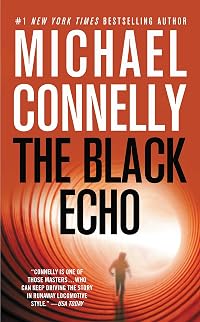
A Vietnam veteran-turned-detective, Hieronymus "Harry" Bosch discovers the body of a former comrade-in-arms during an investigation and, with the help of an attractive FBI agent, hunts for the murderers on a trail leading back to Saigon.Tags
Recommendations
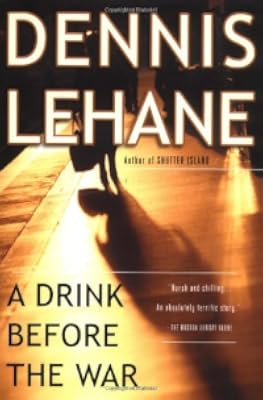
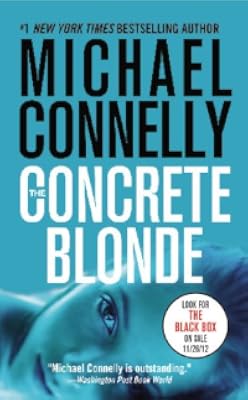
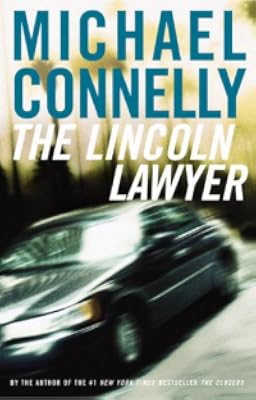
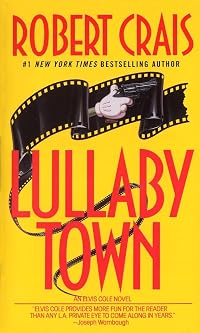
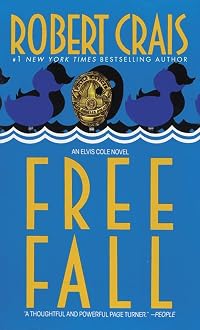
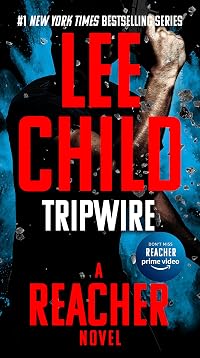
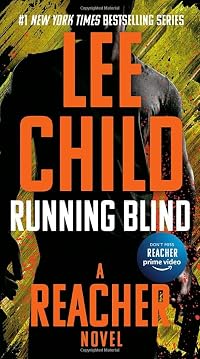
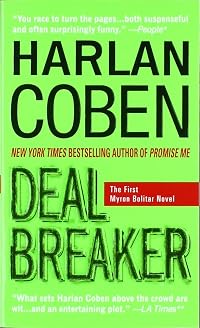
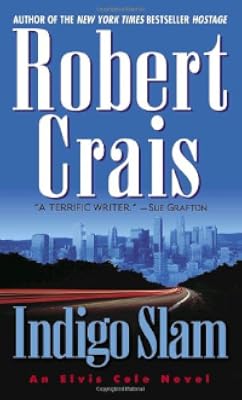
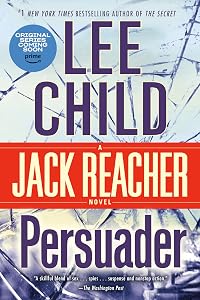
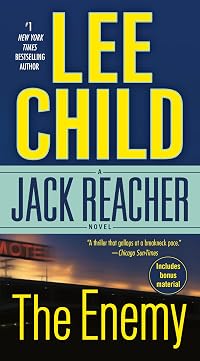
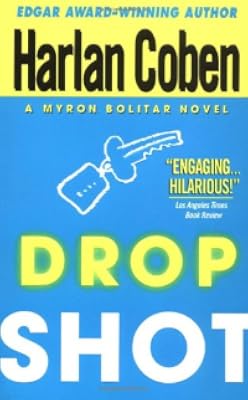
Member Recommendations
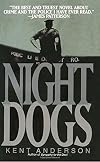
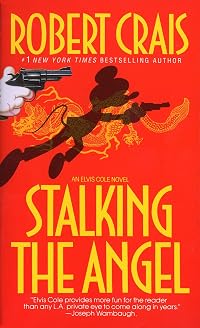
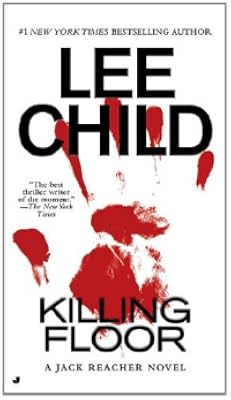
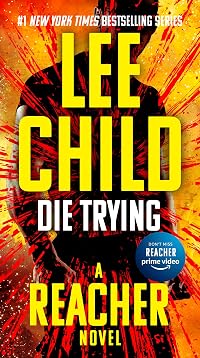
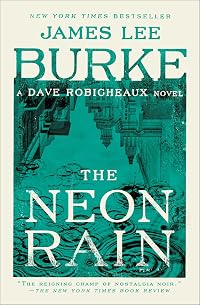
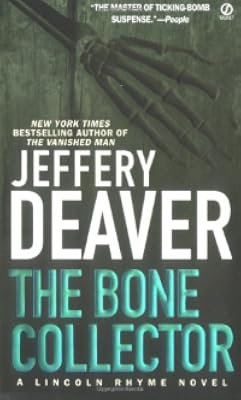
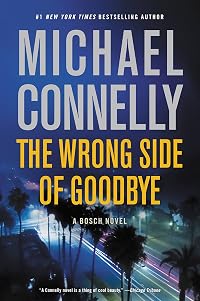
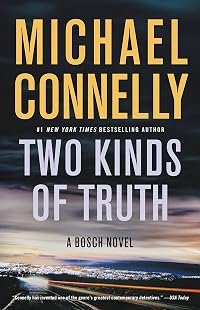
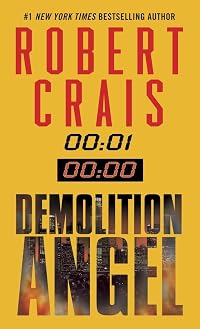
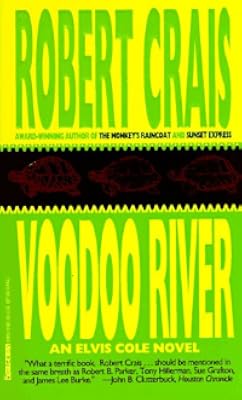
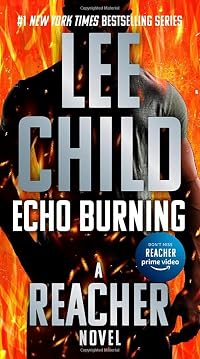
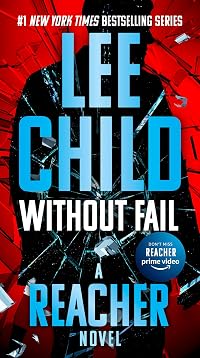
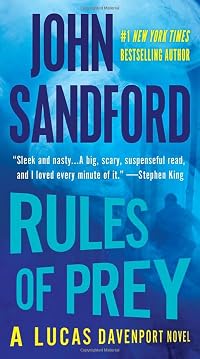
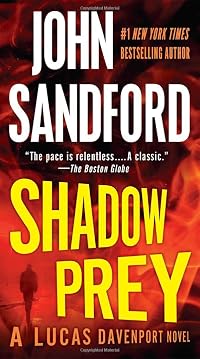
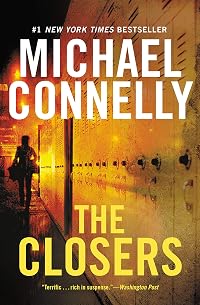
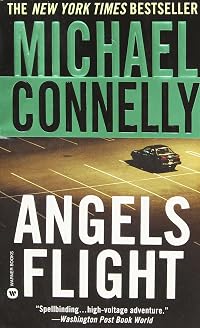
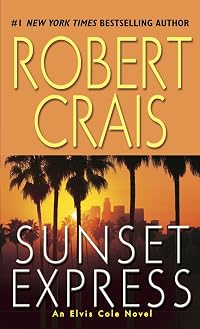
Littlemissbashful Both feature ex Vietnam vets turned cop and corrupt police departments. The demons are the same but the response is different.
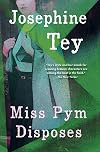
raizel slight spoiler: both books have someone trying to do what is just and not succeeding
03
Member Reviews
A decade or so ago, I read Michael Connelly's "Blood Work", the start of a series about an ex-FBI agent, didn't think much of it and never went back for more.
I now know that I should have started with Michael Connelly's Harry Bosch books. I decided to try them out because I keep hearing them referenced by other writers as something their own characters read, to set them in a particular milieu. I felt as if I was missing out on something.
I always have to start a series from the beginning. In this case, the beginning was twenty four years ago. When I saw that "The Black Echo" was published in 1992, I was doubtful about how well a story about an LAPD detective would stand up after all that time.
I found that "The Black Echo" stands up very show more well indeed, mainly because the plot is much more complex and much more original that it at first seems and the story is told with a momentum that never lets up.
It took me a while to go back to the nineties, when cops wore pagers and had to find pay-phones to make calls; when smoking was seen a normal or perhaps even inevitable and complaining about it was a character flaw; and when serving police officers were still likely to veterans of the Vietnam War. The way Connelly writes, building Bosch's world one detail at a time with no details wasted, the nineties paraphernalia came across as authentic period detail rather than sounding dated or tired.
Even after only one book, I can see Harry Bosch's potential as a strong, long-running character. His strengths: persistence, a need to know, a logical mind, a certain ruthlessness and his flaws: an inability to become part of the institutional family, a smart mouth when faced with incompetent authority, war-memory induced insomnia, and a chronic inability to have fun, provide a fascinating potential for success and self-destruction.
I listened to Dick Hill narrate "The Black Echo". Perhaps it's because I'm more used to hearing him read the Jack Reacher novels, but I found myself comparing Harry Bosch and Jack Reacher. At first the two seemed to be cut from the same cloth but by the end of "Black Echo" I realised that Connelly's plot was more complex and more realistic than most of Child's novels and that, unlike the increasingly psychopathic Reacher, Bosch is actually trying to solve things within the law. He's also capable of a great deal more introspection than Reacher.
So now I'm a Harry Bosch fan albeit more than twenty years after everyone else. Still, it's good to know that there's still new stuff to find out there, show less
I now know that I should have started with Michael Connelly's Harry Bosch books. I decided to try them out because I keep hearing them referenced by other writers as something their own characters read, to set them in a particular milieu. I felt as if I was missing out on something.
I always have to start a series from the beginning. In this case, the beginning was twenty four years ago. When I saw that "The Black Echo" was published in 1992, I was doubtful about how well a story about an LAPD detective would stand up after all that time.
I found that "The Black Echo" stands up very show more well indeed, mainly because the plot is much more complex and much more original that it at first seems and the story is told with a momentum that never lets up.
It took me a while to go back to the nineties, when cops wore pagers and had to find pay-phones to make calls; when smoking was seen a normal or perhaps even inevitable and complaining about it was a character flaw; and when serving police officers were still likely to veterans of the Vietnam War. The way Connelly writes, building Bosch's world one detail at a time with no details wasted, the nineties paraphernalia came across as authentic period detail rather than sounding dated or tired.
Even after only one book, I can see Harry Bosch's potential as a strong, long-running character. His strengths: persistence, a need to know, a logical mind, a certain ruthlessness and his flaws: an inability to become part of the institutional family, a smart mouth when faced with incompetent authority, war-memory induced insomnia, and a chronic inability to have fun, provide a fascinating potential for success and self-destruction.
I listened to Dick Hill narrate "The Black Echo". Perhaps it's because I'm more used to hearing him read the Jack Reacher novels, but I found myself comparing Harry Bosch and Jack Reacher. At first the two seemed to be cut from the same cloth but by the end of "Black Echo" I realised that Connelly's plot was more complex and more realistic than most of Child's novels and that, unlike the increasingly psychopathic Reacher, Bosch is actually trying to solve things within the law. He's also capable of a great deal more introspection than Reacher.
So now I'm a Harry Bosch fan albeit more than twenty years after everyone else. Still, it's good to know that there's still new stuff to find out there, show less
Meet Harry Bosch - an LAPD detective, recently transferred to the Hollywood Division after being part of a very messy and public case that stopped the LAPD from kicking him out from the force. He is not very happy with that - but he is doing the best he can. And one day he is called at the scene of a murder - and recognize the dead man as one of the people that were in the tunnels of Vietnam with him.
The novel is written at the time when the war in Vietnam was the last war for the USA and the survivors (one way or another) of that war are a big part of the story. The murder leads to an older crime, one connected to Vietnam in more that one way. And Harry needs to solve it - because of the connection he feels and because it is his job. show more
More people die, some diamonds make an appearance, FBI muscles in on the investigation and somewhere along the line, betrayals happen - both old and new. Just when Harry believes he finally got to the bottom of it, something happens and all needs to be reevaluated.
So many twists and turns should sound gimmicky. But Connelly has a style that somehow works - and this ends up one of the better thrillers that I had read lately. It drags occasionally - some of the scenes could have been a lot shorter - and I could have lived without the two IA detectives but despite that, it is still a pretty good book.
Highly recommended. show less
The novel is written at the time when the war in Vietnam was the last war for the USA and the survivors (one way or another) of that war are a big part of the story. The murder leads to an older crime, one connected to Vietnam in more that one way. And Harry needs to solve it - because of the connection he feels and because it is his job. show more
More people die, some diamonds make an appearance, FBI muscles in on the investigation and somewhere along the line, betrayals happen - both old and new. Just when Harry believes he finally got to the bottom of it, something happens and all needs to be reevaluated.
So many twists and turns should sound gimmicky. But Connelly has a style that somehow works - and this ends up one of the better thrillers that I had read lately. It drags occasionally - some of the scenes could have been a lot shorter - and I could have lived without the two IA detectives but despite that, it is still a pretty good book.
Highly recommended. show less
This is the first book in the Harry Bosch series and it provides the information that all the rest of the series will depend on…so even if you read out of order…READ THIS ONE FIRST. It tells the tale of a protracted and difficult investigation into a daring year-old bank heist. As the investigation unfolds, complications steadily arise. Harry is doggedly pursued by two thuggish, idiot detectives from Internal Affairs and he meets Eleanor Wish. The biggest problem I had with the book… and what lost it a half star…was that the chapters are "mammoth". Otherwise …I have read every word this author has ever written since 1991, and have to say that the Harry Bosch series is simply... in a word…outstanding. This one may well be the show more standard by which everything else Michael Connelly will ever write can, and will, be judged. show less
First impressions can be so deceptive. Well, actually, first, second and third impressions, but who's judging? Me. Totally me.*
Still on the search for a new mystery series, and Michael Connelly's name keeps coming up, mainly because I always misspell John Connolly. John's writing is frequently lyrical and equally brutal, so there's only so much I can take. Perhaps the American Michael will be less demanding? Why, yes, he is. How much less demanding? Well, take this little sample from early on in Harry Bosch's murder investigation:
"He became restless. He looked down into the green glass ashtray and saw that all the butts were unfiltered Camels. Was that Meadow's brand or his killer's? He got up and walked around the room. The faint smell show more of urine hit him again. He walked back into the bedroom. He opened the drawers of the bureau and stared at their contents once more. Nothing turned in his mind. He went to the window and looked out at the back end of another apartment building across an alley. There was a man with a supermarket cart in the alley. He was poking through a Dumpster with a stick. The car was half full of aluminum cans. Bosch walked away and sat down on the bed and put his head back against the wall where the headboard should have been and the white paint was a dingy gray. The wall felt cool against his back."
Speechless. Mrs. Meunch, my ninth grade Advanced English teacher, would have emptied her pen of red ink had I turned in that paragraph. Dull, repetitive, uninteresting construction and description, as well as virtually meaningless in plot advancement. But here's where first impressions mislead: given that Connelly worked as a journalist, I didn't think his writing skills were that limited on purpose, and a sample chapter at the end of this book for his series starring a lawyer provided proof of a more sophisticated style. I suspect he was trying to echo both the staccato noir voice, as well as the neutral, progressive statements one might find in a police or medical report, that are supposed to be how things 'are' instead of with interpretation. It probably doesn't hurt that the style might also appeal to the mass market in digestibility.
That said, it ended up being an entertaining read. Connelly can't help himself, and as the investigation heats up, the language becomes more complex to handle the demands of perception and action. It ended up pulling me through the dusty Dr. Seuss language into a complex web of conflict between Harry Bosch, his current supervisor, Internal Affairs, the FBI and a hidden killer. Although I felt sure some of the situations introduced were red herrings--and boy, was Bosch downright stupid a couple of times--I wasn't sure of where it would end up. I liked that there was some unpredictability, as so few mass-market books actually surprise me.
The book shows it's age, particularly the lack of cell phones, with the time period reliance on pagers and pay phones. Harry was always trying to get someone to run something on a computer for him (!) and everyone was bitching about typewritten reports, and the proportion of typewriters to detectives. However, that may be an appeal for some readers. I'm thinking it'd be worth giving to my dad, former cop and Vietnam vet, who still hasn't used a cell phone and only adopted an answering machine with technological support from friends.
Overall, while Harry Bosch is no Matt Scudder, I'd say it's not a bad series to break up my fantasy and sci-fi reads. We'll see if it follows the Spencer pattern of going downhill once Connelly achieves mass-market success.
* This book also meets the Mom Seal of Approval: "it's hard to put down."
Three and a half stars. show less
Still on the search for a new mystery series, and Michael Connelly's name keeps coming up, mainly because I always misspell John Connolly. John's writing is frequently lyrical and equally brutal, so there's only so much I can take. Perhaps the American Michael will be less demanding? Why, yes, he is. How much less demanding? Well, take this little sample from early on in Harry Bosch's murder investigation:
"He became restless. He looked down into the green glass ashtray and saw that all the butts were unfiltered Camels. Was that Meadow's brand or his killer's? He got up and walked around the room. The faint smell show more of urine hit him again. He walked back into the bedroom. He opened the drawers of the bureau and stared at their contents once more. Nothing turned in his mind. He went to the window and looked out at the back end of another apartment building across an alley. There was a man with a supermarket cart in the alley. He was poking through a Dumpster with a stick. The car was half full of aluminum cans. Bosch walked away and sat down on the bed and put his head back against the wall where the headboard should have been and the white paint was a dingy gray. The wall felt cool against his back."
Speechless. Mrs. Meunch, my ninth grade Advanced English teacher, would have emptied her pen of red ink had I turned in that paragraph. Dull, repetitive, uninteresting construction and description, as well as virtually meaningless in plot advancement. But here's where first impressions mislead: given that Connelly worked as a journalist, I didn't think his writing skills were that limited on purpose, and a sample chapter at the end of this book for his series starring a lawyer provided proof of a more sophisticated style. I suspect he was trying to echo both the staccato noir voice, as well as the neutral, progressive statements one might find in a police or medical report, that are supposed to be how things 'are' instead of with interpretation. It probably doesn't hurt that the style might also appeal to the mass market in digestibility.
That said, it ended up being an entertaining read. Connelly can't help himself, and as the investigation heats up, the language becomes more complex to handle the demands of perception and action. It ended up pulling me through the dusty Dr. Seuss language into a complex web of conflict between Harry Bosch, his current supervisor, Internal Affairs, the FBI and a hidden killer. Although I felt sure some of the situations introduced were red herrings--and boy, was Bosch downright stupid a couple of times--I wasn't sure of where it would end up. I liked that there was some unpredictability, as so few mass-market books actually surprise me.
The book shows it's age, particularly the lack of cell phones, with the time period reliance on pagers and pay phones. Harry was always trying to get someone to run something on a computer for him (!) and everyone was bitching about typewritten reports, and the proportion of typewriters to detectives. However, that may be an appeal for some readers. I'm thinking it'd be worth giving to my dad, former cop and Vietnam vet, who still hasn't used a cell phone and only adopted an answering machine with technological support from friends.
Overall, while Harry Bosch is no Matt Scudder, I'd say it's not a bad series to break up my fantasy and sci-fi reads. We'll see if it follows the Spencer pattern of going downhill once Connelly achieves mass-market success.
* This book also meets the Mom Seal of Approval: "it's hard to put down."
Three and a half stars. show less
There is nowhere better for me to try to understand the mindset of Harry Bosch or indeed his creator Michael Connelly by starting again where it all began book one in the series.
Harry is best described as "a detective who would do the right thing no matter what the cost. A man with a sharp worn code of conduct. A classic outsider.".... In The Black Echo we learn about Harry's activities as a tunnel rat during the Vietnam war and how the horrors of this underground hell helped shape him as a detective with the will to survive and a loner's code of justice. When the body of a fellow "rat" Billy Meadows is discovered in a drain outlet, Harry is determined to find the perpetrator responsible and bring justice to his onetime comrade in arms. show more In this endeavour he is joined by FBI agent Eleanor Wish, a relationship develops that becomes personal and leaves Harry wondering if her intentions are honourable or does she harbor an underlying agenda.
The weakness of the story is the plot; dirty money profits from Saigon laundered as diamonds/precious stones and kept secret in a bank vault in downtown LA. The only way to retrieve the hidden stash is to tunnel deep into the innards of the bank. In contrast the strength of the story is the superb charactization of the main players. Bosch, Eleanor Wish and Deputy Chief Irvin Irving who appears to be on a one man crusade against what he views as underhand tactics by a maverick lone detective.
As always Michael Connnelly is razor sharp in his acute observations of the human spirit....."Sunsets did that here. Made you forget it was the smog that made their colors so brilliant, and that behind every pretty picture there could be an ugly story."....."He was a worn-out old man whose eyes had quit caring about anything but the odds on three year olds"..."I believe that shit happens. I believe that the best you can do in this job is come out even"....... show less
Harry is best described as "a detective who would do the right thing no matter what the cost. A man with a sharp worn code of conduct. A classic outsider.".... In The Black Echo we learn about Harry's activities as a tunnel rat during the Vietnam war and how the horrors of this underground hell helped shape him as a detective with the will to survive and a loner's code of justice. When the body of a fellow "rat" Billy Meadows is discovered in a drain outlet, Harry is determined to find the perpetrator responsible and bring justice to his onetime comrade in arms. show more In this endeavour he is joined by FBI agent Eleanor Wish, a relationship develops that becomes personal and leaves Harry wondering if her intentions are honourable or does she harbor an underlying agenda.
The weakness of the story is the plot; dirty money profits from Saigon laundered as diamonds/precious stones and kept secret in a bank vault in downtown LA. The only way to retrieve the hidden stash is to tunnel deep into the innards of the bank. In contrast the strength of the story is the superb charactization of the main players. Bosch, Eleanor Wish and Deputy Chief Irvin Irving who appears to be on a one man crusade against what he views as underhand tactics by a maverick lone detective.
As always Michael Connnelly is razor sharp in his acute observations of the human spirit....."Sunsets did that here. Made you forget it was the smog that made their colors so brilliant, and that behind every pretty picture there could be an ugly story."....."He was a worn-out old man whose eyes had quit caring about anything but the odds on three year olds"..."I believe that shit happens. I believe that the best you can do in this job is come out even"....... show less
I had read Harry Bosch books 10-14 years ago and then bought some earlier volumes, but hadn't read them yet. So now I've read the first volume in the series.
I was not disappointed. As always, it was an amusing read.
In this book we get to know Harry and his unorthodox methods. As always, he trusts no-one and makes life difficult for all his comrades-in-arms. We also learn a lot about Harry's past. He is a Vietnam veteran and this case has to do with his past.
I was not disappointed. As always, it was an amusing read.
In this book we get to know Harry and his unorthodox methods. As always, he trusts no-one and makes life difficult for all his comrades-in-arms. We also learn a lot about Harry's past. He is a Vietnam veteran and this case has to do with his past.
Curious about Harry Bosch, who has become an iconic character both in print and on screen, I went into this series opener expecting action, intrigue, and mystery. I even thought that maybe I'd be rolling my eyes at tough guy cops running around LA saving the day… nope! This book sets up a moody urban landscape and explores loneliness and loss while also giving us an intricate, cleverly mapped heist to solve. Harry Bosch is my favorite kind of hero, a strong, wounded underdog, and the storytelling slowly, subtly reveals Harry's struggles with his nearly unbearable memories of combat in Vietnam. I found Dick Hill's audio narration to be perfect for gravelly, brooding Harry and for the overall tone of the story. Recommended to any fan of show more thrillers and mysteries, and readers with a personal interest in Vietnam and/or the Vietnam War may find, as I did, extra layers of emotion. show less
Members
- Recently Added By
Published Reviews
ThingScore 75
Big, brooding debut police thriller by Los Angeles Times crime-reporter Connelly, whose labyrinthine tale of a cop tracking vicious bank-robbers sparks and smolders but never quite catches fire. Swift and sure, with sharp characterizations, but at heart really a tightly wrapped package of cop-thriller cliches, from the hero's Dirty Harry persona to the venal brass, the mad-dog IAD cops, and show more the not-so-surprising villains. Still, Connelly knows his turf and perhaps he'll map it more freshly next time out. show less
added by Roycrofter
Harry Bosch, detective de la policía de Los Ángeles quedó marcado por la dura experiencia de Vietnam. Ahora, un caso le devuelve su pasado. La víctima, Billy Meadows, había servido en su misma unidad. Ambos eran ratas de túnel que combatían en la red de pasajes subterráneos del Viet Cong; ambos experimentaron el terror del eco negro: la reverberación en las tinieblas de su propio show more pánico. Ahora Meadows está muerto. Pero su rastro parece apuntar a un gran atraco bancario perpetrado a través de túneles de alcantarillado. show less
added by Pakoniet
Lists

Best Crime Fiction
262 works; 39 members

Top Cops (Detectives in Fiction)
86 works; 24 members

Favorite Series
238 works; 94 members

Best Noir Fiction
160 works; 14 members

Noirvember: The Best Noir
113 works; 56 members

Crime and Mysteries to Read
746 works; 31 members

Sense of place
156 works; 13 members

#MysteryBingo2021Silver(Revised)
36 works; 1 member

Llibres que he llegit el 2006
17 works; 1 member
#MysteryBingo2021Silver(Original)
36 works; 1 member
#JustTheFacts2021Silver
60 works; 1 member

Edgar Award
418 works; 15 members

Books Read in 2025
4,091 works; 97 members

Books Read in 2023
5,547 works; 145 members

Lectures del 2023
7 works; 1 member

Books Read in 2020
4,379 works; 124 members

Books Read in 2018
4,360 works; 110 members

READ IN 2021
239 works; 4 members

First Novels
373 works; 17 members

Books About the Vietnam War
15 works; 6 members

Books Read in 2015
3,299 works; 126 members

Books - Connolly, Michael: Bosch
44 works; 1 member
Talk Discussions
Past Discussions
Chat in Book Discussion : The Black Echo by Michael Connelly (August 2019)
Author Information

160+ Works 154,697 Members
Michael Connelly was born in Philadelphia, Pennsylvania on July 21, 1956. He graduated from the University of Florida in 1980 where he majored in journalism and minored in creative writing. After graduation, he worked at newspapers in Daytona Beach and Fort Lauderdale, Florida, specializing in the crime beat. In 1986, he interviewed survivors of a show more plane crash with two other reporters and the magazine story subsequently written on the crash was on the short list for the Pulitzer Prize for feature writing. This story led to a job as a crime reporter for the Los Angeles Times. After three years there, he began writing his first novel. His first novel, The Black Echo, was published in 1992 and won the Edgar Award for best first novel. He is the author of the Harry Bosch series, the Jack McEvoy series, and the Mickey Haller series. He has won numerous awards including the Anthony Award, Macavity Award, Shamus Award, Dilys Award, Nero Award, Barry Award, Ridley Award, Maltese Falcon Award (Japan), .38 Caliber Award (France), Grand Prix Award (France), Premio Bancarella Award (Italy), and the Pepe Carvalho Award (Spain). (Bowker Author Biography) show less
Some Editions
Awards and Honors
Series


Belongs to Publisher Series
Work Relationships
Is contained in
The Closers / Chasing the Dime / Echo Park / The Overlook / The Poet / The Last Coyote / The Concrete Blonde / Lost Light / The Black Echo by Michael Connelly
The Black Echo / The Poet / Trunk Music / Angels Flight / The Closers / The Lincoln Lawyer by Michael Connelly
The Black Echo / The Concrete Blonde / Angels Flight / City of Bones / Lost Light / The Wrong Side of Goodbye / The Late Show by Michael Connelly
The Black Echo / The Concrete Blonde / Angels Flight / City of Bones / Lost Light / Two Kinds of Truth / The Late Show by Michael Connelly
The Black Echo / The Black Ice / The Concrete Blonde / The Last Coyote / The Poet / Trunk Music / Blood Work / Angels Flight / Void Moon / A Darkness More Than Night / City of Bones / Lost Light / The Narrows / The Closers / The Lincoln Lawyer / Echo Park / The Overlook / The Brass Verdict / Nine Dragons / The Reversal by Michael Connelly
Common Knowledge
- Canonical title
- The Black Echo
- Original title
- The Black Echo
- Original publication date
- 1992-01-21
- People/Characters
- Hieronymus 'Harry' Bosch; Irvin Irving; Harvey 'Ninety-eight' Pounds; Art Donovan; Larry Sakai; Osito (show all 17); William Joseph Meadows (Bill Fields); Jerry Edgar; Eleanor D. Wish (Eleanor Scarletti); Joel Bremmer; Jesus "Sally" Salazar; John H. Rourke; Pierce Lewis; Don Clarke; Edward "Sharkey" Niese; Nguyen Tran; Ngo Van Binh
- Important places
- Los Angeles, California, USA
- Dedication
- This is for W. Michael Connelly and Mary McEvoy Connelly
- First words
- The boy couldn't see in the dark, but he didn't need to.
- Last words
- (Click to show. Warning: May contain spoilers.)I am that man, Harry Bosch would think each time he looked.
- Blurbers
- Buchanan, Edna; Burke, James Lee
- Original language
- English
Classifications
Statistics
- Members
- 6,263
- Popularity
- 1,975
- Reviews
- 177
- Rating
- (3.89)
- Languages
- 16 — Bulgarian, Czech, Danish, Dutch, English, Finnish, French, German, Greek, Italian, Polish, Portuguese, Russian, Spanish, Swedish, Turkish
- Media
- Paper, Audiobook, Ebook
- ISBNs
- 135
- ASINs
- 43