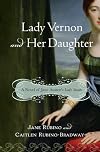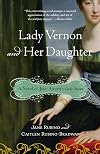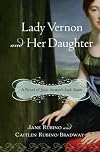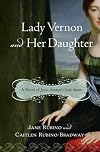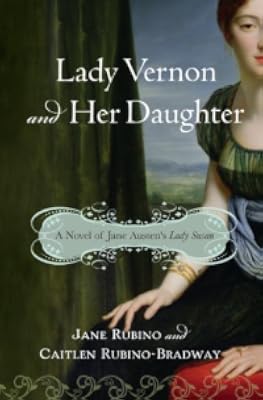
Lady Vernon and Her Daughter: A Novel of Jane Austen's Lady Susan
by Jane Rubino, Caitlen Rubino-Bradway
On This Page
Description
In Lady Vernon and Her Daughter, Jane Rubino and Caitlen Rubino-Bradway have taken Jane Austen's novella, Lady Susan, and transformed it into a vivid and richly developed novel of love lost and found—and the complex relationships between women, men, and money in Regency England.Lady Vernon and her daughter, Frederica, are left penniless and without a home after the death of Sir Frederick Vernon, Susan's husband. Frederick' s brother and heir, Charles Vernon, like so many others of his show more time, has forgotten his promises to look after the women, and despite their fervent hopes to the contrary, does nothing to financially support Lady Vernon and Frederica.
When the ladies, left without another option, bravely arrive at Charles's home to confront him about his treatment of his family, they are faced with Charles's indifference, his wife Catherine's distrustful animosity, and a flood of rumors that threaten to undo them all. Will Lady Vernon and Frederica find love and happiness—and financial security—or will their hopes be dashed with their lost fortune?
With wit and warmth reminiscent of Austen's greatest works, Lady Vernon and Her Daughter brings to vivid life a time and place where a woman's security is at the mercy of an entail, where love is hindered by misunderstanding, where marriage can never be entirely isolated from money, yet where romance somehow carries the day. show less
Tags
Recommendations


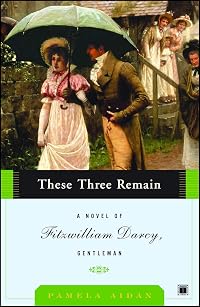
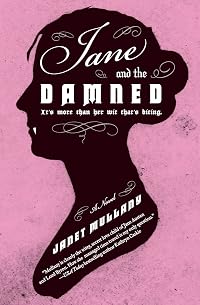
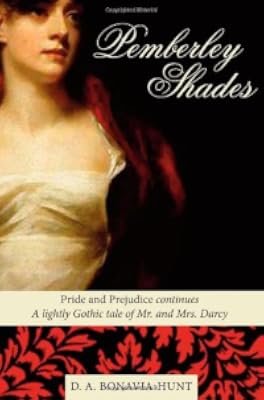
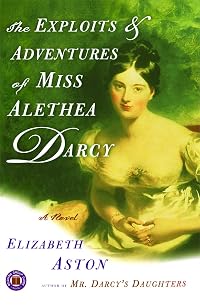
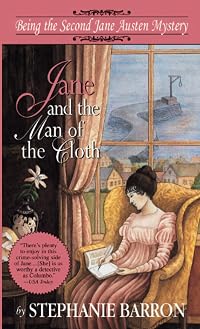
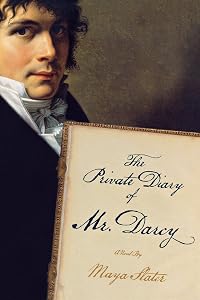

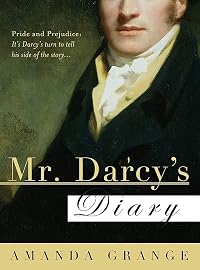
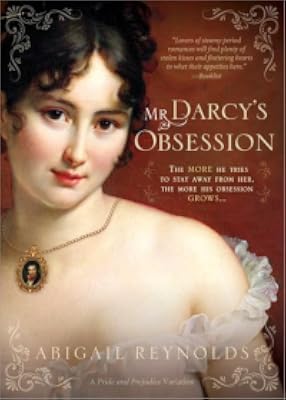
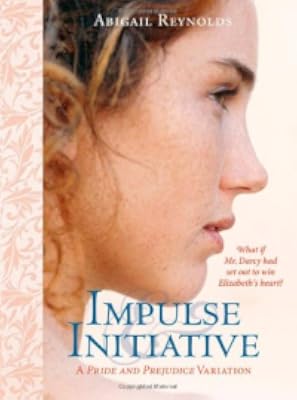
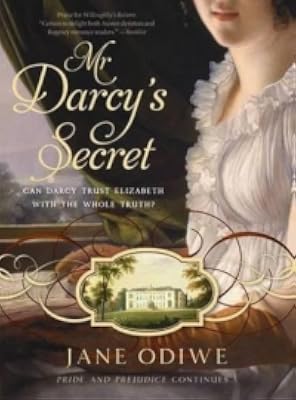

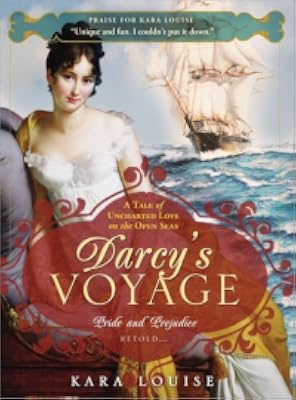
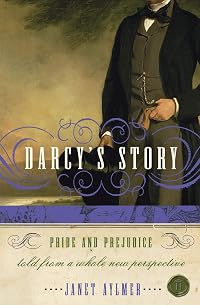
Member Recommendations
Member Reviews
Many of Jane Austen first drafts were heavily revised by the author before becoming the novels we know and love today. So First Impressions became Pride and Prejudice and Elinor and Marianne became Sense and Sensibility. For whatever reason, however, Lady Susan remained a manuscript that was never fully polished. In Lady Vernon and Her Daughter, mother and daughter team Jane Rubino and Caitlen Rubino-Bradway imagine what could have happened if Jane Austen had revised Lady Susan, updating it from an epistolary novella to a full-length narrative novel.
I’ll admit that I struggled a bit with the beginning of this book. The first few chapters were hard to follow with all the characters and places (i.e., Ealing Park, Vernon Castle, show more Churchill Manor, etc.) being introduced in what seemed like rapid-fire pace. There is a family tree at the beginning of printed book (and available through Amazon's preview the book function for audiobook listeners) that does help with this though. It also took some getting used to that the deliciously wicked Lady Susan is now the honest, clear-thinking Lady Vernon because part of the charm of reading Lady Susan was that she was not the "good girl" heroine. (Although Charles Vernon is so scheming and wicked in this version that you feel delighted whenever he is foiled in the slightest bit.)
However, once getting into the book, I was sucked in and immediately compelled to like the characters and care about what would happen to them next. It does feel very much as though Jane Austen could have written a novel like this one. Especially after I had the opportunity of meeting the authors and hearing them describe how painstakingly they researched Jane Austen's works to make sure that every word they used was acceptable and similar to Austen's prose, I realized just how much like Jane Austen this particular book is, particularly when compared to the myriads of less-than-stellar and outright bad fan fiction out there. The first line, for example, is wonderfully Austenesque – “A woman with neither property nor fortune must ward off this affliction by cultivating the beauty, brilliance, and accomplishment that will blind a promising suitor to the want of a dowry.”
In addition, while perhaps not to the full force of an Austen novel, there was a fair share of Jane Austen’s wit. Furthermore, the characterizations, especially of the minor characters, seem so delightfully Austen - like the ridiculous and gossipy Mrs. Johnson, the flirtatious and avaricious Mr. Manwaring, the scheming and greedy Charles Vernon, the insipid and vain Catherine Vernon, and so on. There are also lines pulled directly from the original novella and inserted here, which often makes them all the more clever or poignant.
There are also some delightful “Easter eggs” in here for Austen fans – for instance, Mrs. Smith from Persuasion is a minor character here as well and other minor references to Persuasion with Miss Elliot at school and a potential visit to Kellynch Hall alluded to at one point.
There are some minor differences here from an Austen novel. One was that there felt to be greater emphasis here (as opposed to Lady Susan) on how hard it was to be a gentlewoman in a time period when a woman's primary option to support herself was to marry well ... and how even marrying well could not be a constant source of comfort as there is always the prospect of a woman outliving her husband without having a male heir and thus being thrust out on the world again without a home, finances, or the hope of marrying well again if she is past her “bloom” as well as now being saddled with the addition of child(ren) to support. Also, interestingly, there is more here on the “inner workings” of the household - not that you ever see from their perspective, but you do see and hear more about housekeepers, cooks, etc than in any Austen novel I can recall. And there seemed to be even more on the machinations of everyone - so and so wishes for the trip to London to keep person A away from person B while person B wants the trip to keep person A nearer to person C and so on. Everyone has their own little plan and if only they would just lay out what they wanted, maybe much grief could be spared! But there would be far less amusement for the reader that way....
The book ends with a brief authors' note about how they got from Lady Susan to Lady Vernon and the inclusion of the first quarter of the letters from Jane Austen’s original Lady Susan. These are great add-ons to have, although I wish they could include all of Lady Susan, although the text of that work can be easily found on Project Gutenberg for any who want to read more.
For the audio book lover, I was a bit wary of the audio book narrator at first, finding her a bit too placid for my taste, but she grew on me – especially with the voices for various minor characters – and I quickly came to appreciate her narration and wish for no other reader.
To sum up, Lady Vernon and Her Daughter is not quite Jane Austen but is much closer than any other Austen-derived work I've read. In fact, like the best works (including those of Austen), this book strikes me as more than worthy of a re-read at some future date. show less
I’ll admit that I struggled a bit with the beginning of this book. The first few chapters were hard to follow with all the characters and places (i.e., Ealing Park, Vernon Castle, show more Churchill Manor, etc.) being introduced in what seemed like rapid-fire pace. There is a family tree at the beginning of printed book (and available through Amazon's preview the book function for audiobook listeners) that does help with this though. It also took some getting used to that the deliciously wicked Lady Susan is now the honest, clear-thinking Lady Vernon because part of the charm of reading Lady Susan was that she was not the "good girl" heroine. (Although Charles Vernon is so scheming and wicked in this version that you feel delighted whenever he is foiled in the slightest bit.)
However, once getting into the book, I was sucked in and immediately compelled to like the characters and care about what would happen to them next. It does feel very much as though Jane Austen could have written a novel like this one. Especially after I had the opportunity of meeting the authors and hearing them describe how painstakingly they researched Jane Austen's works to make sure that every word they used was acceptable and similar to Austen's prose, I realized just how much like Jane Austen this particular book is, particularly when compared to the myriads of less-than-stellar and outright bad fan fiction out there. The first line, for example, is wonderfully Austenesque – “A woman with neither property nor fortune must ward off this affliction by cultivating the beauty, brilliance, and accomplishment that will blind a promising suitor to the want of a dowry.”
In addition, while perhaps not to the full force of an Austen novel, there was a fair share of Jane Austen’s wit. Furthermore, the characterizations, especially of the minor characters, seem so delightfully Austen - like the ridiculous and gossipy Mrs. Johnson, the flirtatious and avaricious Mr. Manwaring, the scheming and greedy Charles Vernon, the insipid and vain Catherine Vernon, and so on. There are also lines pulled directly from the original novella and inserted here, which often makes them all the more clever or poignant.
There are also some delightful “Easter eggs” in here for Austen fans – for instance, Mrs. Smith from Persuasion is a minor character here as well and other minor references to Persuasion with Miss Elliot at school and a potential visit to Kellynch Hall alluded to at one point.
There are some minor differences here from an Austen novel. One was that there felt to be greater emphasis here (as opposed to Lady Susan) on how hard it was to be a gentlewoman in a time period when a woman's primary option to support herself was to marry well ... and how even marrying well could not be a constant source of comfort as there is always the prospect of a woman outliving her husband without having a male heir and thus being thrust out on the world again without a home, finances, or the hope of marrying well again if she is past her “bloom” as well as now being saddled with the addition of child(ren) to support. Also, interestingly, there is more here on the “inner workings” of the household - not that you ever see from their perspective, but you do see and hear more about housekeepers, cooks, etc than in any Austen novel I can recall. And there seemed to be even more on the machinations of everyone - so and so wishes for the trip to London to keep person A away from person B while person B wants the trip to keep person A nearer to person C and so on. Everyone has their own little plan and if only they would just lay out what they wanted, maybe much grief could be spared! But there would be far less amusement for the reader that way....
The book ends with a brief authors' note about how they got from Lady Susan to Lady Vernon and the inclusion of the first quarter of the letters from Jane Austen’s original Lady Susan. These are great add-ons to have, although I wish they could include all of Lady Susan, although the text of that work can be easily found on Project Gutenberg for any who want to read more.
For the audio book lover, I was a bit wary of the audio book narrator at first, finding her a bit too placid for my taste, but she grew on me – especially with the voices for various minor characters – and I quickly came to appreciate her narration and wish for no other reader.
To sum up, Lady Vernon and Her Daughter is not quite Jane Austen but is much closer than any other Austen-derived work I've read. In fact, like the best works (including those of Austen), this book strikes me as more than worthy of a re-read at some future date. show less
A mother/daughter writing team have taken Jane Austen's epistolary novella, Lady Susan, filled in a back story, and turned it into a novel worthy of Jane Austen herself. It's not like some Austen-inspired fiction, where Austen's beloved characters speak and behave according to 21st century standards. I didn't notice any anachronisms in the story. The authors do engage in a bit of name-dropping. Sir Walter Elliot's family is mentioned a couple of times, including his middle daughter. Mrs. Ferrars also gets a shout-out. Although I have a print copy, I ended up listening to the audio download from the public library. The narrator is outstanding. The only thing missing from the audio version is the genealogical table at the front of the show more book. My only quibble with the story is that it changes Susan Vernon's character from one that readers love to hate to one that readers will root for. Highly recommended for fans of regency novels. show less
Borrowing the framework of Jane Austen’s unfinished work Lady Susan, this novel tells the story of Susan Vernon and her daughter Frederica. When Susan’s husband Frederick dies unexpectedly, his brother Charles inherits both his estate and his entire fortune. Charles is a grasping and selfish man, so although honor demands that he provide for Susan and her daughter, Charles refuses to do so. Susan and Frederica are therefore left virtually penniless, and soon their entire social circle is speculating about what Lady Vernon and her daughter will do next. Marriage is the subject that mainly occupies everyone’s minds, but both Susan and Frederica are determined not to marry men they do not love.
I have a weakness for Austen-themed show more fiction, but most of it doesn’t tend to be very good. So I was pleasantly surprised by this book; while the style is certainly not identical to Austen’s, it does have an authentic period feel. I don’t think I’ve ever read Austen’s Lady Susan – or if I did, it was years ago – so I wasn’t bothered by any deviations from the source material. I have the impression that Austen’s Lady Susan was much more cold and manipulative than the Susan Vernon in this book. However, since Susan is meant to be one of the heroines here, I can’t really blame the authors for the change! The romances in the book are satisfying enough, though they’re not given much depth. Rather, the novel’s focus seems to be on immersing its readers in an Austen-esque world, and on that basis I really enjoyed it. I’d recommend this to fans of Austen or 19th-century literature in general. show less
I have a weakness for Austen-themed show more fiction, but most of it doesn’t tend to be very good. So I was pleasantly surprised by this book; while the style is certainly not identical to Austen’s, it does have an authentic period feel. I don’t think I’ve ever read Austen’s Lady Susan – or if I did, it was years ago – so I wasn’t bothered by any deviations from the source material. I have the impression that Austen’s Lady Susan was much more cold and manipulative than the Susan Vernon in this book. However, since Susan is meant to be one of the heroines here, I can’t really blame the authors for the change! The romances in the book are satisfying enough, though they’re not given much depth. Rather, the novel’s focus seems to be on immersing its readers in an Austen-esque world, and on that basis I really enjoyed it. I’d recommend this to fans of Austen or 19th-century literature in general. show less
I was a little skeptical when I signed up for the contest to win Lady Vernon and Her Daughter as I had not read any of Jane Austen's original works. Sure I know the stories from watching all the BBC and Masterpiece shows. And believe me, I have watched them all, at least 3 different Pride and Prejudice. I am not sure why I have never read any of Austens works. I think that it just looked to hard to read. So with all that in my head. I was delighted and a bit apprehensive to win Lady Vernon and Her Daughter, thanks to Lucy at http://www.enchantedbyjosephine.blogspot.com/. thanks again Lucy!!!
So, what did I think of the book?? I loved it!! I just had to giggle in spots. The story is based on letters that Jane Austen had written that were show more basically abandoned until the authors tell the story now in this novel. These letters tell the story of Lady Vernon and her daughter Frederica and the troubles they end up with after Sir Frederick Vernon dies after an accident. Frederick's brother Charles manages to inherit the estate of his brother and conveniently forgetting his promise to take care of Lady Susan and his niece.
Lady Susan sends Frederica to school where she ends up being asked to leave after she trys to stop a friend from eloping. After that mother and daughter are left to rely on the charity of others for a place to live and to find a way to obtain a good dowry for Frederica so she can make a good "match" because it is all about the money and status. Lady Susan's sister in law, Catherine, is a mean spiteful woman who does not like Lady Susan. Lady Susan had let it be known that she didn't necessarily approve of Catherine's marriage to Charles and Catherine has not forgotten that. So while Catherine lives in the house that should be Lady Vernon's and spends her days trying to make everyone miserable, while Charles also enjoys his new found wealth and perfectly oblivious to anything that is happening in his household and after awhile stays in London to gamble and do whatever else it that 'gentlemen" in this era do.
The other characters in the story include Sir James, a cousin, whom the gossips think is wanting to marry Frederica. Then there is Catherines brother Reginald who is another suitor for either Lady Vernon or Frederica. There is also Catherine and Reginald's parents, Lady and Sir Reginald De Courcy, an aunt of Lady Susan's, Lady Martin.
Most of the characters in the story have no idea that Charles was not taking care of Lady Vernon and her daughter so there is a lot of speculation as to who is wooing who and what Lady Vernon's motives are.
It seems to me that all the characters in this story have nothing better to do in their lives but speculate and gossip about who is going to inherit what and how much and if they are a good match for marriage. As the story goes on it becomes clear that Lady Susan will eventually get things to go her way for her and her daughter. She also has a secret that no one other than her aunt and daughter are privy to.
As I said before, I had to giggle in a few spots and there were certain characters that I liked and several that I didn't like. I felt that by time I got to the end that things worked out the way they should have and "what goes around comes around" as the saying goes and the good people get what they should and that the not so good people get what is coming to them..
This book will appeal to those Jane Austen fans out there and even to those who have never read Jane Austen, like me, will want to check out this book. I highly recommend it...
Book was won in a contest.. show less
So, what did I think of the book?? I loved it!! I just had to giggle in spots. The story is based on letters that Jane Austen had written that were show more basically abandoned until the authors tell the story now in this novel. These letters tell the story of Lady Vernon and her daughter Frederica and the troubles they end up with after Sir Frederick Vernon dies after an accident. Frederick's brother Charles manages to inherit the estate of his brother and conveniently forgetting his promise to take care of Lady Susan and his niece.
Lady Susan sends Frederica to school where she ends up being asked to leave after she trys to stop a friend from eloping. After that mother and daughter are left to rely on the charity of others for a place to live and to find a way to obtain a good dowry for Frederica so she can make a good "match" because it is all about the money and status. Lady Susan's sister in law, Catherine, is a mean spiteful woman who does not like Lady Susan. Lady Susan had let it be known that she didn't necessarily approve of Catherine's marriage to Charles and Catherine has not forgotten that. So while Catherine lives in the house that should be Lady Vernon's and spends her days trying to make everyone miserable, while Charles also enjoys his new found wealth and perfectly oblivious to anything that is happening in his household and after awhile stays in London to gamble and do whatever else it that 'gentlemen" in this era do.
The other characters in the story include Sir James, a cousin, whom the gossips think is wanting to marry Frederica. Then there is Catherines brother Reginald who is another suitor for either Lady Vernon or Frederica. There is also Catherine and Reginald's parents, Lady and Sir Reginald De Courcy, an aunt of Lady Susan's, Lady Martin.
Most of the characters in the story have no idea that Charles was not taking care of Lady Vernon and her daughter so there is a lot of speculation as to who is wooing who and what Lady Vernon's motives are.
It seems to me that all the characters in this story have nothing better to do in their lives but speculate and gossip about who is going to inherit what and how much and if they are a good match for marriage. As the story goes on it becomes clear that Lady Susan will eventually get things to go her way for her and her daughter. She also has a secret that no one other than her aunt and daughter are privy to.
As I said before, I had to giggle in a few spots and there were certain characters that I liked and several that I didn't like. I felt that by time I got to the end that things worked out the way they should have and "what goes around comes around" as the saying goes and the good people get what they should and that the not so good people get what is coming to them..
This book will appeal to those Jane Austen fans out there and even to those who have never read Jane Austen, like me, will want to check out this book. I highly recommend it...
Book was won in a contest.. show less
One of the most appealing things about this book is that it portrays the power of the written word. A good portion of it is dedicated to letters sent back and forth between characters — an Austenian take on social networking before the advent of Twitter, Facebook, texting, cell phones, and e-mail.
The novel follows the adventures of Lady Vernon and her daughter, Frederica, after the death of Sir Frederick, which leaves them financially dependent on his spendthrift brother, Charles Vernon. The result is a lively romp through Regency England, replete with charming young men, rascally cousins, and plenty of gossip. It’s a fluffy spin-off of a Jane Austen novella, and more true to Austen’s ideology of women and society than other show more recent attempts at adapting her works for a modern audience. show less
The novel follows the adventures of Lady Vernon and her daughter, Frederica, after the death of Sir Frederick, which leaves them financially dependent on his spendthrift brother, Charles Vernon. The result is a lively romp through Regency England, replete with charming young men, rascally cousins, and plenty of gossip. It’s a fluffy spin-off of a Jane Austen novella, and more true to Austen’s ideology of women and society than other show more recent attempts at adapting her works for a modern audience. show less
I am honestly surprised how much I enjoyed this book. I usually stay off the spin-offs/continuations of classic books, but I think one of the things that made this book good was that it wasn't a spin-off/continuation of a major word. Lady Vernon and Her Daughter expands the story of Jane Austen's Lady Susan.
In Lady Susan we see her as a selfish, conniving widow. In Lady Vernon and Her Daughter we see that might not be the case. It goes to show how gossip and biasness plays into people's opinions of others.
The writing is incredibility crisp and the dialogue witty and refreshing. I just loved everything that came out of Sir James' mouth.
In Lady Susan we see her as a selfish, conniving widow. In Lady Vernon and Her Daughter we see that might not be the case. It goes to show how gossip and biasness plays into people's opinions of others.
The writing is incredibility crisp and the dialogue witty and refreshing. I just loved everything that came out of Sir James' mouth.
I am obliged to admit that I was thoroughly entertained by Lady Vernon and Her Daughter. There are some who might say that to rework a novella of letters by such an esteemed author far too an ambitious undertaking. And yet there are some who are so bewitched with the Austenesque style that to have too long a period go by without some sort of Austen inspired release to be too cruel a fortune to bear. Lady Vernon and Her Daughter boasts wit and pleasant diversion, and gives Austen's admires something fresh to consume. And I'd daresay that this novel's gentlemen are as dashing and noble as any that Austen herself has conceived. Though at times the effort on the part of the authors is plainly obvious, and Lady Vernon is inhumanely charming show more and clever whilst her enemies are inconceivably daft, I still have the pleasure of saying Lady Vernon and Her Daughter is the most delightful Austen novel since Pride and Prejudice and Vampires. It would be to the credit of Austen fans to read it. show less
Members
- Recently Added By
Lists

Austenland
165 works; 12 members

Stories Inspired by Other Fiction
127 works; 24 members

KayStJ's to-read list
1,616 works; 11 members

Favorite Epistolary Fiction
143 works; 144 members
Author Information
9+ Works 196 Members
2+ Works 262 Members
Work Relationships
Is a retelling of
Common Knowledge
- People/Characters
- Lady Vernon; Lady Susan; Sir James; Lady Martin; Frederica Vernon; Sir Reginald de Courcy (show all 10); Sir Frederick Vernon; Catherine Vernon; Charles Vernon; Alicia Johnson
- Important places
- England, UK
- First words
- A woman with neither property nor fortune must ward off this affliction by cultivating the beauty, brilliance, and accomplishment that will blind a promising suitor to the want of a dowry.
Classifications
Statistics
- Members
- 107
- Popularity
- 303,328
- Reviews
- 12
- Rating
- (3.98)
- Languages
- English
- Media
- Paper, Audiobook, Ebook
- ISBNs
- 5
- ASINs
- 3