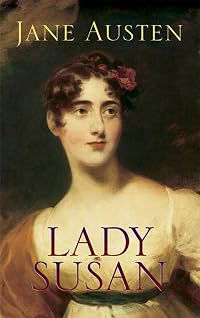
Lady Susan
by Jane Austen
On This Page
Description
Lady Susan is the only full novel written by Jane Austen that was not published in her lifetime. Composed in the epistolary form that was popular at the time, the novel is a series of letters primarily between Lady Susan, Mrs Vernon, Mrs Vernon's mother (Lady de Courcy), Lady Susan and Mrs Johnson. The central character is remarkable in Austenian terms as she has nearly no redeeming features. A gorgeous, clever and witty woman, Lady Susan uses her talents for thoroughly selfish ends as she show more scrupulously scours society searching for "appropriate" husbands for herself and for her daughter.. show less
Tags
Recommendations

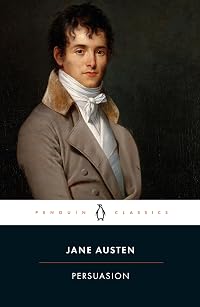
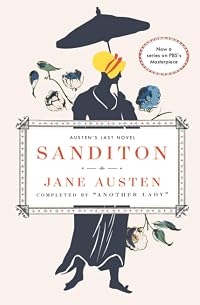
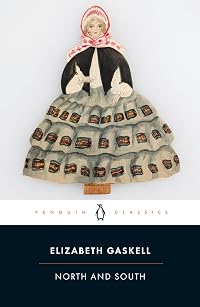
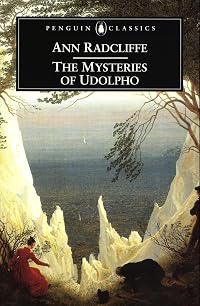


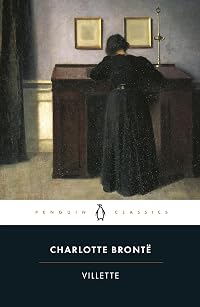
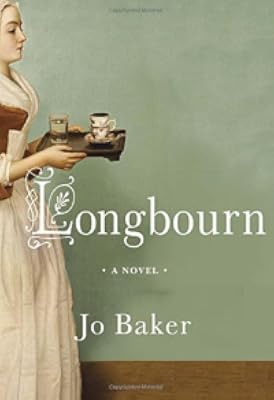
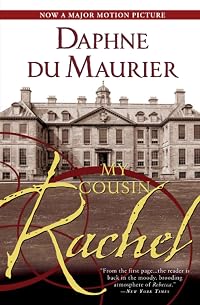
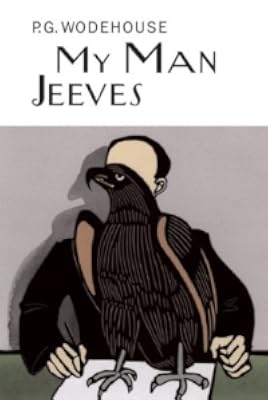

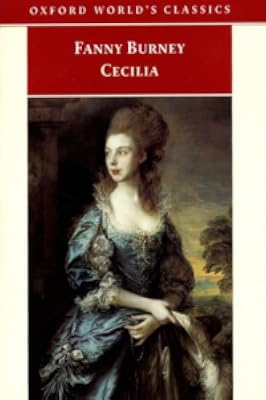

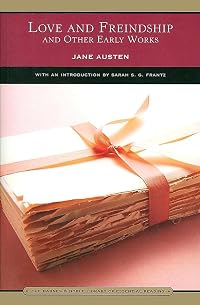
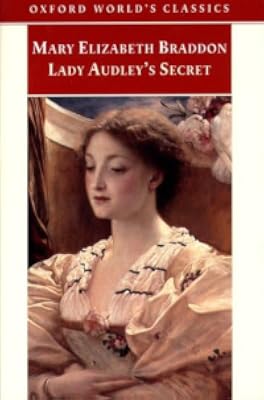
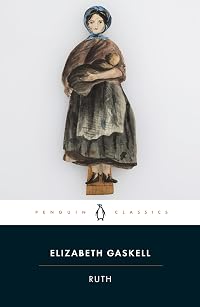
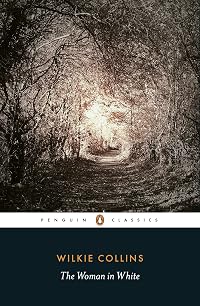
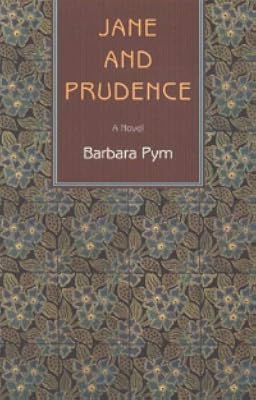
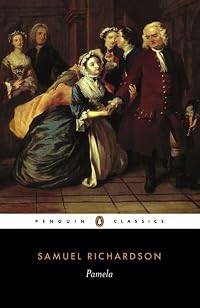
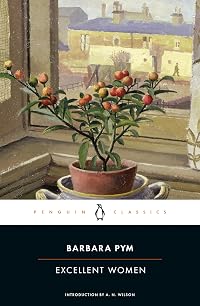



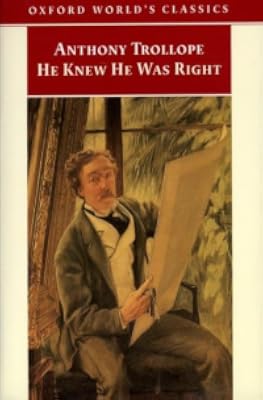
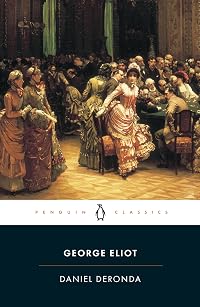
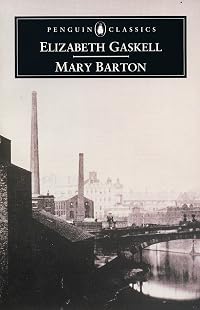
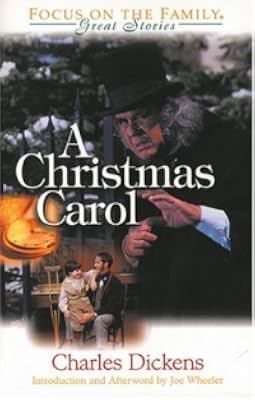

Member Recommendations
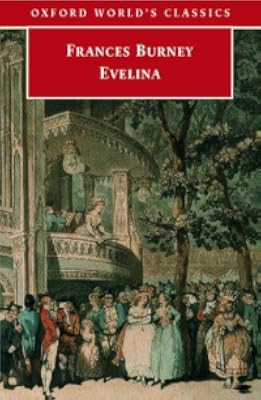
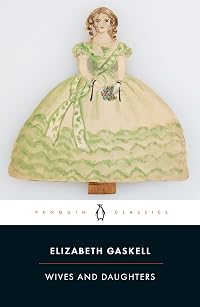
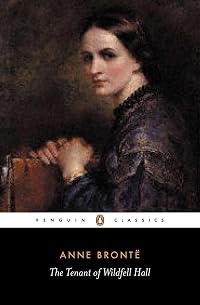
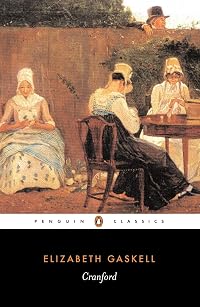
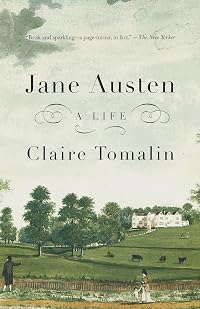
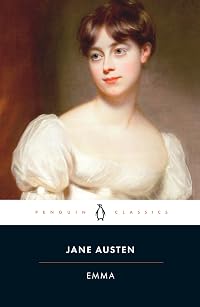
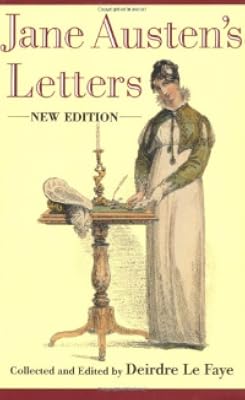
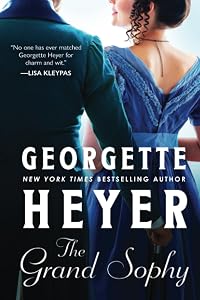
atimco These stories share a charming, manipulative villainess.
40
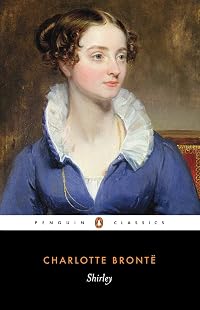
sweetiegherkin Also an epistolary novel, written by a woman said to be an influence on Austen's own writing. If I recall correctly, also has an older scheming woman involved in the plot.
30
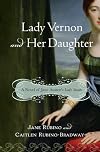

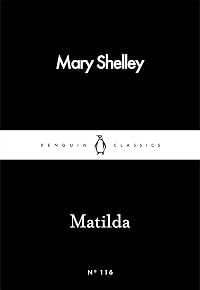
aulsmith Retells the story without the letters, filling in Austen's gaps.
Member Reviews
Not Austen’s usual fare, this short, posthumously published novella features Lady Susan Vernon, a narcissist attempting to rule her social circle through deceit, manipulation and emotional blackmail. As her fortunes change and people grow wise to her character, her goals shift back and forth between making her puppets dance for her, marrying herself off favourably, preventing her daughter from marrying favourably, and spitefully marrying off her daughter unfavourably. All that matters to Lady Susan are her self-importance and swift and excessive punishment for any resistance.
I understand why this was never published during Austen’s lifetime: it is clearly unfinished. The ending is undoubtedly rushed, breaking with the epistolary show more form of the rest of the novel, and the whole thing is more straightforward than her other works. Still, even minor Austen is fun to read.
What I especially liked was the spot-on description of the narcissist at the centre: acutely observed and very accurate. show less
I understand why this was never published during Austen’s lifetime: it is clearly unfinished. The ending is undoubtedly rushed, breaking with the epistolary show more form of the rest of the novel, and the whole thing is more straightforward than her other works. Still, even minor Austen is fun to read.
What I especially liked was the spot-on description of the narcissist at the centre: acutely observed and very accurate. show less
Austen wrote this around 20, but never published. It isn't as polished as her other books, the epistolary style seems to restrict her writing, and the ending seems to be too brief. Yet the character of Lady Susan is a joy to meet. Austen has a vicious wit for her heroines as well as the minor characters. Here the heroine is deplorable, yet there is a certain respect for Lady Susan for her ability to manipulate those around her to get what she wants. No mild and humble girl, but a woman that is strong and determined to get her way. Unfortunately, she is quite awful in that she lacks compassion of any kind for anyone especially her meek and mild daughter Frederica.
A good read after reading her 7 main works.
A good read after reading her 7 main works.
This short epistolary novel covers the doings of Lady Susan Vernon, who unlike other leading Austen female characters, is a thoroughgoing nasty job - deceitful, manipulative and entirely self-centred, particularly in the case of her daughter Frederica. Her cynical and cold treatment of her still shocks even 230 years on. Considering this was written when the author was only around 15-16, it shows a maturity of writing not far short of her adult full novels. Well worth a read.
For such a short novel, Austen packed a lot in. I enjoyed the epistolary style, the to-ing and fro-ing of gossip and scheming, the outrage at other people's behaviour. I found the lack of descriptions of houses, balls, soldiers and country mansions refreshing, and appreciated the definition of the characters through other people's perceptions of them rather than a straight narrative description. Perhaps because the titular character is in her mid 30s, the book seemed more mature than the other Austen books I've read. Lady Susan is a horror but she's also very winning. I think I would have enjoyed her company. She's like my other favourite Austen characters, Lizzie Bennett and Emma Woodhouse - feisty and impetuous, but with the added show more naughtiness of being a marriage wrecker and arch manipulator. I should disparage her, but she's too much fun! show less
Oh, this was delicious devilry. I think I read that Ms. Austen wrote this at 19 or something, and it was not published until after her death. She must have had so much fun creating such an unscrupulous, conniving, manipulative character as Lady Susan, who shamelessly flirts and schemes in order to secure a wealthy marriage for herself and her daughter. The book is epistolary in form, and the ensemble narration was the perfect way to experience Lady Susan's underhandedness, her relations' outrage, her objet d'amour's enchantment, and her poor daughter's helplessness. A quick read, and so much wicked fun!
This is a very clever book indeed. Quite different from the rest of Austen's oeuvre, it is not the sort of book that you can imagine a teenager might be able to write. To conceive the character of a woman of 35ish and her use of sexual attraction and seduction for a 19 year old, as Jane was when she finished this, shows remarkable powers of observation and deduction. How much harder in the more sheltered world of the 18thC than the tell-all media-driven world of now?
Unlike all Austen's other books, this is in no way a comedy of manners, this is a single-minded depiction of the manipulative and rapacious Lady Susan.
Lady Susan is a beautiful and very charming widow whose greatest delight in life is to trump it over all other women, to show more lure their men, their husbands and suitors, no matter what age into her sphere. As a widow she needn't stop at flirtation and promises of future, married delight and she doesn't. The book talks of a married man staying the night with her. She is a scandal wherever she invites herself, but the men cannot resist her.
She has two main aims, one is to get her milk-and-water daughter whom she has no feelings for married to as wealthy a man as possible in as short a time as can be managed. Her other aim is to marry money herself.
This plot is quite secondary to the absolutely brilliant drawing-out of her character via letters. Jane's marvellous technique of an epistolary novel each letter detailing the writer's perception and judgement of Lady Susan is among the best writing of any of her novels. The moral issues she brings out are tailored to the character of the letter writer - some admire and encourage her, some do so falsely because she brings interest to their boring country lives and some thoroughly disapprove of her and try to protect the daughter who cannot stand up to her cold and dismissively cruel mother.
But where it is let down and probably why it wasn't submitted for publication until more than 50 years after Jane Austen's death is that the ending is abrupt and quite badly-written. It is as though Jane knew that she had to punish Lady Susan for her adultery but could not quite find the right device in which to bring it to that conclusion, so the end is a summary of what happens and is very, very disappointing.
This was, like most of Austen's books, a solid 5 star read, but for the ending. So 4 stars. show less
Unlike all Austen's other books, this is in no way a comedy of manners, this is a single-minded depiction of the manipulative and rapacious Lady Susan.
Lady Susan is a beautiful and very charming widow whose greatest delight in life is to trump it over all other women, to show more lure their men, their husbands and suitors, no matter what age into her sphere. As a widow she needn't stop at flirtation and promises of future, married delight and she doesn't. The book talks of a married man staying the night with her. She is a scandal wherever she invites herself, but the men cannot resist her.
She has two main aims, one is to get her milk-and-water daughter whom she has no feelings for married to as wealthy a man as possible in as short a time as can be managed. Her other aim is to marry money herself.
This plot is quite secondary to the absolutely brilliant drawing-out of her character via letters. Jane's marvellous technique of an epistolary novel each letter detailing the writer's perception and judgement of Lady Susan is among the best writing of any of her novels. The moral issues she brings out are tailored to the character of the letter writer - some admire and encourage her, some do so falsely because she brings interest to their boring country lives and some thoroughly disapprove of her and try to protect the daughter who cannot stand up to her cold and dismissively cruel mother.
But where it is let down and probably why it wasn't submitted for publication until more than 50 years after Jane Austen's death is that the ending is abrupt and quite badly-written. It is as though Jane knew that she had to punish Lady Susan for her adultery but could not quite find the right device in which to bring it to that conclusion, so the end is a summary of what happens and is very, very disappointing.
This was, like most of Austen's books, a solid 5 star read, but for the ending. So 4 stars. show less
I hadn't read an epistolary novel (well, in this case novella) for a long time and enjoyed hearing a young Austen play with the form. Also, Lady Susan is AWFUL in that delightful way of, say, Austen's Mrs. Elton, Edward in Heyer's Venetia, various aunts in Wodehouse, where the writer is clearly relishing in the awfulness of a character who would NOT be funny if encountered in the wild. An entertaining, very quick read.
Members
- Recently Added By
Lists

Best of British Literature
226 works; 39 members

18th Century
42 works; 12 members

Epistolary Books
105 works; 24 members

Women's reading list
50 works; 7 members

Anti-heroines in fiction
59 works; 9 members
Love Triangles in Literature
108 works; 15 members

Fiction with Women's Names in the Title
378 works; 15 members
Books tagged favorites
390 works; 29 members

Mothers and Daughters
114 works; 11 members

Books Read in 2016
4,666 works; 197 members

1790s
6 works; 1 member

Books with Noble Titles
179 works; 11 members

Books Read in 2022
5,166 works; 112 members
KayStJ's to-read list
1,616 works; 11 members

Books Read in 2021
5,361 works; 113 members

Favorite Epistolary Fiction
143 works; 144 members
Reading LIst
648 works; 1 member
Author Information

708+ Works 317,270 Members
Jane Austen's life is striking for the contrast between the great works she wrote in secret and the outward appearance of being quite dull and ordinary. Austen was born in the small English town of Steventon in Hampshire, and educated at home by her clergyman father. She was deeply devoted to her family. For a short time, the Austens lived in the show more resort city of Bath, but when her father died, they returned to Steventon, where Austen lived until her death at the age of 41. Austen was drawn to literature early, she began writing novels that satirized both the writers and the manners of the 1790's. Her sharp sense of humor and keen eye for the ridiculous in human behavior gave her works lasting appeal. She is at her best in such books as Pride and Prejudice (1813), Mansfield Park (1814), and Emma (1816), in which she examines and often ridicules the behavior of small groups of middle-class characters. Austen relies heavily on conversations among her characters to reveal their personalities, and at times her novels read almost like plays. Several of them have, in fact, been made into films. She is considered to be one of the most beloved British authors. (Bowker Author Biography) show less
Some Editions
Series
Belongs to Publisher Series
Work Relationships
Is contained in
Uskollinen ystävänne (Lady Susan ; Lesley Castle ; Love and Freindship ; The Three Sisters) by Jane Austen
Sense and Sensibility / Pride and Prejudice / Mansfield Park / Emma / Northanger Abbey / Persuasion / Lady Susan by Jane Austen
Emma / Mansfield Park / Northanger Abbey / Persuasion / Pride and Prejudice / Sense and Sensibility / Shorter Works by Jane Austen (indirect)
Is retold in
Has the (non-series) prequel
Has the adaptation
Common Knowledge
- Canonical title
- Lady Susan
- Original title
- Lady Susan
- Original publication date
- 1871
- People/Characters
- Reginald De Courcy; Alicia Johnson; Catherine Vernon; Frederica Vernon; Lady Susan Vernon; Charles Vernon (show all 18); Sir James Martin; Maria Manwaring; Mr. Manwaring; Mrs. Manwaring; Miss Summers; Mr. Johnson; Lady C. De Courcy; Mr. Smith; Frederic Vernon; Sir Reginald De Courcy; James; Mr. Wilson
- Important places
- Langford, England, UK; Churchill, England, UK; London, England, UK
- Related movies
- Love and Friendship (2015 | IMDb)
- First words
- My dear Brother,- I can no longer refuse myself the pleasure of profitting by your kind invitation when we last parted, of spending some weeks with you at Churchill, and therefore, if quite convenient to you and Mrs. Vernon t... (show all)o receive me at present, I shall hope within a few days to be introduced to a Sister whom I have so long desired to be acquainted with.
- Last words
- (Click to show. Warning: May contain spoilers.)For myself, I confess that I can pity only Miss Manwaring, who coming to Town and putting herself to an expence in Cloathes, which impoverished her for two years, on purpose to secure him, was defrauded of her due by a Woman ten years older than herself.
- Original language
- English
- Canonical DDC/MDS
- 823.7
Classifications
Statistics
- Members
- 2,302
- Popularity
- 8,637
- Reviews
- 108
- Rating
- (3.62)
- Languages
- 15 — Catalan, Czech, English, Estonian, Finnish, French, German, Hindi, Hungarian, Italian, Romanian, Spanish, Swedish, Turkish, Portuguese (Portugal)
- Media
- Paper, Audiobook, Ebook
- ISBNs
- 294
- UPCs
- 2
- ASINs
- 67