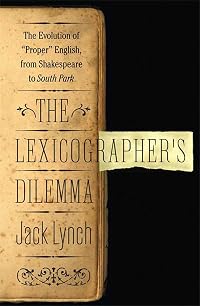
The Lexicographer's Dilemma: The Evolution of 'Proper' English, from Shakespeare to South Park
by Jack Lynch
On This Page
Description
What does proper English mean, and who gets to say what's right? Lynch has discovered every rule of English usage has a human history, and makes sense only in a historical context. They're more like rules of etiquette, made by fallible people and subject to change.Tags
Recommendations
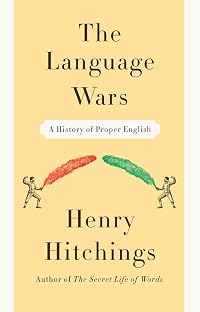
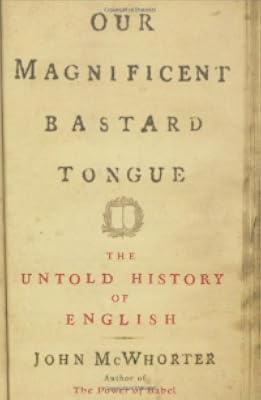
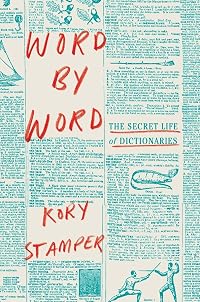

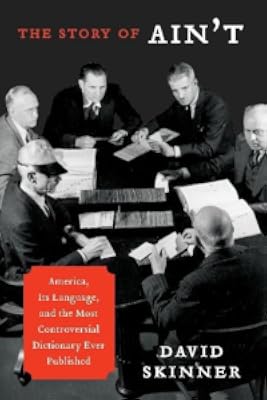


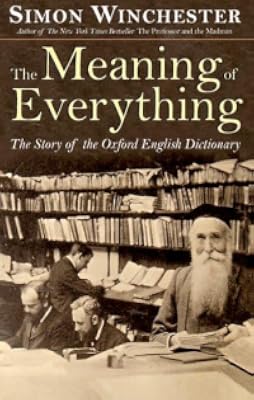

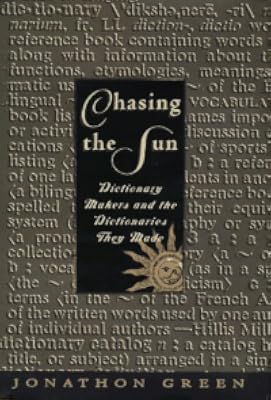
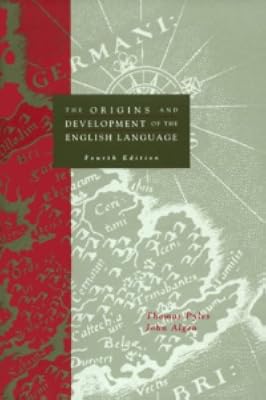
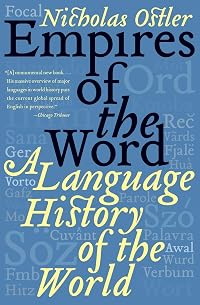
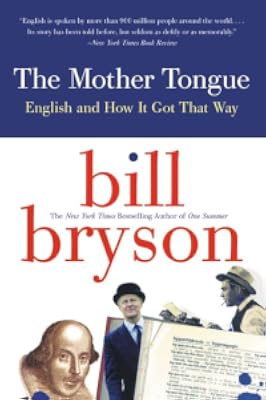

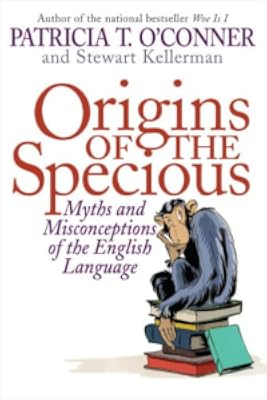




Member Recommendations
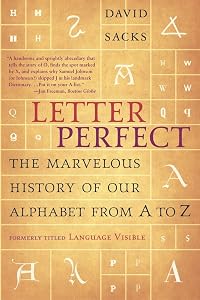
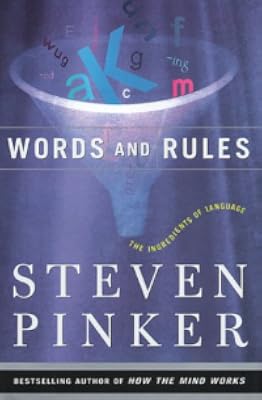
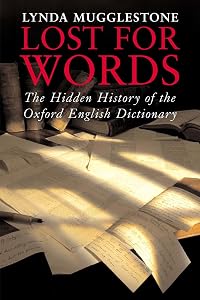
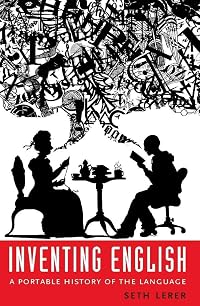
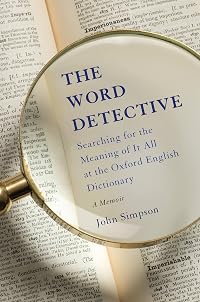
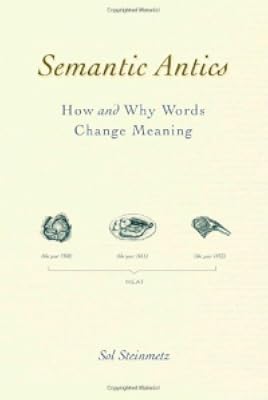
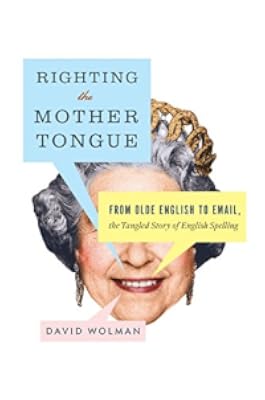
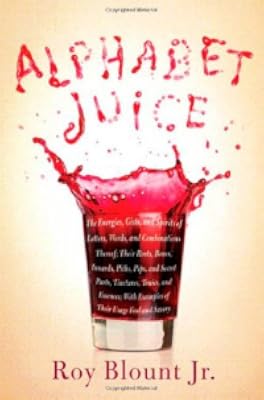
staffordcastle David Crystal's narrative of the history of "prescriptive" and "proscriptive" language reformers.
jsoos provides a "biography" of Latin - leaves off where Lexicographer's Dilemma begins
Member Reviews
What a fantastic book! This history illuminates the social and historical context surrounding the origins, evolution, and current state of the English language. As a sociologist I was fascinated by the detailed examination of how changes in English society, then American society, and now world society have led to shifts in the language. As a lover of the written word and sometime pedant I appreciate the great detail included in Lynch's examinations of the rules of spelling and grammar. I have even been inspired to loosen my prescriptive ways and brazenly split the occasional infinitive.
Although it reads more like a collection of stories and skips around in time a bit, Lynch covers his ground very thoroughly and in entertaining style.
Although it reads more like a collection of stories and skips around in time a bit, Lynch covers his ground very thoroughly and in entertaining style.
 This review was written for LibraryThing Early Reviewers.
The dilemma of the title is the conflict between the lexicographer's duty to describe language as it is actually used, and the public's demand for rules and direction in English usage. Lynch exposes the frustrated will-to-power of prescriptivist grammarians, pundits, mavens, and language reformers of all periods--along with the egalitarian naivete of descriptivist lexicographers.
The approach is historical, with a preamble regarding the origins of human language and the beginnings of English, and then an evenly-paced coverage from the 17th century into the 21st, most often through biographical lenses. There is attention to both British and American English, as well as reflection on the further global spread of the language. The final show more chapter discusses the current stresses, mutations, and creativity resulting from technological change and globalization, while a penultimate chapter delves into linguistic obscenity as a special topic.
The style is accessible throughout, both assuming and encouraging the curiosity of the reader. This book should be enjoyable to any reader of English who cares about the language, and as Lynch seems to demonstrate, that's just about any reader of English. show less
The approach is historical, with a preamble regarding the origins of human language and the beginnings of English, and then an evenly-paced coverage from the 17th century into the 21st, most often through biographical lenses. There is attention to both British and American English, as well as reflection on the further global spread of the language. The final show more chapter discusses the current stresses, mutations, and creativity resulting from technological change and globalization, while a penultimate chapter delves into linguistic obscenity as a special topic.
The style is accessible throughout, both assuming and encouraging the curiosity of the reader. This book should be enjoyable to any reader of English who cares about the language, and as Lynch seems to demonstrate, that's just about any reader of English. show less
This review was written for LibraryThing Early Reviewers.Have you ever wondered why split infinitives and sentence-ending prepositions were forbidden by grammar books? Maybe you're more curious about dictionaries and their history of recording, and sometimes making judgments about, the language. Jack Lynch covers all this and more in The Lexicographer's Dilemma, a history of all those rules (grammar, spelling, etc.) about our native language that we had to study at school - or, as he more succinctly puts it, "the evolution of 'proper' English."
That's not to say that he's making fun of these rules, though on the occasions he does, it's very entertaining. Generally Lynch takes a balanced approach, recognizing the need to learn and know standard English for writing at school, work, and other show more situations, while recognizing and even celebrating the natural changes made in language as years go by. His chapter on eighteenth century grammarians really bring this balance to light. Some pile on these men all the faults of trying to force English into a Latin mode with such rules as "don't split an infinitive." Actually, Lynch argues, many of these rules did not begin in the 18th century - and the three big names in grammar were not strictly lay-down-the-law types. He quotes from many sources at length to prove his points, and I've made note of a few more books I want to read in the future. show less
That's not to say that he's making fun of these rules, though on the occasions he does, it's very entertaining. Generally Lynch takes a balanced approach, recognizing the need to learn and know standard English for writing at school, work, and other show more situations, while recognizing and even celebrating the natural changes made in language as years go by. His chapter on eighteenth century grammarians really bring this balance to light. Some pile on these men all the faults of trying to force English into a Latin mode with such rules as "don't split an infinitive." Actually, Lynch argues, many of these rules did not begin in the 18th century - and the three big names in grammar were not strictly lay-down-the-law types. He quotes from many sources at length to prove his points, and I've made note of a few more books I want to read in the future. show less
What is a dictionary for? Is it for people that want to "open a dictionary when they encounter a word they don't know, or aren't sure they know, and want to know how it's being used"? Or is it for people that want to "open a dictionary when they have to *use* words and aren't sure how they'll be received"? This is the lexicographer's dilemma: if you write a dictionary to be used one way you don't necessarily serve people who want to use it the other way. So which kind of dictionary should a lexicographer write?
Jack Lynch traces the history of dictionaries of English, focusing on the tension between the two approaches, and on the personalities of the people who wrote them. Along the way he asks the questions: "what does *proper* English show more mean, and who gets to say what's right?"
In the struggle between prescriptivists and descriptivists, Lynch doesn't make a secret of where he stands. "The same impulse has led many ill-tempered grouches to send angry letters to magazines and newspapers." "The linguistic conservatives have ... mistaken language change for language decay."
His analysis of the controversy over *Webster's Third New International Dictionary* is especially insightful. Essentially, Lynch concludes, Gove was wrong, his critics were "wronger".
The book is written for the intelligent layman, free of linguistic and lexicographic jargon, but not dumbed down. show less
Jack Lynch traces the history of dictionaries of English, focusing on the tension between the two approaches, and on the personalities of the people who wrote them. Along the way he asks the questions: "what does *proper* English show more mean, and who gets to say what's right?"
In the struggle between prescriptivists and descriptivists, Lynch doesn't make a secret of where he stands. "The same impulse has led many ill-tempered grouches to send angry letters to magazines and newspapers." "The linguistic conservatives have ... mistaken language change for language decay."
His analysis of the controversy over *Webster's Third New International Dictionary* is especially insightful. Essentially, Lynch concludes, Gove was wrong, his critics were "wronger".
The book is written for the intelligent layman, free of linguistic and lexicographic jargon, but not dumbed down. show less
This review was written for LibraryThing Early Reviewers.I thoroughly enjoyed this book. History is my favorite topic and I love books that not only teach me about the topic it's based on, but about connected things and issues and the world and times in which they happened. This book does this many times over.
I knew some of the historical facts mentioned and highlighted in this book, but I had never seen them in this context before and made me see and understand things in a new way, there were many ah ha! and now I see! moments through out this book.
It is well written in an easy to follow and understand way, you don't need to be an expert in language or study it's usage to learn from and enjoy this book, it is highly accessible to anyone interested in words and language.
This topic could have show more easily become try dry or detailed and boring, but at no point did it do this for me, I was highly entertained as well as educated by every chapter.
And as someone who has struggled with spelling all her writing and reading life, I can finally understand how our language got as crazy as it did and still be proud that we have managed to resist all attempts to reign it in...even if I suffered for it. show less
I knew some of the historical facts mentioned and highlighted in this book, but I had never seen them in this context before and made me see and understand things in a new way, there were many ah ha! and now I see! moments through out this book.
It is well written in an easy to follow and understand way, you don't need to be an expert in language or study it's usage to learn from and enjoy this book, it is highly accessible to anyone interested in words and language.
This topic could have show more easily become try dry or detailed and boring, but at no point did it do this for me, I was highly entertained as well as educated by every chapter.
And as someone who has struggled with spelling all her writing and reading life, I can finally understand how our language got as crazy as it did and still be proud that we have managed to resist all attempts to reign it in...even if I suffered for it. show less
This review was written for LibraryThing Early Reviewers.I'll admit it: I'm a word-nerd. But even if you're not the sort of person who reads Fowler for fun, there's much here to delight anyone who loves language. If you've ever wondered what that "p" is doing in "receipt", or argued with a friend over the status of "ain't", you're sure to enjoy this book.
The "dilemma" in the title refers to the tension between descriptive and prescriptive approaches to English usage and grammar: between documenting the way English is actually written or spoken and enforcing someone's idea of "proper" English. Although he's also the author of The English Language: A User's Guide, Lynch is no narrow-minded prescriptivist. As he writes in the concluding chapter: "Speaking and writing our own language shouldn't show more be a chore; we should resist all attempts to make us feel ashamed of speaking the way the rest of the world speaks." At the same time, Lynch treats the oft-maligned "18th-century grammarians" fairly, presenting them as more than caricatures and giving historical context for their efforts.
The Lexicographer's Dilemma is fascinating because it touches on so many subjects in the course of exploring this central theme: from the great dictionaries and the people who edited them to the vagaries of English orthography and the many, futile attempts to reform it; from Dryden and Swift to George Carlin. Though I found the final three chapters less interesting (and a bit preachy), I found most of the book as gripping as a well-plotted novel. I also learned a great deal, despite a life-long fascination with the subject matter and a shelf full of similar books. Finally, Lynch's own writing is clear and full of good humor.
Lynch covers much ground in under 300 pages, but I did find one omission surprising: although he discusses split infinitives and sentence-ending prepositions, he remains silent on the ever-controversial third-person indefinite singular pronoun. A balanced, informed discussion of the history behind "he" vs. "they" would make a valuable addition to the book.
In short: here's a book about English that's more fun than a barrel full of monkeys typing Shakespeare! show less
The "dilemma" in the title refers to the tension between descriptive and prescriptive approaches to English usage and grammar: between documenting the way English is actually written or spoken and enforcing someone's idea of "proper" English. Although he's also the author of The English Language: A User's Guide, Lynch is no narrow-minded prescriptivist. As he writes in the concluding chapter: "Speaking and writing our own language shouldn't show more be a chore; we should resist all attempts to make us feel ashamed of speaking the way the rest of the world speaks." At the same time, Lynch treats the oft-maligned "18th-century grammarians" fairly, presenting them as more than caricatures and giving historical context for their efforts.
The Lexicographer's Dilemma is fascinating because it touches on so many subjects in the course of exploring this central theme: from the great dictionaries and the people who edited them to the vagaries of English orthography and the many, futile attempts to reform it; from Dryden and Swift to George Carlin. Though I found the final three chapters less interesting (and a bit preachy), I found most of the book as gripping as a well-plotted novel. I also learned a great deal, despite a life-long fascination with the subject matter and a shelf full of similar books. Finally, Lynch's own writing is clear and full of good humor.
Lynch covers much ground in under 300 pages, but I did find one omission surprising: although he discusses split infinitives and sentence-ending prepositions, he remains silent on the ever-controversial third-person indefinite singular pronoun. A balanced, informed discussion of the history behind "he" vs. "they" would make a valuable addition to the book.
In short: here's a book about English that's more fun than a barrel full of monkeys typing Shakespeare! show less
Every book on language that I read becomes my favorite of the genre, simply because of my passion for language, words, etymologies, and the like. However, this stands out as a clear champion for several reasons. Firstly, he absolutely stays on message of the subtitle on the book. There's a tremendous focus from which the author does not veer. Secondly, and this represents a huge bias on my part, he lays to rest so many of the curiosities of various head-scratching spellings endemic in the language. For me, he settled them, and I couldn't be more thrilled. Thirdly, his pertinent histories of the relevant subjects are concise, illuminating and never overwritten. Fourth, he absolutely accepts all evolutions with grace, forgoing the panic show more in our culture when definitions and usage change. They're so supposed to. I get that now. Finally, in the closing pages, he reveals something I've believed for a long time - enhancing my bias: that the word "whom" will die in the next century. This should be standard reading in all English college courses. show less
Members
- Recently Added By
Published Reviews
ThingScore 75
... an entertaining tour of the English language ...
... spends a good deal of time on the evolution of dictionaries ...
... throughout this very readable book he makes clear that he thinks the grammar scolds need to shut up, or at least tone it down ...
... spends a good deal of time on the evolution of dictionaries ...
... throughout this very readable book he makes clear that he thinks the grammar scolds need to shut up, or at least tone it down ...
added by tim.taylor
Lists

Books Read in 2013
1,630 works; 51 members
Author Information

22+ Works 1,549 Members
Jack Lynch, a Johnson scholar and professor of English at Rutgers University
Common Knowledge
- Canonical title
- The Lexicographer's Dilemma: The Evolution of 'Proper' English, from Shakespeare to South Park
- Original title
- The Lexicographer's Dilemma: The Evolution of 'Proper' English, from Shakespeare to South Park
- Original publication date
- 2009-10-27
- People/Characters
- John Dryden; Daniel Defoe; Jonathan Swift; Samuel Johnson; Joseph Priestley; Robert Lowth (show all 14); Lindley Murray; Noah Webster; Peter Mark Roget; James Murray (Sir, lexicographer); George Bernard Shaw; Henry Watson Folwer; Phillip Gove; George Carlin
- Dedication
- For these great teachers:
Bill Reinhart, Steve Dessants, David Jepson - First words
- Introduction
Everybody complains about language, but nobody does anything about it—well, almost nobody. This book is an account of some of the people who did try to do something about it. It's about the rise of "standard... (show all) English." - Last words
- (Click to show. Warning: May contain spoilers.)It's the only way to retain our sanity as we grapple with this big, messy, arbitrary, illogical, inconsistent, often infuriating but always fascinating language of ours.
- Original language
- English US
Classifications
- Genres
- Reference, Nonfiction, General Nonfiction, History
- DDC/MDS
- 423.028 — Language English & Old English languages Dictionaries of standard English standard subdivisions Miscellany Auxiliary techniques and procedures; apparatus, equipment, materials
- LCC
- PE1611 .L96 — Language and Literature English language English Modern English
- BISAC
Statistics
- Members
- 563
- Popularity
- 52,543
- Reviews
- 48
- Rating
- (4.09)
- Languages
- English
- Media
- Paper, Audiobook, Ebook
- ISBNs
- 3
- ASINs
- 6