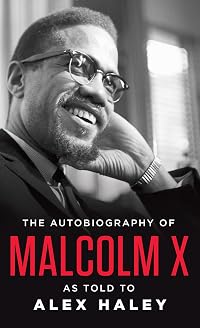
The Autobiography of Malcolm X
by Malcolm X, Alex Haley
On This Page
Description
ONE OF TIME’S TEN MOST IMPORTANT NONFICTION BOOKS OF THE TWENTIETH CENTURYIn the searing pages of this classic autobiography, originally published in 1964, Malcolm X, the Muslim leader, firebrand, and anti-integrationist, tells the extraordinary story of his life and the growth of the Black Muslim movement. His fascinating perspective on the lies and limitations of the American Dream, and the inherent racism in a society that denies its nonwhite citizens the opportunity to dream, gives show more extraordinary insight into the most urgent issues of our own time. The Autobiography of Malcolm X stands as the definitive statement of a movement and a man whose work was never completed but whose message is timeless. It is essential reading for anyone who wants to understand America.
Praise for The Autobiography of Malcolm X
“Extraordinary . . . a brilliant, painful, important book.”—The New York Times
“This book will have a permanent place in the literature of the Afro-American struggle.”—I. F. Stone. show less
Tags
Recommendations

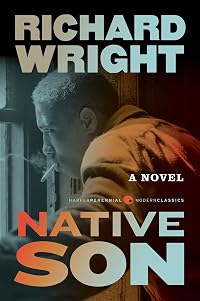

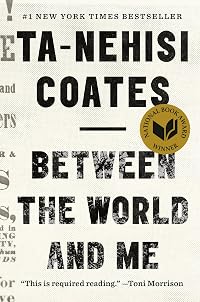
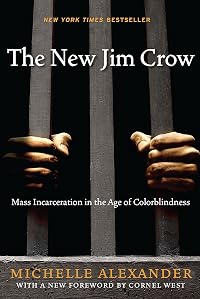
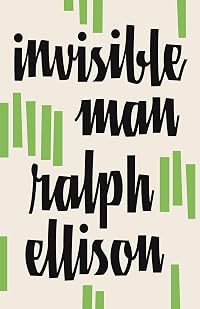
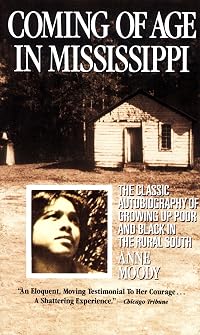
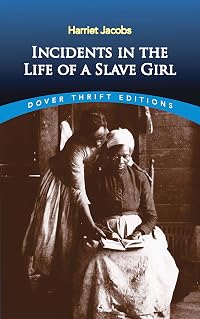
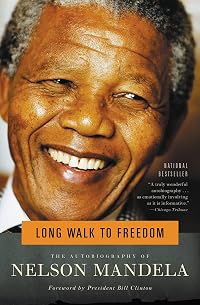
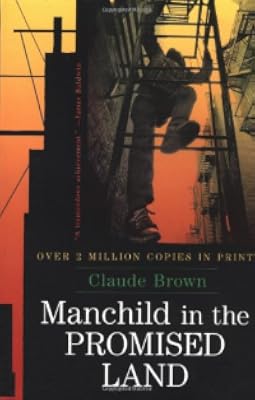

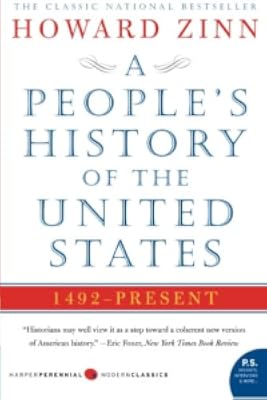
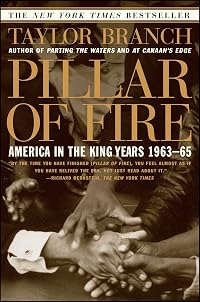
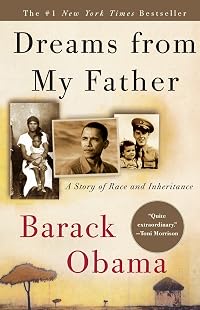
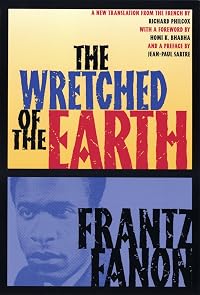
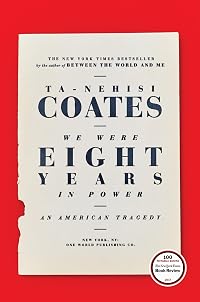
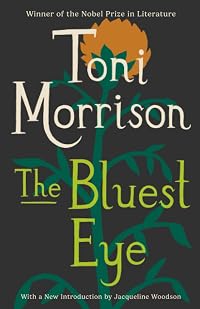
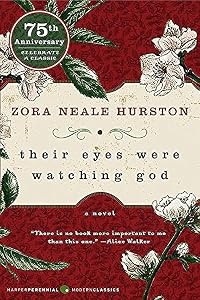
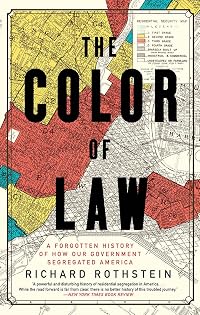
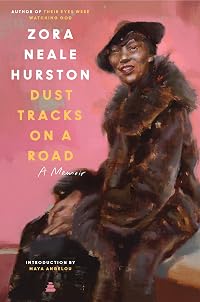
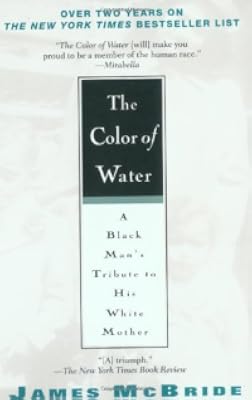
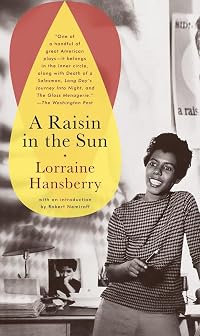
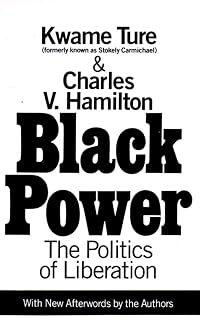
Member Recommendations
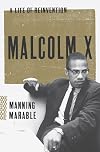
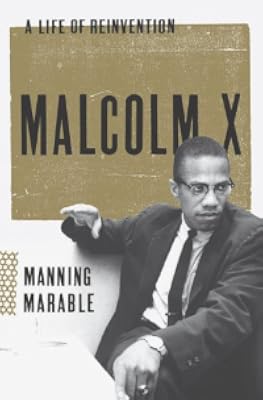
Katya0133 Marable takes pains to show how the historical record does and does not match up with the events described in The Autobiography of Malcolm X.
30
Member Reviews
This is a masterpiece. It took so long to read because every chapter left so much to digest and grapple with. Malcolm X was a polarizing dynamite. He believed what he believed with his entire being, but was able to be open minded and make real-time changes to his beliefs which he wasn't ashamed to advertise. He didn't have the language we have today of systemic oppression and institutional racism, but he got pretty close to articulating that on his own, albeit not in a way most people were willing to hear then. I was pretty shocked by how misogynistic he was, he even said he's been accused of being anti-women and does nothing to dispel that.
This is certainly a must-read, it's so well written and so important. The first half reminded me show more so much of Harlem Shuffle which I read last year. What a character this man was. show less
This is certainly a must-read, it's so well written and so important. The first half reminded me show more so much of Harlem Shuffle which I read last year. What a character this man was. show less
This is the most significant book that I have read this year. One could say that it is a disgrace that it has taken me 50 years to get around to so doing, but a decent distance adds to the value of this work.
I cannot agree with Malcolm X's proposed solution to black oppression: segregation and an independent black power base, but I can understand why he should believe this. Indeed, were I to have come from such a downtrodden group, it is entirely plausible that I would have been more aggressive than Malcolm.
I think that, had he lived longer, Malcolm X may well have further revised his beliefs. The idea that all black people are like this, whilst all white people are like that, is obviously nonsense and the idea that racism only exists show more between black and white is just as untrue. Following his trip to the Hajj, he had pulled back on the all whites are evil argument but, this biography gives plenty of reasons as to why he should have originally held that view. One of the things that I found fascinating, and I would love to be able to discuss with 'X', is his attitude to women. It always intrigues me to see how an oppressed group can so clearly see the wrong done to them, but fail to see the error in their view of others. Malcolm X's opinion of women was pretty bad, even allowing for the fact that society in general had a less respectful attitude to the female position in society.
The book is a real eye opener as to how many non-white groups, both within and outside America, look upon the century's master race. The UK, too, is not without guilt in this area and if every white person were to read this, without necessarily agreeing, but at least accepting, that these views represent a sizable body of opinion, we would all be wiser.
Finally, a quote, from the book, which very few will expect to have come from the mouth of Malcolm X:
Men are attracted by spirit. By power, men are forced. Love is engendered by spirit. By power, anxieties are created.
Doesn't sound like the world's most dangerous man, does it? show less
I cannot agree with Malcolm X's proposed solution to black oppression: segregation and an independent black power base, but I can understand why he should believe this. Indeed, were I to have come from such a downtrodden group, it is entirely plausible that I would have been more aggressive than Malcolm.
I think that, had he lived longer, Malcolm X may well have further revised his beliefs. The idea that all black people are like this, whilst all white people are like that, is obviously nonsense and the idea that racism only exists show more between black and white is just as untrue. Following his trip to the Hajj, he had pulled back on the all whites are evil argument but, this biography gives plenty of reasons as to why he should have originally held that view. One of the things that I found fascinating, and I would love to be able to discuss with 'X', is his attitude to women. It always intrigues me to see how an oppressed group can so clearly see the wrong done to them, but fail to see the error in their view of others. Malcolm X's opinion of women was pretty bad, even allowing for the fact that society in general had a less respectful attitude to the female position in society.
The book is a real eye opener as to how many non-white groups, both within and outside America, look upon the century's master race. The UK, too, is not without guilt in this area and if every white person were to read this, without necessarily agreeing, but at least accepting, that these views represent a sizable body of opinion, we would all be wiser.
Finally, a quote, from the book, which very few will expect to have come from the mouth of Malcolm X:
Men are attracted by spirit. By power, men are forced. Love is engendered by spirit. By power, anxieties are created.
Doesn't sound like the world's most dangerous man, does it? show less
The myth of Malcolm X has always been an enigma. For years, to my mind, Malcolm X was the physical representative of an earlier generation’s righteous indignation—Black rage personified—thus becoming a symbol (a mascot, a pet, a thing) for black supremacy, instead of the complex man who championed human rights for all, but specifically for people of African descent in the United States of America. It’s dangerous and ultimately pointless to reduce someone to a few words, a few digestible bits of information—but this does not prevent me from trying; subversive, idealist-activist, Muslim humanist. His careful critique of his on flaws and weaknesses is a refreshing departure to many hagiographies disguised as biographies floating show more around today. His dealing with the Nation of Islam and Elijah Muhammed is a case study of how quickly an idealist can be transformed into a fanatic and the many ways a cult and its leader gains and maintains control: through sociopathic manipulation of thought. I also wonder what are the origins of his subtle, underlying stream of sexism/misogyny in some of his views—from his own mother, to his older sister, through his intimately involved and platonic relationships with women of a different races in different societies—what was the cause of such mistrust, and I do not think his religious beliefs were the cause of them because he harbored such views before ever encountering the teachings of Elijah Muhammed and Islam. Overall, I think this book and the symbolism of Malcolm X is still pertinent is today’s post-racial delusion. As a man, El Hajj Malik El-Shabazz was thrust into being at the right time—he was not a man ahead of his time—he dealt with life mysteries/miseries accordingly and always kept an open mind even at times when he was not in his right one. show less
A passionate call to a country and a world that conflated and conflates absolution of sins past with a total denial of those selfsame sins and a declarative 'get over it'; Malcolm X's autobiography is a brilliant clarion blast to an entire displaced people to stand up, be proud, and take control of their own political and cultural destiny. Having been raised in a Jewish Nationalist household (with the name Meir Kahane and the JDL as well as Kach party names being thrown around a lot along with the likes of Menachem Begin and Zeev Jabotinksy) I more than sympathized and, yes, empathized with Malcolm X's injunctions to his people to stop with the weakness, stop with the complacency, and to once and for all stop with the contentment with show more scraps from the majority's table. As a 'minority within a minority' myself, more than a little constrained between the diasporic exile and the Jews of Israel, I felt Malcolm X's searching as something akin to what all those 'ousted' (for whatever reason) from the comforts of social and cultural dominance feel, that of feeling unmanned, incomplete, an incomplete adumbration of selfhood that, sadly, can never really be sketched in or developed.
But even though this might be (and is) a cause for sadness, it is also something of an ideological call to arms. We need not simply go with whatever our majorities (cultural or otherwise) say, we need not always take for granted what our (usually self-appointed) betters have to declare. No. If nothing else the Autobiography of Malcolm X is a cannonade and a testament to the power of the individual and his right, nay, his obligation to think for himself.
Malcolm X was not a perfect man. But his message would have been substantially lacking if he was. He was, on a very short list, one of the most human of men and ideologues that ever lived; and it's his humanity that makes his story worth telling and worth knowing. show less
But even though this might be (and is) a cause for sadness, it is also something of an ideological call to arms. We need not simply go with whatever our majorities (cultural or otherwise) say, we need not always take for granted what our (usually self-appointed) betters have to declare. No. If nothing else the Autobiography of Malcolm X is a cannonade and a testament to the power of the individual and his right, nay, his obligation to think for himself.
Malcolm X was not a perfect man. But his message would have been substantially lacking if he was. He was, on a very short list, one of the most human of men and ideologues that ever lived; and it's his humanity that makes his story worth telling and worth knowing. show less
The world is poorer for not having gotten to see where Malcolm X's evolution as an activist and intellectual would have taken him next.
I also think he was definitely still presenting an image in his book, and I would like to find a good biography vs autobiography. Preferably one that does not rely heavily on Alex Haley reporting, given recent revelations that Haley fabricated the Martin Luther King Jr quote calling Malcolm X "fiery" and "demagogic." Given that the Autobiography of Malcolm X was published posthumously, can we be sure Malcolm X really did approve what was written?
I also think he was definitely still presenting an image in his book, and I would like to find a good biography vs autobiography. Preferably one that does not rely heavily on Alex Haley reporting, given recent revelations that Haley fabricated the Martin Luther King Jr quote calling Malcolm X "fiery" and "demagogic." Given that the Autobiography of Malcolm X was published posthumously, can we be sure Malcolm X really did approve what was written?
Most people have probably seen the film made from this source material, but there's a lot more to X and his story than what a film can contain. This memoir covers Malcolm's young life, and particularly how his family life shaped his views on the world. Indeed, the first line of the book details the arrival of the KKK to his family's house while his mother was pregnant with him.
One of the things not well documented in the film is Malcolm's education and intelligence. The film makes it appear he learned everything during his prison stint, but he was a gifted student before he fell into hustling. But the hustling did lead to prison, and his conversion to The Nation of Islam, a particularly virulent and reportedly racist version of the show more Islamic faith as set out by a huckster turned prophet. The cult-like origin story of that religion stretches the imagination to breaking.
The film, while detailing the break with the religion, doesn't do enough to highlight Malcolm's pilgrimage and how it again altered his perspective - altered it to be imminently more inclusive and far-seeing.
One caveat, Malcolm's idea of gender politics and women in general is bad and never improves much - so fair warning. Always a surprise to me that people who fight oppression have a blind spot for the oppression of women.
5 bones!!!!!
Highly Recommended!!!!! show less
One of the things not well documented in the film is Malcolm's education and intelligence. The film makes it appear he learned everything during his prison stint, but he was a gifted student before he fell into hustling. But the hustling did lead to prison, and his conversion to The Nation of Islam, a particularly virulent and reportedly racist version of the show more Islamic faith as set out by a huckster turned prophet. The cult-like origin story of that religion stretches the imagination to breaking.
The film, while detailing the break with the religion, doesn't do enough to highlight Malcolm's pilgrimage and how it again altered his perspective - altered it to be imminently more inclusive and far-seeing.
One caveat, Malcolm's idea of gender politics and women in general is bad and never improves much - so fair warning. Always a surprise to me that people who fight oppression have a blind spot for the oppression of women.
5 bones!!!!!
Highly Recommended!!!!! show less
This is, in my opinion, a must read for anyone who is trying to understand the historical roots of today's racism/anti-racism movement. Understanding where we came from (and how much further we have to go) is so crucial to formulating solutions, and I love that this book tells that story in one man's words. That said, I had to knock a star off for the blatant misogyny throughout the book. It was eye opening that a man who had such a clear eyed understanding of the impacts of racism and bigotry on his life was so blind to the ways sexism might be hitting his Black sisters.
Members
- Recently Added By
Lists

Best Autobiographies and Memoirs
370 works; 66 members

Best Biographies, Autobiographies and Memoirs
465 works; 160 members

Newsweek's Top 100 Books: The Meta-List
100 works; 18 members
Top-Rated Books on LibraryThing
272 works; 117 members

100 books to read in a lifetime
102 works; 37 members
100 Biographies and Memoirs to Read in a (Single) Lifetime
98 works; 12 members

Must-Read Books by Black Authors
114 works; 92 members

History is a Weapon Recommended Reading List
43 works; 3 members

New York Public Library's Books of the Century
120 works; 20 members

Non-Fiction Worth Reading
1,015 works; 254 members

New York Public Library's Books of the Century - All
170 works; 14 members

Best Biographies
216 works; 26 members

Black Authors
384 works; 32 members

The Well-Educated Mind Reading Challenge
75 works; 7 members

Modern Library 100 Best Nonfiction Books
100 works; 8 members

Top Five Books of 2016
795 works; 229 members

Top 10 2021
10 works; 1 member

Unread books
1,063 works; 83 members

Política - Clásicos
164 works; 2 members

Race and Racism in America
23 works; 1 member

BLM
210 works; 1 member

Shaykh Hamza's Book Recommendations
439 works; 3 members

Well-Educated Mind
150 works; 3 members

The Art of Manliness' 100+ Books Every Man Should Read
108 works; 2 members
Mind Expanding Books by hackerkid
581 works; 8 members

Mustich's 1000 Books to Read Before You Die: A Life Changing List
1,001 works; 19 members
Favourite Books
1,819 works; 316 members

Books Read in 2017
4,249 works; 130 members

Books I've Read More Than Once
602 works; 49 members
Our Favorite Banned Books
138 works; 122 members

Ryan Holiday's Books To Base Your Life On
97 works; 2 members
Works Cited in The History of White People by Nell Irvin Painter
321 works; 2 members

.
194 works; 2 members
NPR Books You Love: Books That Shaped You in High School
26 works; 1 member

Read For Your Life
157 works; 1 member

GREAT 1960s BOOKS
37 works; 1 member

Schomburg Centennial Reading List
100 works; 4 members
The Well-Educated Mind, Susan Wise Bauer, 2016
179 works; 3 members

End of Your Life Book Club
134 works; 4 members

Memoirs Heal the Soul
22 works; 1 member

KW Wishlist
61 works; 1 member

New England Books
101 works; 10 members
Read the book and saw the movie
1,170 works; 195 members
1960s, Best books published therein
254 works; 22 members

Literary Works Read in College
316 works; 15 members
Racism and Race Relations in Literature
48 works; 9 members

Read
293 works; 4 members

Blue Pyramid 1,276 Best Books of All Time
1,248 works; 32 members

Books Read in 2016
4,666 works; 199 members

Novels/Poems/Short Stories/Anything Storytelling Related
112 works; 2 members

Books you should read before you die
12 works; 1 member

Penguin Random House
458 works; 4 members
Top 100 to Read before you Die
109 works; 7 members

The Joe Rogan Experience Library
254 works; 3 members

KIB Non-Fiction Book Cloud
41 works; 1 member

SHOULD Read Books!
354 works; 9 members
Five star books
1,757 works; 108 members

.
396 works; 1 member
Author Information

39+ Works 13,255 Members
Born in Omaha, Nebraska, and the son of a Baptist minister, Malcolm Little grew up with violence. Whites killed several members of his family, including his father. As a youngster, he went to live with a sister in Boston where he started a career of crime that he continued in New York's Harlem as a drug peddler and pimp. While serving a prison show more term for burglary in 1952, he converted to Islam and undertook an intensive program of study and self-improvement, movingly detailed in "Autobiography of Malcolm X." He wrote constantly to Elijah Muhammad (Elijah Poole, 1897--1975), head of the black separatist Nation of Islam, which already claimed the loyalty of several of his brothers and sisters. Upon release from prison, Little went to Detroit, met with Elijah Muhammad, and dropped the last name Little, adopting X to symbolize the unknown African name his ancestors had been robbed of when they were enslaved. Soon he was actively speaking and organizing as a Muslim minister. In his angry and articulate preaching, he condemned white America for its treatment of blacks, denounced the integration movement as black self-delusion, and advocated black control of black communities. During the turbulent 1960's, he was seen as inflammatory and dangerous. In 1963, a storm broke out when he called President Kennedy's assassination a case of "chickens coming home to roost," meaning that white violence, long directed against blacks, had now turned on itself. The statement was received with fury, and Elijah Muhammad denounced him publicly. Shocked and already disillusioned with the leader because of his reputed involvement with several women, Malcolm X went on a pilgrimage to Mecca and then traveled to several African countries, where he was received as a fellow Muslim. When he returned home, he was bearing a new message: Islam is a religion that welcomes and unites people of all races in the Oneness of Allah. On the night of February 21, 1965, as he was preaching at Harlem's Audubon Ballroom, he was assassinated. (Bowker Author Biography) show less

32+ Works 20,516 Members
Alex Haley's full name was Alexander Palmer Haley. He was born in Ithaca, N.Y. in 1921, and grew up in Henning, Tenn. Educated at Elizabeth City Teacher's College in North Carolina, Haley became a journalist while serving in the United States Coast Guard from 1939 to 1959. After retiring from the service, Haley moved to Los Angeles, finding show more fulltime employment as a freelance writer. First known for his work as co-author and editor of the highly regarded Autobiography of Malcolm X, Haley's biggest success stemmed from his Pulitzer Prize-winning book, 'Roots: The Saga of an American Family.' Extensively researched and based in part on Haley's own African roots, the work became a national bestseller and, in addition to the Pulitzer, won the Springarn Medal in 1977. Roots was also adapted into one of the first television miniseries and garnered some of the highest ratings in television history. His next book, "Queen", told the story of Queen Haley, Alex Haley's paternal grandmother. He died before this work was completed and it was finished by David Stevens. This was also adapted for television. Another work, "Mama Flora's Family" compiled from Haley's unpublished writings, continues the family saga and was published in 1998. Alex Haley died in 1992 in Seattle, Washington. He was 71 years old. (Bowker Author Biography) show less
Some Editions
Awards and Honors
Awards
Notable Lists
Series
Belongs to Publisher Series
Gebara (6)
Work Relationships
Has the adaptation
Is abridged in
Has as a reference guide/companion
Has as a study
Has as a student's study guide
Common Knowledge
- Canonical title
- The Autobiography of Malcolm X
- Original publication date
- 1965
- People/Characters
- Malcolm X; Betty Shabazz
- Important places
- Boston, Massachusetts, USA
- Important events
- African-American Civil Rights Movement; Assassination of Malcolm X
- Related movies
- Malcolm X (1972 | IMDb); Malcolm X (1992 | IMDb)
- First words
- When my mother was pregnant with me, she told me later, a party of hooded Ku Klux Klan riders galloped up to our home in Omaha, Nebraska, one night.
- Last words
- (Click to show. Warning: May contain spoilers.)Only the mistakes have been mine.
- Blurbers
- Lee, Spike; Nelson, Truman; Stone, I. F.
- Original language
- English
- Disambiguation notice
- Film Tie-In
Classifications
- Genres
- Biography & Memoir, General Nonfiction, History, Nonfiction, Religion & Spirituality
- DDC/MDS
- 320.54092 — Society, government, & culture Political science Types of Government Political ideologies Nationalism, regionalism, internationalism Biography And History Biography
- LCC
- E185.97 .L5 .A3 — History of the United States United States Elements in the population Afro-Americans Biography. Genealogy
- BISAC
Statistics
- Members
- 11,413
- Popularity
- 791
- Reviews
- 144
- Rating
- (4.28)
- Languages
- 13 — Danish, English, Finnish, French, German, Hungarian, Italian, Japanese, Portuguese, Russian, Spanish, Swedish, Turkish
- Media
- Paper, Audiobook, Ebook
- ISBNs
- 75
- UPCs
- 2
- ASINs
- 69