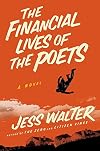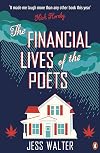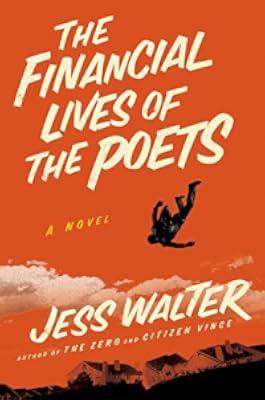
The Financial Lives of the Poets
by Jess Walter
On This Page
Description
Matt Prior is losing his job, his wife, and his house, and he's about to lose his mind--until he discovers a way that he might possibly be able to save it all.Tags
Recommendations






Member Recommendations

Member Reviews
Amazing, Walter does it again with his latest novel. The Financial Lives of The Poets is a moving (and very funny!) story of failed poetry financial reporter (dead serious) slow then quick descent into near poverty while his marriage and family life deteriorate. More and more drastic solutions become necessary to Matt to not only maintain his way of life as an upper middle class american (post housing/finances crash) but to keep up his status as husband, father, and son (his mentally deteriorating father lives in his house) culminating in a hare brained (can't believe i used that term) scheme to buy and sell pot.
Reading this at first i thought i knew where it was going, older failed writer re-discovering pot, felt familiar. But Walter show more is clearly a master. Surprising at every turn with near faultlessly clear characters (not too many cliches regarding them or detailing) adding up to a collapsing american dream that, Walter convincingly makes his case, we have only ourselves to blame. This is a funny but sobering statement about american upward mobility and the costs of materialism.
But Walter, again convincingly (definitively one of my favorite writers working today) shows that no matter how bad things get, and they can traipse close to oblivion in terms of all the old stand bys (marriage, success, family), there's hope or at the at very least a sliver of it. So yes, there's hope in the world that Walter shows not too different from ours, maybe, or at least hopefully. show less
Reading this at first i thought i knew where it was going, older failed writer re-discovering pot, felt familiar. But Walter show more is clearly a master. Surprising at every turn with near faultlessly clear characters (not too many cliches regarding them or detailing) adding up to a collapsing american dream that, Walter convincingly makes his case, we have only ourselves to blame. This is a funny but sobering statement about american upward mobility and the costs of materialism.
But Walter, again convincingly (definitively one of my favorite writers working today) shows that no matter how bad things get, and they can traipse close to oblivion in terms of all the old stand bys (marriage, success, family), there's hope or at the at very least a sliver of it. So yes, there's hope in the world that Walter shows not too different from ours, maybe, or at least hopefully. show less
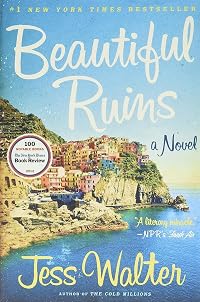
I just fell in love with Jess Walter's "Beautiful Ruins", and I was really happy to see that he's been able to do his magic with this book too. The striking element in Walter's writing (in these 2 books at least) is his sense of humor, and that's where I see some readers not liking it because they just have a different sense of humor (or they just don't have one). I understand humor is a very personal thing.
However, while many "funny" books are just shallow, stupid, unfunny, or absurd, or very often unbalanced structural abominations (especially the ones with idiotic comments on the cover like "I barfed with laughter all the way through", or "you will be laughing so hard your hemorrhoids will explode" or something), "The Financial show more Lives" strikes a wonderful balance between comedy and drama, between very light-hearted moments and intimate, touching scenes. And all of it fitting in a harmonious structure. It is a joy to read. It is elegant, alla Italiana.
Do you have an idea of how hard it is to do that? To strike this kind of balance? It takes a very unique kind of alchemist, one who knows just how many drops of this and that substance is too little or too many.
I also loved the inventiveness of the poetry. Yes, of course is a joke, a game. But it's poetry, as well. And it bears meaning, too.
The best books are the ones where you can feel the writer's own enthusiasm and joy of writing, and I can say I felt that playfulness and joy all through the book, despite the very serious subjects.
Hats off, Mr Walter. This is the kind of story-telling that I wish I was able to pull off in my fantasy life as a writer. show less
However, while many "funny" books are just shallow, stupid, unfunny, or absurd, or very often unbalanced structural abominations (especially the ones with idiotic comments on the cover like "I barfed with laughter all the way through", or "you will be laughing so hard your hemorrhoids will explode" or something), "The Financial show more Lives" strikes a wonderful balance between comedy and drama, between very light-hearted moments and intimate, touching scenes. And all of it fitting in a harmonious structure. It is a joy to read. It is elegant, alla Italiana.
Do you have an idea of how hard it is to do that? To strike this kind of balance? It takes a very unique kind of alchemist, one who knows just how many drops of this and that substance is too little or too many.
I also loved the inventiveness of the poetry. Yes, of course is a joke, a game. But it's poetry, as well. And it bears meaning, too.
The best books are the ones where you can feel the writer's own enthusiasm and joy of writing, and I can say I felt that playfulness and joy all through the book, despite the very serious subjects.
Hats off, Mr Walter. This is the kind of story-telling that I wish I was able to pull off in my fantasy life as a writer. show less
All the reviews of this say that it's hilarious, a laugh riot. So funny!
I didn't laugh even once. This is maybe the saddest book I've ever read, or at least the most poignant.
I'm approximately the same age as Walter, and prey to the same generational conceits, fears, and acting out. There's a lot of heartbreak, a lot of realism, a lot of sad truth here. Not so much with the hilarity.
So close to home, so well-written, so heartbreaking.
I didn't laugh even once. This is maybe the saddest book I've ever read, or at least the most poignant.
I'm approximately the same age as Walter, and prey to the same generational conceits, fears, and acting out. There's a lot of heartbreak, a lot of realism, a lot of sad truth here. Not so much with the hilarity.
So close to home, so well-written, so heartbreaking.
Matt Prior's life as he knew it is circling the drain the night he heads out to the 7-Eleven for some overpriced milk. He lost his job some months ago, the job he was forced to crawl back to after he risked it all on a website venture dedicated to financial advice written in mediocre poetry. It's starting to seem inevitable that he will lose his house if he doesn't come up with a significant sum of money before week's end. His wife is carrying on an affair of sorts with an old boyfriend via Facebook and text messages, and his dad's mental health is declining rapidly. When Matt, shuffling under the fluorescent lights of the 7-Eleven in his bedroom slippers, happens upon two of the sorts of guys that you'd rather not run into in a show more 7-Eleven he soon finds himself driving the two stoners to a party and smoking way better weed than he ever smoked in college. With a clarity that only weed can produce, Matt knows that this weed is the weed that can solve all his problems. He just needs to sell it.
The Financial Lives of the Poets drew an inevitable comparison to the TV show Weeds for me. Both are at once laugh out loud funny and sad in their biting satirization of what the American dream has become. Mercilessly does Jess Walter spear the new American family unit that builds its ambitious life on hard work and mountains of debt. He harpoons the people who seemingly without a second thought take out loans on houses and cars they never had any hope of affording sold to them by slick salesmen peddling an unrealistic way of life. Walter mocks the people who, once they've attained some semblance of security, throw it away on goofy dreams and online shopping binges all the while ignoring the important things in life like their spouses, their children, and their friends.
Hidden within Walter's laugh out loud satire, however, is a set of real, recognizable characters that draw readers' sympathies. There's Matt who got lost while he was trying to find his dreams, who can't sleep at night for worrying about what fate will befall his family now that he's failed as their provider. There's his wife, Lisa, who desperately misses the powerful, sexy career woman she used to be before she gave it up for kids. There's Matt's father who is slowly going senile, but still thinks he's "got it" because he can't remember that a stripper named Charity took him for all he was worth. There are countless would-be customers of Matt's pot dealing scheme who feel like they need to have a smoke just to make it through a day at the office. These are people we know, and in some cases these are people we are, and despite all his squeezing them into ridiculous situations for laughs, Walter doesn't let us forget that. The Financial Lives of the Poets is an engaging story of a family gone awry full of cannily delivered truths and a potent satire of life in today's USA. show less
The Financial Lives of the Poets drew an inevitable comparison to the TV show Weeds for me. Both are at once laugh out loud funny and sad in their biting satirization of what the American dream has become. Mercilessly does Jess Walter spear the new American family unit that builds its ambitious life on hard work and mountains of debt. He harpoons the people who seemingly without a second thought take out loans on houses and cars they never had any hope of affording sold to them by slick salesmen peddling an unrealistic way of life. Walter mocks the people who, once they've attained some semblance of security, throw it away on goofy dreams and online shopping binges all the while ignoring the important things in life like their spouses, their children, and their friends.
Hidden within Walter's laugh out loud satire, however, is a set of real, recognizable characters that draw readers' sympathies. There's Matt who got lost while he was trying to find his dreams, who can't sleep at night for worrying about what fate will befall his family now that he's failed as their provider. There's his wife, Lisa, who desperately misses the powerful, sexy career woman she used to be before she gave it up for kids. There's Matt's father who is slowly going senile, but still thinks he's "got it" because he can't remember that a stripper named Charity took him for all he was worth. There are countless would-be customers of Matt's pot dealing scheme who feel like they need to have a smoke just to make it through a day at the office. These are people we know, and in some cases these are people we are, and despite all his squeezing them into ridiculous situations for laughs, Walter doesn't let us forget that. The Financial Lives of the Poets is an engaging story of a family gone awry full of cannily delivered truths and a potent satire of life in today's USA. show less
Matt's life is swirling down the toilet - no job, no prospects, a senile father, a possibly-cheating wife, a house about to be reclaimed, and two kids in private school. When he randomly meets up with some stoners at a 7/11, Matt's life takes an unexpected turn, and he makes some unusual decisions. But really, could things get any worse?
Everybody, their mother, and their dog seem to have nothing but gushy goodness to say about this book. Hailed as an artfully written novel full of laugh out loud moments and biting satire, The Financial Lives of the Poets is regarded by many - bloggers and "professional" critics alike - as one of the year's best novels. Eh...okay. Now I did enjoy the book. I thought it was a unique read with some very show more relevant points about American culture and ideology, but I wasn't blown away by it as everyone else seems to be.
So now that most of you want to stone me for not falling in passionate, suicide-inducing love with this book, let me go back to why I do like it. Originality and humor. Pontificating on the financial crisis and the cultural climate which allowed the crisis to occur through this particular plot is both unique and hilarious. And while I had a great deal of trouble falling in with the extremely bad decisions being made, the characters did feel like real people, the details of them nicely coalescing into unified and believable wholes. Just not wholes I would like. At all. show less
Everybody, their mother, and their dog seem to have nothing but gushy goodness to say about this book. Hailed as an artfully written novel full of laugh out loud moments and biting satire, The Financial Lives of the Poets is regarded by many - bloggers and "professional" critics alike - as one of the year's best novels. Eh...okay. Now I did enjoy the book. I thought it was a unique read with some very show more relevant points about American culture and ideology, but I wasn't blown away by it as everyone else seems to be.
So now that most of you want to stone me for not falling in passionate, suicide-inducing love with this book, let me go back to why I do like it. Originality and humor. Pontificating on the financial crisis and the cultural climate which allowed the crisis to occur through this particular plot is both unique and hilarious. And while I had a great deal of trouble falling in with the extremely bad decisions being made, the characters did feel like real people, the details of them nicely coalescing into unified and believable wholes. Just not wholes I would like. At all. show less
Matt's just a regular guy. Just a regular guy who lost his job when the economy tanked. Just a regular guy with a failing marriage. Just a regular guy who will lose his home if he misses the balloon payment due on his mortgage. Just a regular guy who met some teenage delinquents at the 7/11 and smoked weed for the first time since college. Just a regular guy, desperate enough to try his hand at selling weed. This is definitely not going to end well.
This novel is funny, lyrical, poignant and very very relevant. Beautifully written.
This novel is funny, lyrical, poignant and very very relevant. Beautifully written.
There's something about this book that calls out to make it into a film. I can't quite put my finger on it, not being a movie buff, but there's definitely something cinematic in its pages. If this book was more predictable, it would have the makings of a fantastic Hollywood movie. Its very lack of predictability definitely gives it great potential as an engrossing read despite the seemingly depressing premise. And Hollywood will either miss out on a thoughtful, strange, and convoluted film or they will change it beyond all recognition. The good news is that the book itself doesn't have to cater to a teenaged-boy demographic and therefore can keep all those interesting and oddball happenings and characters that populate its pages and show more capture readers.
Matt Prior is a former business reporter who left his fairly secure (well, as secure as newspapers get these days) job to start a website marrying the concept of finances and poetry. Not surprisingly, the venture failed, leading him back to the newspaper for a brief spell before being caught in a round of lay-offs. Now out of work and floundering in debt, he is about to lose his house; his wife is on the verge of an affair with her old high school boyfriend found again through the miracles of social networking; and his father is sunk in the quicksand of dementia.
Opening with Matt buying milk at the local 7/11 yet again so that his boys have milk for their cereal in the morning, the plotline immediately veers into the random and just bizarre enough to be believable realm. After buying the milk, Matt ends up driving two young stoners to a party and smoking marajuana for the first time in many years. As if his depression over finances isn't enough, Matt rashly decides that with marajuana as strong and wonderful as what he's just smoked, he can sell it himself to other former smokers looking for a toke of nostalgia and earn enough to keep from losing his house. In earning enough to keep his house, he won't have to share just what dire straits they are in with his wife and can therefore concentrate on ways to convince her to stay in their marriage and give him another chance. In convincing her to stay in their marriage, everything in life will get rosy again. Can you spot where in this line of reasoning he goes wrong?
The current financial crisis is a major backdrop to Matt's unconsidered scheming. It informs his weariness and beats him down at every opportunity, manifested so soul-destroyingly in a scene where Matt, desperate to stave off foreclosure, calls the latest in a string of banks to hold his mortgage, and fails to find his way through the labyrinthine automated call system to speak to an actual person. Then in a subsequent scene he reaches a live human being, is treated sympathetically, and is promptly disconnected without even the comfort of remembering which of the random extension numbers he dialed actually netted him the live bank employee. Frustration, desperation, and futility ooze from the narrative but they are couched in a black humor so as not to overwhelm the reader. Matt's bumbling, sweat-inducing foray into drug dealing is pretty funny. He's so out of place in the whole drug and party scene but then again, as a middle-aged husband, dad, son, and man, he's pretty out of place in his own life.
I really struggled to get into the book initially and I never did completely lose my judgemental feelings about Matt choosing to deal drugs but Walter did a good job making all the plot twists believable and convincing me that while I would never approve of Matt's choices, the imminent demise of your only known way of life and quite possibly your family's ultimate happiness as well can certainly make people consider things they never would have before. Not necessity but desperation making strange bedfellows and all that. Given that I am not much of a poetry reader, I know I missed many of the barely veiled homages to famous poets but those that I caught (William Carlos Williams and William Blake among them) were skillfully rendered and perfectly placed. I ended up liking the novel quite a bit more than I initially thought I would but it took a bit of perseverance in the beginning before I got into the sarcastic, satirical groove of the whole thing. An unusual, forthright look at the crisis driving so many people to the brink, read this if you want to know what happens when one man jumps off and sends his and his family's life spinning more out of control than it already is. show less
Matt Prior is a former business reporter who left his fairly secure (well, as secure as newspapers get these days) job to start a website marrying the concept of finances and poetry. Not surprisingly, the venture failed, leading him back to the newspaper for a brief spell before being caught in a round of lay-offs. Now out of work and floundering in debt, he is about to lose his house; his wife is on the verge of an affair with her old high school boyfriend found again through the miracles of social networking; and his father is sunk in the quicksand of dementia.
Opening with Matt buying milk at the local 7/11 yet again so that his boys have milk for their cereal in the morning, the plotline immediately veers into the random and just bizarre enough to be believable realm. After buying the milk, Matt ends up driving two young stoners to a party and smoking marajuana for the first time in many years. As if his depression over finances isn't enough, Matt rashly decides that with marajuana as strong and wonderful as what he's just smoked, he can sell it himself to other former smokers looking for a toke of nostalgia and earn enough to keep from losing his house. In earning enough to keep his house, he won't have to share just what dire straits they are in with his wife and can therefore concentrate on ways to convince her to stay in their marriage and give him another chance. In convincing her to stay in their marriage, everything in life will get rosy again. Can you spot where in this line of reasoning he goes wrong?
The current financial crisis is a major backdrop to Matt's unconsidered scheming. It informs his weariness and beats him down at every opportunity, manifested so soul-destroyingly in a scene where Matt, desperate to stave off foreclosure, calls the latest in a string of banks to hold his mortgage, and fails to find his way through the labyrinthine automated call system to speak to an actual person. Then in a subsequent scene he reaches a live human being, is treated sympathetically, and is promptly disconnected without even the comfort of remembering which of the random extension numbers he dialed actually netted him the live bank employee. Frustration, desperation, and futility ooze from the narrative but they are couched in a black humor so as not to overwhelm the reader. Matt's bumbling, sweat-inducing foray into drug dealing is pretty funny. He's so out of place in the whole drug and party scene but then again, as a middle-aged husband, dad, son, and man, he's pretty out of place in his own life.
I really struggled to get into the book initially and I never did completely lose my judgemental feelings about Matt choosing to deal drugs but Walter did a good job making all the plot twists believable and convincing me that while I would never approve of Matt's choices, the imminent demise of your only known way of life and quite possibly your family's ultimate happiness as well can certainly make people consider things they never would have before. Not necessity but desperation making strange bedfellows and all that. Given that I am not much of a poetry reader, I know I missed many of the barely veiled homages to famous poets but those that I caught (William Carlos Williams and William Blake among them) were skillfully rendered and perfectly placed. I ended up liking the novel quite a bit more than I initially thought I would but it took a bit of perseverance in the beginning before I got into the sarcastic, satirical groove of the whole thing. An unusual, forthright look at the crisis driving so many people to the brink, read this if you want to know what happens when one man jumps off and sends his and his family's life spinning more out of control than it already is. show less
Members
- Recently Added By
Published Reviews
ThingScore 75
“The Financial Lives of the Poets” is less memorable for its title than for the success with which it captures fiscal panic and frustration... Mixing financial advice with poetry is a terrible idea. But combining the elements of tragedy with a sitcom sensibility is a good one. And it’s what Jess Walter continues to do best.
added by Shortride
Lists

Unshelved Book Clubs
579 works; 5 members

Books Read 2026
9 works; 1 member

Books Read in 2026
1,910 works; 66 members
Author Information

22+ Works 10,621 Members
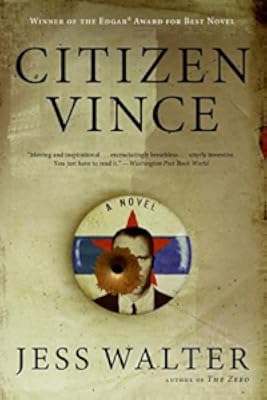
Jess Walter was born on July 20, 1965. He graduated from Eastern Washington University. Before becoming an author, he worked as a journalist. His work has appeared in Newsweek, the Washington Post, the Los Angeles Times, and the Boston Globe. He has written one nonfiction book and several novels. His works include Every Knee Shall Bow, Over show more Tumbled Graves, The Zero, and Beautiful Ruins. His novel, Citizen Vince, won the 2005 Edgar Allan Poe Award for best novel. He was the co-author of Christopher Darden's 1996 bestseller In Contempt. (Bowker Author Biography) show less
Awards and Honors
Awards
Distinctions
Notable Lists
Series
Belongs to Publisher Series
Harper Perennial Olive Editions (2014 Olive)
Common Knowledge
- Canonical title
- The Financial Lives of the Poets
- Original title
- The Financial Lives of the Poets
- Original publication date
- 2009-09-22
- People/Characters
- Matt Prior; Lisa Prior; Dave Waller
- Epigraph
- Poets have to dream, and dreaming in America is no cinch. Saul Bellow
- Dedication
- For Anne, always
- First words
- --Here they are again--the bent boys, baked and buzzed boys, wasted, red-eyed, dry-mouth high boys, coursing narrow bright aisles hunting food as fried as they are, twitchy hands wadding bills they spill on the counter, so pl... (show all)eased and so proud, as if they're the very inventors of stoned--
- Quotations
- --Turns Out There Are Only Four Eskimo Words for Snow, However--
- Last words
- (Click to show. Warning: May contain spoilers.)And Lisa and me--we're okay.
- Blurbers
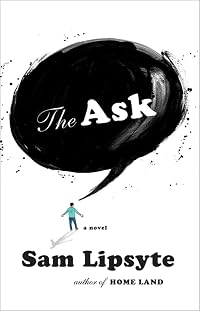
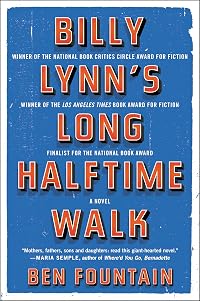
- Russo, Richard; Fountain, Ben; Lipstye, Sam; Terrell, Whitney; Vowell, Sarah
Classifications
Statistics
- Members
- 952
- Popularity
- 27,805
- Reviews
- 68
- Rating
- (3.68)
- Languages
- 6 — English, French, German, Italian, Portuguese, Spanish
- Media
- Paper, Audiobook, Ebook
- ISBNs
- 17
- ASINs
- 7