Bronzeville Boys and Girls
by Gwendolyn Brooks
On This Page
Description
A collection of poems that celebrate the joy, beauty, imagination, and freedom of childhood.Tags
Recommendations

Member Reviews
Gwendolyn Brooks is probably best known for her gritty, real-to-life series of Bronzeville poems. They were tough, personal, and relatable, bringing American readers face to face with harsh inner city realities. These are not those poems. These celebrate the "joy, beauty, imagination, and freedom of childhood." Yet this collection is still very relatable, very real, and of course, very beautiful.
The poems are simple and illustrated in a simple way as well--- in short, very accessible for young readers just getting their first taste of poetry. They have a young voice --- such as in "Val" about a girl who feels unwelcome at a party for grownups--- and it's one that will easily draw young readers in.
I think it would be of excellent use show more in an elementary school English or arts class. There simply aren't enough books like this. show less
The poems are simple and illustrated in a simple way as well--- in short, very accessible for young readers just getting their first taste of poetry. They have a young voice --- such as in "Val" about a girl who feels unwelcome at a party for grownups--- and it's one that will easily draw young readers in.
I think it would be of excellent use show more in an elementary school English or arts class. There simply aren't enough books like this. show less
Classic poetic vignettes of children growing up in an urban neighborhood in the 50's. The catch is, these are children of color, and yet they aren't suffering much racial injustice. In other words, it's a refreshing change of pace, of a perspective of happiness and hope.
Bronzeville Boys and Girls uses painting to display the story of the emotions and experiences that childhood brings on. The use of poetry allows readers to connect through small sections of readings. This book celebrates the joys, beauty, imagination, and freedom within childhood through both aspects of visuals and authenticity that many can connect to.
This is an interesting book that contains a 1956 poem collection created by Gwendolyn Brooks. The poems in the book generally describe various pieces of life and activities of kids in the Bronzeville section of Chicago. What I enjoyed about the author’s poem style, is that it describes life in the community from the perspective of a child, which in turn creates a connection with young reader who might relate to the character of the poem and think “that’s me”, or might remind adult readers of their childhood from the past. Most poems in the collection rhyme, which makes them easy to remember and pleasant to read. The poems are highly descriptive of events, feelings and thoughts of the children in the neighborhood. Although, some show more of the poems take a child as its subject and others unfold in a child's voice, they are all constructed in an inventive way that makes the poems simple, but very vibrant.
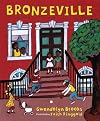
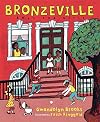
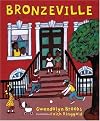
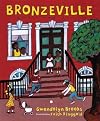
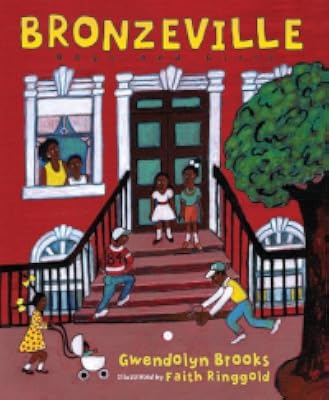
The book’s illustrations also take on the poems’ theme and simplistic approach. The book’s illustrations resemble kids drawing. But the illustrator’s wise choices about which relevant scene from the poem to illustrate, resulted in a successful integration between the poem and the illustrations where they became effective tools to help the reader visualize the poem. I believe this book is appropriate for kids between the age of five and eight years old. show less
The book’s illustrations also take on the poems’ theme and simplistic approach. The book’s illustrations resemble kids drawing. But the illustrator’s wise choices about which relevant scene from the poem to illustrate, resulted in a successful integration between the poem and the illustrations where they became effective tools to help the reader visualize the poem. I believe this book is appropriate for kids between the age of five and eight years old. show less
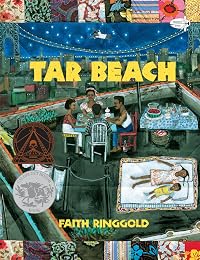
This book, published in 1956 originally, features thirty-four short poems about children, and each poem contains the name of a child. This child is either the subject of the poem, or the person delivering it. The poems are common childish activities that children can still relate to today, such as when Mexie and Bridie are enjoy a tea party, and Michael hopes no one will notice that he holds his mother's hand during a thunderstorm. The poems are whimsical but not afraid to be deep, simple yet resonant, I love Brooks and this is why. Also, the illustrations are the from the same woman who did Tar Beach, and I love her bright, unique work.
Brooks' short poems about neighborhood children in Bronzeville capture everyday life and quiet moments, sometimes in first person and sometimes in third. Faith Ringgold's illustrations on bright backgrounds show the characters and their neighborhood.
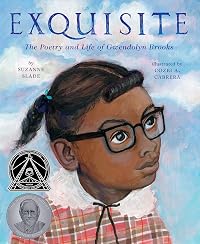
See also: Exquisite by Suzanne Slade and Cozbi Cabrera
See also: Exquisite by Suzanne Slade and Cozbi Cabrera
In this collection of poems, Brooks depicts the struggles and the joys of childhood. Each presents a different child and a different subject. There is a girl playing the the snow, a boy who is afraid of thunder storms, two girls having a tea party, a boy slaying dragons. These topics are presented with a child's view, with no condescension or over sentimentality. The imagery and figurative language is both rich and accessible to younger readers ("These buildings are too close to me./ I'd like to push away).
The illustrations are engaging. They depict the children in the poems with dark outlines and a child-like style. All the children are depicted are African-American, providing a presence for these children within a text that is show more universal. This book would be appropriate for kindergarten to grade 4. show less
The illustrations are engaging. They depict the children in the poems with dark outlines and a child-like style. All the children are depicted are African-American, providing a presence for these children within a text that is show more universal. This book would be appropriate for kindergarten to grade 4. show less
Members
- Recently Added By
Lists

Must-Read Books by Black Authors
114 works; 92 members

Book Worlds We'd Like To Visit
322 works; 158 members

Books by Black Women
108 works; 2 members
Author Information

61+ Works 2,637 Members
Gwendolyn Brooks was born on June 17, 1917 in Topeka, Kansas. She graduated from Wilson Junior College in Chicago in 1936 and received her L.H.D. (Doctor of Humane Letters) from Columbia College in 1964. She was the author of more than twenty books of poetry, including Children Coming Home, Blacks, To Disembark, The Near-Johannesburg Boy and Other show more Poems, Riot, In the Mecca, The Bean Eaters, and A Street in Bronzeville. In 1950, she was awarded the Pulitzer Prize in poetry for Annie Allen. She wrote numerous other books including a novel, Maud Martha, Report from Part One: An Autobiography, a book of poetry for children Bronzeville Boys and Girls, and several children's fiction books. She was named Poet Laureate of Illinois in 1968. She also received an American Academy of Arts and Letters award, the Frost Medal, a National Endowment for the Arts award, the Shelley Memorial Award, and fellowships from the Academy of American Poets and the Guggenheim Foundation. She died on December 3, 2000. (Bowker Author Biography) show less
Some Editions
Awards and Honors
Awards
Common Knowledge
- Original publication date
- 1956
- Dedication
- For my children, Henry and Nora.
dedicated to all the children who will love to read Gwendolyn Brooks's delightful poems over and over. - Quotations
- Now, I am next to nine years old,/ And crying's not for me./ But if i touch my mother's hand,/ Perhaps no one else will see.
Classifications
Statistics
- Members
- 220
- Popularity
- 148,146
- Reviews
- 16
- Rating
- (3.97)
- Languages
- English
- Media
- Paper
- ISBNs
- 5
- ASINs
- 4