On This Page
Description
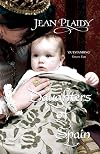
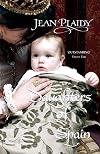
Isabella and Ferdinand rule over a newly united Spain, steadfast in their determination to build the powerful state they have always dreamed of. During the final years of Isabella's reign, Ferdinand looks to his daughters to further his ambitions, but his wife finds herself torn between his brilliant plans and her love for her children. As events unfold, the sovereigns begin to feel that there must be a curse on the royal house - misfortune strikes at the heart of their family and tragedy show more after tragedy befalls the Daughter of Spain. The infanta Isabella is left a broken-hearted widow; Juana is driven to devastating madness by her husband's philandering; and Catalina leaves her devoted family, destined to become Katharine of Aragon, wife to Henry VIII and Queen of England... show lessTags
Recommendations












Member Reviews
This is Plaidy's most ambitious book in the whole series. Not only does it track Isabella's more mature years, but it also covers three of the princesses growing into adulthood and the aftermath of the fight with the Moors and the Spanish Inquisition. It's a lot of ground to cover in a book that's not even 300 pages. To accomplish this, Plaidy covers only the basics and skimps on any complex analysis of these fascinating and contradicting figures. As a result, the book serves as a conclusion to the introductory course of Spanish medieval history.
For a book called Daughters of Spain very little time is spent on the daughters of some of the most powerful monarchs the world has ever known. What we do learn of them is boiled down into two show more personality traits. Isabella Jr is a depressed and superstitious widow, Juana is wild and mad for her husband, and Catalina adores her mother so much that she doesn't want to go to England. The fourth daughter, Maria, is barely in the book, and has no personality whatsoever. Honestly you get more from their wikipedia pages than you do here.
Isabella was also very watered down. In the first book in the series, Castile for Isabella, Isabella is calculating, intelligent, and stubborn enough to always get her way. However, by this final book, she's a weeping mother who never wants her children to leave her. From what little I know of Isabella, this seems out of character for her, so it makes me wonder at Plaidy's agenda in depicting her this way. Perhaps she was trying to make her likable because Isabella's bigotry towards those who practice a different religion make her a pretty sinister character. Unfortunately, all Plaidy's rendition did was depict a woman who was easily swayed while her daughters all seemed to have a touch of the "madness" that Isabella feared they would have.
If this book is so depressing, why did I rate it three stars? Honestly, it's because I don't know much about Spanish history, and I appreciated this first glimpse. It inspires me to want to learn more because I refuse to believe these characters are as simple as Plaidy depicts them. So, if you're looking for a light intro into this subject, I would recommend this series to you. However, if you're well-versed in Spanish medieval history, maybe stay away from these novels. They won't offer any new insight into these complex historical figures. show less
For a book called Daughters of Spain very little time is spent on the daughters of some of the most powerful monarchs the world has ever known. What we do learn of them is boiled down into two show more personality traits. Isabella Jr is a depressed and superstitious widow, Juana is wild and mad for her husband, and Catalina adores her mother so much that she doesn't want to go to England. The fourth daughter, Maria, is barely in the book, and has no personality whatsoever. Honestly you get more from their wikipedia pages than you do here.
Isabella was also very watered down. In the first book in the series, Castile for Isabella, Isabella is calculating, intelligent, and stubborn enough to always get her way. However, by this final book, she's a weeping mother who never wants her children to leave her. From what little I know of Isabella, this seems out of character for her, so it makes me wonder at Plaidy's agenda in depicting her this way. Perhaps she was trying to make her likable because Isabella's bigotry towards those who practice a different religion make her a pretty sinister character. Unfortunately, all Plaidy's rendition did was depict a woman who was easily swayed while her daughters all seemed to have a touch of the "madness" that Isabella feared they would have.
If this book is so depressing, why did I rate it three stars? Honestly, it's because I don't know much about Spanish history, and I appreciated this first glimpse. It inspires me to want to learn more because I refuse to believe these characters are as simple as Plaidy depicts them. So, if you're looking for a light intro into this subject, I would recommend this series to you. However, if you're well-versed in Spanish medieval history, maybe stay away from these novels. They won't offer any new insight into these complex historical figures. show less
I whipped through the first half of this. I just couldn't put it down during the first half. It seemed to slow down a lot during the second half and at times it became a bit boring. Plaidy once again managed to stay true to history while making it not too dry.
This final instalment of Jean Plaidy’s Isabella and Ferdinand trilogy is set during the 1490s and opening years of the 1500s.
As the title implies, this novel focuses more on the Spanish sovereigns’ daughters, of which they had four, the most notable perhaps being Catalina, better known to me and my fellow Englanders as Catherine of Aragon; Henry VIII’s first wife.
The story also features a son of Spain, plus one of Ferdinand’s illegitimate boys.
This is one of many historical novels that show how young women – or more to the point, young girls – were treated as chess pieces, being married off to strangers to form political alliances to benefit their parents.
Some of the Spanish daughters long for their betrothal, while Catalina show more dreads the day she is to be shipped to Tudor England, fearing never to see her beloved mother again.
Parting with their children is hard for Isabella, whereas the money and power-obsessed Ferdinand comes across as cold-hearted, thinking of his own personal gains, and how marrying off his son and daughters will prove rewarding for Spain.
Apart from the family aspects, this novel follows on from its prequel in regards of the religious fanaticism that was apparent during medieval times. The persecution of the Jews and the Moors appears barbaric when reading about it today, yet many – including the otherwise gentle and noble Isabella – saw no wrong it torturing or burning people who didn’t practise the Christian faith.
Certain priests in power were the most ruthless of all, truly believing that their actions were justified, as this quote regarding the attitude of one of the most fanatical archbishops demonstrates:
“And for those who had denied God the greatest torture man could devise was not bad enough. If these people burned at the stake, it was but a foretaste of the punishment which God would give them. What were twenty minutes at the stake compared with an eternity in Hell?”
The author’s decision to use an unbiased third person narrator was, in my mind, a good choice. As the above quote demonstrates, the narration does not declare that the holy man’s bigoted attitude is wrong, but rather it shows the reader that this is the case by stating the fanatic’s feelings as though such horror was acceptable.
On a lighter note, this following dialogue exchange between Queen Isabella and her daughters caused me some mild amusement:
Juana could not cease chattering. ‘Mother, what are the women like in Flanders? They have golden hair, I hear … most of them. They are big women with great breasts.’
‘Hush, hush!’ said the Princess Isabella.
‘But,’ cried Juana, ‘the Queen said there was to be no ceremony. There never is ceremony when we are together thus.’
‘That is so, my daughter,’ said the Queen. ‘But it is not seemly to discuss the size of the breasts of the women in your future husband’s country.’
As with the previous book, the author does a great job with Juana; Queen Isabella’s third child. Juana suffers mental problems, which at times proves unnerving, but like with the above quote she’s sometimes quite amusing.
Ms Plaidy has a gift of making all her main characters “real” and Juana is one of her best examples of this talent.
Regarding the Isabella and Ferdinand trilogy on the whole, I must admit to being greatly impressed. In short, they are tales of triumph and tragedy.
I consider this novel to be slightly better than Book 2, but like Book 1 the most. I rate them all 4 stars. show less
As the title implies, this novel focuses more on the Spanish sovereigns’ daughters, of which they had four, the most notable perhaps being Catalina, better known to me and my fellow Englanders as Catherine of Aragon; Henry VIII’s first wife.
The story also features a son of Spain, plus one of Ferdinand’s illegitimate boys.
This is one of many historical novels that show how young women – or more to the point, young girls – were treated as chess pieces, being married off to strangers to form political alliances to benefit their parents.
Some of the Spanish daughters long for their betrothal, while Catalina show more dreads the day she is to be shipped to Tudor England, fearing never to see her beloved mother again.
Parting with their children is hard for Isabella, whereas the money and power-obsessed Ferdinand comes across as cold-hearted, thinking of his own personal gains, and how marrying off his son and daughters will prove rewarding for Spain.
Apart from the family aspects, this novel follows on from its prequel in regards of the religious fanaticism that was apparent during medieval times. The persecution of the Jews and the Moors appears barbaric when reading about it today, yet many – including the otherwise gentle and noble Isabella – saw no wrong it torturing or burning people who didn’t practise the Christian faith.
Certain priests in power were the most ruthless of all, truly believing that their actions were justified, as this quote regarding the attitude of one of the most fanatical archbishops demonstrates:
“And for those who had denied God the greatest torture man could devise was not bad enough. If these people burned at the stake, it was but a foretaste of the punishment which God would give them. What were twenty minutes at the stake compared with an eternity in Hell?”
The author’s decision to use an unbiased third person narrator was, in my mind, a good choice. As the above quote demonstrates, the narration does not declare that the holy man’s bigoted attitude is wrong, but rather it shows the reader that this is the case by stating the fanatic’s feelings as though such horror was acceptable.
On a lighter note, this following dialogue exchange between Queen Isabella and her daughters caused me some mild amusement:
Juana could not cease chattering. ‘Mother, what are the women like in Flanders? They have golden hair, I hear … most of them. They are big women with great breasts.’
‘Hush, hush!’ said the Princess Isabella.
‘But,’ cried Juana, ‘the Queen said there was to be no ceremony. There never is ceremony when we are together thus.’
‘That is so, my daughter,’ said the Queen. ‘But it is not seemly to discuss the size of the breasts of the women in your future husband’s country.’
As with the previous book, the author does a great job with Juana; Queen Isabella’s third child. Juana suffers mental problems, which at times proves unnerving, but like with the above quote she’s sometimes quite amusing.
Ms Plaidy has a gift of making all her main characters “real” and Juana is one of her best examples of this talent.
Regarding the Isabella and Ferdinand trilogy on the whole, I must admit to being greatly impressed. In short, they are tales of triumph and tragedy.
I consider this novel to be slightly better than Book 2, but like Book 1 the most. I rate them all 4 stars. show less
Ratings
Members
- Recently Added By
Author Information

256+ Works 37,274 Members
Jean Plaidy was a British writer who wrote under various pen names. Her real name is Eleanor Alice Burford Hibbert. She was born in London on September 1, 1906. Most of the books written as Jean Plaidy are historical romances based on English history featuring historical figures. The first, Beyond the Blue Mountains, was published in 1947. Hibbert show more also wrote five nonfiction histories and two children's books. Besides Jean Plaidy, Hibbert wrote under Victoria Holt, Phillipa Carr, Elbur Ford, Kathleen Kellow, Ellalice Tate, and her maiden name, Eleanor Burford. Hibbert died on January 18, 1993. (Bowker Author Biography) show less
Some Editions
Series

Work Relationships
Common Knowledge
- Canonical title
- Daughters of Spain
- Original publication date
- 1961
- People/Characters
- Isabella I, Queen of Castile and León; Ferdinand II of Aragon; Catherine of Aragon; Juana La Loca, Queen of Castile; Maria of Aragon, Queen of Portugal
- Important places
- Spain
Classifications
- Genres
- Fiction and Literature, General Fiction, Historical Fiction
- DDC/MDS
- 823.914 — Literature & rhetoric English & Old English literatures English fiction 1900- 1901-1999 1945-1999
- LCC
- PZ3 .H5212 — Language and Literature Fiction and juvenile belles lettres Fiction and juvenile belles lettres Fiction in English
- BISAC
Statistics
- Members
- 137
- Popularity
- 238,522
- Reviews
- 4
- Rating
- (3.69)
- Languages
- English, Norwegian, Spanish
- Media
- Paper, Audiobook, Ebook
- ISBNs
- 18
- ASINs
- 6