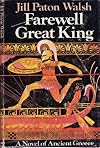
Farewell, Great King
by Jill Paton Walsh
On This Page
Tags
Recommendations





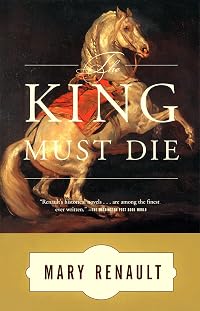
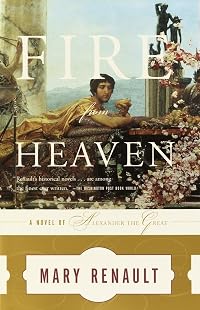
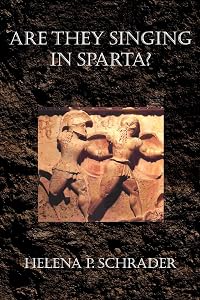

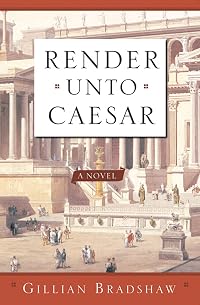




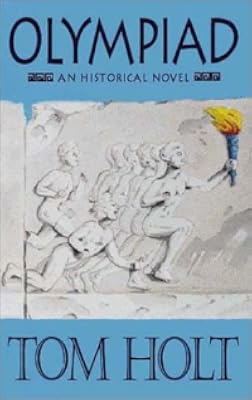
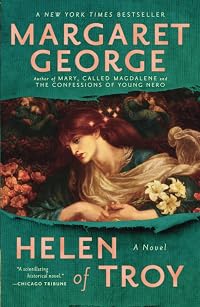

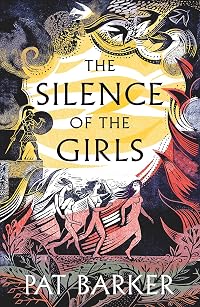
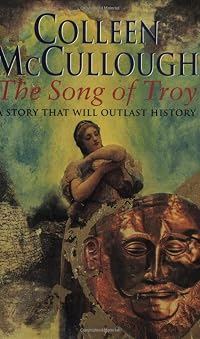




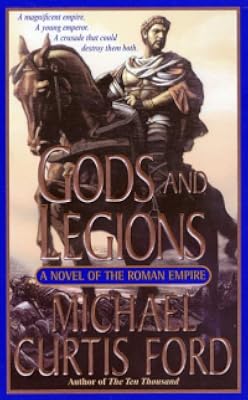

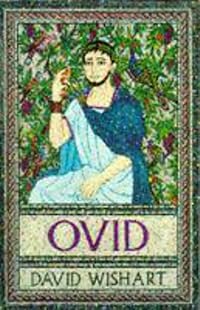


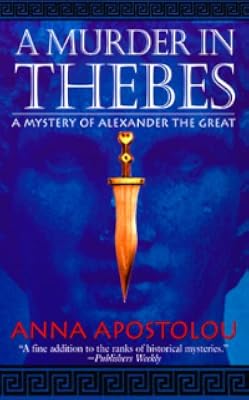

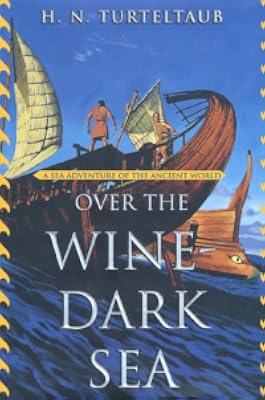
Member Recommendations

themulhern We get both sides of this part of the Persian war covered in novel form.

themulhern The historical periods and events overlap; the lyric poet Simonides is in both books. Themistocles, the protagonist of "Farewell, Great King" must be 10 to 20 years younger than Simonides. Both are first person narratives.
themulhern Marathon was early in Themistokles's career, hence early in "Farewell, Great King". But "Marathon" also covers events and trends preceding and following the battle, and so, most of Themistokles's life, although not as biography.
The Savior Generals: How Five Great Commanders Saved Wars That Were Lost - From Ancient Greece to Iraq by Victor Davis Hanson
themulhern Both have interesting views of the Greek general Themistocles.
Member Reviews
A novel of the life of Themistocles, told in the first person, as Themistocles looks back on his whole life. Full of politics and the details of life in the nascent Athenian democracy. Many an ostrakon with the name of Themistocles has been dug up in the modern era. According to the novel, every year or so between the first and second Persian Wars somebody would decide to try to ostracize him, and his supporters would then have to campaign to ostracize someone else instead. He was the runner up four times, but never the first choice selected then. Lucky, as he points out, for Athens.
Looking back, he sees how the Greek cities have cruelly persecuted the ones who have served them most ably. The story of Miltiades is harsher than his own: show more the hero of Marathon, succumbing to gangrene, is fined an horrendous sum, then dies, and his son is forced into penury. All this happens just one year after the battle.
The details of life in Athens: the bathing, the technical details of vote collection, the exhausting march back to Athens after the battle of Marathon, the evacuation of Athens before the battle of Salamis, etc., are well realized. show less
Looking back, he sees how the Greek cities have cruelly persecuted the ones who have served them most ably. The story of Miltiades is harsher than his own: show more the hero of Marathon, succumbing to gangrene, is fined an horrendous sum, then dies, and his son is forced into penury. All this happens just one year after the battle.
The details of life in Athens: the bathing, the technical details of vote collection, the exhausting march back to Athens after the battle of Marathon, the evacuation of Athens before the battle of Salamis, etc., are well realized. show less
Captivating account of the Persian invasion of Greece. Read it when I was young. Loved it then. I was swept away by the imaginative characterisation, the skilful presentation of the struggle by the Greeks for freedom, and Themistocles—statesman, politician, wheeler-dealer—brought to life by the author. I would like to get my hands on an ebook version, but no sign.
A lo largo de la Historia, pocos hombres han tenido en sus manos el destino de todo un pueblo. Temístocles, el constructor de naves, fue uno de ellos.
Atenas no es más que una semilla de lo que será su futura gloria y el gran experimento de la democracia tan sólo tiene unos años de edad. Temístocles y Arístides dominan la política de la ciudad y el futuro es brillante y prometedor.
Pero todo ello parece condenado a desaparecer bajo el yugo medo. Las invencibles tropas del imperio persa se aprestan a invadir la península griega. Su amo, el Gran Rey Jerjes, está deseoso de borrar ese enclave de libertad en los márgenes de sus posesiones. Las siempre individualistas polis griegas se muestran divididas, temerosas, incapaces de show more presentar un frente unido.
Temístocles deberá usar hasta el último ápice de su afamada astucia si la civilización griega quiere tener alguna esperanza de sobrevivir en este choque frontal entre libertad y tiranía, entre independencia y sevidumbre. show less
Atenas no es más que una semilla de lo que será su futura gloria y el gran experimento de la democracia tan sólo tiene unos años de edad. Temístocles y Arístides dominan la política de la ciudad y el futuro es brillante y prometedor.
Pero todo ello parece condenado a desaparecer bajo el yugo medo. Las invencibles tropas del imperio persa se aprestan a invadir la península griega. Su amo, el Gran Rey Jerjes, está deseoso de borrar ese enclave de libertad en los márgenes de sus posesiones. Las siempre individualistas polis griegas se muestran divididas, temerosas, incapaces de show more presentar un frente unido.
Temístocles deberá usar hasta el último ápice de su afamada astucia si la civilización griega quiere tener alguna esperanza de sobrevivir en este choque frontal entre libertad y tiranía, entre independencia y sevidumbre. show less
Feb 28, 2023Spanish
Ratings
Members
- Recently Added By
Author Information

59+ Works 8,503 Members
Jill Paton Walsh was born Gillian Bliss on April 29, 1937 in London. She graduated from St. Anne's College in Oxford. She taught at the Enfield Girls' Grammar School for three years and was a permanent visiting faculty member for the Center for Children's Literature at Simmons College in Boston, Massachusetts. She was also an adjunct British board show more member of Children's Literature New England. She has written more than 15 books for children. She has won numerous awards including the Book World Festival Award for Fireweed in 1970, the Whitbread Prize for The Emperor's Winding Sheet in1974, the Universe Prize for A Parcel of Patterns in 1984, and the Smarties Grand Prix for Gaffer Samson's Luck in 1984. She has also written adult novels, including completing an unfinished Dorothy Sayers manuscript. Her adult works include Knowledge of Angels, The Serpentine Cave, and A School for Lovers. She is the author of the Imogen Quy Mystery series and the Lord Peter Wimsey Mystery series. She was elected as fellow of the Royal Society of Literature in 1996. (Bowker Author Biography) show less
Awards and Honors
Common Knowledge
- Canonical title
- Farewell, Great King
- Original publication date
- 1972
- People/Characters
- Themistocles; Simonides of Ceos; Hippias
- Important places
- Athens, Greece; Ancient Greece
Classifications
Statistics
- Members
- 25
- Popularity
- 1,073,809
- Reviews
- 3
- Rating
- (4.00)
- Languages
- English, German, Spanish
- Media
- Paper
- ISBNs
- 4
- ASINs
- 1