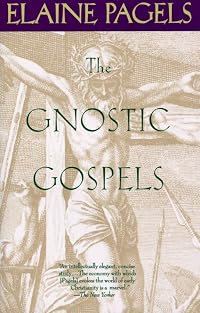
The Gnostic Gospels
by Elaine Pagels
On This Page
Description
"A startling account of the meaning of Jesus and the origin of Christianity based on gnostic gospels and other secret texts, written almost 2,000 years ago, recently discovered near Nag Hammadi in Upper Egypt"--Jacket subtitle.Tags
Recommendations
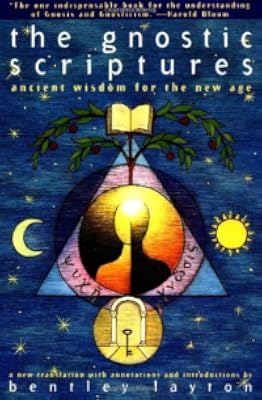
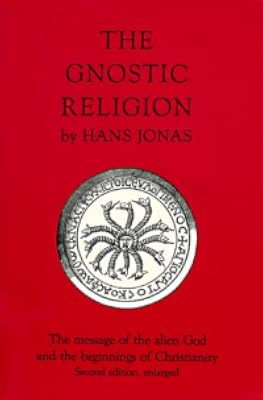
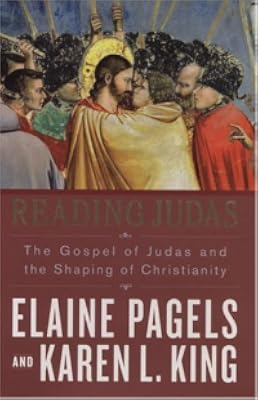

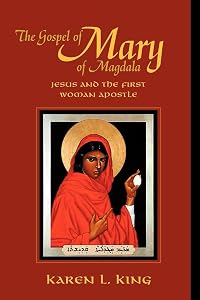
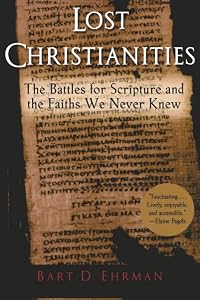
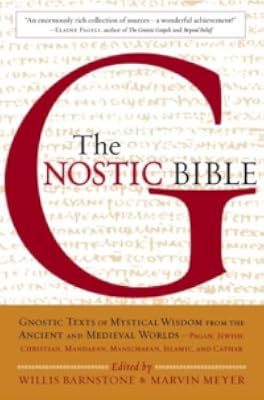
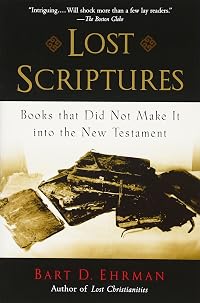
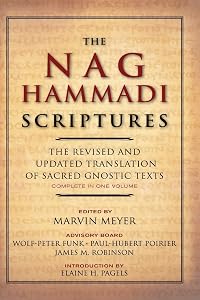
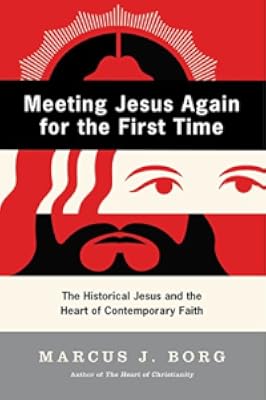
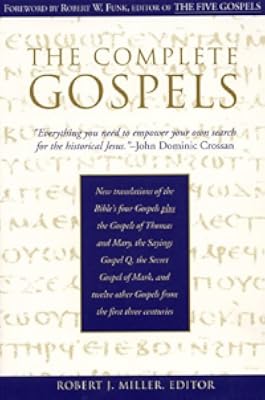
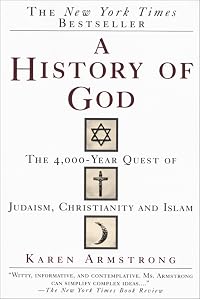
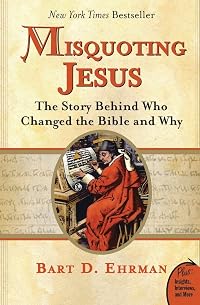



Member Recommendations
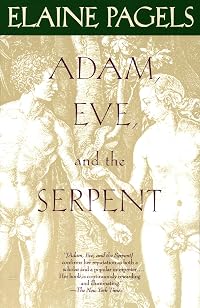
Panairjdde This is actually a recommendation by Elaine Pagels herself, written inside her book Beyond Belief
Panairjdde This is actually a recommendation by Elaine Pagels herself, written inside her book Beyond Belief

Panairjdde This is actually a recommendation by Elaine Pagels herself, written inside her book Beyond Belief
Member Reviews
Elaine Pagels writes here a lucid and fascinating historical study of the Gnostic Gospels, among them 52 texts discovered by accident at Nag Hammadi, including the Gospel of Thomas, the Gospel of Philip, the Apocalypse of Peter and more.
She argues that Gnostic Christianity was overtaken by Roman Catholicism because Roman Catholicism was organized, and codified and open to everyone. It was more "social." Gnostic Christianity is a lot more open. She depicts the Gnostics as, in some sense, artists, creators, who express their own insights (their gnosis) by creating new myths, poems, rituals, "dialogues" with Christ, revelations, and accounts of their visions. Women are much more active in the Gnostic traditions. There's a lot of show more unorthodoxy. Some typical Gnostic conjectures: Eve is not from Adam's rib, but Sophia's daughter, sent to prod the cast-down Adam to life and knowledge. The resurrection is seen metaphorically. Mary Magdalene perhaps married to Christ, and was one of only two or three people to whom Christ explained the secrets of the universe. There are conceptions of the Creator as both male and female, and Creators before the Old Testament God.
Essentially, orthodox Catholic leaders, attempting inclusion, created a simple framework of doctrine, ritual and political structure that proved amazingly effective. Gnostics, on the other hand were more concerned with personal enlightenment. Gnostics tended to regard all doctrines as approaches to the truth, rather than the orthodox, which viewed their specific doctrines as the truth and the sole legitimate form of Christian faith. Self-knowledge is knowledge of God, to the Gnostics: "Why do you pursue the darkness, though the light is available to you within?" This does not lend itself to religion for the masses, for, Pagels says, "ideas alone do not make a religion powerful, although it cannot succeed without them; equally important are social and political structures that unite people into a common affiliation."
Although occasionally I experienced a twitch of unease about the Gnostics ideas of redemption and initiation resembling the excesses of evangelical fundamentalists, most of their ideas were so far afield from mainstream Christianity as to be incredibly refreshing, not to mention poetic. Gnostics seem to be more about questions than answers. As Pagels says near the end of the book, “All the old questions are being reopened--what is the resurrection, the role of women, who was Christ, what are the similarities with other religions.” The crucial question for Pagels is "what is the relationship between the authority of one’s own experience and that claimed for the scriptures, the ritual and the clergy?" An important question among many intriguing questions raised in this astounding read. show less
She argues that Gnostic Christianity was overtaken by Roman Catholicism because Roman Catholicism was organized, and codified and open to everyone. It was more "social." Gnostic Christianity is a lot more open. She depicts the Gnostics as, in some sense, artists, creators, who express their own insights (their gnosis) by creating new myths, poems, rituals, "dialogues" with Christ, revelations, and accounts of their visions. Women are much more active in the Gnostic traditions. There's a lot of show more unorthodoxy. Some typical Gnostic conjectures: Eve is not from Adam's rib, but Sophia's daughter, sent to prod the cast-down Adam to life and knowledge. The resurrection is seen metaphorically. Mary Magdalene perhaps married to Christ, and was one of only two or three people to whom Christ explained the secrets of the universe. There are conceptions of the Creator as both male and female, and Creators before the Old Testament God.
Essentially, orthodox Catholic leaders, attempting inclusion, created a simple framework of doctrine, ritual and political structure that proved amazingly effective. Gnostics, on the other hand were more concerned with personal enlightenment. Gnostics tended to regard all doctrines as approaches to the truth, rather than the orthodox, which viewed their specific doctrines as the truth and the sole legitimate form of Christian faith. Self-knowledge is knowledge of God, to the Gnostics: "Why do you pursue the darkness, though the light is available to you within?" This does not lend itself to religion for the masses, for, Pagels says, "ideas alone do not make a religion powerful, although it cannot succeed without them; equally important are social and political structures that unite people into a common affiliation."
Although occasionally I experienced a twitch of unease about the Gnostics ideas of redemption and initiation resembling the excesses of evangelical fundamentalists, most of their ideas were so far afield from mainstream Christianity as to be incredibly refreshing, not to mention poetic. Gnostics seem to be more about questions than answers. As Pagels says near the end of the book, “All the old questions are being reopened--what is the resurrection, the role of women, who was Christ, what are the similarities with other religions.” The crucial question for Pagels is "what is the relationship between the authority of one’s own experience and that claimed for the scriptures, the ritual and the clergy?" An important question among many intriguing questions raised in this astounding read. show less
I remember first hearing about the Gnostic Gospels during the Dan Brown Da Vinci Code craze of the early aughts. At that time, the gospels were offered up as sort of legitimate “source material” for some of the wilder imaginings in Brown’s novel. I was curious about them, so I bought Pagels’ book. At the time, I simply wasn’t educated enough to understand what I was reading. I’m not sure I even finished her book. It sat on my shelf for many years. After reading the Bible and excerpts from the Talmud, in addition to two histories of the Bible, I figured that rereading Pagels’ book would enrich my understanding of early Christianity. I was not wrong.
Pagles helped me understand something that I had been curious about for show more much of my adult life. As someone who grew up influenced by Christian grandparents, but who was not raised Christian myself, I could never fully understand how early Christianity quickly surpassed its mother religion, Judaism, and became so dominant in the world within a span less than four hundred years. What Pagels helped to explain is that this phenomenon was not accidental. She makes her point by exploring the contrast between Christian orthodoxy and gnosticism. Her book is less about the gnostic texts themselves and more about their place in the building of the early Christian church.
But first, what does “gnostic” mean and what are the gnostic gospels? Gnostic, at its most rudimentary, means knowledge. As the term relates to religious or philosophical thought, it describes the intuitive process of getting to know oneself. This process includes continual questioning and was influenced by the Greek philosophers. There wasn’t a separate gnostic religion, rather there were diverse groups within early Christianity (long before “the Church” had been established) who shared the belief that to know oneself at the deepest level is to know God.
The Gnostic Gospels are a collection of thirteen papyrus books discovered in a huge earthenware jar in Upper Egypt in 1945 by an Arab farmer. After scholarly examination, they were determined to be Coptic (Egyptian dialect) translations from c. 350-400 CE of original Greek texts that dated from no later than c. 120 CE. They included texts from the earliest century of the Christian era: previously unknown gospels of Thomas and Philip as well as other apocalyptic gospels and letters.
The one criticism I have of Pagels’ book is that we don’t get a full sense of what any one of the gnostic gospels was like to read. She quotes from the texts, however, in fairness, her purpose is not to offer up a translation of them. Her intent is to show how the gnostic and orthodox forms interacted and to explain what the interaction tells us about the origin of Christianity.
The Christian religion did not develop in a vacuum; instead it was a religious, social and political movement. During its early centuries, Christians were persecuted in the most horrific ways. In response, Christian leaders intentionally set out to develop an orthodoxy that would “rally the troops”. There was a need for Christians to coalesce and defend themselves. Christians were being persecuted while they were simultaneously growing in large numbers across large geographical swaths. An orthodox canon was critical to the development of a strong Christian social and political identity. Gnosticism, with its diverse beliefs, did not lend itself to strength in numbers. It would almost seem that no two gnostics could agree on anything because they wanted to keep asking questions and explore deeper for knowledge. Gnosticism appealed to only a certain type of intellectual believer. Orthodoxy was relatively more straightforward and in some ways simpler. It relied on a commitment to the apostolic creed rather than endless questioning and seeking. It appealed to the masses. Orthodox leaders, people such as Clement, Bishop of Rome, Ignatius of Antioch, and Irenaeus, Bishop of Lyons, over time developed concepts that evolved into the hierarchy that still exists today in Roman Catholic and Orthodox churches. Pagels shows that it was this orthodoxy and this church architecture, that strengthened the early church. Once the Roman emperor, Constantine, converted, the structure was in place that enabled Christianity to spread and take lasting hold so effectively.
And while Gnosticism itself did not take hold as a competing religion, remnants of it have survived. For example, gnostics attributed some of their religious traditions to figures who stood outside the twelve apostles - Paul, Mary Magdalene, and James, the brother of Jesus. These figures did not “die” with the supremacy of orthodoxy and still live on today as important early Christians. The Gospel of John, one of the four orthodox gospels, was also an important gospel to gnostics, though for different reasons.
Overall, I enjoyed reading the Gnostic Gospels. I do wish that Pagels had included more examples of gnostic texts, so that I could start to formulate my own opinions. I also believe that there was an opportunity to show that while the gnostic churches themselves may have died out, there must be connections to later developments in the Reformation and beyond. One wonders if Luther or any of the Protestant reformers used any of the same arguments as the gnostics against the heavy hierarchy of the church. Perhaps the subject of another book… show less
Pagles helped me understand something that I had been curious about for show more much of my adult life. As someone who grew up influenced by Christian grandparents, but who was not raised Christian myself, I could never fully understand how early Christianity quickly surpassed its mother religion, Judaism, and became so dominant in the world within a span less than four hundred years. What Pagels helped to explain is that this phenomenon was not accidental. She makes her point by exploring the contrast between Christian orthodoxy and gnosticism. Her book is less about the gnostic texts themselves and more about their place in the building of the early Christian church.
But first, what does “gnostic” mean and what are the gnostic gospels? Gnostic, at its most rudimentary, means knowledge. As the term relates to religious or philosophical thought, it describes the intuitive process of getting to know oneself. This process includes continual questioning and was influenced by the Greek philosophers. There wasn’t a separate gnostic religion, rather there were diverse groups within early Christianity (long before “the Church” had been established) who shared the belief that to know oneself at the deepest level is to know God.
The Gnostic Gospels are a collection of thirteen papyrus books discovered in a huge earthenware jar in Upper Egypt in 1945 by an Arab farmer. After scholarly examination, they were determined to be Coptic (Egyptian dialect) translations from c. 350-400 CE of original Greek texts that dated from no later than c. 120 CE. They included texts from the earliest century of the Christian era: previously unknown gospels of Thomas and Philip as well as other apocalyptic gospels and letters.
The one criticism I have of Pagels’ book is that we don’t get a full sense of what any one of the gnostic gospels was like to read. She quotes from the texts, however, in fairness, her purpose is not to offer up a translation of them. Her intent is to show how the gnostic and orthodox forms interacted and to explain what the interaction tells us about the origin of Christianity.
The Christian religion did not develop in a vacuum; instead it was a religious, social and political movement. During its early centuries, Christians were persecuted in the most horrific ways. In response, Christian leaders intentionally set out to develop an orthodoxy that would “rally the troops”. There was a need for Christians to coalesce and defend themselves. Christians were being persecuted while they were simultaneously growing in large numbers across large geographical swaths. An orthodox canon was critical to the development of a strong Christian social and political identity. Gnosticism, with its diverse beliefs, did not lend itself to strength in numbers. It would almost seem that no two gnostics could agree on anything because they wanted to keep asking questions and explore deeper for knowledge. Gnosticism appealed to only a certain type of intellectual believer. Orthodoxy was relatively more straightforward and in some ways simpler. It relied on a commitment to the apostolic creed rather than endless questioning and seeking. It appealed to the masses. Orthodox leaders, people such as Clement, Bishop of Rome, Ignatius of Antioch, and Irenaeus, Bishop of Lyons, over time developed concepts that evolved into the hierarchy that still exists today in Roman Catholic and Orthodox churches. Pagels shows that it was this orthodoxy and this church architecture, that strengthened the early church. Once the Roman emperor, Constantine, converted, the structure was in place that enabled Christianity to spread and take lasting hold so effectively.
And while Gnosticism itself did not take hold as a competing religion, remnants of it have survived. For example, gnostics attributed some of their religious traditions to figures who stood outside the twelve apostles - Paul, Mary Magdalene, and James, the brother of Jesus. These figures did not “die” with the supremacy of orthodoxy and still live on today as important early Christians. The Gospel of John, one of the four orthodox gospels, was also an important gospel to gnostics, though for different reasons.
Overall, I enjoyed reading the Gnostic Gospels. I do wish that Pagels had included more examples of gnostic texts, so that I could start to formulate my own opinions. I also believe that there was an opportunity to show that while the gnostic churches themselves may have died out, there must be connections to later developments in the Reformation and beyond. One wonders if Luther or any of the Protestant reformers used any of the same arguments as the gnostics against the heavy hierarchy of the church. Perhaps the subject of another book… show less
Decades ago now, I read in the ol' Intercollegiate Review about Elaine Pagels's The Gnostic Gospels: "Bored with the real Gospels and real Christianity, professors of religion were thrilled to find out how important—not to mention feminist and pre-Socratic—these fragments were."
It's a biting critique of many moderns, scholars included, who disdain Western civilization and orthodox Christianity. European society has been class-based economically, patriarchal socially, and militaristic diplomatically, right? So the underpinnings of that society must be warped and wrong, right?
And Elaine Pagels is of that era of scholars, and people, in the 1960s who would hold such views. She hides it in her scholarly focus on psychoanalysis (Freud show more and Jung and all that), which was all the rage in the era of her upbringing (with the right psychology we could solve society's ills!). See just the title of her chapter six "Gnosis: Self-Knowledge as Knowledge of God," which sounds as new agey as you can get. In this chapter she compares many gnostic teachings approvingly to modern psychology. Find yourself, fix yourself, and you'll find true happiness.
Pagels also focuses intently on the power structure, another thing (this time Marxian) that scholars of her era believed in, looked for, and discussed. Materialism of ideas. Pagels maintains that orthodox Christianity survived and thrived only because it created a power structure of bishop-priest-deacon that had to be adhered to by congregants. (The gnostics did not.) This power structure mimicked a political power structure. Thus standard catholic Christian church could become the stolid, solid Catholic Christian Church. This is the thrust of her whole second chapter, which she concludes (p. 47): "As the doctrine of Christ’s bodily resurrection established the initial framework for clerical authority [that was chapter one], so the doctrine of the ‘one God’ confirms, for orthodox Christians, the emerging institution of the ‘one bishop’ as monarch (‘sole ruler’) of the church. We may not be surprised, then, to discover next how the orthodox description of God (as ‘Father Almighty’, for example) serves to define who is included—and who excluded—from participation in the power of priests and bishops."
For Pagels and scholars of her ilk, it is impossible for Christians to be attracted to the ideals of Christian teachings over, say, Gnostic teachings. There must be some power structure at work. She even chides any scholars who may think in terms of ideals, ideas, and beliefs. Pagels writes (p. 143): "Furthermore, since historians themselves tend to be intellectuals, it is, again, no surprise that most have interpreted the controversy between orthodox and gnostic Christians in terms of the 'history of ideas,' as if ideas, themselves assumed to be the essential mainspring of human action, battled (presumably in some disembodied state) for supremacy."
No, Pagels says, orthodox Christianity did not thrive and survive due to its ideas, as the Gnostics had better ideas, it had to be useful and beneficial to the power structure, the powers-that-be (pp. 142-143): "We need not be surprised, then, that the religious ideas enshrined in the creed (from 'I believe in one God,' who is 'Father Almighty,' and Christ's incarnation, death, and bodily resurrection 'on the third day,' to faith in the 'holy, catholic, and apostolic church') coincide with social and political issues in the formation of orthodox Christianity."
Pagels, of course, by focusing on materialist structure and not the power and force of ideas, can only see it this way. But wouldn't it have been easier for the first Christians to worship the Roman gods? No beef with the power structure there and you don't get thrown to the lions. Would not gnostic Christianity have been the better option here, as most brands of Gnosticism allowed you to lie when the Roman authorities wanted to arrest you? In fact, Pagels claims in her chapter four, that most Gnostics disdained martyrdom and martyrs. Would not Gnosticism offer a better fit to the power structure? But I digress.
By making orthodox Christianity about the power structure rather than ideas and ideals, she implies that gnostic ideas and ideals were superior in some way (Think for yourself! Women can lead congregations too! That nasty Old Testament god isn't really God!)—and that is Pagels's error.
What does Pagels do right? This is a short, easy-to-read, yet scholarly introduction to the various gnostic groups and the gnostic scriptures. It still is, more than forty years after its writing, the best such intro I think you can read on the subject. She talks of gnostic cosmology, gnostic views of Christ, gnostic ritual, gnostic scripture, gnostic attitudes to women, authority, and life, et cetera. It is all good, even though she then shunts her theory about structure and psychology into the book. So, still all-in-all four stars: a good book. It would have been nice if the endnotes were footnotes at the bottom of the page, so you could see what text or scripture she is quoting easily. But that is a scholar's quibble. No bibliography, but there is an index. show less
It's a biting critique of many moderns, scholars included, who disdain Western civilization and orthodox Christianity. European society has been class-based economically, patriarchal socially, and militaristic diplomatically, right? So the underpinnings of that society must be warped and wrong, right?
And Elaine Pagels is of that era of scholars, and people, in the 1960s who would hold such views. She hides it in her scholarly focus on psychoanalysis (Freud show more and Jung and all that), which was all the rage in the era of her upbringing (with the right psychology we could solve society's ills!). See just the title of her chapter six "Gnosis: Self-Knowledge as Knowledge of God," which sounds as new agey as you can get. In this chapter she compares many gnostic teachings approvingly to modern psychology. Find yourself, fix yourself, and you'll find true happiness.
Pagels also focuses intently on the power structure, another thing (this time Marxian) that scholars of her era believed in, looked for, and discussed. Materialism of ideas. Pagels maintains that orthodox Christianity survived and thrived only because it created a power structure of bishop-priest-deacon that had to be adhered to by congregants. (The gnostics did not.) This power structure mimicked a political power structure. Thus standard catholic Christian church could become the stolid, solid Catholic Christian Church. This is the thrust of her whole second chapter, which she concludes (p. 47): "As the doctrine of Christ’s bodily resurrection established the initial framework for clerical authority [that was chapter one], so the doctrine of the ‘one God’ confirms, for orthodox Christians, the emerging institution of the ‘one bishop’ as monarch (‘sole ruler’) of the church. We may not be surprised, then, to discover next how the orthodox description of God (as ‘Father Almighty’, for example) serves to define who is included—and who excluded—from participation in the power of priests and bishops."
For Pagels and scholars of her ilk, it is impossible for Christians to be attracted to the ideals of Christian teachings over, say, Gnostic teachings. There must be some power structure at work. She even chides any scholars who may think in terms of ideals, ideas, and beliefs. Pagels writes (p. 143): "Furthermore, since historians themselves tend to be intellectuals, it is, again, no surprise that most have interpreted the controversy between orthodox and gnostic Christians in terms of the 'history of ideas,' as if ideas, themselves assumed to be the essential mainspring of human action, battled (presumably in some disembodied state) for supremacy."
No, Pagels says, orthodox Christianity did not thrive and survive due to its ideas, as the Gnostics had better ideas, it had to be useful and beneficial to the power structure, the powers-that-be (pp. 142-143): "We need not be surprised, then, that the religious ideas enshrined in the creed (from 'I believe in one God,' who is 'Father Almighty,' and Christ's incarnation, death, and bodily resurrection 'on the third day,' to faith in the 'holy, catholic, and apostolic church') coincide with social and political issues in the formation of orthodox Christianity."
Pagels, of course, by focusing on materialist structure and not the power and force of ideas, can only see it this way. But wouldn't it have been easier for the first Christians to worship the Roman gods? No beef with the power structure there and you don't get thrown to the lions. Would not gnostic Christianity have been the better option here, as most brands of Gnosticism allowed you to lie when the Roman authorities wanted to arrest you? In fact, Pagels claims in her chapter four, that most Gnostics disdained martyrdom and martyrs. Would not Gnosticism offer a better fit to the power structure? But I digress.
By making orthodox Christianity about the power structure rather than ideas and ideals, she implies that gnostic ideas and ideals were superior in some way (Think for yourself! Women can lead congregations too! That nasty Old Testament god isn't really God!)—and that is Pagels's error.
What does Pagels do right? This is a short, easy-to-read, yet scholarly introduction to the various gnostic groups and the gnostic scriptures. It still is, more than forty years after its writing, the best such intro I think you can read on the subject. She talks of gnostic cosmology, gnostic views of Christ, gnostic ritual, gnostic scripture, gnostic attitudes to women, authority, and life, et cetera. It is all good, even though she then shunts her theory about structure and psychology into the book. So, still all-in-all four stars: a good book. It would have been nice if the endnotes were footnotes at the bottom of the page, so you could see what text or scripture she is quoting easily. But that is a scholar's quibble. No bibliography, but there is an index. show less
This must have been a very difficult book to write: I know that it was a hard one to read. The twenty-first century is hard enough on any established religion, without doubt being cast from within: on the other hand, the Gnostic Gospels were a time bomb waiting to inflict its damage from the moment, around 400 A.D., when a group of "leading Christians" made the decision to crop the texts to be included within the Bible.
The Gnostic Gospels are a very strange collection of texts; some are not too disparate from their Synoptic cousins but some suggest that Jesus was not human, did not rise bodily from the grave and/or that He did not offer eternal life. These may seem to be odd arguments to make, if one believes Jesus to be the Son of God show more and I find it almost impossible to read these Gospels with an open mind: however, that does NOT mean that they can, or should, be easily dismissed. These books have as much right to exist as the Gospels of Matthew, Mark, Luke and John - the latter of whom very nearly met the same fate as Thomas, Mary et al! Elaine Pagels walks the line in an admirable fashion. She gives respect to these works, but at the same time, is understanding to the orthodox view.
The chief reason for the cognoscenti to cull the Gospels was to make a credible, flowing text with everyone pulling in a single direction. Almost inevitably, the chance was taken to remove Mary (a woman claiming to be Christ's favoured disciple, what ever next?) and to hone the life of this maverick prophet into a form acceptable to people of the age. It is undoubtedly true that this sanitised version allowed Christianity to flourish and, with one more compromise (selecting Constantine as leader of the church on earth), Christianity spread to the four corners of the planet. Times change, and views that were normal become staid, it is no longer stretching credulity to think that a woman might have been a significant disciple, to question Christ's status is not punishable by death and, perhaps we need to address these issues.
This is a very good book for someone, such as myself, who knew next to nothing about the Gnostic Gospels. It introduces them, gives an historical backdrop and leaves the reader to make the final decision as to whether these texts have anything to offer. I believe, that anyone believing in God, or with an interest in religion should read both the Gnostic Gospels and also, this excellent explanation of them. show less
The Gnostic Gospels are a very strange collection of texts; some are not too disparate from their Synoptic cousins but some suggest that Jesus was not human, did not rise bodily from the grave and/or that He did not offer eternal life. These may seem to be odd arguments to make, if one believes Jesus to be the Son of God show more and I find it almost impossible to read these Gospels with an open mind: however, that does NOT mean that they can, or should, be easily dismissed. These books have as much right to exist as the Gospels of Matthew, Mark, Luke and John - the latter of whom very nearly met the same fate as Thomas, Mary et al! Elaine Pagels walks the line in an admirable fashion. She gives respect to these works, but at the same time, is understanding to the orthodox view.
The chief reason for the cognoscenti to cull the Gospels was to make a credible, flowing text with everyone pulling in a single direction. Almost inevitably, the chance was taken to remove Mary (a woman claiming to be Christ's favoured disciple, what ever next?) and to hone the life of this maverick prophet into a form acceptable to people of the age. It is undoubtedly true that this sanitised version allowed Christianity to flourish and, with one more compromise (selecting Constantine as leader of the church on earth), Christianity spread to the four corners of the planet. Times change, and views that were normal become staid, it is no longer stretching credulity to think that a woman might have been a significant disciple, to question Christ's status is not punishable by death and, perhaps we need to address these issues.
This is a very good book for someone, such as myself, who knew next to nothing about the Gnostic Gospels. It introduces them, gives an historical backdrop and leaves the reader to make the final decision as to whether these texts have anything to offer. I believe, that anyone believing in God, or with an interest in religion should read both the Gnostic Gospels and also, this excellent explanation of them. show less
This is an exciting read for a work of scholarship. In this book Ms Pagels
does not side with the gnostics, which she manages to define properly, but she devastates the catholic church's abuse of people that disagreed with them, especially on the resurrection and the role of women in the church. She is doubtless correct that the church would not have survived as a gnostic institution, because it needed form and simplicity and structure, which it could only get by destroying all of its enemies.
does not side with the gnostics, which she manages to define properly, but she devastates the catholic church's abuse of people that disagreed with them, especially on the resurrection and the role of women in the church. She is doubtless correct that the church would not have survived as a gnostic institution, because it needed form and simplicity and structure, which it could only get by destroying all of its enemies.
A crisp, if slightly repetitive overview of the gnostic gospels known as the Nag Hammadi texts. Pagels offers both a textual analysis and a historiography. A National Book Award winner and a classic approaching its fourth decade, I don't have anything to say against it, other than I wish it had been denser. Its repetitions left me with the feeling that its author knew it would be excerpted and annotated more than read, and so kept over-aggressively repeating her thesis. At the same time, I would have enjoyed an even more deeply researched book, that might have put early Christian scriptures into more direct conversations with holy texts from contemporaneous religions. The opportunities were gestured at rather than explored, which show more enhanced the book's general readability at the cost of a more vibrant and re-visitable richness. show less
Tragic irony of cosmic proportions is the theme of this book. Lovingly preserved texts written two millennia ago were found in 1945 by an Arab peasant near the town of Nag Hammadi. The documents were written in an attempt to communicate the incommunicable: the nature of the kingdom of heaven and the wisdom of the Christ. The person who found them was soon to murder a man as part of a vendetta. After killing his victim, he and his brothers ""hacked off his limbs . . . ripped out his heart, and devoured it among them, as the ultimate act of blood revenge." Shortly afterwards, the killers' mother would burn most of the texts in the family's oven; perhaps to sauté the leftovers? The fate of these documents at the dawn of the Common Era show more wasn't much better; for they served as the occasion for furious controversy between, on the one hand, the community that came to be called "the orthodox" and, on the other, every other follower of Jesus who considered a different spiritual path. Pagel's pioneering book chronicles the sociopolitical (which went under the name of "theological") struggles that characterized the first centuries of Christian history. The tale ends with the triumph of the Roman Church and the burial of the sacred texts of the losers, in the vain hope that these precious documents would resurface in a more enlightened era. show less
Members
- Recently Added By
Lists

David Bowie's Top 100
97 works; 23 members

Mike's Theology Books
74 works; 2 members

Modern Library 100 Best Nonfiction Books
100 works; 8 members

David Bowie's List of Top 100 Books
94 works; 6 members

Books Featured on Gilmore Girls
307 works; 21 members

National Book Award winners
65 works; 11 members

Books Read in 2019
4,052 works; 110 members

Nonfiction
41 works; 1 member

Mustich's 1000 Books to Read Before You Die: A Life Changing List
1,001 works; 20 members

Club Read's Recommended Nonfiction Written by Women
618 works; 30 members

readingList
38 works; 1 member
The Complete Rory Gilmore Reading List
506 works; 5 members
David Bowie’s Top 100 Favourite Reads
100 works; 3 members

In Our Time books
4,934 works; 2 members
Talk Discussions
Past Discussions
Gnostic Gospels Group Read in 75 Books Challenge for 2012 (April 2012)
Author Information

32+ Works 15,554 Members
Elaine Pagels is the Harrington Spear Paine Professor of Religion at Princeton University. She is the recipient of a MacArthur Fellowship best known for her studies and writing on the Gnostic Gospels. Pagels graduated from Stanford University receiving a B.A. in 1964 and an M.A. in 1965. She received a Ph.D in religion from Harvard University in show more 1970. She is the author of The Gnostic Gospels (1979), which won the National Book Award (Religion 1980) and the National Book Critics Circle Award (Criticism 1979). Pagels is also the author of Adam, Eve and the Serpent (1988), The Origin of Satan (1995), Beyond Belief: The Secret Gospel of Thomas (2003), Reading Judas: The Gospel of Judas and the Shaping of Christianity (2007), and Revelations: Visions, Prophecy, and Politics in the Book of Revelation (2012). (Bowker Author Biography) show less
Some Editions
Awards and Honors
Awards
Work Relationships
Is contained in
Has as a student's study guide
Common Knowledge
- Canonical title*
- De gnostiske evangelier : evangeliene Kirken ikke ville bruke
- Original title
- The Gnostic Gospels
- Original publication date
- 1979
- People/Characters
- Tertullian (Quintus Septimius Florens, ca. 155-ca. 220); Valentinus (Valentinius, c.&thinsp | 100&ndash | c.&thinsp | 160); Hippolytus of Rome (Antipope, Saint, Martyr, c. 170 &ndash | c. 235); Jesus Christ; Irenaeus; Athanasius of Alexandria (show all 7); Tertullian
- Important places
- Naj 'Hammadi, Jabal-al-Tarif, Upper Egypt; al Qasr, Upper Egypt; Coptic Museum, Cairo, Egypt
- Important events
- Discovery of the Naj Hammandi Scrolls; Destruction of the Naj Hammandi Scrolls
- Dedication
- To Elizabeth Diggs and Sharon Olds in loving friendship
- First words
- Introduction
In December 1945 an Arab peasant made an astonishing archeological discovery in Upper Egypt.
"Jesus Christ rose from the grave." - Last words
- (Click to show. Warning: May contain spoilers.)Only now are we beginning to consider the questions with which they confront us.
- Blurbers
- Barrett, Kingsley; Marty, Martin
- Disambiguation notice
- Please do not combine Elaine Pagels' The Gnostic Gospels (in Italian, I vangeli gnostici) with Luigi Moraldi's I vangeli gnostici. Vangeli di Tomaso, Maria, Verità, Filippo (ISBN 8845910091). Thank you.<... (show all)br>
There are at least 4 books called "The Gnostic Gospels". They contain different (sometimes very very different) texts. Confusingly one of them is an edition by Marvin Meyers, to which Pagels is a contributor or co-author. Please do not combine any of them if you aren't quite certain.
*Some information comes from Common Knowledge in other languages. Click "Edit" for more information.
Classifications
- Genres
- Religion & Spirituality, Nonfiction, History, General Nonfiction
- DDC/MDS
- 273.1 — Religion History of Christianity Doctrinal controversies and heresies in general church history Gnostic (First 3 centuries)
- LCC
- BT1390 .P3 — Philosophy, Psychology and Religion Doctrinal Theology Doctrinal Theology History of specific doctrines and movements.
- BISAC
Statistics
- Members
- 5,472
- Popularity
- 2,452
- Reviews
- 57
- Rating
- (3.89)
- Languages
- 15 — Danish, Dutch, English, Finnish, French, German, Greek, Italian, Japanese, Norwegian (Bokmål), Norwegian, Portuguese, Serbian, Spanish, Swedish
- Media
- Paper, Audiobook, Ebook
- ISBNs
- 48
- ASINs
- 21