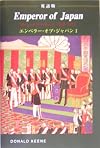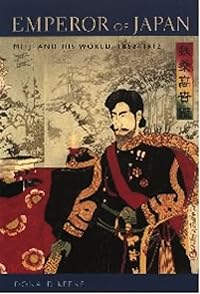
Emperor of Japan: Meiji and His World, 1852-1912
by Donald Keene
On This Page
Description
This is the extraordinary story of how Japan was dramatically transformed during the long reign of Emperor Meiji, from an isolated island nation to one of the five great powers of the world, poised as a rival in Asia to Russia and the European colonial powers.Tags
Recommendations


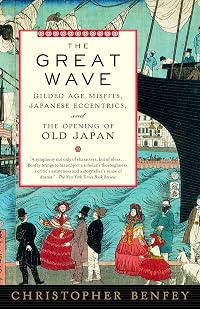

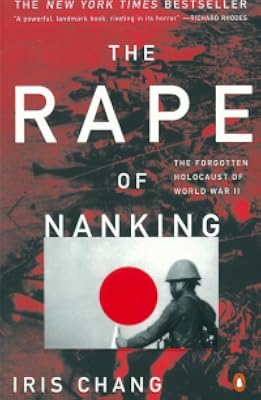
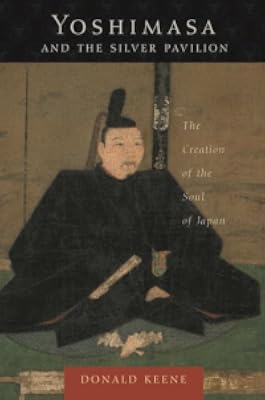
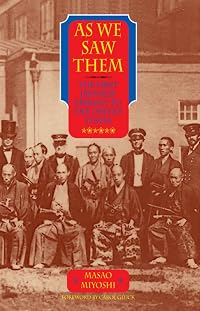






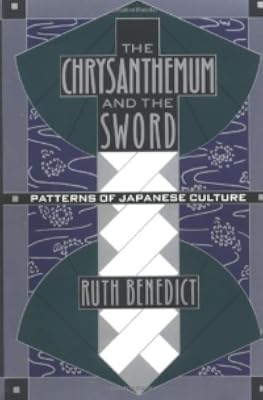
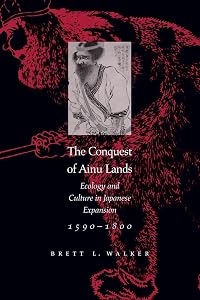
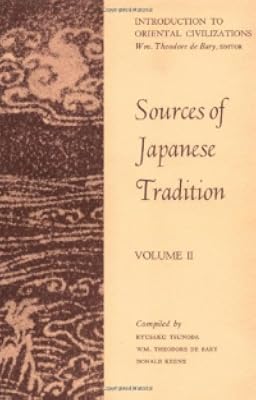

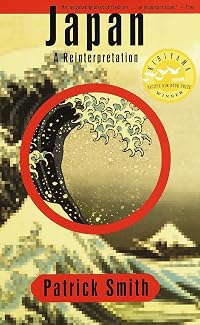

Member Recommendations


Member Reviews
This is a well-written, scholarly examination of the life of Mutsuhito, posthumously known as the Meiji Emperor, a critical figure in Japan's rapid 19th century transformation from secluded feudalism (think of Kurosawa's samurai films) to a modern industrial state. The author, Donald Keene, is probably the most widely-read and highly respected Western scholar of Japanese literature today. Yet it strikes me as an odd biography, with some serious, though not fatal, shortcomings.
The first problem, which Keene acknowledges, is the difficulty in getting a fix on Meiji as a human being. What little documentary evidence exists regarding Mutsuhito's personal life is mostly sequestered in the imperial archives, off-limits to scholars. Keene's show more primary source is the often-cryptic daily calendar of Mutsuhito's official life, supplemented by Mutushito's poetry. Still, he does a good job of mining these sources (and many secondary works by Japanese scholars) to illustrate the emperor's role in re-establishing imperial power (after centuries of subjugation to the warlords known as shoguns) and validating the opening of Japan to the outside world (after centuries of self-imposed seclusion). And his meticulous examination of court procedure allows us to see how Mutsuhito's education, carefully planned by court officials, turned him into a very different emperor than his more traditional, strongly anti-foreign father, the Komei Emperor.
A limited portrait of Mutsuhito's character develops gradually, through a slow accretion of facts. For one example among many: starting in 1886, we see the emperor, year after year, increasingly skip -- and eventually give up entirely -- the annual New Year religious observances that had been one of the principal occupations of his predecessors, suggesting that despite his apparent conservatism he was increasingly focused on more "modern" aspects of his role (though illness may sometimes have played a role). After several hundred pages, Meiji emerges as a serious, reticent, occasionally workaholic leader who worried about his image, his nation, and his soldiers (in two wars, with China and Russia) while fathering 15 children with five different concubines, largely ignoring a drinking problem, indulging an obsession for riding horses, and avoiding doctors like the plague.
The second and perhaps more serious problem with the book is the lack of political, economic and social context. This is not the place to start if you're looking for an introduction to Meiji Japan. Mutsuhito reigned during one of the most dynamic political and economic transformations in modern history. Yet for the most part Keene discusses only those issues that directly affected the emperor's daily life, like receiving Western vistors, the growing prevalence of Western dress among the nobility and court officials, and his travels around the country to show himself (or, more often, his closed palaquin passing by) to his subjects. Mutsuhito's relations with key political leaders like Ito Hirobumi and Yamagata Aritomo are described in detail, but without any explanation of just how vital a role they played in making the so-called Meiji Restoration happen and the ways in which they shaped Japan's development. Perhaps because he's a scholar of literature, not politics (his discussions of Meiji's poetry are quite interesting) or because the material has been covered elsewhere or maybe just to keep the book's length (922 pages) manageable, Keene gives readers only the barest sense of the monumental social upheavals going on in Japan during Meiji's life.
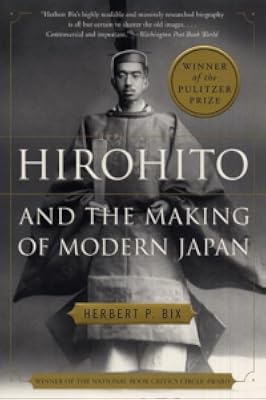
A good comparison is with Herbert Bix's biography of Meiji's grandson, "Hirohito and the Making of Modern Japan." Bix deals in great detail with the growing militarism, weakening democracy, economic upheaval, and foreign imperialism of the 20th century Showa period, all of which was prefigured in the way political and economic strucutures developed under Meiji, which Keene does not discuss. Court officials in the 1920s, concerned that the emperor's prestige and status had declined during the rule of Hirohito's physically and mentally disabled father (Yoshihito, the Taisho Emperor), billed Hirohito as the true heir of the heroic Meiji. But again, that image of Meiji might be difficult to comprehend if one had read only Keene's biography of the emperor without consulting the other excellent literature on that important period in Japan's history. I can only assume that Keene had in mind a more limited, but nonetheless worthwhile goal for this book -- to pull together everything available to give as complete a picture as possible of Mutsuhito the man, to complement the many other Meiji-era studies that put more emphasis on Meiji the symbol. show less
The first problem, which Keene acknowledges, is the difficulty in getting a fix on Meiji as a human being. What little documentary evidence exists regarding Mutsuhito's personal life is mostly sequestered in the imperial archives, off-limits to scholars. Keene's show more primary source is the often-cryptic daily calendar of Mutsuhito's official life, supplemented by Mutushito's poetry. Still, he does a good job of mining these sources (and many secondary works by Japanese scholars) to illustrate the emperor's role in re-establishing imperial power (after centuries of subjugation to the warlords known as shoguns) and validating the opening of Japan to the outside world (after centuries of self-imposed seclusion). And his meticulous examination of court procedure allows us to see how Mutsuhito's education, carefully planned by court officials, turned him into a very different emperor than his more traditional, strongly anti-foreign father, the Komei Emperor.
A limited portrait of Mutsuhito's character develops gradually, through a slow accretion of facts. For one example among many: starting in 1886, we see the emperor, year after year, increasingly skip -- and eventually give up entirely -- the annual New Year religious observances that had been one of the principal occupations of his predecessors, suggesting that despite his apparent conservatism he was increasingly focused on more "modern" aspects of his role (though illness may sometimes have played a role). After several hundred pages, Meiji emerges as a serious, reticent, occasionally workaholic leader who worried about his image, his nation, and his soldiers (in two wars, with China and Russia) while fathering 15 children with five different concubines, largely ignoring a drinking problem, indulging an obsession for riding horses, and avoiding doctors like the plague.
The second and perhaps more serious problem with the book is the lack of political, economic and social context. This is not the place to start if you're looking for an introduction to Meiji Japan. Mutsuhito reigned during one of the most dynamic political and economic transformations in modern history. Yet for the most part Keene discusses only those issues that directly affected the emperor's daily life, like receiving Western vistors, the growing prevalence of Western dress among the nobility and court officials, and his travels around the country to show himself (or, more often, his closed palaquin passing by) to his subjects. Mutsuhito's relations with key political leaders like Ito Hirobumi and Yamagata Aritomo are described in detail, but without any explanation of just how vital a role they played in making the so-called Meiji Restoration happen and the ways in which they shaped Japan's development. Perhaps because he's a scholar of literature, not politics (his discussions of Meiji's poetry are quite interesting) or because the material has been covered elsewhere or maybe just to keep the book's length (922 pages) manageable, Keene gives readers only the barest sense of the monumental social upheavals going on in Japan during Meiji's life.
A good comparison is with Herbert Bix's biography of Meiji's grandson, "Hirohito and the Making of Modern Japan." Bix deals in great detail with the growing militarism, weakening democracy, economic upheaval, and foreign imperialism of the 20th century Showa period, all of which was prefigured in the way political and economic strucutures developed under Meiji, which Keene does not discuss. Court officials in the 1920s, concerned that the emperor's prestige and status had declined during the rule of Hirohito's physically and mentally disabled father (Yoshihito, the Taisho Emperor), billed Hirohito as the true heir of the heroic Meiji. But again, that image of Meiji might be difficult to comprehend if one had read only Keene's biography of the emperor without consulting the other excellent literature on that important period in Japan's history. I can only assume that Keene had in mind a more limited, but nonetheless worthwhile goal for this book -- to pull together everything available to give as complete a picture as possible of Mutsuhito the man, to complement the many other Meiji-era studies that put more emphasis on Meiji the symbol. show less
A detailed account of his life
There is very little of his personal life available. The last chapter emphasizes this as well as commenting on his Confucian stoic approach to life.
The body of the book covers the details of what is known of his life and reign.
I found interesting the difficulty of keeping capable officers in the government. He often refused to let them resign.
There is very little of his personal life available. The last chapter emphasizes this as well as commenting on his Confucian stoic approach to life.
The body of the book covers the details of what is known of his life and reign.
I found interesting the difficulty of keeping capable officers in the government. He often refused to let them resign.
Ratings
Members
- Recently Added By
Lists

Books Read in 2016
4,666 works; 197 members
Author Information

76+ Works 3,819 Members
Donald Keene was born in Brooklyn, New York on June 18, 1922. He was a child prodigy and entered Columbia University on scholarship in 1938 at the age of 16. He received a bachelor's degree in 1942, a master's degree in 1947, and a doctoral degree in 1951 from Columbia. Shortly after Pearl Harbor, he enlisted in the Navy and volunteered to study show more Japanese. His first experience as a translator came in Hawaii, where he worked on routine military reports captured from Japanese units in the Pacific theater. He then became a wartime interrogator after the battle in Okinawa on April 1, 1945. After he was discharged, he taught at Columbia University for 56 years. Over his career, he translated many of the most important works of Japanese literature into English. He also wrote numerous books in both English and Japanese including Dawn to the West and Travelers of the Ages. In 1985, he became the first non-Japanese to receive the Yomiuri Prize for Literature for literary criticism. He became a Japanese citizen in 2012. He died on February 24, 2019 at the age of 96. (Bowker Author Biography) show less
Some Editions
Awards and Honors
Awards
Common Knowledge
- Original publication date
- 2002
- People/Characters
- Emperor Meiji
- Important places
- Japan
- Original language
- English
Classifications
Statistics
- Members
- 204
- Popularity
- 160,191
- Reviews
- 2
- Rating
- (3.69)
- Languages
- English, Japanese
- Media
- Paper, Audiobook, Ebook
- ISBNs
- 6
- ASINs
- 3