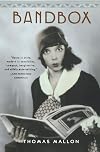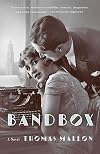
Bandbox
by Thomas Mallon
On This Page
Description
"Bandbox is a hugely successful magazine, a glamorous monthly cocktail of 1920s obsessions from the stock market to radio to gangland murder. Edited by the bombastic Jehoshaphat "Joe" Harris, the magazine has a masthead that includes, among many others, a grisly, alliterative crime writer; a shy but murderously determined copyboy; and a burned-out vaudeville correspondent who's lovesick for his loyal, dewy assistant. As the novel opens, the defection of Harris's most ambitious protge has show more plunged Bandbox into a death struggle with a new competitor on the newsstand. But there's more to come: a sabotaged fiction contest, the NYPD vice squad, a subscriber's kidnapping, and a film-actress cover subject who makes the heroines of Fosse's Chicago look like the girls next door. While Harris and his magazine careen from comic crisis to make-or-break calamity, the novel races from skyscraper to speakeasy, hops a luxury train to Hollywood, and crashes a buttoned-down dinner with Calvin Coolidge."-- show lessTags
Recommendations


























Member Recommendations
Member Reviews
A vodka bottle comes through an interoffice mail chute by mistake and clunks a sozzled reporter on the head–and that’s just the beginning. A satirical farce that reads like a thriller, Bandbox is a hilarious valentine to the New York of 1927.
The title refers to a flashy magazine fighting for its life against a hard-charging competitor, led by a one-time staffer nurtured at its hooch-filled bosom. Nothing’s too low for this ingrate defector, whether it’s bribing an office underling to rifle desk drawers, calling in the vice squad, or faking photographs.
That’s the premise, assuming it matters. Throw in a raft of eccentrics adept at stirring up whirlwinds, mobsters, a star-struck young man escaping college in Indiana, an show more unfortunate encounter with President Coolidge, and you’ve got as tart and heady a Manhattan as served in any speakeasy during Prohibition.
Mallon spices the drink with lovingly researched details that made this transplanted New Yorker sigh with nostalgia: the interior of a subway car, the views from the newest skyscrapers (since become landmarks), the then-famous but now-obscure personalities who appear just within the story’s peripheral vision.
Mallon gratifyingly obliges the dictum that a satirist should push characters' eccentricities to their limit. These include a shy magazine staffer who prefers animals over humans to the point that he believes John Scopes guilty “of at least presumption, since neither God nor nature would ever have allowed the evolution of charming monkeys into terrible men.” Then there’s a researcher, once married to an Italian count, who wouldn’t know an ordinary, everyday fact if it bit her, but can confirm–from experience–the shoe size of Arnold Rothstein, the gangster.
What really makes this cocktail fizz, however, is the prose. I can’t remember the last time I laughed so often over a novel. Consider this offering, about a "writer so virile and hairy-chested, he looked, when his shirt was open, like something he might have just shot. . . on the page, he boiled his sporting and amorous adventures so spare it sometimes seemed he was being paid by the word for what he left out.”
It’s pretty clear who this is, but Mallon drops Hemingway’s name into the book later, as if to pretend otherwise. Wink, wink; nudge, nudge.
Bandbox is good fun and sharp satire, and I suspect that Mallon intended no more than that, which is to his credit. His publisher, however (as publishers do), tries to go further, using the adjective “poignant” on the jacket flap. I didn’t see any poignancy, and I’d be hard-pressed to call any of the characters three-dimensional. But they’re not supposed to be. They’re vehicles for a rollicking, crazy ride, and that’s just fine. Hop aboard. show less
The title refers to a flashy magazine fighting for its life against a hard-charging competitor, led by a one-time staffer nurtured at its hooch-filled bosom. Nothing’s too low for this ingrate defector, whether it’s bribing an office underling to rifle desk drawers, calling in the vice squad, or faking photographs.
That’s the premise, assuming it matters. Throw in a raft of eccentrics adept at stirring up whirlwinds, mobsters, a star-struck young man escaping college in Indiana, an show more unfortunate encounter with President Coolidge, and you’ve got as tart and heady a Manhattan as served in any speakeasy during Prohibition.
Mallon spices the drink with lovingly researched details that made this transplanted New Yorker sigh with nostalgia: the interior of a subway car, the views from the newest skyscrapers (since become landmarks), the then-famous but now-obscure personalities who appear just within the story’s peripheral vision.
Mallon gratifyingly obliges the dictum that a satirist should push characters' eccentricities to their limit. These include a shy magazine staffer who prefers animals over humans to the point that he believes John Scopes guilty “of at least presumption, since neither God nor nature would ever have allowed the evolution of charming monkeys into terrible men.” Then there’s a researcher, once married to an Italian count, who wouldn’t know an ordinary, everyday fact if it bit her, but can confirm–from experience–the shoe size of Arnold Rothstein, the gangster.
What really makes this cocktail fizz, however, is the prose. I can’t remember the last time I laughed so often over a novel. Consider this offering, about a "writer so virile and hairy-chested, he looked, when his shirt was open, like something he might have just shot. . . on the page, he boiled his sporting and amorous adventures so spare it sometimes seemed he was being paid by the word for what he left out.”
It’s pretty clear who this is, but Mallon drops Hemingway’s name into the book later, as if to pretend otherwise. Wink, wink; nudge, nudge.
Bandbox is good fun and sharp satire, and I suspect that Mallon intended no more than that, which is to his credit. His publisher, however (as publishers do), tries to go further, using the adjective “poignant” on the jacket flap. I didn’t see any poignancy, and I’d be hard-pressed to call any of the characters three-dimensional. But they’re not supposed to be. They’re vehicles for a rollicking, crazy ride, and that’s just fine. Hop aboard. show less
Historical nonsense about two dueling men's mags in '20s NYC. Aspires but falls short of manic energy of '30s screwball comedies. Too many characters sounding too much alike; none resonate in the memory as more than a collection of tics (animal-loving copy editor, debauched overage starlet, hard-drinking copy editor, etc.).
What promises to be an enjoyable "romp" through 1920's New York turns out to be too far on the thin side in terms of characterization and thematic depth. I liked this book so much when I began it, but towards the end it kind of dragged. I just lost interest. I feel awful when this happens. The drama and the trajectoroy of the character's experiences were just not enough to sustain my interest. Sigh.
Highly recommend all of Mallon's work, but with this one you really need a scorecard; there are at least 47 characters.
Ratings
Members
- Recently Added By
Author Information

21+ Works 3,085 Members
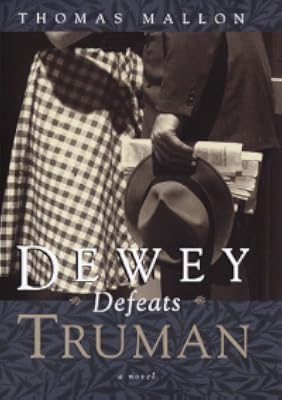
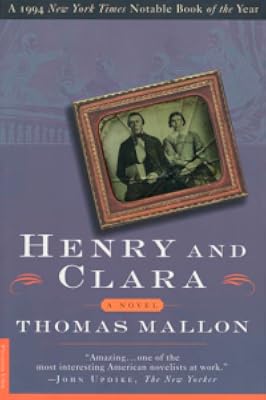
Thomas Mallon, author of "In Fact", is a frequent contributor to many magazines & journals. His column, "Doubting Thomas" ran for six years in GQ. His novels Dewey Defeats Truman & Henry & Clara were New York Times Notable Books. A recipient of Guggenheim & Rockefeller fellowships, he lives in Westport, Connecticut. (Bowker Author Biography)
Common Knowledge
- Canonical title
- Bandbox
- Important places
- New York, New York, USA
Classifications
Statistics
- Members
- 202
- Popularity
- 162,941
- Reviews
- 4
- Rating
- (3.39)
- Languages
- English
- Media
- Paper, Ebook
- ISBNs
- 5
- ASINs
- 3