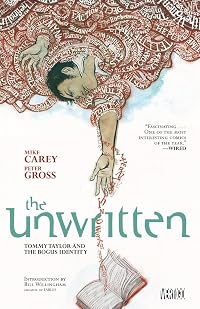
The Unwritten Vol. 01: Tommy Taylor and the Bogus Identity
by Mike Carey (Author), Peter Gross (Illustrator)
The Unwritten TPBs (01), The Unwritten (Collections and Selections — 01-05)
On This Page
Description
"Tom Taylor's life was screwed from the word go. His father created the mega-popular Tommy Taylor boy-wizard fantasy novels. But dad modeled the fictional epic so closely to Tom that fans constantly compare him to his counterpart, turning him into a lame, Z-level celebrity. When a scandal hints that Tom might really be the boy-wizard made flesh, Tom comes into contact with a mysterious, deadly group that's secretly kept tabs on him all his life. Now, to protect his life and discover the show more truth behind his origins, Tom will travel the world, to all the places in world history where fictions have shaped reality" -- from publisher's web site. show lessTags
Recommendations
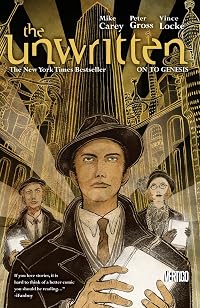
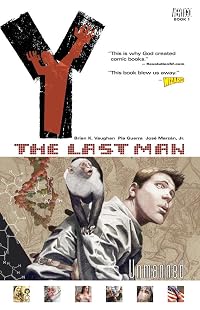
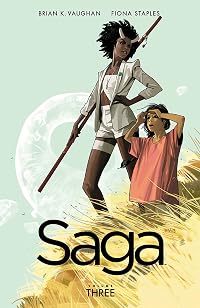
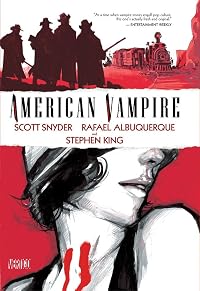
Member Recommendations
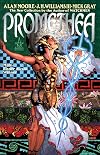
FFortuna Both stories about the power of stories themselves, about moving in and out of imagination and writing as magic.
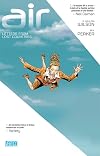
FFortuna Very similar tones and themes.
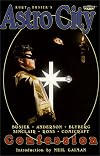
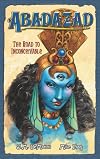

by Runa
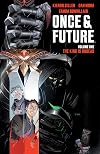
Lucky-Loki While Once & Future is a fast-paced action horror approach in contrast to The Unwritten's air of a thoughtful mystery, they are both inventive fantasy graphic novels where the power of the stories we tell and the relationship between fiction and reality are at the essence of the plot.
Member Reviews
A very promising beginning: The author of a Harry Potter-esque phenomenon (only even bigger) disappeared without a trace after the thirteenth book was published. Fifteen years later, his son -- the namesake of his books' protagonist -- is still making a living signing his father's books at conventions, yet understandably resents it whenever people identify him with the character.
But then, some odd stuff starts happening, and in a very literal sense (pun intended), the lines between fact and fiction might not be drawn in the way anyone could have expected.
While this character is clearly the one The Unwritten is to follow, the collection ends on an issue omitting him entirely, and rather going back to the life of Rudyard Kipling, show more reimagined through the lense of the rules and mysteries of this world. A surprising but intriguing choice to say the least, and it effectively provides a lot of answers (and yet more questions) about how The Unwritten world works.
I'll be reading volume 2 next, and if it builds satisfactorily on this, buying the rest of the series will go rather high on my (admittedly crowded) list. show less
But then, some odd stuff starts happening, and in a very literal sense (pun intended), the lines between fact and fiction might not be drawn in the way anyone could have expected.
While this character is clearly the one The Unwritten is to follow, the collection ends on an issue omitting him entirely, and rather going back to the life of Rudyard Kipling, show more reimagined through the lense of the rules and mysteries of this world. A surprising but intriguing choice to say the least, and it effectively provides a lot of answers (and yet more questions) about how The Unwritten world works.
I'll be reading volume 2 next, and if it builds satisfactorily on this, buying the rest of the series will go rather high on my (admittedly crowded) list. show less
Imagine that you are Harry Potter. Not the character in the wildly popular book series, but actually a young man named Harry Potter who is the basis for the wildly popular, thirteen book series that your father wrote with the main character based on you. What do you think your life would be like?
That's basically how The Unwritten opens. Tom Taylor's dad has written an enormously popular series of books, very similar to the Harry Potter books, and based the main character of the series on his son, even naming the series of the books after his son. Tom Taylor has grown up being "Tommy Taylor," the hero of his father's book series, and is becoming quite tired of that persona. He's tried several times to break out on his own, but nothing show more can change the public's perception that he is Tommy Taylor, boy wizard.
Eventually, it comes to light that possibly Tom Taylor may not be the person that even he thinks he is, and he goes on his own quest to discover his past and who he really is, only to discover there are secrets about his life that may or may not parallel the events of the books that his father wrote and that there is a group that seems to be bent of destroying him and who also seem to have been involved with other authors over the years, influencing their work to their own, mysterious ends.
Frankly, I had a hard time finishing this story. It was read for a graphic novel discussion group that I belong to, and found that I had lost interest about halfway through. I think the author is trying to drop too many mysteries all at one time into the story to make it intriguing, but I found it just made too many story threads to try to keep track of. One thing that I found particularly distracting was the final chapter of this collected edition, which tells who this mysterious group has been influencing authors for years. When I got to the last panel of the main story, and turned the page and discovered what seemed like an entirely disparate story going on, I actually thought there had been a mistake at the printer and that another entirely different graphic novel had been bound into the volume that I was reading. Once I figured out that this was telling a little back story, it made it a little more clear, but to finish out the novel in such a drastically different way really pulled me entirely out of a story that was already just barely keeping my interest. However, on the flip side of that, I'm interested to see how the map that is discovered that seems to link Tom Taylor to numerous physical landmarks that have some sort of tie to literary events (such as the house that all the main characters end up at the end of the book is the same house where Milton wrote Paradie Lost, Mary Shelley wrote Frankenstein and finally, supposedly Tom Taylor's father wrote the Tommy Taylor books here, too). This is the one aspect of the story that will bring me to getting the second volume, because I'd like to see how Carey works in other literary works into this story and how they will help Tom Taylor get out of his predicament. show less
That's basically how The Unwritten opens. Tom Taylor's dad has written an enormously popular series of books, very similar to the Harry Potter books, and based the main character of the series on his son, even naming the series of the books after his son. Tom Taylor has grown up being "Tommy Taylor," the hero of his father's book series, and is becoming quite tired of that persona. He's tried several times to break out on his own, but nothing show more can change the public's perception that he is Tommy Taylor, boy wizard.
Eventually, it comes to light that possibly Tom Taylor may not be the person that even he thinks he is, and he goes on his own quest to discover his past and who he really is, only to discover there are secrets about his life that may or may not parallel the events of the books that his father wrote and that there is a group that seems to be bent of destroying him and who also seem to have been involved with other authors over the years, influencing their work to their own, mysterious ends.
Frankly, I had a hard time finishing this story. It was read for a graphic novel discussion group that I belong to, and found that I had lost interest about halfway through. I think the author is trying to drop too many mysteries all at one time into the story to make it intriguing, but I found it just made too many story threads to try to keep track of. One thing that I found particularly distracting was the final chapter of this collected edition, which tells who this mysterious group has been influencing authors for years. When I got to the last panel of the main story, and turned the page and discovered what seemed like an entirely disparate story going on, I actually thought there had been a mistake at the printer and that another entirely different graphic novel had been bound into the volume that I was reading. Once I figured out that this was telling a little back story, it made it a little more clear, but to finish out the novel in such a drastically different way really pulled me entirely out of a story that was already just barely keeping my interest. However, on the flip side of that, I'm interested to see how the map that is discovered that seems to link Tom Taylor to numerous physical landmarks that have some sort of tie to literary events (such as the house that all the main characters end up at the end of the book is the same house where Milton wrote Paradie Lost, Mary Shelley wrote Frankenstein and finally, supposedly Tom Taylor's father wrote the Tommy Taylor books here, too). This is the one aspect of the story that will bring me to getting the second volume, because I'd like to see how Carey works in other literary works into this story and how they will help Tom Taylor get out of his predicament. show less
Summary: Tom Taylor is the adult son of Wilson Taylor, author of the famous beloved Tommy Taylor series of books. Wilson disappeared mysteriously after writing the thirteenth book, and Tom is now making a living on the convention circuit, although he's getting tired of people assuming he's the boy from his father's books. One day, a woman shows up at a convention with some very disturbing questions about Tom's past, and suddenly, everything Tom thought he knew about who he is starts to unravel.
This collection ends with a one-off issue from the point of view of Rudyard Kipling, which doesn't bear directly on the main plot but does shed a little light on the means and motives of the villains of the story.
Review: In his introduction, Bill show more Willingham (of Fables fame), points out that while the last century of comics was dominated by the superheroes, the new trend in comics is the rise of the fantasy stories, animal stories, and literature-based comics. He dubs this the "LAF Triumverate," and while I agree that the three are inextricably linked, I think he doesn't really stress the main common theme that holds them together: LAF comics are, almost without exception, stories about stories. And that, of course, is why I love them, and why I thought "The Unwritten" was so great.
Seriously, I feel like "The Unwritten" was written specifically for me, it's got so many elements that I love. It's a story about stories, and the power of stories to shape our lives and the world around us. It is chock-full of literary references that are actually relevant to the story. It gave me a chance to apply one of my favorite tags on LibraryThing, "permeable boundaries between fiction and reality" (otherwise only used for Cornelia's Inkworld books and Jasper Fforde's Thursday Next series.) It's got a good and mysterious mystery set up in this first volume, with plenty of clues doled out and a serious sense of urgency. It's got splashes of horror, but also has this wonderful, witty, dark sense of humor about the whole thing - I particularly love the zealots who claim Tommy is the Messiah: quite literally, the "word made flesh." I feel like it's also got a bit of the social commentary about the public's obsession with Harry Potter-esque fantasy worlds that Lev Grossman was shooting for with The Magicians, but it manages it more subtly and evenly. Overall, this had pretty much everything I could possibly want out of a comic, and I can only hope that Carey and Gross manage to keep this series at the high level with which they started out. 5 out of 5 stars.
Recommendation: The two big and obvious read-alike recommendations are Sandman and Fables - if you like those, you'll almost certainly like The Unwritten as well. If you haven't read those - or haven't read many/any graphic novels in general - but if the idea of metafiction, or stories about stories, appeals to you, then you should check out The Unwritten for sure. show less
This collection ends with a one-off issue from the point of view of Rudyard Kipling, which doesn't bear directly on the main plot but does shed a little light on the means and motives of the villains of the story.
Review: In his introduction, Bill show more Willingham (of Fables fame), points out that while the last century of comics was dominated by the superheroes, the new trend in comics is the rise of the fantasy stories, animal stories, and literature-based comics. He dubs this the "LAF Triumverate," and while I agree that the three are inextricably linked, I think he doesn't really stress the main common theme that holds them together: LAF comics are, almost without exception, stories about stories. And that, of course, is why I love them, and why I thought "The Unwritten" was so great.
Seriously, I feel like "The Unwritten" was written specifically for me, it's got so many elements that I love. It's a story about stories, and the power of stories to shape our lives and the world around us. It is chock-full of literary references that are actually relevant to the story. It gave me a chance to apply one of my favorite tags on LibraryThing, "permeable boundaries between fiction and reality" (otherwise only used for Cornelia's Inkworld books and Jasper Fforde's Thursday Next series.) It's got a good and mysterious mystery set up in this first volume, with plenty of clues doled out and a serious sense of urgency. It's got splashes of horror, but also has this wonderful, witty, dark sense of humor about the whole thing - I particularly love the zealots who claim Tommy is the Messiah: quite literally, the "word made flesh." I feel like it's also got a bit of the social commentary about the public's obsession with Harry Potter-esque fantasy worlds that Lev Grossman was shooting for with The Magicians, but it manages it more subtly and evenly. Overall, this had pretty much everything I could possibly want out of a comic, and I can only hope that Carey and Gross manage to keep this series at the high level with which they started out. 5 out of 5 stars.
Recommendation: The two big and obvious read-alike recommendations are Sandman and Fables - if you like those, you'll almost certainly like The Unwritten as well. If you haven't read those - or haven't read many/any graphic novels in general - but if the idea of metafiction, or stories about stories, appeals to you, then you should check out The Unwritten for sure. show less
Tom Taylor is the son of Wilson Taylor, the author of a stupendously popular series of books about a young wizard, called Tommy Taylor. Wilson has long since disappeared, and Tom ekes out a living appearing at conventions, signing his father's books as Tommy Taylor. Then one day his identity is questioned by a young graduate student at a convention: is he really Wilson's son, or the son of a poor immigrant couple?
Tom is suitably shocked as his identity is pulled out from under him, but what is more shocking is the outpouring of rage from the fans of Tommy Taylor. They practically want to lynch Tom. While Tom is searching for his real identity (and dodging angry fans), the puzzle gets deeper and deeper.
The charms of this graphic novel - show more apart from the great story, great art, and fascination with where it's all going to go - is the meta-textuality of it all. There are pages that are made up to be a computer screen with various bits of information (a news website with an article about the scandal of Tom's identity; Google searches; chat sessions) all of which add to the background of the story; and (best of all for me), the whole fun of Tommy being such a complete rip-off of Harry Potter. show less
Tom is suitably shocked as his identity is pulled out from under him, but what is more shocking is the outpouring of rage from the fans of Tommy Taylor. They practically want to lynch Tom. While Tom is searching for his real identity (and dodging angry fans), the puzzle gets deeper and deeper.
The charms of this graphic novel - show more apart from the great story, great art, and fascination with where it's all going to go - is the meta-textuality of it all. There are pages that are made up to be a computer screen with various bits of information (a news website with an article about the scandal of Tom's identity; Google searches; chat sessions) all of which add to the background of the story; and (best of all for me), the whole fun of Tommy being such a complete rip-off of Harry Potter. show less
Dang. It was like someone crawled into my head and found out what my best of hypothetical comic books would be, then wrote it.
The kid who supposedly inspired his dad's Harry Potteresque stories has to carry on after his dad inexplicably disappears, after his dad forces him to memories all kinds of literary landmarks. Where George Orwell got his inspiration for the Ministry of Truth. The house where Frankenstein started. Now he finds out that he might not be his father's son at all, but a kidnapping victim, while being chased by characters out of "his" books...
Metafiction at its best :)
The kid who supposedly inspired his dad's Harry Potteresque stories has to carry on after his dad inexplicably disappears, after his dad forces him to memories all kinds of literary landmarks. Where George Orwell got his inspiration for the Ministry of Truth. The house where Frankenstein started. Now he finds out that he might not be his father's son at all, but a kidnapping victim, while being chased by characters out of "his" books...
Metafiction at its best :)
In this smart, exhilarating new comics series, Tom Taylor is a man with an identity crisis. When he was young, his father published a wildly popular Harry Potter-like series of children’s fantasy books starring none other than Tommy Taylor, and promptly disappeared. In the years since, Tom has gathered all the burdens of fame and none of its privileges. Unable to access any of his missing father’s fortune, he’s forced to travel to science fiction conventions and book fairs, signing Tommy Taylor books and dodging questions about his father’s disappearance. One day, when his patience has worn thin, a convention-goer publicly accuses him of being a fraud, claiming that his father illegally adopted Tommy as a marketing gimmick for show more his books. Soon his adoring fans around the world have become an angry mob, and they’re the least of Tom’s troubles: A dangerous, mysterious cabal of meta-fictional villains believes that he is the fictional Tommy Taylor come to life, and is out to destroy him before he can discover the truth. This is the best new series I’ve started in years: perfect for fans of The Sandman and Fables, it explores the shifting lines between the stories we tell and the realities we live in jaw-dropping ways. show less
I have lots of mixed feelings about this book.
I like the premiss of the book. The whole fiction leaked over to reality is right over my alley. But somehow the book is a bit off.
Maybe I'm just too into fantasy that this book doesn't feel like fantasy, and too into literature to feel like I should get all the literary references and miss lots of them.
I know Tommy is the hero, not Tom, but Tom is really douchy he is an anti-hero, and I can't care for him, but the underlying mystery is interesting and it has the potencial.
I will read the next book if it comes my way, but I wont go looking for it.
My favourite part was the last chapter, when Kipling tells his story and we see some of powers working behind the writers. And the fact that Mark show more Twain didn't go for it... show less
I like the premiss of the book. The whole fiction leaked over to reality is right over my alley. But somehow the book is a bit off.
Maybe I'm just too into fantasy that this book doesn't feel like fantasy, and too into literature to feel like I should get all the literary references and miss lots of them.
I know Tommy is the hero, not Tom, but Tom is really douchy he is an anti-hero, and I can't care for him, but the underlying mystery is interesting and it has the potencial.
I will read the next book if it comes my way, but I wont go looking for it.
My favourite part was the last chapter, when Kipling tells his story and we see some of powers working behind the writers. And the fact that Mark show more Twain didn't go for it... show less
Members
- Recently Added By
Published Reviews
ThingScore 100
Unwritten manages to tell a fast-paced supernatural horror story while musing philosophically on the role of narrative in our lives and nations. It makes for engrossing and exciting reading, and I'll certainly be on the lookout for the next collection.
added by lampbane
Lists

Recommended Comics / Graphic Novels
595 works; 122 members

Best Science Fiction Comics and Graphic Novels
144 works; 11 members
Club Read's Graphic Stories Recommendations
127 works; 2 members

Top Five Books of 2012
55 works; 11 members

2010s
241 works; 3 members
Books Read in 2012
816 works; 34 members

Parallel Novels
37 works; 6 members

Books about Books
149 works; 24 members

Five star books
1,767 works; 109 members
Author Information


All Editions
Some Editions
Awards and Honors
Awards
Distinctions
Notable Lists
Series


Belongs to Publisher Series
Work Relationships
Contains
Common Knowledge
- Canonical title
- The Unwritten Vol. 01: Tommy Taylor and the Bogus Identity
- Original publication date
- 2010-01-06
- People/Characters
- Tom Taylor; Rudyard Kipling (Joseph Rudyard Kipling); Mark Twain (Samuel Langhorne Clemens); Oscar Wilde; James McNeill Whistler; Lord Alfred Douglas (show all 11); Carrie Kipling (né | e Caroline Balestier); Josephine Kipling; Elsie Kipling; John Kipling; Lizzie Hexam
- Important places
- London, England, UK; Globe Theatre, Bankside, Southwark, London, England, UK; Villa Diodati, Cologny, Geneva, Switzerland; Radcliffe Camera, University of Oxford, Oxford, Oxfordshire, England, UK; Lahore, Punjab, Pakistan; Albemarle Club, London, England, UK (show all 7); Torquay, Devon, England, UK
- First words
- Peter stared in awe at the Gossamoks' bodies, lying around the ancient stone altar in twisted heaps.
- Last words
- (Click to show. Warning: May contain spoilers.)So what is it they want?
- Blurbers
- Willingham, Bill; Vaughan, Brian K.; Morgan, Richard; Brubaker, Ed; Cornell, Paul
- Original language
- English
Classifications
- Genres
- Graphic Novels & Comics, Fiction and Literature, Teen
- DDC/MDS
- 741.5973 — Arts & recreation Drawing & decorative arts Drawing Comic books, graphic novels, fotonovelas, cartoons, caricatures, comic strips History, geographic treatment, biography North American United States (General)
- LCC
- PN6727 .C377 .U59 — Language and Literature Literature (General) Literature (General) Collections of general literature Comic books, strips, etc.
- BISAC
Statistics
- Members
- 1,410
- Popularity
- 16,820
- Reviews
- 69
- Rating
- (3.76)
- Languages
- 5 — English, French, German, Italian, Spanish
- Media
- Paper, Ebook
- ISBNs
- 10
- ASINs
- 4