On This Page
Description
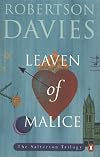
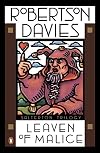
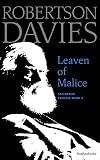
The following announcement appeared in the Salterton Evening Bellman: "Professor and Mrs. Walter Vambrace are pleased to announce the engagement of their daughter, Pearl Veronica, to Solomon Bridgetower, Esq., son of ..." Although the malice that prompted the insertion of this false engagement notice was aimed at three people only-Solly Bridgetower, a junior instructor in English at Waverly University; Pearl Vambrace, the subdued daughter of a domineering professor; and Gloster Ridley, the show more anxiety-ridden editor of the Evening Bellman-the leaven of malice will change permanently, for good or ill, the lives of many of the citizens of Salterton. Robertson Davies jumps at the opportunity this situation provides to create memorable characters and lasting impressions. show lessTags
Recommendations






















Member Recommendations

Member Reviews
De nuevo volvemos al imaginario pueblo de Salterton, en esta la segunda novela de la trilogía que lleva el nombre de tan singular localidad. Si 'A merced de la tempestad' giraba alrededor del mundillo del teatro, con ’Levadura de malicia’ Davies nos da a conocer lo que se cuece en el mundillo periodístico. Todo empieza con un anuncio publicado en el Evening Bellman en el que se comunica el enlace matrimonial entre Pearl Vambrace y Solly Bridgetower, para el 31 de noviembre, lo que resulta ser una broma, incluida la inexistente fecha.
A partir de este anuncio, empezara a enredarse la trama. Mientras que la pareja directamente afectada parece quedarse al margen, no dándole apenas importancia, las dos familias sienten reavivarse show more viejas enemistades, e incluso el periódico tiene las de perder, al ser el que inicio todo el embrollo. La intriga de la novela funciona perfectamente, y el lector también intenta averiguar quién puede ser el autor de tan malicioso anuncio. Aunque en realidad esta intriga es lo de menos, porque lo interesante reside, como ya sucedió en la primera novela de la trilogía, y como es habitual en Davies, en los personajes que nos presenta, algunos ya conocidos (Solly, Pear, el profesor Vambrace, la señora Bridgetower, el organista Cobbler) y otros nuevos (Gloster Ridley, director del Evening Bellman, Shillito, Higgin).
A través de las tramas cruzadas y de la fina ironía de que hace alarde Davies, entramos en conocimiento de los aspectos religiosos, el mundo de la abogacía, el periodístico, así como de los cotilleos que se cuecen en torno a todos los personajes, sin faltar escenas divertidas y disparatadas.
De nuevo he disfrutado muchísimo con esta novela de Davies. Es todo un placer degustar su prosa erudita e irónica. Y es que Davies es un acierto seguro. show less
A partir de este anuncio, empezara a enredarse la trama. Mientras que la pareja directamente afectada parece quedarse al margen, no dándole apenas importancia, las dos familias sienten reavivarse show more viejas enemistades, e incluso el periódico tiene las de perder, al ser el que inicio todo el embrollo. La intriga de la novela funciona perfectamente, y el lector también intenta averiguar quién puede ser el autor de tan malicioso anuncio. Aunque en realidad esta intriga es lo de menos, porque lo interesante reside, como ya sucedió en la primera novela de la trilogía, y como es habitual en Davies, en los personajes que nos presenta, algunos ya conocidos (Solly, Pear, el profesor Vambrace, la señora Bridgetower, el organista Cobbler) y otros nuevos (Gloster Ridley, director del Evening Bellman, Shillito, Higgin).
A través de las tramas cruzadas y de la fina ironía de que hace alarde Davies, entramos en conocimiento de los aspectos religiosos, el mundo de la abogacía, el periodístico, así como de los cotilleos que se cuecen en torno a todos los personajes, sin faltar escenas divertidas y disparatadas.
De nuevo he disfrutado muchísimo con esta novela de Davies. Es todo un placer degustar su prosa erudita e irónica. Y es que Davies es un acierto seguro. show less
The more of Davies' novels you read, the more absurdly pleasant his general worldview becomes, like a landscape painting where the harmony and attraction of each detail increases the more of the vista you see. As you finish each one it becomes almost aggravating that you can't live in his world: a place of enormous good humor, full of interest and mischief, where every evil has been abolished, vices are merely virtues imperfectly expressed, conflicts stem from lapses in authenticity rather than flaws in character, imperfections are cause for affection instead of disdain, each remark is an apothegm, talents are equal to the levels of dreams, love is an honest quest rather than a tournament of degradation, small towns are comforting show more without being confining, and each house and church and school can be loved for what it is, whole and complete in itself. Not that bad things don't occur, or that the usual trials of life are absent, but that at some level everything will turn out all right in the end, and that everyone's actions will be revealed as the honest efforts of well-meaning seekers rather than the ineffectual struggles of hapless motes in a storm.
It's easy to get florid about Davies' writing style, because it's a lot of fun to read, and you get the impression, which is sadly rarer than it should be, that he had a lot of fun writing his books. He's kind of like Wodehouse in that way, but slightly less silly. There's a lot going on in his sentences, but they're written so smoothly you almost don't notice, and he never shades into prolixity. However, more appealing than his sentences are his characters. He's got a way of summing people up while hinting at their broader personalities that makes them very appealing. They're like hilarious stock characters that happen to have been made manifest: the haughty professor, the offbeat psychologist, the solemn newspaper editor, the self-indulgent elderly writer, the over-dutiful priest, the officious lawyer, the irreverent church organist (you didn't know that church organist is an archetype? well apparently it is), and so on. And what makes them most relatable is that they're often fully convinced of their own importance, motivated above all by the need to maintain their dignity and avoid looking foolish, and so they act out of amusingly small-minded spite towards each other on typically mistaken premises.
This novel loosely follows after Tempest-Tost a few years later. A false wedding announcement between Solly Bridgetower and Pearl Vambrace has been placed in The Bellman, Salterton's newspaper, by an unknown person. This leads Pearl's father, Professor Vambrace to attempt to sue the paper, managed by editor Gloster Ridley, to salvage his wounded pride, given that he has nursed a long-standing grudge against the Bridgetower family. This dispute, and the efforts to reveal the mysterious perpetrator of the false annunciation, ends up involving many other characters of interest in the town. After many twists and turns, the culprit is uncovered and Solly and Pearl make an important decision. The plot is well-constructed and funny all the way through, but here were my favorite scenes:
- Ridley confronting the old buffoon writer Swithin Shilito ("What about the barber’s chair; might there not be a few buttocks for Shillito?")
- Professor Vambrace acting like a detective to track down Ridley's residence, for legal research purposes
- the aggressively forced humor of the party that Yarrow the psychologist throws
- Solly Bridgetower making fun of Heavysege, the Important Writer he's supposed to write a thesis on
- the final confrontation at the end, leading to the revelation of the mischief-maker's identity
And you have to resist the temptation to quote endlessly, but here were some of my favorite lines:
"This was, perhaps, the voice of the people, and the voice of the people, no editor is ever permitted to forget, is the voice of God. It was a pity, he reflected, that God's utterances needed such a lot of editorial revision."
"Mr. Shillito loved to watch people reading what he had written, and as he did so he would smile, grunt appreciatively, nod and in other ways indicate enjoyment and admiration until all but the strongest were forced by a kind of spiritual pressure to follow his lead. In his way, the old fellow was a bully; he was so keen in his appreciation of himself and his work that not to join him became a form of discourtesy."
"But all the while he was thinking up crushing retorts which he should have made when the opportunity served. There is nothing worse for the digestion than this, and before he went to bed the Dean took a glass of hot milk and two bismuth tablets."
"It would probably be unjust to Miss Laura Pottinger to describe her as a busybody; she preferred to think of herself as one who possessed a strong sense of her responsibility toward others."
"Gin had come to Dutchy like fire from heaven. At the first swallow she was conscious of that shock of recognition with which psychologists and literary critics are so familiar. It was as though, all her life, she had been dimly aware of the existence of some miraculous essence, some powerful liberating force, some enlightening catalyst, and here it was! It was gin! Why be nervous about being a prof's wife, why worry about a party going well, when gin could make the crooked straight and the rough places plain? Dutchy, as Norm laughingly said, had taken to gin as a duck takes to water."
"If every story has to be a love-story, you'll never have any originality, for a less original creature than a human being in love cannot be found." show less
It's easy to get florid about Davies' writing style, because it's a lot of fun to read, and you get the impression, which is sadly rarer than it should be, that he had a lot of fun writing his books. He's kind of like Wodehouse in that way, but slightly less silly. There's a lot going on in his sentences, but they're written so smoothly you almost don't notice, and he never shades into prolixity. However, more appealing than his sentences are his characters. He's got a way of summing people up while hinting at their broader personalities that makes them very appealing. They're like hilarious stock characters that happen to have been made manifest: the haughty professor, the offbeat psychologist, the solemn newspaper editor, the self-indulgent elderly writer, the over-dutiful priest, the officious lawyer, the irreverent church organist (you didn't know that church organist is an archetype? well apparently it is), and so on. And what makes them most relatable is that they're often fully convinced of their own importance, motivated above all by the need to maintain their dignity and avoid looking foolish, and so they act out of amusingly small-minded spite towards each other on typically mistaken premises.
This novel loosely follows after Tempest-Tost a few years later. A false wedding announcement between Solly Bridgetower and Pearl Vambrace has been placed in The Bellman, Salterton's newspaper, by an unknown person. This leads Pearl's father, Professor Vambrace to attempt to sue the paper, managed by editor Gloster Ridley, to salvage his wounded pride, given that he has nursed a long-standing grudge against the Bridgetower family. This dispute, and the efforts to reveal the mysterious perpetrator of the false annunciation, ends up involving many other characters of interest in the town. After many twists and turns, the culprit is uncovered and Solly and Pearl make an important decision. The plot is well-constructed and funny all the way through, but here were my favorite scenes:
- Ridley confronting the old buffoon writer Swithin Shilito ("What about the barber’s chair; might there not be a few buttocks for Shillito?")
- Professor Vambrace acting like a detective to track down Ridley's residence, for legal research purposes
- the aggressively forced humor of the party that Yarrow the psychologist throws
- Solly Bridgetower making fun of Heavysege, the Important Writer he's supposed to write a thesis on
- the final confrontation at the end, leading to the revelation of the mischief-maker's identity
And you have to resist the temptation to quote endlessly, but here were some of my favorite lines:
"This was, perhaps, the voice of the people, and the voice of the people, no editor is ever permitted to forget, is the voice of God. It was a pity, he reflected, that God's utterances needed such a lot of editorial revision."
"Mr. Shillito loved to watch people reading what he had written, and as he did so he would smile, grunt appreciatively, nod and in other ways indicate enjoyment and admiration until all but the strongest were forced by a kind of spiritual pressure to follow his lead. In his way, the old fellow was a bully; he was so keen in his appreciation of himself and his work that not to join him became a form of discourtesy."
"But all the while he was thinking up crushing retorts which he should have made when the opportunity served. There is nothing worse for the digestion than this, and before he went to bed the Dean took a glass of hot milk and two bismuth tablets."
"It would probably be unjust to Miss Laura Pottinger to describe her as a busybody; she preferred to think of herself as one who possessed a strong sense of her responsibility toward others."
"Gin had come to Dutchy like fire from heaven. At the first swallow she was conscious of that shock of recognition with which psychologists and literary critics are so familiar. It was as though, all her life, she had been dimly aware of the existence of some miraculous essence, some powerful liberating force, some enlightening catalyst, and here it was! It was gin! Why be nervous about being a prof's wife, why worry about a party going well, when gin could make the crooked straight and the rough places plain? Dutchy, as Norm laughingly said, had taken to gin as a duck takes to water."
"If every story has to be a love-story, you'll never have any originality, for a less original creature than a human being in love cannot be found." show less
A few years after the events of Tempest-Tost, Salterton is thrown into chaos by an unexpected announcement in the Engagements column of the local paper. The novel is essentially a farcical campus comedy, and it's not hard to guess where the plot will end up, but of course there is rather more than that going on. Both the central characters in the romantic comedy are trapped in destructive but loving relationships with their parents, and Davies has fun exploring how parents can abuse the loyalty of their grown-up children. Meanwhile, through the character of the editor, Gloster Ridley, Davies, drawing on his own second career, invites us to think about what local newspapers actually do, and why (and incidentally makes it clear that show more "news" is among the least important things in a paper). show less
Grant us so to put away the leaven of malice. Who can separate the leaven from the lump once it has been mixed.
When a fictitious announcement is made in the Salterton Evening Bellman that Solly Bridgetower and Pearl Vambrace are to be married on November 31st, everyone is impacted by the deceit. Professor Vambrace, Pearl's father sees it as a personal attack because, like the Montagues and Capulets, his family and the Bridgetowers have always been at loggerheads. He threatens to sue the Bellman for libel, even though the newspaper is a victim too. Solly and Pearl are not so interested in legal action, their discomfiture is personal. Finally lawyers on both sides seek to discover the identity of "X", the person responsible for the show more humiliation and outrage.
In the 1940s and 1950s, Davies was editor and publisher of the Peterborough Examiner. In reading this book, it is very apparent that he had a lot of fun writing it, especially creating Gloster Ridley, his fictional counterpart. The other characters are equally rich in eccentricity. His writing is intelligent, polished, sprinkled with many clever allusions. Written in 1954 this is as fresh as ever. Highly recommended. show less
When a fictitious announcement is made in the Salterton Evening Bellman that Solly Bridgetower and Pearl Vambrace are to be married on November 31st, everyone is impacted by the deceit. Professor Vambrace, Pearl's father sees it as a personal attack because, like the Montagues and Capulets, his family and the Bridgetowers have always been at loggerheads. He threatens to sue the Bellman for libel, even though the newspaper is a victim too. Solly and Pearl are not so interested in legal action, their discomfiture is personal. Finally lawyers on both sides seek to discover the identity of "X", the person responsible for the show more humiliation and outrage.
In the 1940s and 1950s, Davies was editor and publisher of the Peterborough Examiner. In reading this book, it is very apparent that he had a lot of fun writing it, especially creating Gloster Ridley, his fictional counterpart. The other characters are equally rich in eccentricity. His writing is intelligent, polished, sprinkled with many clever allusions. Written in 1954 this is as fresh as ever. Highly recommended. show less
My renewed love for Davies is confirmed in this, the second volume of the Salterton trilogy. I find Davies' approach to series totally unique, as he creates a new story in the same setting, featuring "secondary" characters, proving that character is undoubtedly a pillar of fiction. We met the Vambraces and Solly Bridgetower in the opening volume, Tempest Tost, as they were all involved with the titular play. This story takes place nearly 3 years after those events, and finds Solly and Pearl, who had barely a passing acquaintance in Tempest, tied together by some kind of prank or joke, which publicly links them in a fictional engagement. Over the course of a week or so, the tempers and lives of those characters, along with several newly show more introduced ones, are revealed, and utterly changed by this event. I also love that the story could be set in any time period, as Davies doesn't note technology or politics or world events that would situate the story in time (though I looked it up, and this particular trilogy was written in the 1950s). It is entirely and unapologetically Canadian though, and knows itself thus, slyly mentioning aspects of the local culture that perhaps only a Canadian would truly understand. His language is descriptive and readable, his stories simple and relatable. Pure love. show less
This very funny novel combines conventions from the romantic comedy, the campus novel, farce, and the detective story to tell a tale of life in a small Canadian city in the middle of the last century. A complicated series of misunderstandings result when an inaccurate engagement announcement appears in the local paper as the result of a prank. Citizens trying to save pride react in hysterically funny, but self-destructive ways. The older generation, still clinging to the last vestiges of Victorian gentility, comes into conflict with a freer younger generation, and a set of provincially Bohemian "artists" simply creates havoc, while at the center of it all, the hard-tried editor of the town newspaper simply tries to do his job as best he show more can. Some of Davies's very pointed humor is, perhaps, a little pat, and a few of his t jabs might seem seem too topical for their context, but overall, a very amusing book on many levels. show less
Second in the Salterton trilogy.
Robertson Davies was one of Canada’s most distinguished writers; he is probably better known for his Deptford and Cornish trilogies than for the Salterton trilogy, but if so, that’s a shame, because he brings to the second book of the Salterton trilogy qualities that aren’t as immediately evident in the others.
Davies was at one time the publisher of a newspaper in a small Canadian university town, just like one of the protagonists in Leaven of Malice, Gloster Ridley. Through Ridley, we see the main characters as only an newspaperman with long experience in such a community can see them, with all their foibles. Davies throughout the book, either through Ridley’s eyes or those of other characters or show more through the narrative brings an absolutely impish sense of humor to bear on these people whom he knows well. However, it is also very clear that while the humor is devastating in depicting the characters, Davies had great affection for all except perhaps one of them. Yes, their behavior is hilarious, but they are human and all are Davies’ friends.
One of the great joys of reading Davies is his elegant prose. The man clearly loved the English language and used it brilliantly. I’m always tempted to describe his writing as “old-fashioned” but am afraid that somehow that would give the impression of out-dated or stiff. it is anything but. It’s formal, yes, but flows beautifully and wastes not a single word. He wrote in something more complex than the simple declarative sentence that is much the current style, and he was able to use multiple points of view--without having to resort to the first person, as so many authors do today. The result is refreshing, the English language at its best and most accessible.
It’s not necessary to read the first book to enjoy this, the second.
Highly recommended. show less
Robertson Davies was one of Canada’s most distinguished writers; he is probably better known for his Deptford and Cornish trilogies than for the Salterton trilogy, but if so, that’s a shame, because he brings to the second book of the Salterton trilogy qualities that aren’t as immediately evident in the others.
Davies was at one time the publisher of a newspaper in a small Canadian university town, just like one of the protagonists in Leaven of Malice, Gloster Ridley. Through Ridley, we see the main characters as only an newspaperman with long experience in such a community can see them, with all their foibles. Davies throughout the book, either through Ridley’s eyes or those of other characters or show more through the narrative brings an absolutely impish sense of humor to bear on these people whom he knows well. However, it is also very clear that while the humor is devastating in depicting the characters, Davies had great affection for all except perhaps one of them. Yes, their behavior is hilarious, but they are human and all are Davies’ friends.
One of the great joys of reading Davies is his elegant prose. The man clearly loved the English language and used it brilliantly. I’m always tempted to describe his writing as “old-fashioned” but am afraid that somehow that would give the impression of out-dated or stiff. it is anything but. It’s formal, yes, but flows beautifully and wastes not a single word. He wrote in something more complex than the simple declarative sentence that is much the current style, and he was able to use multiple points of view--without having to resort to the first person, as so many authors do today. The result is refreshing, the English language at its best and most accessible.
It’s not necessary to read the first book to enjoy this, the second.
Highly recommended. show less
Members
- Recently Added By
Published Reviews
ThingScore 75
"his writing is full of zest, wit and urbanity. The soundness of his moral is apparent."
added by GYKM
Lists

Books Read in 2016
4,666 works; 199 members
Talk Discussions
Past Discussions
Davies - The Salterton Trilogy in Literary Centennials (December 2012)
Author Information

89+ Works 24,788 Members
William Robertson Davies was born in Thamesville, Ontario in 1913. He taught English at the University of Toronto and was an actor, journalist, and newspaper editor before winning acclaim as a novelist with Tempest-Tost, the first of his Salterton trilogy. His most famous trilogy, The Deptford Trilogy--Fifth Business, The Manticore, and World of show more Wonders--develops the earlier Salterton novels. The locale is a fictitious Ontario city that prizes its English tradition, including the Anglican Church and the genealogy of the old families. Robertson's novels have been translated into approximately 20 languages. His masterful story-telling encompasses such issues as evil, love, fear, tradition, and magic as he brings his characters to life with wisdom and humor. Robertson Davies died in 1995. (Bowker Author Biography) Robertson Davies (1913-1995) had three successive careers during the time he became an internationally acclaimed author: first as an actor with the Old Vic Company in England; then as publisher of "The Peterborough Ontario Examiner"; & finally as professor & first master of Massey College at the University of Toronto. With twelve novels & several volumes of essays & plays to his credit, Davies was the first Canadian to be inducted to the American Academy & Institute of Arts & Letters. His last novel, "The Cunning Man" (Viking 1995), was a national bestseller. (Publisher Provided) show less
Some Editions
Awards and Honors
Series

Work Relationships
Is contained in
Common Knowledge
- Canonical title
- Leaven of Malice
- Original publication date
- 1954
- Important places
- Ontario, Canada
- Epigraph
- Grant us to put away the leaven of malice and wickedness that we may always serve Thee in pureness of living and truth
The Prayer Book - First words
- It was on the 31st of October that the following announcement appeared under "Engagements", in the Salterton Evening Post.
- Last words
- (Click to show. Warning: May contain spoilers.)Face? No, no; he felt that it was the least that he could do.
Classifications
Statistics
- Members
- 626
- Popularity
- 46,720
- Reviews
- 25
- Rating
- (3.89)
- Languages
- English, Spanish
- Media
- Paper, Audiobook, Ebook
- ISBNs
- 22
- ASINs
- 15