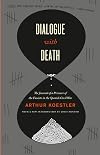
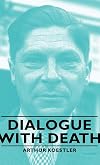
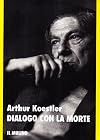
Dialogue with Death: The Journal of a Prisoner of the Fascists in the Spanish Civil War
by Arthur Koestler
On This Page
Description
"In 1937, while working for the London News Chronicle as a correspondent with the loyalist forces in the Spanish Civil War, I was captured by General Franco's troops and held for several months in solitary confinement, witnessing the executions of my fellow-prisoners and awaiting my own. [This book] is an account of that experience written immediately after my release, in July-August, 1937 ... My principal interest in writing [this book] was an introspective one : the psychological impact of show more the condemned cell. From this view point, the political background was irrelevant, and the narrative, as far as it went, was the truthful account of an intimate experience"--Pref. to the Danube ed. show lessTags
Recommendations




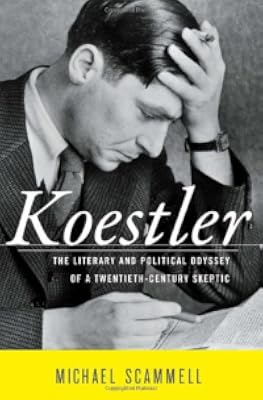


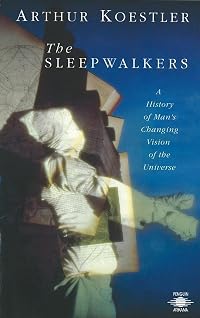


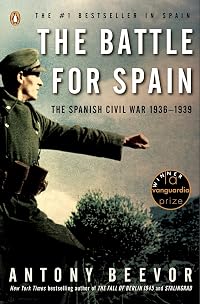

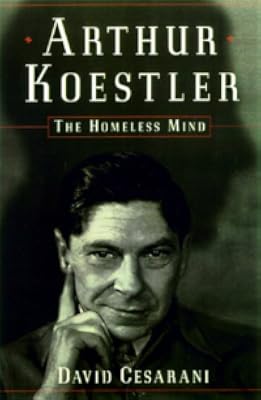











Member Recommendations
Member Reviews
"-Menj a pokolba - ismétli X. (Most már halott. Nyolcvan százaléka mindazoknak, akik ebben a történetben szerepelnek, most már halott.)"
Ha van valami értelme az olyan idióta rezsimeknek, mint Francóé, az talán annyi, hogy jó tollú íróknak adnak lehetőséget remek börtönregények megírására. Koestler 1937-ben Mallagában mint tudósító kerül a fallangista lázadók kezére, és onnantól kezdve jó fél évig (javarészt magánzárkában) élvezi azok vendégszeretetét. Angolként nyilván privilegizált helyzetben van: amíg egy mezei milicistát különösebb tépelődés nélkül állítanak falhoz, addig vele óvatosabban bánnak, nem lövik agyon, nem kínozzák meg, nem "csutakolják le" (ami a show more börtönszlengben az üdvözlő jellegű félholtra verés fedőneve). Egy Gulag-regényeken szocializálódott olvasó persze erre csak megvetően ciccegne, "Ugyan már!" - így ő - "Jössz itt nekünk a szanatóriumi élményeiddel!" De Koestler munkájában épp az a pláne, hogy fantasztikusan ragadja meg azt a semmibe vetettséget, ami a fogság (különösen a magánzárkával fűszerezett fogság) legfőbb ismertetőjele.
A fogság ugyanis azt jelenti, hogy durván kitépnek az időből. Belépsz a celládba, írnál valamit, de nincs papír. "Le kéne ugrani a boltba" - gondolod - "És akkor már a trafikba is." Aztán eszedbe jut, hogy be vagy zárva. Magad vagy, egyedül birkózol az idővel. Azt hitted, tudod, mi az unalom? Nem, nem tudtad. Olyan események, amelyek addig jelentéktelennek tűnnek, órákra elfoglalják az agyadat. Egy poloska az ágyon. A börtönőr mintha ma barátságosabb lett volna. Kapaszkodsz, amibe csak lehet. Egy könyv ilyenkor - isteni kegyelem. Amikor kiengednek az udvarra - a létezés majálisa. Ha legalább tudnád, mikor lenne vége, hogyan lenne vége, visszaszámolhatnál. De nem tudod. Lehet, ott fenn tudják, hogy téged nem lőnek agyon, de ezt veled természetesen nem közlik. A kaszás pedig éjjelente bekopog a melletted lévő cellákba, jobbról is, balról is viszi a szomszédaidat az osztag elé. Lehet, holnap - akár tévedésből - érted kopog majd. Vagy nem ő jön, hanem a kegyelmi végzés. Honnan tudhatnád?
Hiteles, erős szöveg. Van hajlama a moralizálásra, a filozofálásra, de Koestler írói tehetségét jelzi, hogy pontosan tudja, mi nem igényel kommentárt. Amikor éjjel nyílik a cellád kémlelőnyílása, és halljuk a fegyőr hangját ("Ezt nem"), azt nem is kell, nem is lehet magyarázni. show less
Ha van valami értelme az olyan idióta rezsimeknek, mint Francóé, az talán annyi, hogy jó tollú íróknak adnak lehetőséget remek börtönregények megírására. Koestler 1937-ben Mallagában mint tudósító kerül a fallangista lázadók kezére, és onnantól kezdve jó fél évig (javarészt magánzárkában) élvezi azok vendégszeretetét. Angolként nyilván privilegizált helyzetben van: amíg egy mezei milicistát különösebb tépelődés nélkül állítanak falhoz, addig vele óvatosabban bánnak, nem lövik agyon, nem kínozzák meg, nem "csutakolják le" (ami a show more börtönszlengben az üdvözlő jellegű félholtra verés fedőneve). Egy Gulag-regényeken szocializálódott olvasó persze erre csak megvetően ciccegne, "Ugyan már!" - így ő - "Jössz itt nekünk a szanatóriumi élményeiddel!" De Koestler munkájában épp az a pláne, hogy fantasztikusan ragadja meg azt a semmibe vetettséget, ami a fogság (különösen a magánzárkával fűszerezett fogság) legfőbb ismertetőjele.
A fogság ugyanis azt jelenti, hogy durván kitépnek az időből. Belépsz a celládba, írnál valamit, de nincs papír. "Le kéne ugrani a boltba" - gondolod - "És akkor már a trafikba is." Aztán eszedbe jut, hogy be vagy zárva. Magad vagy, egyedül birkózol az idővel. Azt hitted, tudod, mi az unalom? Nem, nem tudtad. Olyan események, amelyek addig jelentéktelennek tűnnek, órákra elfoglalják az agyadat. Egy poloska az ágyon. A börtönőr mintha ma barátságosabb lett volna. Kapaszkodsz, amibe csak lehet. Egy könyv ilyenkor - isteni kegyelem. Amikor kiengednek az udvarra - a létezés majálisa. Ha legalább tudnád, mikor lenne vége, hogyan lenne vége, visszaszámolhatnál. De nem tudod. Lehet, ott fenn tudják, hogy téged nem lőnek agyon, de ezt veled természetesen nem közlik. A kaszás pedig éjjelente bekopog a melletted lévő cellákba, jobbról is, balról is viszi a szomszédaidat az osztag elé. Lehet, holnap - akár tévedésből - érted kopog majd. Vagy nem ő jön, hanem a kegyelmi végzés. Honnan tudhatnád?
Hiteles, erős szöveg. Van hajlama a moralizálásra, a filozofálásra, de Koestler írói tehetségét jelzi, hogy pontosan tudja, mi nem igényel kommentárt. Amikor éjjel nyílik a cellád kémlelőnyílása, és halljuk a fegyőr hangját ("Ezt nem"), azt nem is kell, nem is lehet magyarázni. show less
George Orwell thought Koestler's memoir of imprisonment under Franco's regime was one of the best, if not the best, book in English about the Spanish Civil War. Since Orwell's memoir of that war is a classic, I thought I ought to read Koestler's book. I did and I am not disappointed at all. This goes on my shelf with Wole Soyinka's "The Man Died" as one of the best prison memoirs I've read. Koestler had experienced what he wrote about in his novel "Darkness at Noon".
Mr Koestler wrote this memoir about his time in Franco's rebel prisons in 1937, having been detained after the fall of Malaga. His focus was on waiting to die, and how it influences the resultant day-to-day living. While he did survive, many in the prisons with him did not, a black mark on the West to this day.
Arthur Koestler verblijft in 1937 als journalist in Malaga op het moment dat de stad door het leger van Franco wordt ingenomen. Omdat hij een aantal pro-republikeinse artikelen en boeken op zijn naam heeft staan, wordt hij gearresteerd en op beschuldiging van spionage ter dood veroordeeld. In de gevangenis –eerst in Malaga, later in Sevilla- wacht hij samen met honderden lotgenoten op de voltrekking van zijn vonnis.
Koestler’s beschrijving van zijn drie maanden in de dodencel is wars van sentimentaliteit, soms humoristisch maar vooral rücksichtslos eerlijk. Zijn psychologische transformatie van vrije burger naar gevangene en overlevingsmachine komt aan bod, evenals de ontoereikendheid van taal wanneer het er echt op aankomt: show more “whenever life is at its most dramatic, it is least able to escape the commonplace. At the so called great moments of life, we all behave like characters in a penny novelette. The virtue of the word lies in the sphere of abstractions; before the concrete and tangible language pales.”
De meest beklijvende passages uit het boek zijn die waarin hij beschrijft hoe nacht na nacht ter dood veroordeelden uit hun cel worden gehaald en meegenomen om te worden geëxecuteerd..
“I had gone to sleep, and I woke up shortly before midnight. In the black silence of the prison, charged with the nightmares of thirteen hundred sleeping men, I heard the murmured prayer of a priest and the ringing of the sanctus bell.
Then a cell door was opened, and a name was softly called out. “Qué?”—What is the matter—asked a sleepy voice, and the priest’s voice grew clearer and the bell rang louder.
And now the drowsy man understood. At first he only groaned; then in a dull voice he called for help: “Socorro, socorro.”
“Hombre, there is no help for you”, said the warden who accompanied the priest.
En bij de volgende cel:
Again, “Qué?” And again the prayer and the bell. This one sobbed and whimpered like a child. Then he cried out for his mother: “Madre, madre!”
And again: “Madre, madre!”
Koestler zelf ontsnapt uiteindelijk aan de dood doordat zijn echtgenote en zijn werkgever (niemand minder dan William Randolph Hearst) een internationale campagne op gang brengen om hem vrij te krijgen. Bij terugkeer zet hij zijn ervaringen bijna onmiddellijk op papier. Twintig jaar later laat hij een herdruk voorafgaan door een kort voorwoord waarin hij afstand neemt van die delen van het boek waaruit zijn communistische sympathieën blijken –Koestler is dan al vele jaren van zijn geloof gevallen- maar van de tekst zelf blijft hij gelukkig af. show less
Koestler’s beschrijving van zijn drie maanden in de dodencel is wars van sentimentaliteit, soms humoristisch maar vooral rücksichtslos eerlijk. Zijn psychologische transformatie van vrije burger naar gevangene en overlevingsmachine komt aan bod, evenals de ontoereikendheid van taal wanneer het er echt op aankomt: show more “whenever life is at its most dramatic, it is least able to escape the commonplace. At the so called great moments of life, we all behave like characters in a penny novelette. The virtue of the word lies in the sphere of abstractions; before the concrete and tangible language pales.”
De meest beklijvende passages uit het boek zijn die waarin hij beschrijft hoe nacht na nacht ter dood veroordeelden uit hun cel worden gehaald en meegenomen om te worden geëxecuteerd..
“I had gone to sleep, and I woke up shortly before midnight. In the black silence of the prison, charged with the nightmares of thirteen hundred sleeping men, I heard the murmured prayer of a priest and the ringing of the sanctus bell.
Then a cell door was opened, and a name was softly called out. “Qué?”—What is the matter—asked a sleepy voice, and the priest’s voice grew clearer and the bell rang louder.
And now the drowsy man understood. At first he only groaned; then in a dull voice he called for help: “Socorro, socorro.”
“Hombre, there is no help for you”, said the warden who accompanied the priest.
En bij de volgende cel:
Again, “Qué?” And again the prayer and the bell. This one sobbed and whimpered like a child. Then he cried out for his mother: “Madre, madre!”
And again: “Madre, madre!”
Koestler zelf ontsnapt uiteindelijk aan de dood doordat zijn echtgenote en zijn werkgever (niemand minder dan William Randolph Hearst) een internationale campagne op gang brengen om hem vrij te krijgen. Bij terugkeer zet hij zijn ervaringen bijna onmiddellijk op papier. Twintig jaar later laat hij een herdruk voorafgaan door een kort voorwoord waarin hij afstand neemt van die delen van het boek waaruit zijn communistische sympathieën blijken –Koestler is dan al vele jaren van zijn geloof gevallen- maar van de tekst zelf blijft hij gelukkig af. show less
Jul 21, 2009Dutch
Ratings
Members
- Recently Added By
Author Information

119+ Works 13,150 Members
Arthur Koestler was born on September 5, 1905 in Budapest, Hungary and studied at the University of Vienna. Koestler was a Middle East correspondent for several German newspapers, wrote for the Manchester Guardian, the London Times and the New York Herald Tribune. Koestler wrote Darkness at Noon, which centers on the destructiveness of politics, show more The Act of Creation, a book about creativity, and The Ghost in the Machine, which bravely attacks behaviorism. Arthur Koestler died in London on March 3, 1983. (Bowker Author Biography) show less
Some Editions
Series
Belongs to Publisher Series
Work Relationships
Is contained in
Common Knowledge
- Original title
- Dialogue with Death
- Alternate titles*
- A Spanish Testament
- Original publication date
- 1942
- Important events*
- Spaanse Burgeroorlog
- Disambiguation notice
- "In all foreign editions, including the American, Dialogue with Death appeared as a self-contained book. In the original English edition, however (Gollancz and Left Book Club, 1937), it formed the second part of Spanish Testa... (show all)ment the first part of which consisted of the earlier propaganda book on Spain that I had written for Muenzenberg. Spanish Testament is (and shall remain) out of print; Dialogue with Death has been reissued in England under that title, in the form in which it was originally written"
*Some information comes from Common Knowledge in other languages. Click "Edit" for more information.
Classifications
- Genres
- Biography & Memoir, Nonfiction, History
- DDC/MDS
- 946.081 — History & geography History of Europe Spain & Portugal Spain Second Republic; Dictatorship; Juan Carlos I; Felipe VI 1931- Second Republic; Spanish Civil War
- LCC
- DP269.9 .K613 — History of Europe, Asia, Africa and Oceania Spain – Portugal History of Spain History By period Modern Spain, 1479/1516- 20th century. 1886- Second Republic, 1931-1939 Civil War, 1936-1939
- BISAC
Statistics
- Members
- 222
- Popularity
- 147,254
- Reviews
- 4
- Rating
- (4.08)
- Languages
- 9 — Danish, English, French, German, Hungarian, Italian, Farsi/Persian, Spanish, Swedish
- Media
- Paper, Ebook
- ISBNs
- 24
- ASINs
- 18