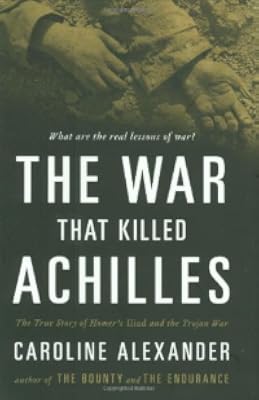
The War That Killed Achilles: The True Story of Homer's Iliad and the Trojan War
by Caroline Alexander
On This Page
Description
Many have forgotten that the subject of the "Illiad" was war--not merely the poetical romance of the war at Troy, but war, in all its enduring devastation. This groundbreaking reading of Homer's epic poem restores the poet's vision of the tragedy of war, addressing many of the central questions that define the war experience of every age.Tags
Recommendations

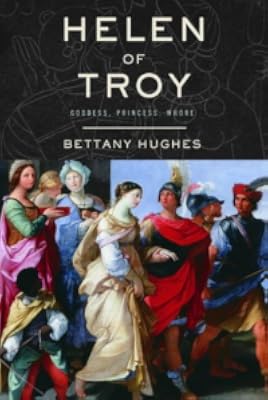
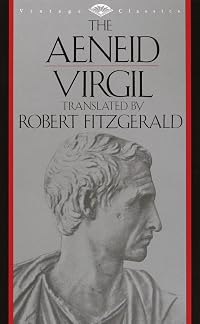
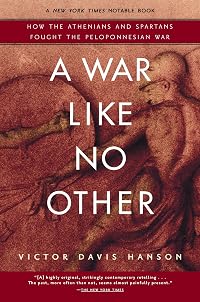
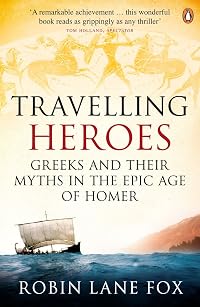

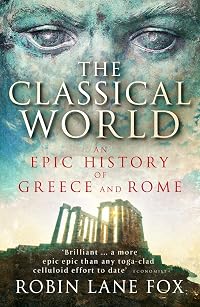
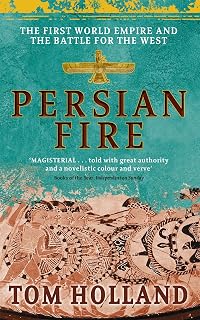
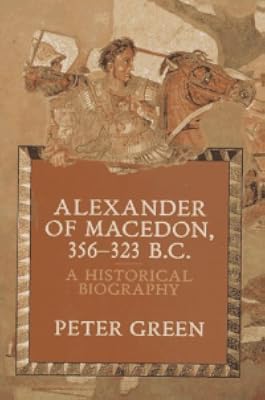
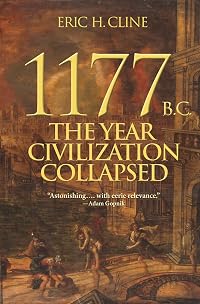

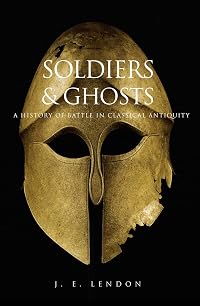
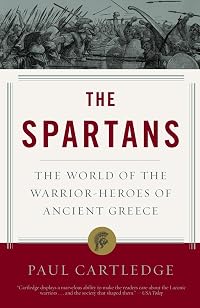
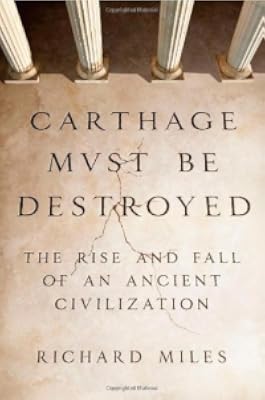

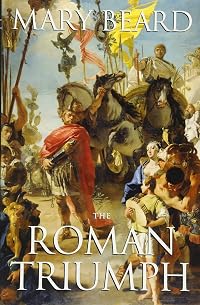

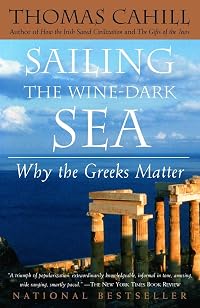
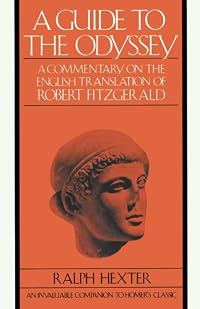
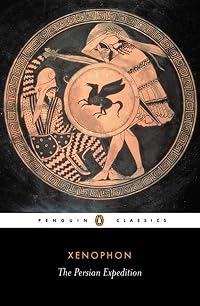
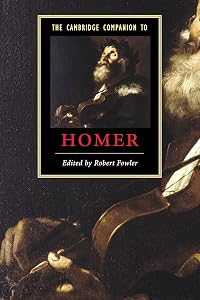
Member Recommendations

librorumamans An older, book-by-book companion to Homer's poem that opens up the richness of that work by its close, yet highly readable, analysis of the events, the themes, and the structure of the Iliad. With Owen's book in hand, you will come to understand why the Iliad holds such a place in Western literature.
Member Reviews
Caroline Alexander has written a book that briefly explores what Homer's Iliad is all about and what the epic poem tells us about war. This is not a translation of the Iliad, nor a history of the war, with archaeological evidence etc, so the sub-title is misleading. It is simply a description of the epic poem (with quotes) follwed by the author's commentary and analysis. The writing is clear and the author's arguments and observations easy to follow. Alexander also includes additional historical details to help add context to the story. An especially interesting aspect is what the Iliad has to "say" about the psychological effects of this war on the humans involved, and how this is still relevant today. I found this to be an interesting show more and thoughtful examination of the Iliad and the characters mentioned in the epic. However, it would have been wonderful if Caroline Alexander had decided to explore some of the themes more fully. show less
I've read the Iliad several times and return to it often. Although knowledge of the context from which the work arose increases my appreciation, bloodless academic commentary has the opposite effect. In this book, Ms. Alexander combines broad knowledge with deep feeling and considerable craft to present a sympathetic, modern understanding of Achilles' (and our) situation in the world. Granted she's opinionated about the nature of war but I generally agree that it destroys both the victors and the vanquished and nothing good comes from it, so I can live with that.
Highly recommended.
Highly recommended.
It was such a human story, this Iliad. An epic of people, in the midst of war.
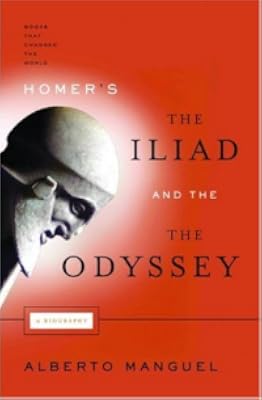
That is what Caroline Alexander thinks as well. To her, the Iliad is first and foremost a story of war. Unlike Alberto Manguel, who looks outward from the Iliad to its influences in western literature, Alexander’s The War That Killed Achilles stays focused on the epic, and illuminates it from within. It is a remarkable work that goes book by book, scene by scene, and sometimes even verse by verse through the story, without ever becoming academic or tedious in its analysis.
In Alexander’s eyes, then, the Iliad is not a story about gods and men fighting over a beautiful woman. It is an account of a military engagement, where the leaders are sometimes show more incompetent and greedy (Agamemnon) or frail and indecisive (Priam). Where the cause is something that no one on either side really believes is worth fighting for, much less dying for. And it is a war where the heroes on the battlefield never wanted to be there in the first place. Hector, “breaker of horses,” is a herdsman first, and warrior only by necessity. And Achilles never swore any oath to defend Helen, or holds any grudge against Troy. He wants to go home to care for his aged father.
Despite the reluctance on all sides, however, hubris and greed drive the war forward and tragedy for both sides is inevitable. For a Greek epic about a great Greek victory, Alexander notes, the Iliad is remarkably even-handed in the way it portrays both the victors and the losers. The Greeks aren’t always noble or heroic. The Trojans are neither cowardly nor evil. The war they are both caught up in isn’t a cause to be won, but a disaster to be endured. Even the name of the story—Iliad—is a reference to Troy, or Ilium, not anything Greek.
Alexander spends some time in her analysis tracing the traditions of the heroic epic and pointing out the ways in which the Iliad often turns tradition on its head. She notes, for example, that Achilles—the hero of this particular story—is an unheroic example of a traditional hero. He is on the brink of leaving for home when the epic begins, and in fact spends most of the Iliad “sulking” in his tent, nursing his wounded feelings. It takes his best friend dying in battle in his name to get Achilles out on the battlefield. And Alexander points out that for a story about a great battle that embroiled both men and gods, the Iliad is distinctly free of “magic.” There is no suggestion, for example, of Achilles being invincible except for his vulnerable heel. The son of a mortal man and an immortal goddess, he is never once regarded as magically protected or invincible. In fact, the most common epithet used to describe him, after “fleet-footed,” is “short-lived.” And with the exception of one brief moment of a talking horse, the supposed intervention of the gods in the battle is always done in subtle, not miraculous ways. They cause arrows to deflect and bridles to snap. They come in the guise of friends and brothers of the warriors and whisper suggestions in the ears of the unsuspecting men.
Punctuating her interpretation with fascinating notes about specific linguistic references or archaeological asides (an analysis of various death-in-battle scenes show that Homer, apparently, knew where the major organs were but not what they were for) Alexander’s The War That Killed Achilles places the epic squarely within a literary and folk tradition of hero stories and while marking the many almost revolutionary ways it departs from both. Heroes who aren’t heroic. Gods who are capricious and unjust. Enemies who are noble. Kings who are cowards. Considered in this light, the Iliad becomes a compellingly modern story about war. Read full review show less
That is what Caroline Alexander thinks as well. To her, the Iliad is first and foremost a story of war. Unlike Alberto Manguel, who looks outward from the Iliad to its influences in western literature, Alexander’s The War That Killed Achilles stays focused on the epic, and illuminates it from within. It is a remarkable work that goes book by book, scene by scene, and sometimes even verse by verse through the story, without ever becoming academic or tedious in its analysis.
In Alexander’s eyes, then, the Iliad is not a story about gods and men fighting over a beautiful woman. It is an account of a military engagement, where the leaders are sometimes show more incompetent and greedy (Agamemnon) or frail and indecisive (Priam). Where the cause is something that no one on either side really believes is worth fighting for, much less dying for. And it is a war where the heroes on the battlefield never wanted to be there in the first place. Hector, “breaker of horses,” is a herdsman first, and warrior only by necessity. And Achilles never swore any oath to defend Helen, or holds any grudge against Troy. He wants to go home to care for his aged father.
Despite the reluctance on all sides, however, hubris and greed drive the war forward and tragedy for both sides is inevitable. For a Greek epic about a great Greek victory, Alexander notes, the Iliad is remarkably even-handed in the way it portrays both the victors and the losers. The Greeks aren’t always noble or heroic. The Trojans are neither cowardly nor evil. The war they are both caught up in isn’t a cause to be won, but a disaster to be endured. Even the name of the story—Iliad—is a reference to Troy, or Ilium, not anything Greek.
Alexander spends some time in her analysis tracing the traditions of the heroic epic and pointing out the ways in which the Iliad often turns tradition on its head. She notes, for example, that Achilles—the hero of this particular story—is an unheroic example of a traditional hero. He is on the brink of leaving for home when the epic begins, and in fact spends most of the Iliad “sulking” in his tent, nursing his wounded feelings. It takes his best friend dying in battle in his name to get Achilles out on the battlefield. And Alexander points out that for a story about a great battle that embroiled both men and gods, the Iliad is distinctly free of “magic.” There is no suggestion, for example, of Achilles being invincible except for his vulnerable heel. The son of a mortal man and an immortal goddess, he is never once regarded as magically protected or invincible. In fact, the most common epithet used to describe him, after “fleet-footed,” is “short-lived.” And with the exception of one brief moment of a talking horse, the supposed intervention of the gods in the battle is always done in subtle, not miraculous ways. They cause arrows to deflect and bridles to snap. They come in the guise of friends and brothers of the warriors and whisper suggestions in the ears of the unsuspecting men.
Punctuating her interpretation with fascinating notes about specific linguistic references or archaeological asides (an analysis of various death-in-battle scenes show that Homer, apparently, knew where the major organs were but not what they were for) Alexander’s The War That Killed Achilles places the epic squarely within a literary and folk tradition of hero stories and while marking the many almost revolutionary ways it departs from both. Heroes who aren’t heroic. Gods who are capricious and unjust. Enemies who are noble. Kings who are cowards. Considered in this light, the Iliad becomes a compellingly modern story about war. Read full review show less
Mostly straightforward literary discussion of The Iliad, and quite interesting, with speculation on potential authors based on textual analysis (i.e., Homer vs. somebody else); speculation on the dates and times of various sections and added or omitted material (for example, that there should be a “catalogue of horses” after the “catalogue of ships”), and links to older works (is the relationship between Achilles and Patroklos based on the relationship between Gilgamesh and Enkidu?). In this last case, author Caroline Alexander notes that Achilles, being raised in the wild by a centaur, is more like Enkidu than like Gilgamesh. The Iliad, of course, is a world literary treasure and reading this discussion is well worth it; show more however I found myself just as interested in Alexander’s historical and archaeological notes.
This historicity of the Trojan War was a subject of much debate among archaeologists, until Heinrich Schliemann came along and demonstrated a site that fit the descriptions for Homer and Virgil. Unfortunately, Schliemann was more of a looter than an archaeologist, and the fact that he was right about the location of Troy didn’t do much to endear him to the professionals, nor did the fact that he smuggled a lot of gold jewelry out of the Ottoman Empire, which didn’t make things easy for subsequent archaeologists). (The jewelry - dubbed “Priam’s Treasure” by Schliemann but at least 1000 years too early - disappeared from Berlin in 1945. In 1993, to no one’s particular surprise, it turned up at the Pushkin Museum in Moscow. The Russians have not expressed a great deal of enthusiasm about giving it back). Schliemann was wrong about the specific stratum identified as the Homeric Troy (Schliemann thought Troy II; turned out to be Troy VI). However, the archaeological world now agrees that yes, there was a city called “Ilios” in the Bronze Age and “Troy” later, and that yes, something unpleasant happened to it. A lot of cities were destroyed at the end of the Bronze Age, but the destruction layer at Troy VI is somewhat earlier than that (about 1250 BCE). Troy seems to have been a Hittite tributary/dependency/something; Hittite documents refer to “Wilusa” and there’s a fragment of a cuneiform letter from Hittite king Hattusili II to an unnamed Great King of “Ahhiyawa” concerning some sort of issue over “Wilusa”. The general archaeological consensus is “Ahhiyawa” is “Achaea” and “Wilusa” is “Ilios” (strengthened by the fact that the “W/digamma” had dropped out of the Greek language by Homer’s time; apparently there’s a few verses in The Iliad that work better metrically if an initial digamma is assumed – suggesting those verses are older than Homer). There’s another letter (dated to around 1300 BCE) from Hittite king Muwattalli II binding the king of “Wilusa” and his descendants to a treaty; the Wilusan king is named Alaksandu – and Alexandros is an alternate name for Paris in The Iliad (it’s also definitely Greek, which raises the question why a Hittite king was dealing with a Greek ruler of Troy). Homer refers to a people living around Troy – and sometimes the Trojans themselves - as the “Dardanoi”, anglicized to “Dardanians”; among the allies of the Hittites against Ramses II at the battle of Kadesh (around 1275 BCE) was “He of Dardany”. Lots of fruit for speculation if you allow a little creative etymology.
There’s an endpaper map that shows the ancient and modern shorelines around Troy, but no other illustrations. The endnotes are extensive and voluminous; the suggested reading list is, like the bulk of the text, focused on the literature rather than the history but there’s enough to go on if you’re interested. show less
This historicity of the Trojan War was a subject of much debate among archaeologists, until Heinrich Schliemann came along and demonstrated a site that fit the descriptions for Homer and Virgil. Unfortunately, Schliemann was more of a looter than an archaeologist, and the fact that he was right about the location of Troy didn’t do much to endear him to the professionals, nor did the fact that he smuggled a lot of gold jewelry out of the Ottoman Empire, which didn’t make things easy for subsequent archaeologists). (The jewelry - dubbed “Priam’s Treasure” by Schliemann but at least 1000 years too early - disappeared from Berlin in 1945. In 1993, to no one’s particular surprise, it turned up at the Pushkin Museum in Moscow. The Russians have not expressed a great deal of enthusiasm about giving it back). Schliemann was wrong about the specific stratum identified as the Homeric Troy (Schliemann thought Troy II; turned out to be Troy VI). However, the archaeological world now agrees that yes, there was a city called “Ilios” in the Bronze Age and “Troy” later, and that yes, something unpleasant happened to it. A lot of cities were destroyed at the end of the Bronze Age, but the destruction layer at Troy VI is somewhat earlier than that (about 1250 BCE). Troy seems to have been a Hittite tributary/dependency/something; Hittite documents refer to “Wilusa” and there’s a fragment of a cuneiform letter from Hittite king Hattusili II to an unnamed Great King of “Ahhiyawa” concerning some sort of issue over “Wilusa”. The general archaeological consensus is “Ahhiyawa” is “Achaea” and “Wilusa” is “Ilios” (strengthened by the fact that the “W/digamma” had dropped out of the Greek language by Homer’s time; apparently there’s a few verses in The Iliad that work better metrically if an initial digamma is assumed – suggesting those verses are older than Homer). There’s another letter (dated to around 1300 BCE) from Hittite king Muwattalli II binding the king of “Wilusa” and his descendants to a treaty; the Wilusan king is named Alaksandu – and Alexandros is an alternate name for Paris in The Iliad (it’s also definitely Greek, which raises the question why a Hittite king was dealing with a Greek ruler of Troy). Homer refers to a people living around Troy – and sometimes the Trojans themselves - as the “Dardanoi”, anglicized to “Dardanians”; among the allies of the Hittites against Ramses II at the battle of Kadesh (around 1275 BCE) was “He of Dardany”. Lots of fruit for speculation if you allow a little creative etymology.
There’s an endpaper map that shows the ancient and modern shorelines around Troy, but no other illustrations. The endnotes are extensive and voluminous; the suggested reading list is, like the bulk of the text, focused on the literature rather than the history but there’s enough to go on if you’re interested. show less
This is an excellent book to read in conjunction with your latest rereading of Homer's Iliad, which is just what I have recently done. Caroline Alexander manages to emphasize the relevance of the Iliad for today by exploring references to other literature and deepening the meanings found within the Iliad by the reader. While Homer's epic stands alone for the serious reader, the addition of these resources widens the breadth of possibilities of understanding for the reader and, in my case, assisted in our discussion of the original text among our study group. What Ms. Alexander has not done is produce a traditional work of Homeric scholarship with commentary on linguistic expressions or the oral tradition. Rather this is more of an show more extended meditation on war and its meaning as beautifully expressed by Homer through Achilles and his other characters. The result is a successful addition to your reading and enjoyment of Homer but not a replacement for it. show less
For many years, I have loved and admired Homer’s Odyssey. I never spent much time soaking up The Iliad, because the war and violence depicted never held much interest for me. However, Alexander’s excellent commentary on The Iliad, has completely changed my view of this great epic.
A professor once said, “There is only one story, and that is The Odyssey. All other stories flow from it.” At first, I thought this implausible, but the more I read, the more parallels I began to notice. Joseph Campbell’s monumental work The Hero with a Thousand Faces enlightened me further – not only to The Odyssey, but to many other pieces of literature from all cultures and time periods.
My world lit class took up Iliad this semester, and I show more decided to read this book to add something to the discussion. Not only did I completely enjoy this well-written and thoroughly documented book, but I greatly increased my knowledge of The Iliad and The Odyssey. I now see these two foundations of western literature as mirror images of each other, as well as complimentary windows into the worlds of the Achaeans and Trojans.
The Odyssey focuses on one main male character with a host of interesting, alluring, and powerful women. I have always loved the stories of Kalypso, Circe, and Nausicaa – not to forget “the grey-eyed Goddess, Athena. The Iliad, on the other hand centers on three women – Helen of Greece, Andromache, the wife of Hector, and Breseis, cousin of Hector. The rest of the women are all in the background, and Achilles and many warriors and kings provide important elements that move the plot.
In addition to Achilles strong anti-war stance, his anger at Agamemnon’s seizure of Breseis – a prize he won in the initial battle before the walls of Troy -- provides the dramatic conflict which threatens the invading army of Acheans.
Alexander also draws some interesting parallels with the 20th century. Achilles says,
“I for my part did not come here for the sake of the Trojan
spearmen to fight against them, since to me they have done nothing.
Never yet have they driven away my cattle or my horses,
never in Phthia where the soil is rich and men grow great did they
spoil my harvest, since indeed there is much that lies between us,
the shadowy mountains and the echoing sea” (20).
Alexander then quotes the words of Muhammad Ali when he refused to submit to the draft, claiming the Viet Cong had never done him any harm (21).
Throughout the book, Alexander highlights the absurdity of war, and even though the men fight for glory, Homer tells us there is no glory in dying. She brings home the real lessons of war. She describes what Achilles believes, “Life is more precious than glory; this is the unheroic truth disclosed by the greatest warrior at Troy… glory…is achieved through heroic poetry, in other words, through epic” (98).
This book belongs on my desert island shelf along with my copies of The Odyssey and The Iliad. 5 stars
--Jim, 3/2/12 show less
A professor once said, “There is only one story, and that is The Odyssey. All other stories flow from it.” At first, I thought this implausible, but the more I read, the more parallels I began to notice. Joseph Campbell’s monumental work The Hero with a Thousand Faces enlightened me further – not only to The Odyssey, but to many other pieces of literature from all cultures and time periods.
My world lit class took up Iliad this semester, and I show more decided to read this book to add something to the discussion. Not only did I completely enjoy this well-written and thoroughly documented book, but I greatly increased my knowledge of The Iliad and The Odyssey. I now see these two foundations of western literature as mirror images of each other, as well as complimentary windows into the worlds of the Achaeans and Trojans.
The Odyssey focuses on one main male character with a host of interesting, alluring, and powerful women. I have always loved the stories of Kalypso, Circe, and Nausicaa – not to forget “the grey-eyed Goddess, Athena. The Iliad, on the other hand centers on three women – Helen of Greece, Andromache, the wife of Hector, and Breseis, cousin of Hector. The rest of the women are all in the background, and Achilles and many warriors and kings provide important elements that move the plot.
In addition to Achilles strong anti-war stance, his anger at Agamemnon’s seizure of Breseis – a prize he won in the initial battle before the walls of Troy -- provides the dramatic conflict which threatens the invading army of Acheans.
Alexander also draws some interesting parallels with the 20th century. Achilles says,
“I for my part did not come here for the sake of the Trojan
spearmen to fight against them, since to me they have done nothing.
Never yet have they driven away my cattle or my horses,
never in Phthia where the soil is rich and men grow great did they
spoil my harvest, since indeed there is much that lies between us,
the shadowy mountains and the echoing sea” (20).
Alexander then quotes the words of Muhammad Ali when he refused to submit to the draft, claiming the Viet Cong had never done him any harm (21).
Throughout the book, Alexander highlights the absurdity of war, and even though the men fight for glory, Homer tells us there is no glory in dying. She brings home the real lessons of war. She describes what Achilles believes, “Life is more precious than glory; this is the unheroic truth disclosed by the greatest warrior at Troy… glory…is achieved through heroic poetry, in other words, through epic” (98).
This book belongs on my desert island shelf along with my copies of The Odyssey and The Iliad. 5 stars
--Jim, 3/2/12 show less
Reading this book was like attending a series of lectures by a brilliant professor on a topic which has long fascinated you, with no worries about an exam at the end. Alexander's comments on the Iliad add fascinating historical detail on the background of the war and Homer's approach to it, so that some parts of the poem will never seem the same to me again. Her supple prose and sure sense of pacing make this an enticing read.
Drawbacks? Personally I like my footnotes at the bottom of the page where I can glance at them as I go, rather than tucked away in the back of the book, but Alexander is hardly alone in this practice. Also, some of the 20th century parallels seemed poorly integrated into the flow of the text, however interesting. show more (And what about the intervening 2500 years?) On the whole, though, it was an impressive performance, and one I plan to re-read sometime.
Highly recommended for those interested in Homer and/or ancient warfare. show less
Drawbacks? Personally I like my footnotes at the bottom of the page where I can glance at them as I go, rather than tucked away in the back of the book, but Alexander is hardly alone in this practice. Also, some of the 20th century parallels seemed poorly integrated into the flow of the text, however interesting. show more (And what about the intervening 2500 years?) On the whole, though, it was an impressive performance, and one I plan to re-read sometime.
Highly recommended for those interested in Homer and/or ancient warfare. show less
Members
- Recently Added By
Published Reviews
ThingScore 70
Alexander, a professional writer who has been published in Granta, The New Yorker, and National Geographic, holds a Ph.D. in classics from Columbia University. Her new book explores her deep fascination with Homer's Iliad. Essentially, she offers an extended discussion of the plot, elaborating and contextualizing it by reference to extant fragments from other epics and other ancient texts and show more archaeological and historical evidence. She also relates the resonances of The Iliad in the modern world, from Muhammad Ali's refusal to serve in the Vietnam War to the account of an American war widow responding to the death of her husband in Iraq. Verdict Alexander's book is vigorous and deeply learned yet unpedantic. Highly recommended to general readers interested in a full appreciation of the power and the enduring relevance of The Iliad.- show less
added by jburlinson
"She shows that The Iliad is sharply relevant to conflicts of our own day, as well as a key to understanding the distant world of the Bronze Age."
added by bookfitz
"The War that Killed Achilles is certainly a worthy memorial to Homer's poem: compassionate, urgent and unfailingly stimulating. Yet it is hard to escape a nagging feeling that the image which Alexander sees reflected in the Iliad is too much her own."
added by bookfitz
Lists

Antigua Grecia
43 works; 2 members

Club Read's Recommended Nonfiction Written by Women
618 works; 30 members
Talk Discussions
Past Discussions
The War That Killed Achilles in Ancient History (May 2010)
Author Information

Some Editions
Awards and Honors
Notable Lists
Common Knowledge
- Original title
- The War That Killed Achilles: The True Story of Homer's Illiad and the Trojan War
- Alternate titles
- The War That Killed Achilles
- Original publication date
- 2009
- People/Characters
- Achilles; Agamemnon; Hector; Andromache; Thetis; Menelaus (show all 21); Helen; Ajax; Odysseus; Zeus; Hera; Athena; Apollo; Hermes; Priam; Paris of Troy; Diomedes; Patroklos; Hephaestus; Cassandra of Troy; Homer
- Important places
- Troy
- Important events
- Trojan War; World War I; Bronze Age
- Dedication
- TO SMOKEY
οὐ μὲν γὰρ ζωοί γε φίλων ἀπάνευθεν ἑταίρων
βουλὰς ἑζόμενοι βουλεύσομεν - First words
- PREFACE: The Iliad is generally believed to have been composed around 750 to 700 B.C. and has been in circulation ever since.
The Things They Carried [Chapter 1]: It is the epic of epics, the most celebrated and enduring of all war stories ever told. - Last words
- (Click to show. Warning: May contain spoilers.)A hero will have no recompense for death, although he may win glory.
- Blurbers
- Brokaw, Tom ; Banks, Russell ; Zinni, Anthony C. ; Fadiman, Anne ; Coates, Steven ; Burns, Ken (show all 7); Bowersock, G. W.
Classifications
- Genres
- History, Nonfiction, Literature Studies and Criticism
- DDC/MDS
- 883.01 — Literature & rhetoric Classical & modern Greek literatures Classical Greek epic poetry and fiction Pseudo-Callisthenes
- LCC
- PA4037 .A5955 — Language and Literature Greek language and literature. Latin language and literature Greek literature Individual authors Homer
- BISAC
Statistics
- Members
- 774
- Popularity
- 36,155
- Reviews
- 22
- Rating
- (4.03)
- Languages
- 6 — Dutch, English, German, Portuguese, Spanish, Turkish
- Media
- Paper, Audiobook, Ebook
- ISBNs
- 20
- ASINs
- 12