On This Page
Description
THERE IS A SECRET WAR GROWING BENEATH THE STREETS OF LONDON. A dark magic will be unleashed by the Untainted...Unless a new hero can be found. The smarter, faster brother to Neil Gaiman's Neverwhere has arrived. The immense Sixty-One Nails follows Niall Petersen, victim of a suspected heart attack on the London Underground, into the hidden world of the Feyre, an uncanny place of legend that lurks just beyond the surface of everyday life. The Untainted, the darkest of the Seven Courts, have show more made their play for power, and unless Niall can recreate the ritual of the Sixty-One Nails, their dark dominion will enslave all of the Feyre, and all of humankind too. File Under: Urban Fantasy [ Hidden War | Ancient Rituals | Secret History | Gallowfyre! ] E-book ISBN: 978-0-85766-029-9 show lessTags
Recommendations
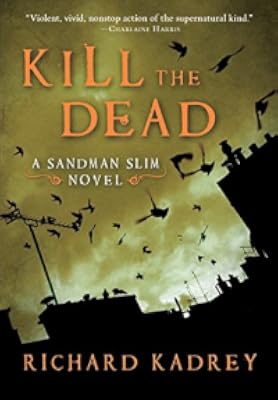
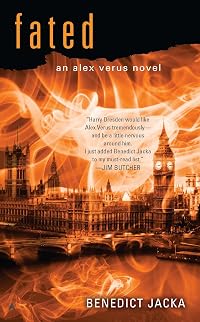
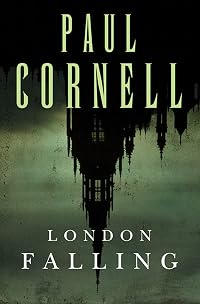
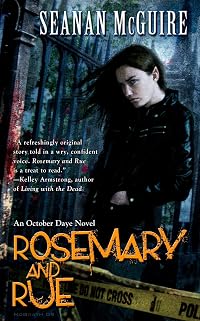
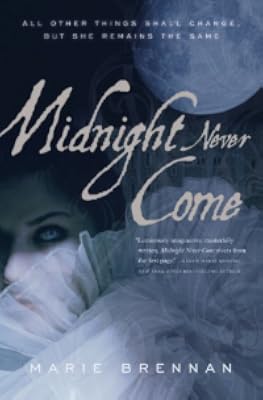
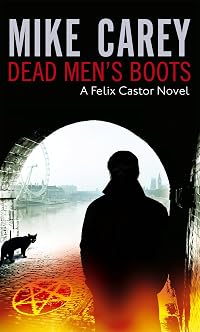
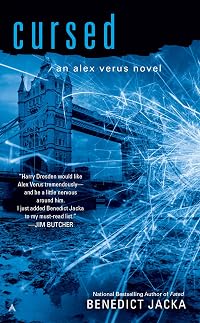
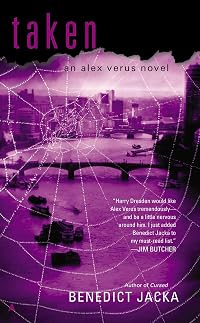
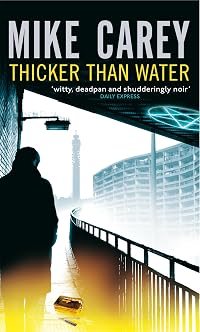
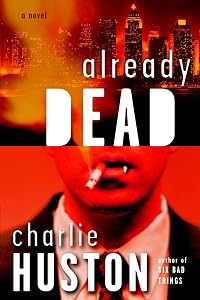
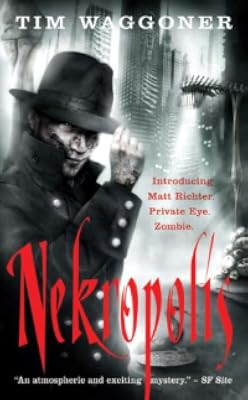
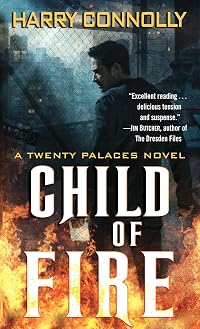

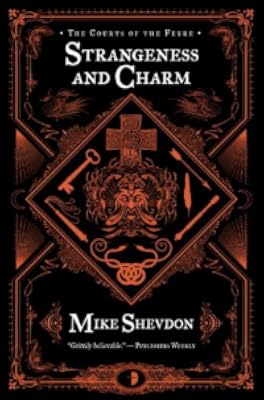



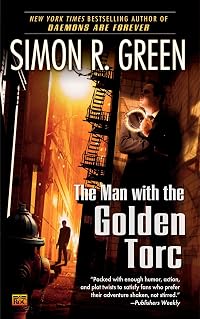
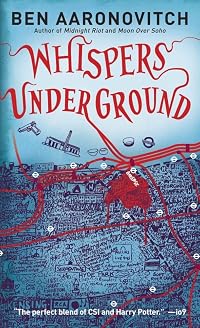
Member Recommendations
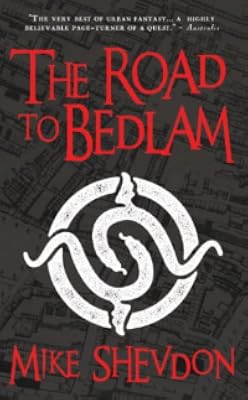
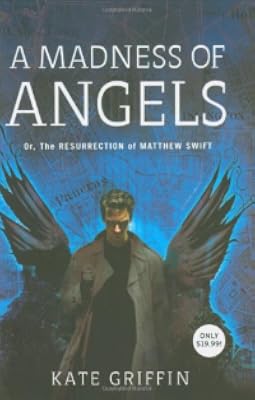
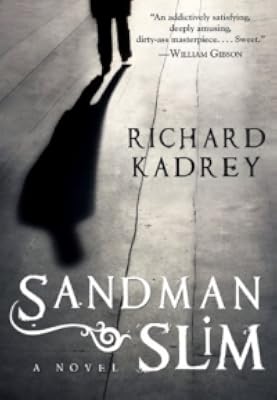
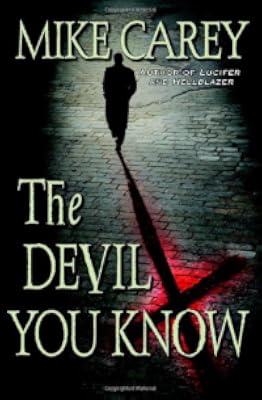
LongDogMom Both books are set in London that has a magical world that few see
Member Reviews
Sitting near the peak of popularity among readers, the urban fantasy genre suffers for its pre-eminent position. As publishers and authors rush to capitalize upon the fresh interest for readers, interesting and critically developed stories tend to fall through the cracks. One bland cover of a hard-bitten model slinging a gun or astride a sleek motorcycle on a rainy night blends into another. The new release shelves, whether wooden or digital, groan under the combined weight of doppelganger stories featuring the same tired-out tropes: quirky investigator, witty girl-about-town with ninja skills, the titanically powerful supernatural love interest du jour. It takes a great deal of talent, aptitude, and incredible social networking or show more effort to stand out among the jumbled sea.
That's not to say urban fantasy does not have its luminaries. With a truly rich tradition of contemporary storytellers and mythweavers in our midst, ranging from the perennially amazing Neil Gaiman and China Mieville or Charles de Lint to a new crop of potent English, Australian, and American authors, the genre is in no danger of dying out completely. The challenge for me as a reader is isolating out works of quality, a cut above the usual derivative Anita Blake/Twilight drivel. Fantasy, folklore, and whimsical flights of fancy based on modern settings influence my own writing. My reading habits certainly favour the best of these authors, so I am glad to see Mike Shevdon and his publisher, Angry Robot, reaching these shores.
Angry Robot is very much like Pyr, a niche publisher excelling in finding those touchstone books veering away from the standard fare available on Amazon or in the bookstores. I am consistently impressed by their offerings. I may not like everything they present with the passion of a thousand burning suns, but their catalogue of releases gets a good review from me every season and I eagerly anticipate what new author they bring to my hot little North American hands. I have a special fondness for British wit, humour, and spelling -- being a Canadian myself, I bridge the gap between both giant audiences -- and a deep love for how so many talented British authors tap into two thousand plus years of history and culture to enrich their work. Definitely keep an eye on Angry Robot; their editorial team and agents are well on their way to establishing a reputation for top notch work.
Along comes Mr. Shevdon, steeped in Oxfordian and English history, presenting what could be another bundle of bland pablum. Niall Petersen is about as unexciting a fellow as a protagonist can be, a mid-40s divorce employed in the City for a heartless, soul-sucking corporation in one of those inevitably dreary careers of finance, business, and managerial horrors. While fighting off the displeasure of his ex-wife and inevitable teenage troubles with his daughter, Alex, Niall suffers a heart attack on the Underground platform in the early chapters of the book. Game over. Or is it?
Niall awakens not just to a little old lady and bemused paramedics, but a whole new world hidden just beyond the veil. Standbys of faerie stories -- nereids and naiads, trolls, piskies and boggans -- from a broad slice of European tradition exist all around mankind, going about their business, trying to hold on against the advance of human society. While this may read like the start of a dozen other popular novels in the genre, Shevdon makes the concept work. Solid world-building never becomes a Silmarillion-sized epic to absorb before you ever get to the story. He uses Niall effectively as a device to peel back the onion-skin layers, taking the reader along and subjecting them to the occasional slap over the head by Niall's guide/guardian, Blackbird, a half-breed fae of considerable experience and sardonic wit. Blackbird is a force in her own right, but she nimbly avoids turning into a completely self-sufficient, uber-princess of the Mary Sue variety like Anita Blake, to name a well-known heroine without many flaws.
It turns out Niall's metamorphosis catalyzes his fae background, making him a half-breed. The fae suffer the usual problem with fertility, so interbreeding with humans has been going on since time immemorial, with a few stiuplations. Ancient rituals based on real life traditions of the British monarchy and legal system (which are historically fascinating in their own right; these relics from King John's time have been preserved for centuries unbroken) keep the Fey and humanity balanced, more or less, as a sort of pact for continued survial. Unfortunately for Niall, he learns he belongs to the one court among the Seven Courts of the Fey who have quite the bone to pick with the Fey who sully their bloodlines by intermingling with humans. Calling themselves the Untainted, these wraiths and ghosts want nothing more than wholesale genocide against the fey-bred population of humanity right down to the slightest drop of fey blood.
Against this larger backdrop, the story personalizes this problem through the lens of Niall and Blackbird's nascent relationship. Established prejudices greatly influence how and why characters act the way they do, with extremely believable reactions and consequences. Shevdon doesn't pull punches, and painfully human errors lead to a string of preventable events that only make matters more difficult in a precarious situation. When the Untainted decide they want to run amok upon Earth, decimating the half-breeds, it becomes a matter of time and a run against the clock to restore the ceremonies which keep them exiled to the Otherworld.
Mike Shevdon seamlessly incorporates historical events and details around an elaborate suite of faerie tales and intense, rich characters. He manages to keep all the balls in the air, rarely stumbling or revealing the amount of labour it takes to succeed at the craft. His deft touch does without many of the tools used by other authors in the genre; he doesn't have elaborate, complex fight scenes or one disaster after another, rife with Michael Bey-esque explosions. His greatest accomplishment may be telling the human side of an epic with worldwide consequences, and yet somehow keeping the literary camera tight upon some of the main players. His world reacts to their efforts and the characters, in return, react to what happens around them. His England is a subtle place of many watercolour shades plied atop one another.
Sixty-One Nails is a remarkable debut, and deserves a long, slow read to savour all the intricacies played in. Its complement, The Road to Bedlam, I gobbled up the day after reading this. Two more in the series are being picked up by Angry Robot as of this review, and I eagerly anticipate their arrival. show less
That's not to say urban fantasy does not have its luminaries. With a truly rich tradition of contemporary storytellers and mythweavers in our midst, ranging from the perennially amazing Neil Gaiman and China Mieville or Charles de Lint to a new crop of potent English, Australian, and American authors, the genre is in no danger of dying out completely. The challenge for me as a reader is isolating out works of quality, a cut above the usual derivative Anita Blake/Twilight drivel. Fantasy, folklore, and whimsical flights of fancy based on modern settings influence my own writing. My reading habits certainly favour the best of these authors, so I am glad to see Mike Shevdon and his publisher, Angry Robot, reaching these shores.
Angry Robot is very much like Pyr, a niche publisher excelling in finding those touchstone books veering away from the standard fare available on Amazon or in the bookstores. I am consistently impressed by their offerings. I may not like everything they present with the passion of a thousand burning suns, but their catalogue of releases gets a good review from me every season and I eagerly anticipate what new author they bring to my hot little North American hands. I have a special fondness for British wit, humour, and spelling -- being a Canadian myself, I bridge the gap between both giant audiences -- and a deep love for how so many talented British authors tap into two thousand plus years of history and culture to enrich their work. Definitely keep an eye on Angry Robot; their editorial team and agents are well on their way to establishing a reputation for top notch work.
Along comes Mr. Shevdon, steeped in Oxfordian and English history, presenting what could be another bundle of bland pablum. Niall Petersen is about as unexciting a fellow as a protagonist can be, a mid-40s divorce employed in the City for a heartless, soul-sucking corporation in one of those inevitably dreary careers of finance, business, and managerial horrors. While fighting off the displeasure of his ex-wife and inevitable teenage troubles with his daughter, Alex, Niall suffers a heart attack on the Underground platform in the early chapters of the book. Game over. Or is it?
Niall awakens not just to a little old lady and bemused paramedics, but a whole new world hidden just beyond the veil. Standbys of faerie stories -- nereids and naiads, trolls, piskies and boggans -- from a broad slice of European tradition exist all around mankind, going about their business, trying to hold on against the advance of human society. While this may read like the start of a dozen other popular novels in the genre, Shevdon makes the concept work. Solid world-building never becomes a Silmarillion-sized epic to absorb before you ever get to the story. He uses Niall effectively as a device to peel back the onion-skin layers, taking the reader along and subjecting them to the occasional slap over the head by Niall's guide/guardian, Blackbird, a half-breed fae of considerable experience and sardonic wit. Blackbird is a force in her own right, but she nimbly avoids turning into a completely self-sufficient, uber-princess of the Mary Sue variety like Anita Blake, to name a well-known heroine without many flaws.
It turns out Niall's metamorphosis catalyzes his fae background, making him a half-breed. The fae suffer the usual problem with fertility, so interbreeding with humans has been going on since time immemorial, with a few stiuplations. Ancient rituals based on real life traditions of the British monarchy and legal system (which are historically fascinating in their own right; these relics from King John's time have been preserved for centuries unbroken) keep the Fey and humanity balanced, more or less, as a sort of pact for continued survial. Unfortunately for Niall, he learns he belongs to the one court among the Seven Courts of the Fey who have quite the bone to pick with the Fey who sully their bloodlines by intermingling with humans. Calling themselves the Untainted, these wraiths and ghosts want nothing more than wholesale genocide against the fey-bred population of humanity right down to the slightest drop of fey blood.
Against this larger backdrop, the story personalizes this problem through the lens of Niall and Blackbird's nascent relationship. Established prejudices greatly influence how and why characters act the way they do, with extremely believable reactions and consequences. Shevdon doesn't pull punches, and painfully human errors lead to a string of preventable events that only make matters more difficult in a precarious situation. When the Untainted decide they want to run amok upon Earth, decimating the half-breeds, it becomes a matter of time and a run against the clock to restore the ceremonies which keep them exiled to the Otherworld.
Mike Shevdon seamlessly incorporates historical events and details around an elaborate suite of faerie tales and intense, rich characters. He manages to keep all the balls in the air, rarely stumbling or revealing the amount of labour it takes to succeed at the craft. His deft touch does without many of the tools used by other authors in the genre; he doesn't have elaborate, complex fight scenes or one disaster after another, rife with Michael Bey-esque explosions. His greatest accomplishment may be telling the human side of an epic with worldwide consequences, and yet somehow keeping the literary camera tight upon some of the main players. His world reacts to their efforts and the characters, in return, react to what happens around them. His England is a subtle place of many watercolour shades plied atop one another.
Sixty-One Nails is a remarkable debut, and deserves a long, slow read to savour all the intricacies played in. Its complement, The Road to Bedlam, I gobbled up the day after reading this. Two more in the series are being picked up by Angry Robot as of this review, and I eagerly anticipate their arrival. show less
You know it’s going to be a bad day when, first thing, someone steps in front of a moving subway train right next to you; and next, when you have a major fight with your ex-wife about your daughter, it’s hard to believe things will get any better. When the third thing that happens is you have a heart attack and die, it can’t really get any worse, can it?
But maybe it can get better. Maybe you can come back to life with the aid of a passerby. Things might get confusing in the immediate aftermath — why is the old lady who came to your aid so intent on making sure you don’t get to a hospital? How did she manage to transport you from the back of an ambulance to a grassy plain and back again? And why is she calling you show more “Rabbit”?
It must be hard, after decades of a normal life, to find that you are not entirely human. When you get that information on top of the morning you’ve already had, well, that’s the stuff novels are made of. And it’s quite a beginning to Mike Shevdon’s first novel, Sixty-One Nails.
Shevdon introduces his protagonist and first-person narrator, Niall, in a flurry of action. The opening is dramatic, but it immediately points up one of the problems with the novel: a lot happens that has no connection to the rest of the plot, and therefore gets in the way of the story. For instance, the suicide with which the book opens has no relationship to anything that comes after; it is merely a device used to get the narrator moving through the underground hallways of the London Tube with a huge crowd of people intent on getting to work. The extended opening sequence introduces Niall to Blackbird, a principal character, but puts her in a guise that makes later events in the relationship between the two of them difficult to accept. And it fails to make either of the two particularly likeable, tempting the reader to put the book down.
It’s worth hanging in, though, because after the reader wades through all this exposition, an interesting plot pops up. Blackbird instructs Niall in what it means to carry Fey blood in his veins just in time to save him from a Fey assassin, one of the Untainted. More importantly, she reveals to him that the Untainted – those who are pure Fey — have a serious vendetta going on with the majority of the Fey, who have interbred with humans. This war has somehow come to be centered on Niall, who soon finds himself enmeshed in ensuring that the Ceremony for the Annual Rendering of the Quit Rents, an obscure rite that is the oldest legal ceremony in England with the exception only of the Royal Coronation, comes off without a hitch. That’s more complicated than it sounds, for one of the knives used in the ceremony is not true, and must be remade. If the ceremony is not properly conducted, the Untainted will somehow be granted greater access to the world, and the lives and futures of the Fey and of humankind will be at risk.
Even when Shevdon finds his historically fascinating plot, though, the pace remains a serious problem. There is a fine novella hiding inside this novel, as if Shevdon did not trust his idea sufficiently to set it out straight instead of cloaking it in a great many unnecessary words. Was Shevdon pressured to expand his story to trilogy length? Many problems remain unresolved at the end of the novel, to be taken up in the next in the series, The Road to Bedlam. I’m intrigued enough by Shevdon’s plot in Sixty-One Nails to purchase the sequel. show less
But maybe it can get better. Maybe you can come back to life with the aid of a passerby. Things might get confusing in the immediate aftermath — why is the old lady who came to your aid so intent on making sure you don’t get to a hospital? How did she manage to transport you from the back of an ambulance to a grassy plain and back again? And why is she calling you show more “Rabbit”?
It must be hard, after decades of a normal life, to find that you are not entirely human. When you get that information on top of the morning you’ve already had, well, that’s the stuff novels are made of. And it’s quite a beginning to Mike Shevdon’s first novel, Sixty-One Nails.
Shevdon introduces his protagonist and first-person narrator, Niall, in a flurry of action. The opening is dramatic, but it immediately points up one of the problems with the novel: a lot happens that has no connection to the rest of the plot, and therefore gets in the way of the story. For instance, the suicide with which the book opens has no relationship to anything that comes after; it is merely a device used to get the narrator moving through the underground hallways of the London Tube with a huge crowd of people intent on getting to work. The extended opening sequence introduces Niall to Blackbird, a principal character, but puts her in a guise that makes later events in the relationship between the two of them difficult to accept. And it fails to make either of the two particularly likeable, tempting the reader to put the book down.
It’s worth hanging in, though, because after the reader wades through all this exposition, an interesting plot pops up. Blackbird instructs Niall in what it means to carry Fey blood in his veins just in time to save him from a Fey assassin, one of the Untainted. More importantly, she reveals to him that the Untainted – those who are pure Fey — have a serious vendetta going on with the majority of the Fey, who have interbred with humans. This war has somehow come to be centered on Niall, who soon finds himself enmeshed in ensuring that the Ceremony for the Annual Rendering of the Quit Rents, an obscure rite that is the oldest legal ceremony in England with the exception only of the Royal Coronation, comes off without a hitch. That’s more complicated than it sounds, for one of the knives used in the ceremony is not true, and must be remade. If the ceremony is not properly conducted, the Untainted will somehow be granted greater access to the world, and the lives and futures of the Fey and of humankind will be at risk.
Even when Shevdon finds his historically fascinating plot, though, the pace remains a serious problem. There is a fine novella hiding inside this novel, as if Shevdon did not trust his idea sufficiently to set it out straight instead of cloaking it in a great many unnecessary words. Was Shevdon pressured to expand his story to trilogy length? Many problems remain unresolved at the end of the novel, to be taken up in the next in the series, The Road to Bedlam. I’m intrigued enough by Shevdon’s plot in Sixty-One Nails to purchase the sequel. show less
Re-posted from raygunreviews.wordpress.com
Back in the mid ’90s I was finishing up my time in grad school and entering into the professional arena. Without having to read lots of dry academic tomes anymore, I turned back to my first love of SF/F literature. It was a good time to re-enter the genre, in no small part because what was at that time going under the rubric of urban fantasy. This was before the paranormal romance subgenre began masquerading as urban fantasy; de Lint, Windling, and most importantly, Gaiman were writing some great stuff, taking the tropes and ideas of ‘standard fair’ fantasy and dropping them in the middle of modern cities — or, in the case of Gaiman’s Neverwhere, under them. This was fresh and show more exciting, breathing new life into a genre that had become a bit stale and tired.
And then, like all such innovations, urban fantasy itself started to become a bit stale and tired. It’s been years since I have read an urban fantasy novel that grabbed my attention. Luckily, thankfully, quirky new publisher Angry Robot has changed that with Sixty-One Nails, Mike Shevdon’s first volume in “The Courts of the Feyre.”
The book opens with main character Niall Petersen suffering a heart attack on the London Underground, only to be brought back to life by the intervention of Blackbird, a Fey who ‘just happens’ to be there at the moment. It does not take long before Niall learns that he also has a Fey background and is being hunted by two killers from the Fey Seventh Court, the Court of the Untainted.
It turns out, though, that Niall himself might be from the Untainted himself, making things difficult as he and Blackbird set out on an adventure first to find protection for Niall (who has been given the nickname of Rabbit), but eventually to stop the Untainted from breaking through uninhibited to the mundane world.
In some ways, this is about as standard as contemporary fantasy fare gets. A lot of the world-building here is re-used from the hey-day of urban fantasy. We’ve got all the expected fey — the pixies, the trolls, the goblins — living underground or walking in and out of our everyday lives. We’ve got a plot centered around the danger of the fantastic breaking in to our world.
But as I’ve mentioned before, I don’t see this as a detriment to enjoying a book. What’s important is not that all the ideas be new (or old, for that matter). What’s important is how the author uses those ideas in telling his story, and Shevdon does a wonderful job at making this a fun and exciting story at a number of levels.
Shevdon brings in lots of folklore and historical facts and weaves them intricately into the plot so that no one can tell where reality ends and Shevdon’s fictional world begins (that is, until you read the afterword where he explains the historical basis for the sixty-one nails of the title among other important plot elements). He also gives us two enticing lead characters — Rabbit and Blackbird — who develop a relationship as they search for answers while on the run from the Untainted.
The similarities to Neverwhere are here, but they are at the most only superficial. Shevdon shows considerable skill in moving within the tropes of urban fantasy of the ’90s while definitely taking those ideas and making them his own. This is what good writing is about: being both traditional and progressive at the same time.
I already have the sequel, The Road to Bedlam, and have moved it to pretty high up in my queue of books to read. show less
Back in the mid ’90s I was finishing up my time in grad school and entering into the professional arena. Without having to read lots of dry academic tomes anymore, I turned back to my first love of SF/F literature. It was a good time to re-enter the genre, in no small part because what was at that time going under the rubric of urban fantasy. This was before the paranormal romance subgenre began masquerading as urban fantasy; de Lint, Windling, and most importantly, Gaiman were writing some great stuff, taking the tropes and ideas of ‘standard fair’ fantasy and dropping them in the middle of modern cities — or, in the case of Gaiman’s Neverwhere, under them. This was fresh and show more exciting, breathing new life into a genre that had become a bit stale and tired.
And then, like all such innovations, urban fantasy itself started to become a bit stale and tired. It’s been years since I have read an urban fantasy novel that grabbed my attention. Luckily, thankfully, quirky new publisher Angry Robot has changed that with Sixty-One Nails, Mike Shevdon’s first volume in “The Courts of the Feyre.”
The book opens with main character Niall Petersen suffering a heart attack on the London Underground, only to be brought back to life by the intervention of Blackbird, a Fey who ‘just happens’ to be there at the moment. It does not take long before Niall learns that he also has a Fey background and is being hunted by two killers from the Fey Seventh Court, the Court of the Untainted.
It turns out, though, that Niall himself might be from the Untainted himself, making things difficult as he and Blackbird set out on an adventure first to find protection for Niall (who has been given the nickname of Rabbit), but eventually to stop the Untainted from breaking through uninhibited to the mundane world.
In some ways, this is about as standard as contemporary fantasy fare gets. A lot of the world-building here is re-used from the hey-day of urban fantasy. We’ve got all the expected fey — the pixies, the trolls, the goblins — living underground or walking in and out of our everyday lives. We’ve got a plot centered around the danger of the fantastic breaking in to our world.
But as I’ve mentioned before, I don’t see this as a detriment to enjoying a book. What’s important is not that all the ideas be new (or old, for that matter). What’s important is how the author uses those ideas in telling his story, and Shevdon does a wonderful job at making this a fun and exciting story at a number of levels.
Shevdon brings in lots of folklore and historical facts and weaves them intricately into the plot so that no one can tell where reality ends and Shevdon’s fictional world begins (that is, until you read the afterword where he explains the historical basis for the sixty-one nails of the title among other important plot elements). He also gives us two enticing lead characters — Rabbit and Blackbird — who develop a relationship as they search for answers while on the run from the Untainted.
The similarities to Neverwhere are here, but they are at the most only superficial. Shevdon shows considerable skill in moving within the tropes of urban fantasy of the ’90s while definitely taking those ideas and making them his own. This is what good writing is about: being both traditional and progressive at the same time.
I already have the sequel, The Road to Bedlam, and have moved it to pretty high up in my queue of books to read. show less
I usually take a pass on any fantasy book that involves magic related to the Courts of the Fey, etc., but this book (and the entire trilogy, in fact) was strongly recommended to me by a co-worker whose tastes are pretty similar to mine. Thus, I started the book last night and finished it a few hours ago. The first 20-30 pages are mildly irritating (mostly due to the interaction of the main character with his ex-wife), but after that the story really starts to move and it becomes obvious that the author is an above-average writer with a pretty good ear for dialogue and a vivid imagination where magic is concerned.
Another positive was the handling of the male/female interaction. Most of the time when I read fantasy novels, I'll skim show more through the inevitable romance scenes just looking for informational dialogue that moves the story forward, and I'll skip all the tension-filled relationship misunderstandings; however, I had a different experience with this story and I actually had fun reading the romantic portions (even caught myself grinning goofily a couple of times, if you can imagine that, and why not imagine that? After all, you probably don't know me, so imagination's all you've really got to go on, right?).
The biggest negative for me was near the end of the story when our hero escapes from a particular doom using a fairly hackneyed method of negotiation, hence the 1/2 star reduction in my rating. Still, this book is highly recommended and has earned a solid show less
Another positive was the handling of the male/female interaction. Most of the time when I read fantasy novels, I'll skim show more through the inevitable romance scenes just looking for informational dialogue that moves the story forward, and I'll skip all the tension-filled relationship misunderstandings; however, I had a different experience with this story and I actually had fun reading the romantic portions (even caught myself grinning goofily a couple of times, if you can imagine that, and why not imagine that? After all, you probably don't know me, so imagination's all you've really got to go on, right?).
The biggest negative for me was near the end of the story when our hero escapes from a particular doom using a fairly hackneyed method of negotiation, hence the 1/2 star reduction in my rating. Still, this book is highly recommended and has earned a solid show less
There are four books in the Courts of Feyre series; this is the first book in that series. This book started out really cool and reminded me a lot of Gaiman’s “Neverwhere”, unfortunately it never really went anywhere. I was reading this on Kindle and got about 40% of the way through (215 pages) and realized that not much had really happened yet. I finally stopped reading this book at that 40% mark.
Niall basically dies, is brought back to life, and then finds out he is some sort of fae in the first couple chapters of the book. There is discussion that he will need to join one of the Feyre courts in order to survive the awakening of his Feyre powers. From this point on there is a lot of Niall running around as he tries to tie up the show more loose ends of his old life, this part seemed to go on forever.
Blackbird is an interesting side character that is introduced and I liked her. There are a few other side characters introduced but not much time is spent with them.
I was really disappointed in how slowly this book moved; I really wanted to like it and it feels like the kind of story I would like. However, I finally got fed up with the lack of progress and decided to put this book down and start reading another.
Overall this book has potential if you have the patience for it (which I didn’t). It has a very “Neverwhere” feel to it and if felt like something I would enjoy initially. However, in the first 40% of the book not much actually happens and I got bored with it. show less
Niall basically dies, is brought back to life, and then finds out he is some sort of fae in the first couple chapters of the book. There is discussion that he will need to join one of the Feyre courts in order to survive the awakening of his Feyre powers. From this point on there is a lot of Niall running around as he tries to tie up the show more loose ends of his old life, this part seemed to go on forever.
Blackbird is an interesting side character that is introduced and I liked her. There are a few other side characters introduced but not much time is spent with them.
I was really disappointed in how slowly this book moved; I really wanted to like it and it feels like the kind of story I would like. However, I finally got fed up with the lack of progress and decided to put this book down and start reading another.
Overall this book has potential if you have the patience for it (which I didn’t). It has a very “Neverwhere” feel to it and if felt like something I would enjoy initially. However, in the first 40% of the book not much actually happens and I got bored with it. show less
I was lured into reading this book by the comparison to Neverwhere by Gaiman, but the similarities end with the opening scenes, which take place on the Tube. Shevdon's book has a uniqueness of its own and is the most original urban fantasy that I have read in a long time. His attention to detail vividly brings his tale to life and makes it completely believable.
I was drawn into the world of Faery and the mythical creatures that co-exist with them and loved the idea of them secretly living alongside humans. I was hooked from the very beginning and couldn't let go until the closing pages. But even then, I was left hanging with the promise of more to come. I can't wait for the next instalment.
I was drawn into the world of Faery and the mythical creatures that co-exist with them and loved the idea of them secretly living alongside humans. I was hooked from the very beginning and couldn't let go until the closing pages. But even then, I was left hanging with the promise of more to come. I can't wait for the next instalment.
Interesting world with some really enthralling ritual aspects, and some good character aspects. One of those first books where I'm really interested in seeing his more experienced, polished work, because many of the weaknesses of this can be smoothed out with practice.
Those weaknesses? The story was told through a first-person camera permanently stuck to our hero's head. Following his every step for the three days over which the story unwound grew occasionally tedious - the travelling between story points often doesn't need to be told. There was also constant minor repetition - conversations would cover the same material multiple times in slightly different ways when they could have been significantly streamlined (leading to less length show more but also less of me shouting, "Yes, I know!" at the book).
In more substantial matters, I seriously side-eye any book that takes place over three days and involves the main characters falling into a significant relationship and possibly getting pregnant. THREE DAYS. Dude.
But it's interesting, it's very readable, it's nicely developed and, like I said, the central weaving together of magic into arcane legal ritual is the sort of idea that makes me clap hands with glee. Definitely going to try the second one. show less
Those weaknesses? The story was told through a first-person camera permanently stuck to our hero's head. Following his every step for the three days over which the story unwound grew occasionally tedious - the travelling between story points often doesn't need to be told. There was also constant minor repetition - conversations would cover the same material multiple times in slightly different ways when they could have been significantly streamlined (leading to less length show more but also less of me shouting, "Yes, I know!" at the book).
In more substantial matters, I seriously side-eye any book that takes place over three days and involves the main characters falling into a significant relationship and possibly getting pregnant. THREE DAYS. Dude.
But it's interesting, it's very readable, it's nicely developed and, like I said, the central weaving together of magic into arcane legal ritual is the sort of idea that makes me clap hands with glee. Definitely going to try the second one. show less
Members
- Recently Added By
Lists

london novels (adult)
21 works; 3 members

Faerie Mythology
87 works; 13 members

London Urban Fantasy
33 works; 6 members
Author Information

4 Works 1,113 Members
Some Editions
Series

Common Knowledge
- Canonical title
- Sixty-One Nails
- Original publication date
- 2009
- People/Characters
- Niall Petersen; Alexandra Dobson ('Alex'); Katherine Dobson; Blackbird; Mark; Joseph (show all 54); Jackie; Jim; Megan; Gramawl; Kareesh; Carris; Fenlock; Marshdock; Raffmir; Veronica Delemere; Claire Raddison; Jerome David Checkland ('Jerry'); Ben Highsmith; Jeff Highsmith; Meg Highsmith; Lisa Highsmith; James Highsmith; Jaz; Landlord; Rich; West Coast American; Porter; Elizabeth Checkland; Sam Veldon; Deborah Checkland; Velladore Rainbow Wings; Cartillian; Alshirian ('Dogstar'); Solandre; Iriennen; Dr Agraval; Bob Vincent; Brian Tindall; Mark Perkins; Barry; Garvin; Tate; Amber; Feonh; Fellstamp; Kimlesh; Teoth; Mellion; Yonna; Barthia; Altair; Krane; mulbrook
- Important places
- The Royal Courts of Justice, The Strand, London, England, UK; Covent Garden, London, England, UK; The Moors, Shropshire, England, UK; Tweezers Alley, London, England, UK
- Important events
- The Quit Rents Ceremony
Classifications
Statistics
- Members
- 597
- Popularity
- 49,105
- Reviews
- 23
- Rating
- (3.66)
- Languages
- English, French
- Media
- Paper, Audiobook, Ebook
- ISBNs
- 9
- ASINs
- 6