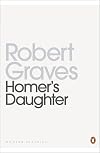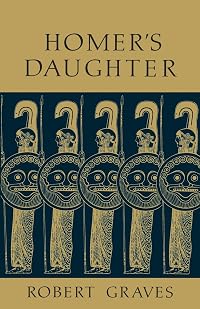
Homer's Daughter
by Robert Graves 
On This Page
Description
Nausicaa, a Sicilian princess of the eighth century B.C., looks back on the events of her life and tells how she came to write the epic poem known as the Odyssey.Tags
Recommendations




















Member Recommendations

The Odyssey by Homer
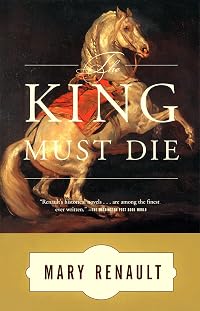
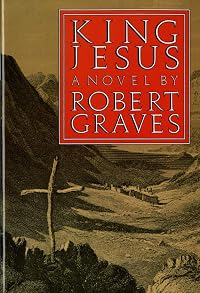
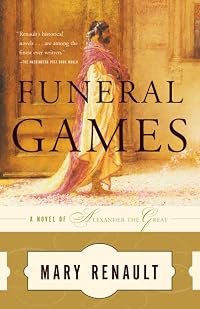
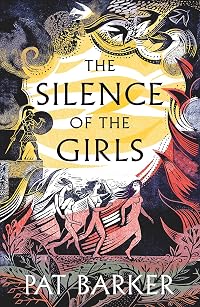
MarcusBrutus Robert Graves took the story of "The Odyssey's" authorship and expounds on the theory that it was written by a woman. This is a novel based on that idea.
Member Reviews
What if The Odyssey had been written not by Homer but by an unknown woman? That is exactly the theory which inspired Robert Graves to write his charming novel Homer's Daughter.
The idea was not a new one. Samuel Butler, a noted translator of both epics, wrote The Authoress of The Odyssey in 1897 wherein he quoted others who had suggested The Odyssey was written from a woman's point of view. Not only that, Robert Graves points to an ancient Greek source suggesting that the version of "Odysseus' Return" upon which The Odyssey was based originated in Sicily. Without getting too much into the weeds here, let me just say that Graves saw the delight in this prospect and composed an entertaining story to show how this almost blasphemous concept show more — in the eyes of scholars at any rate — might have materialized.
The tale is told in the first person by a young Sicilian Princess who is unusually literate and who tells of a family episode which will seem very familiar to readers of The Odyssey. She is Homer's daughter only in the literary sense as the bards of ancient times called themselves "Sons of Homer" to identify themselves as members of an exclusive brotherhood. Since women were barred from any such undertaking as singing the lays of Homer — much less writing them — a certain amount of subterfuge was required to get the local minstrel to sing her epic poem at the palace, around Sicily and then convey it to Delos, the home of Homeric bards.
If you haven't actually read Homer, the pleasures of this novel may not be fully appreciated. They pretty much went sailing right over my own head the first time I read it without benefit of having the two epics under my belt. In effect, Homer's Daughter purports to give an inside look at how the adventures of Odysseus might have been created out of a few rather dramatic palace intrigues that found their way into the new poem about the return of Odysseus.
The mists of time have clouded our real understanding of who, when and where Homer was, so the basis for this novel may be criticized but cannot be absolutely refuted. The differences between the two Homeric epics are so striking that one can easily believe they came from different sources. And it would not be surprising if The Odyssey had indeed been written by a woman.
Homer's Daughter is a very clever novel by one of the prominent Greek scholars of the mid twentieth century. Readers who have enjoyed the ancient classics will also enjoy Graves' novel. show less
The idea was not a new one. Samuel Butler, a noted translator of both epics, wrote The Authoress of The Odyssey in 1897 wherein he quoted others who had suggested The Odyssey was written from a woman's point of view. Not only that, Robert Graves points to an ancient Greek source suggesting that the version of "Odysseus' Return" upon which The Odyssey was based originated in Sicily. Without getting too much into the weeds here, let me just say that Graves saw the delight in this prospect and composed an entertaining story to show how this almost blasphemous concept show more — in the eyes of scholars at any rate — might have materialized.
The tale is told in the first person by a young Sicilian Princess who is unusually literate and who tells of a family episode which will seem very familiar to readers of The Odyssey. She is Homer's daughter only in the literary sense as the bards of ancient times called themselves "Sons of Homer" to identify themselves as members of an exclusive brotherhood. Since women were barred from any such undertaking as singing the lays of Homer — much less writing them — a certain amount of subterfuge was required to get the local minstrel to sing her epic poem at the palace, around Sicily and then convey it to Delos, the home of Homeric bards.
If you haven't actually read Homer, the pleasures of this novel may not be fully appreciated. They pretty much went sailing right over my own head the first time I read it without benefit of having the two epics under my belt. In effect, Homer's Daughter purports to give an inside look at how the adventures of Odysseus might have been created out of a few rather dramatic palace intrigues that found their way into the new poem about the return of Odysseus.
The mists of time have clouded our real understanding of who, when and where Homer was, so the basis for this novel may be criticized but cannot be absolutely refuted. The differences between the two Homeric epics are so striking that one can easily believe they came from different sources. And it would not be surprising if The Odyssey had indeed been written by a woman.
Homer's Daughter is a very clever novel by one of the prominent Greek scholars of the mid twentieth century. Readers who have enjoyed the ancient classics will also enjoy Graves' novel. show less
Robert Graves excels at historical fiction, and this book does not disappoint. I was put off at first by the introduction, in which the author explains his reasons for writing this by saying that "The Iliad is a poem about and for men, the Odyssey (despite its male hero) is a poem about and for women." I don't at all share that view, but thankfully the story that follows is a very good one, especially because I've recently read an Odyssey and it was fresh in my mind. Reader, I loved this.
Not bad. An unexpected re-hash of The Odyssey, wherein Telemechus' sister proves the heroine. The less seriously you take it, the more enjoyable it should prove.
Up there with I, Claudius in Graves' historical novels - a great story about the theoretical daughter of Homer who wrote the Odyssey.
Edition: First Edition // Descr: 283 p. 22 cm. // Series: Call No. { } // //
La hija de Homero narra una historia de conspiraciones y rebeliones por el trono de una pequeña comunidad griega en la Sicilia de los siglos VIII o VII a.c. En esta ocasión Graves no se basa en la vida de un personaje histórico conocido, como Claudio o Belisario, sino que crea un argumento completamente imaginario, aunque basado en sus conocimientos de los orígenes de la era clásica. Sin embargo la historia que narra tiene el sabor del vino ya degustado, si bien enriquecido por una nueva cosecha que le aporta nuevos matices y sorpresas.
En la novela asistimos al abandono de un reino por su soberano, a la desventura de su casa y dinastía por causa de los malvados y jóvenes miembros de la nobleza que irrumpen en palacio para show more vivaquear a costa de su rey hasta que su hija acepte a uno como marido, al encuentro entre una joven Nausicaa y un náufrago vigoroso en las playas donde la tempestad ha arrojado al marino errante, a recitales de viejos aedos sobre las aventuras de los héroes de Troya en sus nostoi, a relatos sobre cíclopes que devoran hombres y brujas que los transforman en cerdos.
El lector avezado puede reconocer sin esfuerzo de donde proceden los elementos del relato y cobra entonces sentido, a su vista, el título de la novela. Pero la receta que propone Graves no es la de Homero, sino completamente distinta: los ingredientes son los mismos, pero su combinación y sazón son nuevos. O no tanto. La idea de que el autor de la Iliada y el de la Odisea no fueron el mismo es una viaje polémica filológica conocida como la cuestión homérica, que ha dado como frutos encendidos argumentos desde que se planteó en el siglo XVIII.
La Odisea, más moderna, más variable y variada, como las olas del mar que cruza su protagonista, ha gozado de mayor fervor que la narración de la cólera del pélida Aquiles (según Carlos García Gual, Borges adoraba la Odisea y detestaba o al menos, no gustaba, la Iliada. Yo recuerdo escritos de Borges ponderando el poema de Ulises pero no una descalificación de la épica sobre Ilión). También el protagonista del nostoi, Ulises u Odiseo, parece más cercano al lector moderno que el hijo cuasi-invulnerable de Tetis.
La novela tiene una estructura narrativa muy parecida a la de otras obras de Graves, en particular "Yo, Claudio": la narración en primera persona de los acontecimientos, los diálogos que hacen avanzar la acción referidos a hechos importantes de la trama, las conspiraciones relatadas por una tercera persona. A veces me parecía que era Claudio tratando con Póstumo las asechanzas de Livia, en lugar de Nausicaa, narrando las intrigas de los conspiradores contra su padre. show less
En la novela asistimos al abandono de un reino por su soberano, a la desventura de su casa y dinastía por causa de los malvados y jóvenes miembros de la nobleza que irrumpen en palacio para show more vivaquear a costa de su rey hasta que su hija acepte a uno como marido, al encuentro entre una joven Nausicaa y un náufrago vigoroso en las playas donde la tempestad ha arrojado al marino errante, a recitales de viejos aedos sobre las aventuras de los héroes de Troya en sus nostoi, a relatos sobre cíclopes que devoran hombres y brujas que los transforman en cerdos.
El lector avezado puede reconocer sin esfuerzo de donde proceden los elementos del relato y cobra entonces sentido, a su vista, el título de la novela. Pero la receta que propone Graves no es la de Homero, sino completamente distinta: los ingredientes son los mismos, pero su combinación y sazón son nuevos. O no tanto. La idea de que el autor de la Iliada y el de la Odisea no fueron el mismo es una viaje polémica filológica conocida como la cuestión homérica, que ha dado como frutos encendidos argumentos desde que se planteó en el siglo XVIII.
La Odisea, más moderna, más variable y variada, como las olas del mar que cruza su protagonista, ha gozado de mayor fervor que la narración de la cólera del pélida Aquiles (según Carlos García Gual, Borges adoraba la Odisea y detestaba o al menos, no gustaba, la Iliada. Yo recuerdo escritos de Borges ponderando el poema de Ulises pero no una descalificación de la épica sobre Ilión). También el protagonista del nostoi, Ulises u Odiseo, parece más cercano al lector moderno que el hijo cuasi-invulnerable de Tetis.
La novela tiene una estructura narrativa muy parecida a la de otras obras de Graves, en particular "Yo, Claudio": la narración en primera persona de los acontecimientos, los diálogos que hacen avanzar la acción referidos a hechos importantes de la trama, las conspiraciones relatadas por una tercera persona. A veces me parecía que era Claudio tratando con Póstumo las asechanzas de Livia, en lugar de Nausicaa, narrando las intrigas de los conspiradores contra su padre. show less
Nov 15, 2009 (Edited)Spanish
A történetben elvileg az Odüsszeia-t kellene felismerni, de bevallom ehhez sokkal frissebben kellett volna azt olvasnom és jobban emlékeznem a történet apró részleteire és a mellékszereplőkre.
Ha ezt félretesszük, akkor egy ókori szicíliai történetünk van ahol a szereplők tényleg úgy viselkednek mintha egy ógörög drámában lennének. Ez persze időnként bosszantó, és a sok görög név sem segít. Valójában szerintem jobb lett volna, ha egy életszerűbb történetet mesél el a szerző és úgy mutatja be az igen érdekesnek és bonyolultnak tűnő szicíliai politikai világot.
Ha ezt félretesszük, akkor egy ókori szicíliai történetünk van ahol a szereplők tényleg úgy viselkednek mintha egy ógörög drámában lennének. Ez persze időnként bosszantó, és a sok görög név sem segít. Valójában szerintem jobb lett volna, ha egy életszerűbb történetet mesél el a szerző és úgy mutatja be az igen érdekesnek és bonyolultnak tűnő szicíliai politikai világot.
Aug 5, 2025Hungarian
Members
- Recently Added By
Lists

Best Historical Fiction
620 works; 262 members

Best historical fiction set in the ancient world
126 works; 40 members

Historical Fiction
889 works; 90 members

The wanderings of Odysseus
61 works; 6 members
Author Information

259+ Works 40,616 Members
Robert Graves (also known as Robert Ranke Graves) was born in 1895 in London and served in World War I. Goodbye to All That: an Autobiography (1929), was published at age thirty three, and gave a gritty portrait of his experiences in the trenches. Graves edited out much of the stark reality of the book when he revised it in 1957. Although his most show more popular works, I, Claudius (1934) and its sequel, Claudius the God and His Wife Messalina (1935), were produced for television by the BBC in 1976 and seen in America on Masterpiece Theater, he was also famous as a poet, producing more than 50 volumes of poetry. Graves was awarded the 1934 James Tait Black Memorial Prize for both I, Claudius and Claudius the God. Also a distinguished academic, Graves was a professor of English in Cairo, Egypt, in 1926, a poetry professor at Oxford in the 1960s, and a visiting lecturer at universities in England and the U.S. He wrote translations of Greek and Latin works, literary criticism, and nonfiction works on many other topics, including mythology and poetry. He lived most of his life in Majorca, Spain, and died after a protracted illness in 1985. (Bowker Author Biography) show less
Robert Graves has a Legacy Library. Legacy libraries are the personal libraries of famous readers, entered by LibraryThing members from the Legacy Libraries group.
Series
Belongs to Publisher Series
Work Relationships
Is contained in
Common Knowledge
- Canonical title
- Homer's Daughter
- Original title
- Homer's Daughter
- Original publication date
- 1955
- People/Characters
- Nausicaa; Aethon; Ctimene; Eurymachus; Antinous; Phemius (show all 7); Laodamus
- Important places
- Ancient Greece; Sicily, Italy
- Dedication
- To Selwyn Jepson, of course
- First words
- when my childhood had slipped by, and the days no longer seemed eternal but had shrunk to twelve hours or less, I began to think seriously about death. It was my grandmother's funeral procession, in which half the women of Dr... (show all)epanum marched, lamenting like curlews, that made me conscious of my own mortality.
- Last words
- (Click to show. Warning: May contain spoilers.)But Homer, I am sure, went equally wrong at times, and I flatter myself that my story is interesting enough to blind Phemius's listeners to its faults, even if he has a cold, or the banquet is badly cooked, or the good dark wine runs short.
Classifications
Statistics
- Members
- 448
- Popularity
- 68,591
- Reviews
- 7
- Rating
- (3.58)
- Languages
- 10 — Catalan, Czech, English, French, Hungarian, Italian, Portuguese, Spanish, Swedish, Turkish
- Media
- Paper, Audiobook, Ebook
- ISBNs
- 29
- ASINs
- 13