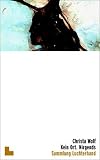
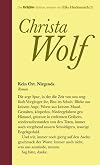
No Place on Earth
by Christa Wolf
On This Page
Description
This fictionalized account of an encounter in 1804 between the poet Karoline von Gunderrode and writer Heinrich von Kleist is pieced together from extracts of actual letters. In real life, both committed suicide some years after the events in this book.Tags
Recommendations





















Member Reviews
Trigger warning: Mild references to suicide
This short novel is an account of a fictional meeting between German writers Heinrich von Kleist and Karoline von Günderrode in 1804. Although it is possible that these two met, as they moved around similar circles, nothing is known about a possible meeting. The other people appearing in the story are real, though, too - among them famous writers Clemens von Brentano and Bettine von Arnim.
These writers and associates meet in a small town on the Rhine river where they drink, discuss their art and other topics, and socialize.
Kleist and Günderrode both feel like outsiders at the gathering, and the story is told alternating between each of their perspectives, while sometimes adding other show more paragraphs or sentences. The style is very poetic, sometimes truly like a poem, and every sentences carries meaning.
While Kleist and Günderrode first just observe each other and their interaction with the other guests, they later have a conversation during a walk outside. The conversations both at the party and during the walk touch upon many different topics: Psychology, the self, the role of art and artists, writing, expectations of life, gender, emancipation etc.
Kleist and Günderrode are connected in their despair because they cannot adjust to what is expected of them - Kleist as a man in the Prussian state who has a very different idea of life than those surrounding him, Günderrode as someone who would like to do much more than is possible for a woman of her time and who is patronized by male writers when they read her poetry. The title of the novel refers to the feeling that they cannot find any place where they can really be themselves, and there are allusions to the only way out they are able to see, which is suicide. In fact, both writers committed suicide, Günderrode in 1806 and Kleist in 1811.
Wolf was one of the most important writers of the GDR and many passages of this text can be seen in this light: The difficulties of writers living under that regime. To me, this political interpretation was not as relevant, though, and I concerned myself rather with the individual circumstances and with the feelings of the characters, and the parallels to today's society. show less
This short novel is an account of a fictional meeting between German writers Heinrich von Kleist and Karoline von Günderrode in 1804. Although it is possible that these two met, as they moved around similar circles, nothing is known about a possible meeting. The other people appearing in the story are real, though, too - among them famous writers Clemens von Brentano and Bettine von Arnim.
These writers and associates meet in a small town on the Rhine river where they drink, discuss their art and other topics, and socialize.
Kleist and Günderrode both feel like outsiders at the gathering, and the story is told alternating between each of their perspectives, while sometimes adding other show more paragraphs or sentences. The style is very poetic, sometimes truly like a poem, and every sentences carries meaning.
While Kleist and Günderrode first just observe each other and their interaction with the other guests, they later have a conversation during a walk outside. The conversations both at the party and during the walk touch upon many different topics: Psychology, the self, the role of art and artists, writing, expectations of life, gender, emancipation etc.
Kleist and Günderrode are connected in their despair because they cannot adjust to what is expected of them - Kleist as a man in the Prussian state who has a very different idea of life than those surrounding him, Günderrode as someone who would like to do much more than is possible for a woman of her time and who is patronized by male writers when they read her poetry. The title of the novel refers to the feeling that they cannot find any place where they can really be themselves, and there are allusions to the only way out they are able to see, which is suicide. In fact, both writers committed suicide, Günderrode in 1806 and Kleist in 1811.
Wolf was one of the most important writers of the GDR and many passages of this text can be seen in this light: The difficulties of writers living under that regime. To me, this political interpretation was not as relevant, though, and I concerned myself rather with the individual circumstances and with the feelings of the characters, and the parallels to today's society. show less
Similar to--but far more involving than--Gunter Grass' The Meeting at Telgte, Wolf's novella posits an imaginary colloquy between two German literary figures of the past: the great sensitive, Henrich von Kleist, shown soon after his burning of the manuscript for Robert Guiscard; and the poet Karoline von GÃœnderrode. The time is 1804. The place is a town on the Rhine. The setting is a salon party during which Kleist and GÃœnderrode first watch each other suffer in separate company, and then a river bank--as the two take a walk together, revealing to each other their tragic understanding of life's impossibility. Each portrait is vivid and poetic of itself. Tortured Kleist: ""He is not the master of the thing inside him which thinks. show more He must restrain himself, and he will qualify as cured when he has mastered this art. But how can a man be cured who deranges the law before he can submit to it? Abases himself to dust and submits: to the deranged, invalid law."" The critically patronized and abused GÃœnderrode: ""She will not allow herself to be humiliated. She has the remedy to prevent this, and she will not hesitate to use it. What consolation lies in the knowledge that one does not have to live."" And, together, their conversation drills through recklessness of thought, personal loves/hatreds (such as Kleist's for Goethe), and philosophy (GÃœnderrode's anguished feminism). . . before arriving at aphorism: ""From what she has observed, she says, the ambition of gifted people is intensified by inauspicious circumstances, the ambition of the untalented by their distorted self-esteem."" Historical, hypothetical, but marvelously intense: a fascinating short novel by one of Europe's most consistently haunting novelists. show less
Für Liebhaber der klassischen Literatur. Ein etwas zähflüssiges Party-Gespräch zwischen Kleist und Fräulein Günderrode, beide suizidverdächtig.
Aug 3, 2008German
Neue Zürcher Zeitung
Mein Buch
Treffen der toten Dichter
Crescentia Dünsser liest Christa Wolf
«Immer ist es Leidenschaft, wenn wir tun, was wir nicht wollen.» Dieser Satz aus «Kein Ort. Nirgends» brannte sich mir für viele Jahre ein. Von wie vielen Büchern kann man sich nach Jahren noch an einen Satz genau erinnern, bei der Buchstabenflut, die uns begleitet und zu überschwemmen droht? Als ich das Buch zum ersten Mal gelesen und «ausgelesen» hatte, war es ein körperliches Gefühl von Abschiedsschmerz, auch daran erinnere ich mich sehr gut. Das ist wohl auch der Grund, warum ich es beinahe 20 Jahre danach wieder in die Hand nahm und es wiederlas. Der Sog ist nicht mehr derselbe, aber die Faszination bleibt.
Erfunden ist eine show more nachmittägliche Begegnung von Karoline von Günderrode und Heinrich von Kleist im Hause Brentano. Beide sind bereits zum Freitod entschlossen, hungrig nach dem Ruf zum Bleiben in einer Welt, in der es sich nicht leben lässt – «Ordnung? Ja: Ordentlich ist heute die Welt. Aber sagen Sie mir: Ist sie noch schön?» –, weil auf die Frage nach den berühmten drei Wünschen die Günderrode unbegrenzte Wünsche hat und Kleist sagt: «Freiheit. Ein Gedicht. Ein Haus». Dass dies unvereinbar sei, sagt man ihm. Er weiss es. Zwei Träumer und Künstler, zwei Gemütskranke – ein Wort, das Kleist sich der Einfachheit halber zulegen möchte –, zwei Selbstmörder.
Christa Wolf spaziert von einem Kopf in den anderen, wir durchwandern beim Lesen die Gedanken der beiden seit langem toten Dichter, und gleichzeitig lesen wir eine klare und poetische Sprache der Autorin Christa Wolf. Und wir erfahren vertrauliche und intime Gedanken von ihr. Zumindest meinen wir das. Als schwämmen wir in einem Gewässer von Gedanken, als seien Innen- und Aussenwelten so miteinander verknüpft, dass, wer nur genau hinsieht und hinhört, auch die Köpfe betreten könnte. Das ganze Buch hat etwas Flüssiges, Fliessendes, Luzides und natürlich ganz und gar Melancholisches. Ja, so mag ich mir die Atmosphäre um Kleist und Günderrode vorstellen. Zart und unverschämt. Natürlich wissen wir um das Ende von Kleist und manch einer auch von dem der Günderrode. Dieses Wissen manipuliert uns, und so gelingt es Christa Wolf, uns glauben zu machen, wir läsen in einem dokumentarischen Bericht. Nach diesem Buch kenne ich zwei tote Dichter besser und freue mich an der Gegenwärtigkeit und Lebendigkeit von Christa Wolf, deren «Kindheitsmuster» beispielsweise ich in den achtziger Jahren auch hungrig las und liebte.
Crescentia Dünsser
Quelle: Amazon.de
Meisterwerk und Lieblingsbuch show less
Mein Buch
Treffen der toten Dichter
Crescentia Dünsser liest Christa Wolf
«Immer ist es Leidenschaft, wenn wir tun, was wir nicht wollen.» Dieser Satz aus «Kein Ort. Nirgends» brannte sich mir für viele Jahre ein. Von wie vielen Büchern kann man sich nach Jahren noch an einen Satz genau erinnern, bei der Buchstabenflut, die uns begleitet und zu überschwemmen droht? Als ich das Buch zum ersten Mal gelesen und «ausgelesen» hatte, war es ein körperliches Gefühl von Abschiedsschmerz, auch daran erinnere ich mich sehr gut. Das ist wohl auch der Grund, warum ich es beinahe 20 Jahre danach wieder in die Hand nahm und es wiederlas. Der Sog ist nicht mehr derselbe, aber die Faszination bleibt.
Erfunden ist eine show more nachmittägliche Begegnung von Karoline von Günderrode und Heinrich von Kleist im Hause Brentano. Beide sind bereits zum Freitod entschlossen, hungrig nach dem Ruf zum Bleiben in einer Welt, in der es sich nicht leben lässt – «Ordnung? Ja: Ordentlich ist heute die Welt. Aber sagen Sie mir: Ist sie noch schön?» –, weil auf die Frage nach den berühmten drei Wünschen die Günderrode unbegrenzte Wünsche hat und Kleist sagt: «Freiheit. Ein Gedicht. Ein Haus». Dass dies unvereinbar sei, sagt man ihm. Er weiss es. Zwei Träumer und Künstler, zwei Gemütskranke – ein Wort, das Kleist sich der Einfachheit halber zulegen möchte –, zwei Selbstmörder.
Christa Wolf spaziert von einem Kopf in den anderen, wir durchwandern beim Lesen die Gedanken der beiden seit langem toten Dichter, und gleichzeitig lesen wir eine klare und poetische Sprache der Autorin Christa Wolf. Und wir erfahren vertrauliche und intime Gedanken von ihr. Zumindest meinen wir das. Als schwämmen wir in einem Gewässer von Gedanken, als seien Innen- und Aussenwelten so miteinander verknüpft, dass, wer nur genau hinsieht und hinhört, auch die Köpfe betreten könnte. Das ganze Buch hat etwas Flüssiges, Fliessendes, Luzides und natürlich ganz und gar Melancholisches. Ja, so mag ich mir die Atmosphäre um Kleist und Günderrode vorstellen. Zart und unverschämt. Natürlich wissen wir um das Ende von Kleist und manch einer auch von dem der Günderrode. Dieses Wissen manipuliert uns, und so gelingt es Christa Wolf, uns glauben zu machen, wir läsen in einem dokumentarischen Bericht. Nach diesem Buch kenne ich zwei tote Dichter besser und freue mich an der Gegenwärtigkeit und Lebendigkeit von Christa Wolf, deren «Kindheitsmuster» beispielsweise ich in den achtziger Jahren auch hungrig las und liebte.
Crescentia Dünsser
Quelle: Amazon.de
Meisterwerk und Lieblingsbuch show less
Aug 25, 2010German
1
Ratings
Members
- Recently Added By
Lists

German Literature
518 works; 55 members

Lives of the Poets (and Philosophers)
110 works; 5 members

Die besten Werke der deutschsprachigen Erzählliteratur von 1924 bis 2024
100 works; 2 members
Author Information

116+ Works 5,620 Members
Christa Wolf was born on March 18, 1929, in Landsberg, which is now Gorzow, Poland. Her father joined the Nazi Party and she became a member of the girls' version of the Hitler Youth. In 1949, she joined the Socialist Unity Party and studied German literature at universities in Jena and Leipzig. She wrote numerous novels during her lifetime show more including The Divided Heaven, The Quest for Christa T., A Model Childhood, and Cassandra. She won several awards including the Heinrich Mann Prize in 1963 and Thomas Mann Prize for literature in 2010. She died on December 1, 2011 at the age of 82. (Bowker Author Biography) show less
Some Editions
Series
Belongs to Publisher Series
Sammlung Luchterhand (325)
Bibliothek Suhrkamp (1479)
Virago Modern Classics (398)
suhrkamp taschenbuch (3914)
Work Relationships
Is contained in
Has as a commentary on the text
Has as a student's study guide
Common Knowledge
- Canonical title
- No Place on Earth
- Original title
- Kein Ort. Nirgends
- Alternate titles*
- Ŏdi edo sŏl ttang ŭn o̐pta
- Original publication date
- 1979; 1982 (English translation) (English translation)
- People/Characters
- Heinrich von Kleist,; Karoline von Günderrode; Clemens Brentano; Bettina von Arnim; Friedrich Carl von Savigny
- Important places*
- Winkel, Hessen, Deutschland
- Epigraph
- I carry around a heart the way a Northern land carries within it the germ of a semitropical fruit from the South. It sprouts and sends forth shoots, but it cannot grow ripe.
Kleist
But for this reason I fancy that I am seeing myself lying in the coffin, and my two selves stare at each other in wonderment.
Günderrode - First words
- The wicked spoor left in time's wake as it flees us.
- Last words
- (Click to show. Warning: May contain spoilers.)We know what is coming.
- Original language
- German
- Disambiguation notice
- 3518224794 2014 hardcover German Bibliothek Suhrkamp 1479
3518459147 2007 softcover German suhrkamp taschenbuch 3914
3518741306 2012 eBook German suhrkamp taschenbuch 3914
*Some information comes from Common Knowledge in other languages. Click "Edit" for more information.
Classifications
- Genres
- Fiction and Literature, General Fiction, Historical Fiction
- DDC/MDS
- 833.914 — Literature & rhetoric German & related literatures German fiction 1900- 1900-1990 1945-1990
- LCC
- PT2685 .O36 .K413 — Language and Literature German, Dutch and Scandinavian literatures German literature Individual authors or works 1961-2000
- BISAC
Statistics
- Members
- 301
- Popularity
- 106,459
- Reviews
- 5
- Rating
- (3.80)
- Languages
- 13 — Danish, Dutch, English, French, German, Italian, Korean, Polish, Romanian, Croatian, Spanish, Swedish, Turkish
- Media
- Paper, Audiobook, Ebook
- ISBNs
- 32
- ASINs
- 11