
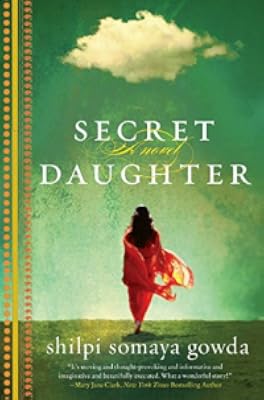
Secret Daughter
by Shilpi Somaya Gowda 
On This Page
Description
Interweaves the stories of a baby girl in India, the American doctor who adopted her, and the Indian mother who gave her up in favor of a son, as two families--one in India, the other in the United States--are changed by the child that connects them.Tags
Recommendations




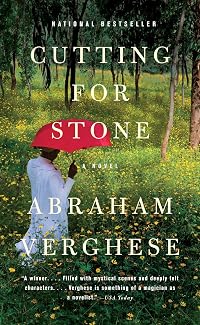



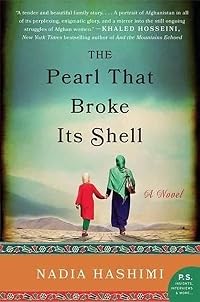












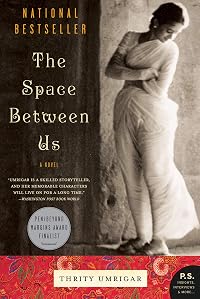




















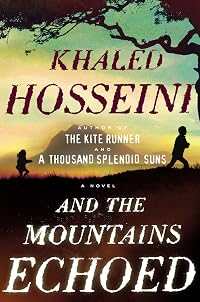


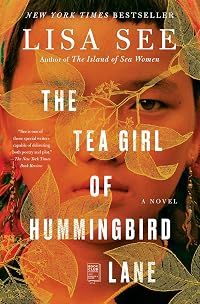

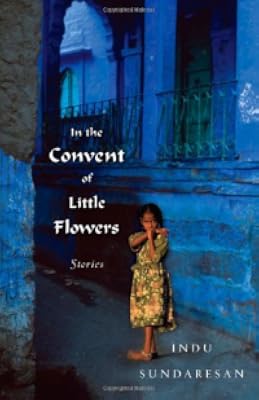


Member Recommendations

jo2son Both books are about a girl who is raised from infancy by an adoptive parent.
30

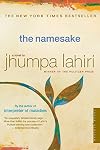
by anonymous user


vancouverdeb Both books are by the same author.Though they are different stories, each one features characters from India trying to adapt to life in North America. Obviously ,similar story telling.
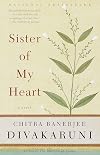

Member Reviews
While the synopsis states that the story is about the bond of motherhood, Secret Daughter is also a captivating look at life in India. In fact, of the two mothers, Kavita is the one who is the most sympathetic and leads the most intriguing lifestyle, if only because she leads a harsh life that is extremely foreign to those readers who are only familiar with the western world. The cultural differences, including the unusual birth rate statistics, are exposed in an intriguing and entirely realistic manner. In comparison, Somer's life in southern California is insipid and tedious. The result is an uneven novel that shines brightly as the story unfolds on Indian soil but languishes in the sections that occur in the United States.
The show more contrast between East versus West is a deliberate plot point, but the jaggedness of the story in the two locations was unexpected. Somer is simply boring. As a representative of the West, she is frankly embarrassing with her struggles to balance her excellent career with motherhood, with her failure to accept her husband's and daughter's culture, and her blindness to her own faults. Kavita, on the other hand, is a study in poise and grace under extreme pressure. Her problems make Somer's issues look downright trivial, and Kavita manages to outshine Somer because of her strength in the most trying circumstances. While Somer is trying to find contentment, Kavita is simply struggling to make ends meet. One just does not stand up to the other.
The unevenness of the story would hold up much better were Somer actually likable. Unfortunately, she is not. In addition to the huge difference in circumstances, Somer is plainly the opposite of Kavita in personality. Demanding and unforgiving, incapable of compromise and recognizing her own faults makes her a character that is tough to support. Combine that with a sense of superiority in certain areas and a sense of inferiority in others, and Somer is just as confusing and just as imbalanced as the two cultures. While a reader is supposed to sympathize with Somer's issues as a mother, the reader is instead left with a sense of relief each time the story switches focus to Kavita or Asha.
Secret Daughter will make a great book club read, as there is much to discuss and much to contemplate. It is really a tale of contrasts. East versus West, mother versus mother, even the contrasts that make up India all combine to create a novel that produces similarly disparate reactions within one reader. Eventually, the differences do meld together, highlighting the overarching point that no one culture/person/method is better than another, and the story evens out appropriately. By stressing the differences, Ms. Gowda showcases how similar mothers are everywhere, regardless of the cultural, socioeconomic, religious, political, racial, and educational gaps. In the end, the story does become a beautifully written lesson on the importance of acceptance and sacrifice.
Thank you to Chelsey Emmelhainz from HarperCollins Publishing for my review copy! show less
The show more contrast between East versus West is a deliberate plot point, but the jaggedness of the story in the two locations was unexpected. Somer is simply boring. As a representative of the West, she is frankly embarrassing with her struggles to balance her excellent career with motherhood, with her failure to accept her husband's and daughter's culture, and her blindness to her own faults. Kavita, on the other hand, is a study in poise and grace under extreme pressure. Her problems make Somer's issues look downright trivial, and Kavita manages to outshine Somer because of her strength in the most trying circumstances. While Somer is trying to find contentment, Kavita is simply struggling to make ends meet. One just does not stand up to the other.
The unevenness of the story would hold up much better were Somer actually likable. Unfortunately, she is not. In addition to the huge difference in circumstances, Somer is plainly the opposite of Kavita in personality. Demanding and unforgiving, incapable of compromise and recognizing her own faults makes her a character that is tough to support. Combine that with a sense of superiority in certain areas and a sense of inferiority in others, and Somer is just as confusing and just as imbalanced as the two cultures. While a reader is supposed to sympathize with Somer's issues as a mother, the reader is instead left with a sense of relief each time the story switches focus to Kavita or Asha.
Secret Daughter will make a great book club read, as there is much to discuss and much to contemplate. It is really a tale of contrasts. East versus West, mother versus mother, even the contrasts that make up India all combine to create a novel that produces similarly disparate reactions within one reader. Eventually, the differences do meld together, highlighting the overarching point that no one culture/person/method is better than another, and the story evens out appropriately. By stressing the differences, Ms. Gowda showcases how similar mothers are everywhere, regardless of the cultural, socioeconomic, religious, political, racial, and educational gaps. In the end, the story does become a beautifully written lesson on the importance of acceptance and sacrifice.
Thank you to Chelsey Emmelhainz from HarperCollins Publishing for my review copy! show less
The story is put together so perfectly, it's hard to believe this is a first novel. Gowda discusses sexual discrimination, culture clash, infertility, adoption, motherhood, marriage, families, regrets and reconsiderations never sounding gimmicky and always keeping the reader interested in the real people the characters could be. She mentions sexual selective abortions being done in India in a way that fits completely into the story while informing the reader of some of the consequences of India's "valuing some of her children more than others."
One quote brought to mind an idea that I hadn't considered before, "Adoption cures childlessness but it doesn't cure infertility". I didn't know why Somer should have had such low self esteem, show more such inability to trust in her ability to mother, such rejection of her husband's culture because of her anger at him except for the fact that she couldn't forgive herself for her lack of "womanhood." I love the way the various characters wind around each other discovering new things about themselves and each other and each other's culture. This is a very satisfying, interesting even compelling book.
I recommend this book to anyone who wants to know more about India, infertility, or family. show less
One quote brought to mind an idea that I hadn't considered before, "Adoption cures childlessness but it doesn't cure infertility". I didn't know why Somer should have had such low self esteem, show more such inability to trust in her ability to mother, such rejection of her husband's culture because of her anger at him except for the fact that she couldn't forgive herself for her lack of "womanhood." I love the way the various characters wind around each other discovering new things about themselves and each other and each other's culture. This is a very satisfying, interesting even compelling book.
I recommend this book to anyone who wants to know more about India, infertility, or family. show less
As soon as I read the first chapter, I was taken by the character of Kavita Merchant, a woman who chose to birth alone in secret without the help of a midwife or the knowledge and support of her husband in fear of placing her child in danger and at the mercy of a culture, which does not readily accept nor desire the birth of a baby girl.
Labour can be one of the most frightening and painful experiences for a woman and for Kavita to choose to experience it alone with nothing more than a tree branch between her teeth to muffle her screams is not only horrifically barbaric, but heroic. It goes to show just how much she is willing to sacrifice her own needs for that of her newborn baby.
It is however, ironic that the discrimination against show more the baby who is born is actually the catalyst for not only her survival, but her financial and cultural prosperity. Not every baby should be so lucky as found in the example of her older sister, a baby born only a few minutes, then killed by a relative as approved by her father simply because she was born the “wrong” sex and was deemed a useless burden that would one day require a dowry. This injustice drove Kavita to better preparation in her second pregnancy and stronger resolution to resist her husband and save her child at all cost.
Kavita’s drive to travel a day’s worth from her rural village to a city unknown to her, an overcrowded Mumbai, with the knowledge of what she must do to save her child’s life is not only unbearable to do, but unbearable for me, the reader, to have had to witness. It was so disturbing to me as a mother that after I had read the except, I went to my 17-month old daughter’s room and picked her up from the crib and held her tightly to me, glad that as a mother, I have not been put in a position to have had to make that kind of a decision.
Kavita Merchant’s polar character, Somer Thakkar, is a liberal, American doctor living in the United States who desires to be a mother, but cannot conceive. In the beginning of the novel I empathized with her inability to have her own biological children and even went so far as to understand her issues in seeing and dealing with pregnant women and pregnancy in general. But I found her character self-centered and presumptuous. Even her relationship with her husband, his family, and namely his Indian culture portrayed her as self-righteous, as someone with an inability to adapt, and a person with a judgmental attitude due to her liminality that it almost bordered racism. Aside from that, she seemed to me to be a very insecure individual, possessive of her adopted daughter, always fearful her daughter would potentially seek and wish to build a relationship with her biological parents. Perhaps somewhere in the recesses of a mother’s heart lies a deep-rooted fear to lose a child emotionally or lose the primary role of being a mother. Though I strongly disagree. Unfortunately, I found this to be immature on behalf of a character who was dutifully scrutinized by adopting agencies and its affiliates to be exactly opposite---a person mature enough to be worthy and well-fit to be a parent.
Secondary characters such as Jasu, Kavita’s ambitious husband must deal with his personal failure as a man and as a father in first, his choice to allow his eldest daughter to be killed; second, his failure in providing proper leadership to his son, Vijay; and third, his inability to successfully provide for his family due to his prideful ambition and illusions about the city of Mumbai. Rather than return to the village of his former home where his wife and son would have been better taken care of, he allowed them to tolerate living in the slums rather than swallow his pride about his own error in judgement.
Krishnan, Somer’s husband who is also a doctor and a product of two worlds, India and America, seemed to be ignorant to his wife’s peripheral, cultural relationship with their adopted daughter. He attested to encouraging her knowledge and personal development when it came to learning their shared Indian culture, yet desired and pressured her to follow his chosen career path. Rather than fully support her dreams of becoming a journalist, he made it clear that he not only disapproved, but wished she become a doctor like himself.
The men in this novel are flawed compared to the women, but it’s not so much a novel about the battle between the sexes, but the complexities of motherhood, of parenthood, and the question and re-definition of home and family.
Usha/Asha is named twice, most likely an intentional clue by the author alluding to the character’s duality and her search for understanding her own identity. She is a daughter of two cultures, two worlds, and two family histories. And she must come to terms with both.
Though I found Usha/Asha’s questions of identity natural and almost inevitable, I did, find the resolutions around her, too simple. Frankly, I found her to be spoiled and ungrateful and later, a daughter of clichés rather than secrets. She had a biological mother who mourned for her and an adopted mother who succumbed to her every wish in fear of losing her love by being even a bit contradictory or strict simply because she is an adopted mother, rather than a biological one. Why would a mother choose to walk on eggshells around her daughter at the fear of her own insecurities? Even Asha’s paternal extended family, including her grandmother, seemed to have afforded her special treatment. The explanation stated that it had to do more with desiring a girl/daughter, but I suspect it had more to do with her being an American and being adopted. But that’s a guess, if not my own instinct.
I did, however, feel for Kavita, Usha’s biological mother. After mourning many years without any knowledge of her daughter’s existence or whereabouts, the actual opportunity to meet her daughter in person was marred not only by her daughter’s presumptuousness, but was also prevented by her mother’s death. Perhaps her mother's death signified her own maternal death to Usha, who now chose to be called Asha and would choose to define her family within the boundaries of her adopted family, rather than her biological one. How quickly characters like Somer and Asha judged Kavita so harshly. Somer had told Asha at one point, “At least I wanted you.” What a horrible thing to say to a person, let alone a child. And to presume just because Usha’s biological mother gave her away, meant that she wasn’t wanted by her! Ludicrous! And Asha, to assume the worst of her parents simply because she discovered she had a younger brother showed the depth or rather lack of depth of her immaturity. I did not feel by any means, that justice was served by addressing Kavita’s longing with nothing more than a written letter. Imagine, she walked a day’s worth to save her child and all she received in return was a letter from her daughter? Not even a phone call or a personal meeting? And on her death bed! What a shame!
Though the premise of the book was promising and the read mostly enjoyable and easy, I found the characters shallow, predictable, and clichéd. If life were as simple as fated meetings, handsome boyfriends, and dot-to-dot conclusions, then this book would be extraordinary. Its only extraordinariness is found in how far-fetched and easy the plot seemed.
Though, I remain faithful to my heroine, Kavita. Where the story was told in her blistered feet, her lactating breasts, her shrieks of loss, her sacrifice in the slums, and her respect in maintaining her husband’s honour, I found some form of solace and redemption. She was not born to privilege in the same ways Somer, Krishnan, Dadijima, or even Asha were raised, but was intelligent, brave, and self-sacrificing enough that all other characters around her were able to benefit from the one choice---the one burden----she willingly made. She gave up her daughter so everyone except herself could gain.
Perhaps that is the true kernel of wisdom regarding motherhood. Perhaps... show less
Labour can be one of the most frightening and painful experiences for a woman and for Kavita to choose to experience it alone with nothing more than a tree branch between her teeth to muffle her screams is not only horrifically barbaric, but heroic. It goes to show just how much she is willing to sacrifice her own needs for that of her newborn baby.
It is however, ironic that the discrimination against show more the baby who is born is actually the catalyst for not only her survival, but her financial and cultural prosperity. Not every baby should be so lucky as found in the example of her older sister, a baby born only a few minutes, then killed by a relative as approved by her father simply because she was born the “wrong” sex and was deemed a useless burden that would one day require a dowry. This injustice drove Kavita to better preparation in her second pregnancy and stronger resolution to resist her husband and save her child at all cost.
Kavita’s drive to travel a day’s worth from her rural village to a city unknown to her, an overcrowded Mumbai, with the knowledge of what she must do to save her child’s life is not only unbearable to do, but unbearable for me, the reader, to have had to witness. It was so disturbing to me as a mother that after I had read the except, I went to my 17-month old daughter’s room and picked her up from the crib and held her tightly to me, glad that as a mother, I have not been put in a position to have had to make that kind of a decision.
Kavita Merchant’s polar character, Somer Thakkar, is a liberal, American doctor living in the United States who desires to be a mother, but cannot conceive. In the beginning of the novel I empathized with her inability to have her own biological children and even went so far as to understand her issues in seeing and dealing with pregnant women and pregnancy in general. But I found her character self-centered and presumptuous. Even her relationship with her husband, his family, and namely his Indian culture portrayed her as self-righteous, as someone with an inability to adapt, and a person with a judgmental attitude due to her liminality that it almost bordered racism. Aside from that, she seemed to me to be a very insecure individual, possessive of her adopted daughter, always fearful her daughter would potentially seek and wish to build a relationship with her biological parents. Perhaps somewhere in the recesses of a mother’s heart lies a deep-rooted fear to lose a child emotionally or lose the primary role of being a mother. Though I strongly disagree. Unfortunately, I found this to be immature on behalf of a character who was dutifully scrutinized by adopting agencies and its affiliates to be exactly opposite---a person mature enough to be worthy and well-fit to be a parent.
Secondary characters such as Jasu, Kavita’s ambitious husband must deal with his personal failure as a man and as a father in first, his choice to allow his eldest daughter to be killed; second, his failure in providing proper leadership to his son, Vijay; and third, his inability to successfully provide for his family due to his prideful ambition and illusions about the city of Mumbai. Rather than return to the village of his former home where his wife and son would have been better taken care of, he allowed them to tolerate living in the slums rather than swallow his pride about his own error in judgement.
Krishnan, Somer’s husband who is also a doctor and a product of two worlds, India and America, seemed to be ignorant to his wife’s peripheral, cultural relationship with their adopted daughter. He attested to encouraging her knowledge and personal development when it came to learning their shared Indian culture, yet desired and pressured her to follow his chosen career path. Rather than fully support her dreams of becoming a journalist, he made it clear that he not only disapproved, but wished she become a doctor like himself.
The men in this novel are flawed compared to the women, but it’s not so much a novel about the battle between the sexes, but the complexities of motherhood, of parenthood, and the question and re-definition of home and family.
Usha/Asha is named twice, most likely an intentional clue by the author alluding to the character’s duality and her search for understanding her own identity. She is a daughter of two cultures, two worlds, and two family histories. And she must come to terms with both.
Though I found Usha/Asha’s questions of identity natural and almost inevitable, I did, find the resolutions around her, too simple. Frankly, I found her to be spoiled and ungrateful and later, a daughter of clichés rather than secrets. She had a biological mother who mourned for her and an adopted mother who succumbed to her every wish in fear of losing her love by being even a bit contradictory or strict simply because she is an adopted mother, rather than a biological one. Why would a mother choose to walk on eggshells around her daughter at the fear of her own insecurities? Even Asha’s paternal extended family, including her grandmother, seemed to have afforded her special treatment. The explanation stated that it had to do more with desiring a girl/daughter, but I suspect it had more to do with her being an American and being adopted. But that’s a guess, if not my own instinct.
I did, however, feel for Kavita, Usha’s biological mother. After mourning many years without any knowledge of her daughter’s existence or whereabouts, the actual opportunity to meet her daughter in person was marred not only by her daughter’s presumptuousness, but was also prevented by her mother’s death. Perhaps her mother's death signified her own maternal death to Usha, who now chose to be called Asha and would choose to define her family within the boundaries of her adopted family, rather than her biological one. How quickly characters like Somer and Asha judged Kavita so harshly. Somer had told Asha at one point, “At least I wanted you.” What a horrible thing to say to a person, let alone a child. And to presume just because Usha’s biological mother gave her away, meant that she wasn’t wanted by her! Ludicrous! And Asha, to assume the worst of her parents simply because she discovered she had a younger brother showed the depth or rather lack of depth of her immaturity. I did not feel by any means, that justice was served by addressing Kavita’s longing with nothing more than a written letter. Imagine, she walked a day’s worth to save her child and all she received in return was a letter from her daughter? Not even a phone call or a personal meeting? And on her death bed! What a shame!
Though the premise of the book was promising and the read mostly enjoyable and easy, I found the characters shallow, predictable, and clichéd. If life were as simple as fated meetings, handsome boyfriends, and dot-to-dot conclusions, then this book would be extraordinary. Its only extraordinariness is found in how far-fetched and easy the plot seemed.
Though, I remain faithful to my heroine, Kavita. Where the story was told in her blistered feet, her lactating breasts, her shrieks of loss, her sacrifice in the slums, and her respect in maintaining her husband’s honour, I found some form of solace and redemption. She was not born to privilege in the same ways Somer, Krishnan, Dadijima, or even Asha were raised, but was intelligent, brave, and self-sacrificing enough that all other characters around her were able to benefit from the one choice---the one burden----she willingly made. She gave up her daughter so everyone except herself could gain.
Perhaps that is the true kernel of wisdom regarding motherhood. Perhaps... show less
Two families continents apart connected by one girl, this novel, set in India and the US and tackling adoption, infertility, identity, self, and the definition of family was a compelling read. It opens with the birth of a baby girl whose mother must make the terrible decision to abandon her at an orphanage in the city if she wants her baby to live. Girls are not valued in their small village, as evidenced by the fact that the first baby girl born to Kavita and Jasu was killed soon after her birth. But Kavita will do everything in her power to make sure that tiny Usha (meaning dawn) survives. Half a world away in San Francisco, pediatrician Somer suffers yet another miscarriage, ultimately discovering the devastating news that she and show more husband Krishnan won't be able to have children. After much deliberation, they decide to adopt and specifically to adopt from Krishnan's home country, India. The adorable little girl who becomes their daughter is Asha (meaning hope) a misreading of her original given name, Usha
As Somer works through the grief of learning she'll never have a biological child and comes to the idea of adoption, Kavita learns that she is pregnant again but this time, thanks to the wonders of ultrasound, with a boy who she will be able to keep and to love even as she still loves her two lost daughters. The novel alternates between California and India, concerned with Asha's privileged life in the US and Kavita and Jasu's life of striving in Bombay, where they moved to try and better their lot. The contrasts between the experiences of the two mothers, Somer and Kavita, and their concerns for their children are stark but they are also bound by similarities common to all mothers.
This is not only a book about mothers and daughters but about belonging and the ways in which the heart is indelibly bound both through blood and through love. Asha questions who she is, the daughter of a white woman and an Indian man but adopted and fully Indian herself. She struggles with her cultural identity alongside the many unanswered questions that face adoptees with little to no information on their birth families.
Kavita never recovers from losing Usha and so she wraps her whole being into raising her son, Vijay all the while keeping the shadow of her baby daughter tucked away, hidden. As Kavita and Jasu raise their precious son, they exhaust themselves to try and make a better life, slowly pulling themselves up from desperate poverty, centimeter by agonizing centimeter. Gowda has definitely drawn a vivid and heartbreaking portrait of the struggle for life in Bombay's slums.
Motherhood and what we owe our mothers looms large here. The complex ways in which daughters and mothers interact, the ways they hurt one another, and the ways they hold each other close are very important. Somer loved and raised Asha. She is clearly Asha's mother. But Kavita too is Asha's mother, having loved her enough to save her life. And it is the not knowing this second mother or her love that drives Asha's college life, her quest for an identity as defined through both of her mothers.
The stories are gripping and the female characters complex and interesting. Each one grapples with such different demons that the reader is in sympathy with all three women, Somer, Kavita, and Asha as they face the hand that life dealt them and forge ahead, always tied by sometimes invisible threads. For readers who have an interest in the long term effects of international adoption, those who enjoy mother daughter stories, and those who have a yen to read about the complex and fascinating reality of life in India, this will fit the bill perfectly. It's strong, heartbreak,ing and well written, a definite page turner. show less
As Somer works through the grief of learning she'll never have a biological child and comes to the idea of adoption, Kavita learns that she is pregnant again but this time, thanks to the wonders of ultrasound, with a boy who she will be able to keep and to love even as she still loves her two lost daughters. The novel alternates between California and India, concerned with Asha's privileged life in the US and Kavita and Jasu's life of striving in Bombay, where they moved to try and better their lot. The contrasts between the experiences of the two mothers, Somer and Kavita, and their concerns for their children are stark but they are also bound by similarities common to all mothers.
This is not only a book about mothers and daughters but about belonging and the ways in which the heart is indelibly bound both through blood and through love. Asha questions who she is, the daughter of a white woman and an Indian man but adopted and fully Indian herself. She struggles with her cultural identity alongside the many unanswered questions that face adoptees with little to no information on their birth families.
Kavita never recovers from losing Usha and so she wraps her whole being into raising her son, Vijay all the while keeping the shadow of her baby daughter tucked away, hidden. As Kavita and Jasu raise their precious son, they exhaust themselves to try and make a better life, slowly pulling themselves up from desperate poverty, centimeter by agonizing centimeter. Gowda has definitely drawn a vivid and heartbreaking portrait of the struggle for life in Bombay's slums.
Motherhood and what we owe our mothers looms large here. The complex ways in which daughters and mothers interact, the ways they hurt one another, and the ways they hold each other close are very important. Somer loved and raised Asha. She is clearly Asha's mother. But Kavita too is Asha's mother, having loved her enough to save her life. And it is the not knowing this second mother or her love that drives Asha's college life, her quest for an identity as defined through both of her mothers.
The stories are gripping and the female characters complex and interesting. Each one grapples with such different demons that the reader is in sympathy with all three women, Somer, Kavita, and Asha as they face the hand that life dealt them and forge ahead, always tied by sometimes invisible threads. For readers who have an interest in the long term effects of international adoption, those who enjoy mother daughter stories, and those who have a yen to read about the complex and fascinating reality of life in India, this will fit the bill perfectly. It's strong, heartbreak,ing and well written, a definite page turner. show less
 This review was written for LibraryThing Early Reviewers.
"La figlia segreta" è l'opera d'esordio dell'autrice indoamericana Shilpi S. Gowda. Un romanzo commuovente e coinvolgente che narra la vita di due famiglie diametralmente opposte che si ritrovano unite dall'esistenza della piccola Usha, d'origina indiana ma americana per adozione.
La storia si snoda nel tempo e nello spazio. Ci parla della vita difficile e magra di Kavita che, incinta, finirà col dare nuovamente alla luce una magnifica bambina, Asha. Come la prima volta, però, la disperata situazione familiare di Kavita non le permetterà di tenere con sè questa piccola; la morte è tutto quello che spetta a questa creatura non adatta ad aiutare, in futuro, la famiglia. Kavita, incapace di accettare nuovamente questo tragico destino show more per sua figlia decide di portarla via di nascosto e lasciarla presso un orfanotrofio con la speranza di salvarla.
Immediatamente ci spostiamo nello spazio e conosciamo la famiglia di Somer e Krishnan, coppia americana alla disperata ricerca di un figlio. Figlio che però non arriverà mai, fino a quando non decideranno di adottarne uno anche nella speranza di rinsaldare quel rapporto che piano piano si stava logorando sotto i colpi della disperazione di Somer, per la sua infertilità, e l'apparente indifferenza di Krishnan che non riesce a comprendere la moglie, per quanto si sforzi.
Arriverà nelle loro vite la piccola Asha che regalerà ad entrambi la pace e la serenità che tanto desideravano. Il loro amore si rafforza e la famiglia sembra crescere assieme alla bambina nella più totale gioia e felicità, senonchè, ovviamente, crescendo Asha inizierà a sentire sempre più forte il richiamo della sua terra d'origine e la voglia, in un certo senso, di riappropriarsi anche del suo passato.
L'autrice ha una capacità straordinaria di narrare con facilità alcune fra le tematiche più complesse e sentite della nostra società, ne parla con maestria ed eleganza incredibile. La disperazione di una madre costretta a rinunciare alla propria figlia, la struggente situazione di una parte "sfortunata" della popolazione indiana, costretta a decidere se far vivere o morire i propri figli in base al possibile rendimento futuro... Senza contare l'assoluto tormento interiore che avvolge il cuore di una madre come Somar che, tradita dal suo corpo, la sua stessa essenza, non riesce a procreare sentendosi inadatta, inutile e fallita come donna e compagna.
Entrambe queste donne, con apparentemente niente in comune, si ritroveranno ad avere "il tutto" che le unisce: una figlia. Una, madre con una figlia segreta che continuerà ad amare e ricordare fino in punto di morte, e l'altra che si ritroverà ad amare più della sua stessa vita una ragazza che, in realtà, non ha dato alla luce. Saranno proprio loro, Kavita e Somer, a narrarci la storia della piccola e poi giovane donna Asha alla faticosa ricerca delle proprie radici e di se stessa, a cavallo fra la moderna e industrializzata america e la povera e disperata Mumbai.
Un romanzo straordinariamente appassionante, scritto veramente bene, che riesce ad avviluppare l'anima del lettore dalla prima all'ultima pagina, coinvolgendolo e commuovendolo. show less
La storia si snoda nel tempo e nello spazio. Ci parla della vita difficile e magra di Kavita che, incinta, finirà col dare nuovamente alla luce una magnifica bambina, Asha. Come la prima volta, però, la disperata situazione familiare di Kavita non le permetterà di tenere con sè questa piccola; la morte è tutto quello che spetta a questa creatura non adatta ad aiutare, in futuro, la famiglia. Kavita, incapace di accettare nuovamente questo tragico destino show more per sua figlia decide di portarla via di nascosto e lasciarla presso un orfanotrofio con la speranza di salvarla.
Immediatamente ci spostiamo nello spazio e conosciamo la famiglia di Somer e Krishnan, coppia americana alla disperata ricerca di un figlio. Figlio che però non arriverà mai, fino a quando non decideranno di adottarne uno anche nella speranza di rinsaldare quel rapporto che piano piano si stava logorando sotto i colpi della disperazione di Somer, per la sua infertilità, e l'apparente indifferenza di Krishnan che non riesce a comprendere la moglie, per quanto si sforzi.
Arriverà nelle loro vite la piccola Asha che regalerà ad entrambi la pace e la serenità che tanto desideravano. Il loro amore si rafforza e la famiglia sembra crescere assieme alla bambina nella più totale gioia e felicità, senonchè, ovviamente, crescendo Asha inizierà a sentire sempre più forte il richiamo della sua terra d'origine e la voglia, in un certo senso, di riappropriarsi anche del suo passato.
L'autrice ha una capacità straordinaria di narrare con facilità alcune fra le tematiche più complesse e sentite della nostra società, ne parla con maestria ed eleganza incredibile. La disperazione di una madre costretta a rinunciare alla propria figlia, la struggente situazione di una parte "sfortunata" della popolazione indiana, costretta a decidere se far vivere o morire i propri figli in base al possibile rendimento futuro... Senza contare l'assoluto tormento interiore che avvolge il cuore di una madre come Somar che, tradita dal suo corpo, la sua stessa essenza, non riesce a procreare sentendosi inadatta, inutile e fallita come donna e compagna.
Entrambe queste donne, con apparentemente niente in comune, si ritroveranno ad avere "il tutto" che le unisce: una figlia. Una, madre con una figlia segreta che continuerà ad amare e ricordare fino in punto di morte, e l'altra che si ritroverà ad amare più della sua stessa vita una ragazza che, in realtà, non ha dato alla luce. Saranno proprio loro, Kavita e Somer, a narrarci la storia della piccola e poi giovane donna Asha alla faticosa ricerca delle proprie radici e di se stessa, a cavallo fra la moderna e industrializzata america e la povera e disperata Mumbai.
Un romanzo straordinariamente appassionante, scritto veramente bene, che riesce ad avviluppare l'anima del lettore dalla prima all'ultima pagina, coinvolgendolo e commuovendolo. show less
Somer is an accomplished medical doctor who discovers that she has sacrificed the family she has always wanted for the career that she has spent the first half of her life working towards. Kavita is your average Indian woman who hopes for the simple things in life, a honest husband, children to help with the home, and a roof to keep them all together. Two different women, two different lives, but both are inexplicably connected by one special girl - Asha. For Somer, she is the adopted daughter that she has always yearned for but couldn't conceive. For Kavita, she is the biological daughter that she has loved but cannot keep. Secret Daughter is the journey of these three women as they discover that the bonds of family and motherhood show more extend beyond the boundaries of physical ties and that love is a force that transcends beyond the limitations of our own human frailties and selfishness.
Secret Daughter is a solid debut novel by Gowda as she explores the themes of adoption and how that affects not only the adopted, but the family that is left behind and the new family that is ushered into parenthood. The story was both gripping and heartbreaking, tragic yet triumphant. The heart of a mother is illuminated, showing us that motherhood comes in all different forms and fashions, but the tears, the joys, and the love for our children, is a truth that is universally shared and celebrated. show less
Secret Daughter is a solid debut novel by Gowda as she explores the themes of adoption and how that affects not only the adopted, but the family that is left behind and the new family that is ushered into parenthood. The story was both gripping and heartbreaking, tragic yet triumphant. The heart of a mother is illuminated, showing us that motherhood comes in all different forms and fashions, but the tears, the joys, and the love for our children, is a truth that is universally shared and celebrated. show less
I loved the premise of this book - the issue of motherhood, what makes a mother, what a mother will do for her child, what makes a family. The issue is portrayed in the context of Indian culture which adds an additional element of interest. Unfortunately, the book falls short because it oversimplifies many things - what drew Krishnan and Somar together when they are so different and she was so resistent to his culture? How was Kavita able to get away long enough to the city to accomplish what she did? How was Krishnan's family so accepting of his leaving the country, his marriage, and his adopted daughter? How did Asha assimilate so quickly into a culture and a family she did not know?
I did enjoy the book but found the treatment a show more little shallow. show less
I did enjoy the book but found the treatment a show more little shallow. show less
Members
- Recently Added By
Published Reviews
ThingScore 88
First-time author Shilpi Somaya Gowda brings to life two opposing but heart-rending concerns to jump-start her novel – infertility for North American women and the disregard for girls in India – through the stories of two families, the American Thakkars, both doctors, and the poverty-stricken Merchants in rural India..The novel is often emotionally poignant, especially when Gowda taps into show more the losses and fears that both mothers face, or as Asha slowly begins to appreciate what a family in all its intricacies can mean. show less
added by vancouverdeb
In her engaging debut, Gowda weaves together two compelling stories... Gowda writes with compassion and uncanny perception ..., while portraying the vibrant traditions, sights, and sounds of modern India.
added by ShilpiGowda
Dualities abound in this engrossing first novel by Dallas writer Shilpi Somaya Gowda.
The story arcs over 25 years in two nations with very different cultures: India and the United States. The narrative follows two sets of parents, and at the heart of the tale are two children..The sounds, scents and sights of India are vividly drawn, pulling the reader deep into a culture that most of us have show more only glimpsed, perhaps, in Slumdog Millionaire. Two worlds collide, then meld, in a story that intimately considers how we all are shaped, through fate or free will, nurture or nature, by the astounding power of family love show less
added by vancouverdeb
Lists

All Things India
95 works; 21 members

CBC Books - Canada's 100 (+ bonus 10): Which have you read?
110 works; 23 members

Best Family Stories
241 works; 22 members

Female Protagonist
1,056 works; 57 members

Books Read in 2014
2,343 works; 89 members

Mothers and Daughters
114 works; 11 members

Indian Diaspora
42 works; 2 members

Best books I read in 2013
152 works; 3 members
Author Information

8 Works 2,811 Members
Shilpi Somaya Gowda is a LibraryThing Author, an author who lists their personal library on LibraryThing.
Awards and Honors
Notable Lists
Series
Belongs to Publisher Series
KiWi Paperback (1286)
Gallimard, Folio (5477)
Common Knowledge
- Canonical title
- Secret Daughter
- Original title
- Secret daughter
- Original publication date
- 2010-03-09
- People/Characters
- Kavita Merchant; Jasu Merchant; Asha Thakkar; Somer Whitman Thakkar; Krishnan Thakkar; Vijay Merchant
- Important places
- Mumbai, India; Dahanu, India; Palo Alto, California, USA; San Francisco, California, USA; Stanford, California, USA; San Francisco Bay Area, California, USA (show all 9); Menlo Park, California, USA; Bombay, India; India
- Related movies
- Slumdog Millionaire (2008 | IMDb); The Namesake; City of Joy
- Dedication
- For my parents --
for giving much in their lives
so that anything might be possible in mine - First words
- He clutches the worn slip of paper in his hand, trying to compare the letters written there to the red sign hanging on the door in front of him.
- Quotations
- Her mother always said the key to a successful marriage was for each spouse to give as much as they thought they possibly could. And then, to give a little more. Somewhere in that extra giving, in the space created by gener... (show all)osity without score keeping, was the difference between marriages that thrived and those that didn't.
- Last words
- (Click to show. Warning: May contain spoilers.)"My name is Asha..."
- Publisher's editor
- Feron, Carrie
- Blurbers
- Divakaruni, Chitra Banerjee ; Banerjee, Anjali ; Massey, Sujata ; Clark, Mary Jane ; Frank, Dorothea Benton ; Kent, Kathleen
Classifications
Statistics
- Members
- 2,014
- Popularity
- 10,376
- Reviews
- 144
- Rating
- (3.77)
- Languages
- 9 — Danish, Dutch, English, French, German, Italian, Norwegian (Bokmål), Spanish, Swedish
- Media
- Paper, Audiobook, Ebook
- ISBNs
- 36
- ASINs
- 9
