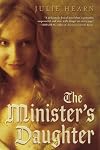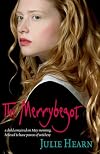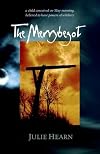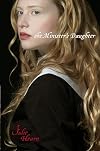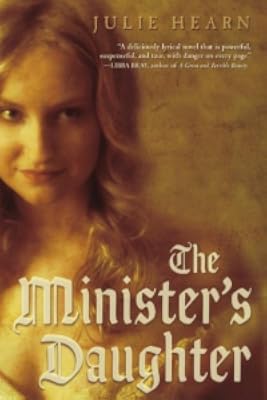
The Minister's Daughter
by Julie Hearn
On This Page
Description
In 1645 in England, the daughters of the town minister successfully accuse a local healer and her granddaughter of witchcraft to conceal an out-of-wedlock pregnancy, but years later during the 1692 Salem trials their lie has unexpected repercussions.Tags
Recommendations

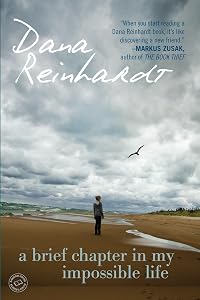
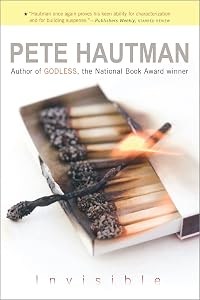
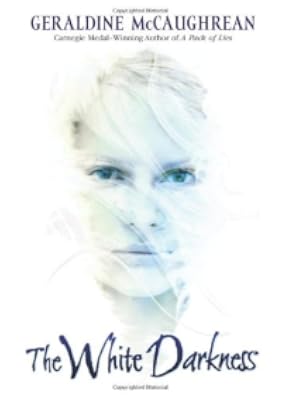
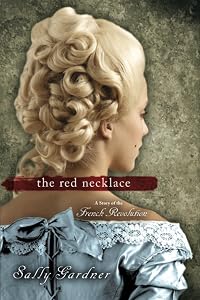

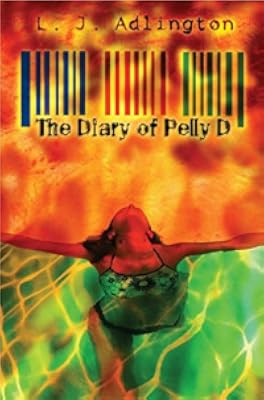
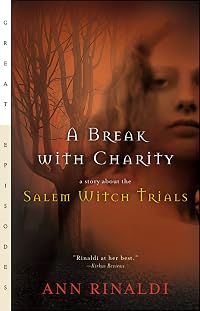
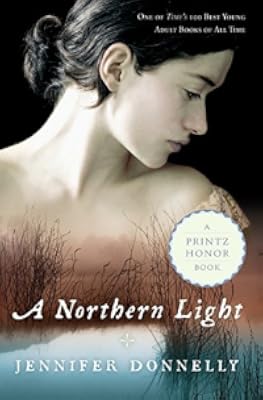

Member Recommendations
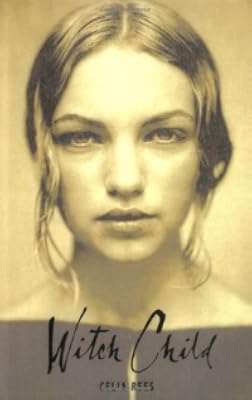
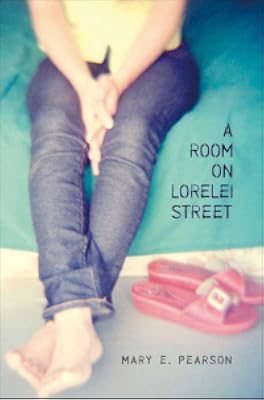
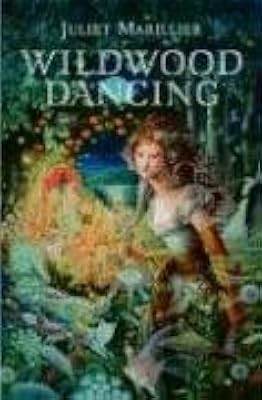
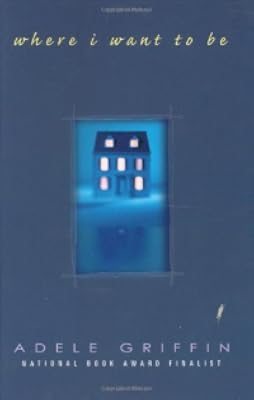
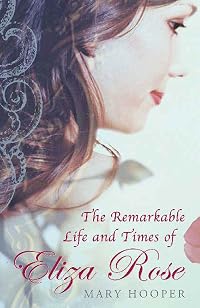
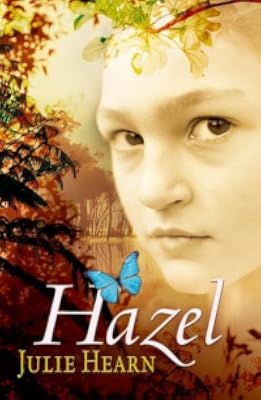
wegc Girlwood and The Merrybegot both have elements of magic and herbal lore, though Girlwood is set in modern times.
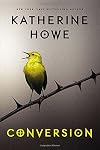
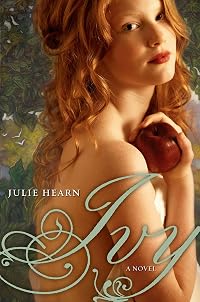
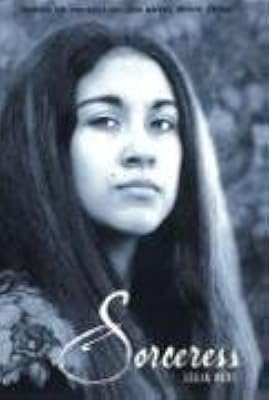
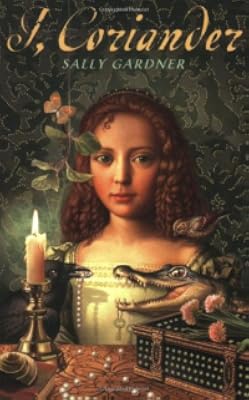
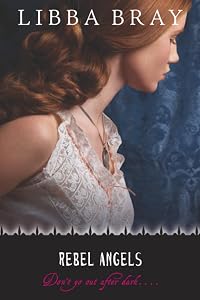
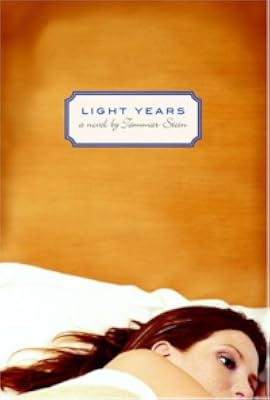
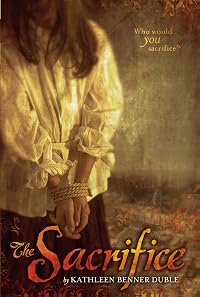
BookshelfMonstrosity Mass hysteria spreads alongside accusations of witchcraft in these novels about teen girls who find power in unconventional behavior. Conversion perceives reflections of colonial New England in a contemporary private school while The Minister's Daughter takes place in the 17th century.
Member Reviews
Essentially, this is a young-adult blend of the Salem witch trials and a fantasy-creatures book. (In England, not Salem, but a Puritan witch hunt all the same.) Since it begins as a straightforward-seeming historical novel, I was really surprised when the fantasy element was introduced, when it became clear that the mentions of "piskies" and "fairymenchildren" were real and not just excuses for old-timey dialogue. At first this was exciting, but ultimately I think the blend is really really awkward. I wouldn't guess that, for example, a scene in which a teenage midwife attends to the delivery of a fairy birth could be so boring. Maybe this is just because by chance I read this book immediately after Elske, but I saw the main drive of show more the plot coming as soon as I read the dustjacket. I'd put forth a theory that midwives should soon be off-limits subjects for historical fiction, in the "not trying hard enough" category, except that it was one of my favorites as a young adult reader (Karen Cushman anyone?) and also it can be quite powerful when utilized well for plot or atmosphere.HEY LET'S TALK ABOUT THAT. I have to explain something. Here's a synopsis of part of the story: There's a pregnant girl. Her family's Puritan. So the pregnant girl comes to the midwife protagonist to say, I really need this to stop and I think you can help. And the midwife is like, ok I believe you, and yes I have "old ways" that will help you out of this, let me do that right now. And the girl says, OMG thank you. And the midwife says, wait a minute, is there a small chance that this conception occurred on this particular day that is special to my pagan beliefs? And the girl is like, I have no freaking clue which day it was, so maybe yes. And the midwife is like, well, I have to change my mind now, because my traditional religion prevents me from harming this child if it is sacred in this way, as ending the pregnancy would go against nature. EVEN THOUGH I truly think that your father might murder you as soon as he realizes you've shamed him, I've gotta rescind this offer. And since I am the NICE character and you are the MEAN character, the story indicates this is 100% the right thing to happen!Because then, for the remainder of the story, this pregnant girl is the villain. The midwife protagonist continues to enjoy her magical pagan beliefs, they are portrayed to the reader as sweet and natural and earthy and we learn more about them. We hear things like "Whatever is set in motion once ... the Powers [are] summoned is meant to be... I knew that your coming was inevitable." Their description of their faith in their customs sounds exactly like how contemporary fundamentalist Christians describe their beliefs, but here it is meant to be lovely and folksy -- and factual. The story rewards the midwife's decision because when the baby is born, it is indeed a sacred child as suspected and given special mystical treatment by "the Powers" just like she said. See, isn't it good she didn't help the girl get an abortion? THAT BABY COULD END UP PRESIDENT.How do your free-spirited non-Christian protagonists end up more conservative than THE PURITANS? What's most frustrating is that I think this is all completely accidental on Julie Hearn's part. Biographical facts seem to indicate she's not intentionally putting across an anti-abortion screed; she has a masters degree in women's studies from Oxford, and references her research of feminist criticism. And I don't think she meant to portray an informative, cautionary story of how all types of ideologies can lead to suppression of women's freedom. MOST LIKELY, she is just an author who is simply thoughtless in her pursuit of style. I think Julie Hearn just likes fairies. What a disappointing reason to let girls down. show less
I love when books talk about heresy and heretics and this one didn’t disappoint! While it was sometimes slow, I bet it was carefully planned for us to get attached to Nell (the MC) and her granny because I truly did. They are so sweet and lovable though persecuted. Also, the ending...! It left me baffled and wanting more. Questioning, too. But the author made sure I would remember it even in my old days. I recommend it without a doubt!
Seriously cool treatment of the 17th century witch hunts, and the women who faked demonic possession to excuse their bad behavior.
I love this book. The plot is simple but perfectly worked out. What makes this book so special, though, is the rich quality of the prose. It's funny and earthy and poetic and tender. Julie Hearn is a very clever writer.
The story is told from two perspectives: third-person, present tense narration describes events in England in 1645 and first-person past tense narration through Patience's eyes. In 1645, England is fighting a civil war and the Puritans amuse themselves by torturing and killing witches. Patience's story, told in a courtroom in 1692, give us another view of the truth.
Nell is the granddaughter of the local healer. Granny is starting to lose touch with reality and Nell tries to learn as much as she can about the healing arts before her grandmother dies.
Grace, the minister's beautiful daughter, sneaks out to meet a boy and ends up pregnant. Afraid to tell her father the truth, she decides to accuse Nell and her grandmother of witchcraft. show more She gets her gullible younger sister to join her, and the two girls pretend to be under a curse. The villagers quickly sink into a mob mentality and capture Nell's grandmother and then Nell herself.
Fairies and piskies add a touch of fantasy, but overall, I would classify this book as historical fiction. While the old-fashioned way the characters speak and the switch in perspective may give some readers a hard time, it doesn't take long to become entranced by this marvelous story. show less
Nell is the granddaughter of the local healer. Granny is starting to lose touch with reality and Nell tries to learn as much as she can about the healing arts before her grandmother dies.
Grace, the minister's beautiful daughter, sneaks out to meet a boy and ends up pregnant. Afraid to tell her father the truth, she decides to accuse Nell and her grandmother of witchcraft. show more She gets her gullible younger sister to join her, and the two girls pretend to be under a curse. The villagers quickly sink into a mob mentality and capture Nell's grandmother and then Nell herself.
Fairies and piskies add a touch of fantasy, but overall, I would classify this book as historical fiction. While the old-fashioned way the characters speak and the switch in perspective may give some readers a hard time, it doesn't take long to become entranced by this marvelous story. show less
Set in 1645 England, Nell is the village midwife's granddaughter. Grace and Patience are the daughters of the local puritan minister who is dedicated to wiping out the old ways...ways which Nell, her grandmother, and the villagers continue to practice. When Grace gets in trouble, witchcraft becomes the scapegoat, and it doesn't take much to guess who will be targeted.
Told from the perspectives of Nell, Patience, the piskies, and a third person narrator, the reader experiences the events of the story from several points of view. A heavy 17th century atmosphere is brightened with fantastical elements like faeries and piskies, while a silly fantasy is given weight by rich descriptions of life in the 17th century. In addition, this tale is show more filled with strong women forced into situations that test their strength--for the better and worse. Though parts of Hearn's tale feel contrived, overall it is an engrossing read filled with important questions about the nature of evil, respect for life and nature, and reaping what you sow.
This is an utterly discussable book that would make a great bookclub selection.
*A note on the audio book: Heather O'Neill, the reader adds even more life to an absorbing novel. Each character voice is subtly different, defining the different points of view from which the story is told and adding even more interest to already colorful characters without distracting from Hearn's written text.
Request this title from Howard County Library http://tinyurl.com/yrcdta show less
Told from the perspectives of Nell, Patience, the piskies, and a third person narrator, the reader experiences the events of the story from several points of view. A heavy 17th century atmosphere is brightened with fantastical elements like faeries and piskies, while a silly fantasy is given weight by rich descriptions of life in the 17th century. In addition, this tale is show more filled with strong women forced into situations that test their strength--for the better and worse. Though parts of Hearn's tale feel contrived, overall it is an engrossing read filled with important questions about the nature of evil, respect for life and nature, and reaping what you sow.
This is an utterly discussable book that would make a great bookclub selection.
*A note on the audio book: Heather O'Neill, the reader adds even more life to an absorbing novel. Each character voice is subtly different, defining the different points of view from which the story is told and adding even more interest to already colorful characters without distracting from Hearn's written text.
Request this title from Howard County Library http://tinyurl.com/yrcdta show less
The novel is enthralling and enchanting, hard to put down once you start. In the English country in the seventeenth century, Nell lives with her wisewoman grandmother, the town herbalist, midwife, and spellbringer. Nell is a Merrybegot, a child sacred to nature, born on May Morning. She likes to frolic and hates restraint, which the new minister has brought down upon the town.
The minister’s eldest daughter, Grace Madden, is a beautiful, proud, conniving girl. After a secret affair with the blacksmith’s son, Grace is pregnant. Fearing the shame will bring down on her family, she pleads to Nell for help in getting rid of the baby. But Nell refuses, suspecting that the unborn might be a Merrybegot like herself.
Suddenly Grace and her show more younger sister Patience are both shrieking, having fits, and blathering. The minister is beside himself. Grace claims that the Devil has taken over Nell, and that’s who is causing her to feel so ill. Accused of being a witch, Nell finds her life in danger. Everything she does can be used against her. Will her life end at the gallows like the many other accused in nearby towns, or will being a child sacred to nature save her life in the end?
This book is great. The characters feel real and the suspense is in every chapter and never lets up, except for the ending which I felt was too easily wrapped up. Nevertheless, this a great book for anyone who enjoys fantasy, historical fiction, or paranormal stories. show less
The minister’s eldest daughter, Grace Madden, is a beautiful, proud, conniving girl. After a secret affair with the blacksmith’s son, Grace is pregnant. Fearing the shame will bring down on her family, she pleads to Nell for help in getting rid of the baby. But Nell refuses, suspecting that the unborn might be a Merrybegot like herself.
Suddenly Grace and her show more younger sister Patience are both shrieking, having fits, and blathering. The minister is beside himself. Grace claims that the Devil has taken over Nell, and that’s who is causing her to feel so ill. Accused of being a witch, Nell finds her life in danger. Everything she does can be used against her. Will her life end at the gallows like the many other accused in nearby towns, or will being a child sacred to nature save her life in the end?
This book is great. The characters feel real and the suspense is in every chapter and never lets up, except for the ending which I felt was too easily wrapped up. Nevertheless, this a great book for anyone who enjoys fantasy, historical fiction, or paranormal stories. show less
Members
- Recently Added By
Author Information

7 Works 1,224 Members
Some Editions
Awards and Honors
Awards
Common Knowledge
- Original title
- The Merrybegot
- Alternate titles
- The Minister's daughter
- Original publication date
- 2005-06-01
- People/Characters
- Patience Madden; Grace Madden; Nell; Matthew Hopkins
- Important places
- England, UK; Salem, Massachusetts, USA
- Important events
- English Civil War; Salem witch trials; 17th century
- Dedication
- In memory of Shoe Taylor
- First words
- Good day, brothers. I am ready to talk to you now.
- Last words
- (Click to show. Warning: May contain spoilers.)Go get her.
- Blurbers
- Elphistone, Abi; Bray, Libba
Classifications
Statistics
- Members
- 580
- Popularity
- 50,798
- Reviews
- 30
- Rating
- (3.65)
- Languages
- English, French, German, Hungarian
- Media
- Paper, Audiobook, Ebook
- ISBNs
- 27
- ASINs
- 2